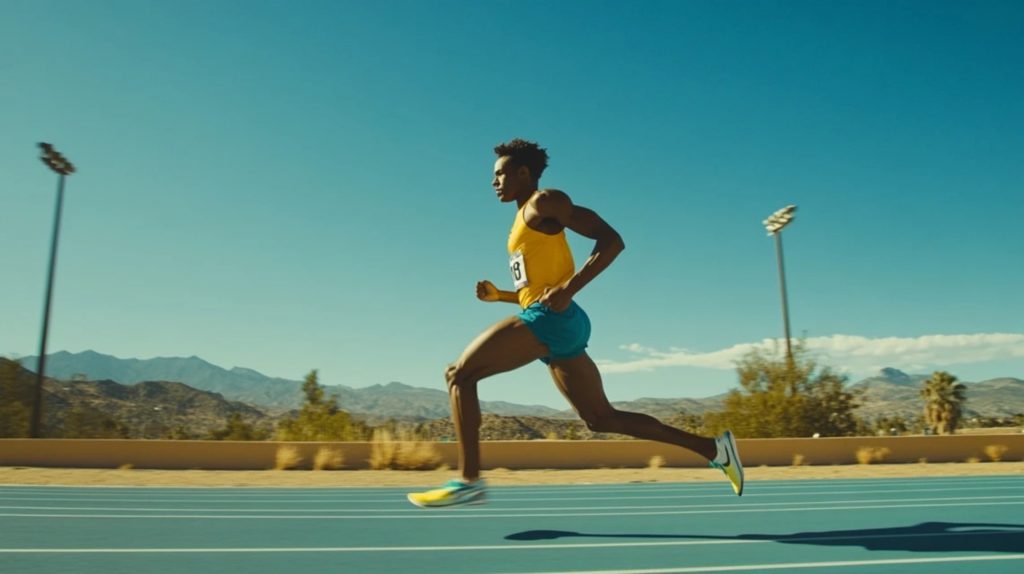
In recent years, the personalization of fitness using genetic information has been attracting attention. It is expected that more effective health management will be possible by designing optimal training methods and meal plans based on individual genetic characteristics. In this article, we will explain how genetic information can be useful for personalizing fitness, while also discussing the latest research results.
Genetically influenced fitness factors
1. Genetic factors in endurance and explosive power
Genes affect muscle properties and energy metabolism, and are one of the factors that determine whether a person is better at endurance or explosive power. In particular, the ACTN3 gene (alpha actinin 3 gene) is involved in the formation of fast-twitch muscle fibers and is said to affect sports that require explosive power, such as sprinting and weightlifting.
On the other hand, people with excellent endurance tend to have high mitochondrial activation caused by the PPARGC1A gene (PGC-1α gene), which means they are suited to endurance sports such as marathons and long-distance cycling.
2. Muscle Growth and Recovery
Genes such as **IGF-1 (insulin-like growth factor) and MSTN (myostatin)** are involved in how quickly muscles grow and recover .
People with high IGF-1 gene activity tend to have enhanced muscle protein synthesis and more efficient muscle hypertrophy.
The MSTN gene inhibits muscle growth, so mutations in this gene affect how easily muscles develop.
In addition, the IL-6 (interleukin 6) gene, which suppresses inflammation, and the SOD2 (superoxide dismutase 2) gene, which has antioxidant properties, are involved in the speed at which muscles recover. It is believed that the function of these genes determines how quickly you can recover after training.
3. Metabolism and Energy Efficiency
The ease with which body fat accumulates and the efficiency with which it is burned are greatly influenced by genes. In particular, the FTO gene (obesity-related gene) and the UCP1 gene (uncoupling protein 1 gene) are involved in metabolism.
People with a mutation in the FTO gene are prone to fat accumulation and need proper dietary management and exercise.
People with high activity of the UCP1 gene are more likely to consume energy as heat and burn fat more smoothly.
Create an exercise and meal plan that suits your body type
Choose an effective fitness strategy
Health risks can be predicted
2. Limitations of genetic testing
Environmental factors also play a role, so genes aren’t the only determining factor.
There are many aspects of this technology that remain scientifically unclear, so it must be used with caution.
Currently, an increasing number of companies are offering fitness programs that utilize genetic information, and this is also attracting attention in the fields of personalized medicine and sports science.
Genetic factors influence the speed at which you recover from fatigue after training. In particular, genes involved in inflammatory responses and antioxidant activity play an important role.
1. Genes involved in inflammation and recovery
Muscle inflammation after training is necessary as part of growth, but delayed recovery increases the risk of overtraining. Key genes that regulate inflammation include:
IL-6 (Interleukin 6)
People with high IL-6 activity tend to have stronger inflammatory responses and longer-lasting muscle pain.
Getting plenty of rest and consuming anti-inflammatory foods (such as fish containing omega-3 fatty acids) can help speed up your recovery.
TNF-α (tumor necrosis factor)
People with high TNF-α activity are more likely to experience increased inflammation after training
It is effective to adjust the frequency of high-intensity training and actively incorporate icing and stretching.
2. Antioxidant effects and DNA repair genes
Reactive oxygen species (ROS) generated during training damage cells, so genes with antioxidant properties are important.
SOD2 (Superoxide dismutase 2)
People with high SOD2 activity have a high ability to remove reactive oxygen species and recover muscles quickly.
If you actively consume green and yellow vegetables and vitamins C and E, you can expect even greater antioxidant effects.
PARP1 (Poly ADP-ribose polymerase 1)
People with high PARP1 activity tend to repair DNA damage faster and recover from fatigue more quickly.
Curcumin (a component of turmeric) and resveratrol (an antioxidant found in red wine) are effective
Genetics and sleep quality: maximizing your training
The quality of your sleep impacts muscle recovery and growth hormone secretion, which directly translates to fitness outcomes. Your genes may influence the depth and duration of your sleep.
1. PER3 gene and sleep type
The PER3 gene regulates the body’s circadian rhythm and affects sleep quality.
People with the long PER3 variant
It is easy to get deep sleep and has a high recovery rate even in a short period of time.
Late-night training doesn’t have a big impact on sleep quality
People with short PER3 variants
I sleep a lot and have a hard time getting rid of fatigue even after sleeping for a long time.
It is advisable to train early in the day and avoid caffeine before going to bed.
2. BDNF gene and neural repair
BDNF (brain-derived neurotrophic factor) is an important gene that promotes the repair and growth of nerve cells and is involved in brain recovery during sleep.
People with high BDNF activity
Nerve repair during sleep is smooth, leading to improved learning and memory
To improve the quality of your sleep, maintain a regular lifestyle and exercise regularly.
The future of personalized fitness using genetic information
It is expected that fitness personalization based on genetic information will continue to evolve in the future, enabling more precise and effective training and health management.
1. Integration of wearable devices and genetic information
In recent years, health management that combines genetic information with smartwatches and fitness trackers has become more common, allowing people to understand their physical condition in real time and create optimal training plans.
Automatically adjusts optimal exercise intensity by comparing changes in heart rate with genetic information
Using sleep data and genotypes to build better resting habits
2. Personalized fitness plans using AI and genetic data
A new service is emerging that uses artificial intelligence (AI) to analyze an individual’s genetic data and suggest the most effective training methods and nutritional plans.
Recommending optimal diet and supplements based on genetic data
AI analyzes real-time fitness data and provides performance improvement advice
Using genetic information, dietary customization can be made to optimize nutritional intake: specific genetic variants influence nutrient metabolism and are key factors in determining the optimal dietary strategy for each individual.
1. Gene and protein requirements
Protein is essential for muscle growth and repair, but your genetic makeup determines how much you need and how efficiently you absorb it.
People with FTO gene mutations (high risk of obesity)
Eating a high-protein diet can boost your metabolism and reduce the accumulation of body fat.
Whey and casein proteins are effective for muscle recovery
People with PPARG gene mutations (good lipid metabolism)
In addition to consuming protein, it is a good idea to actively consume healthy fats (avocados, olive oil, nuts, etc.)
2. Genes and carbohydrate utilization efficiency
The efficiency of carbohydrate (sugar) metabolism is also influenced by genes.
AMY1 gene (amylase gene)
People with more copies of AMY1 digest carbohydrates more quickly and use them more efficiently as energy.
People with fewer copies of the gene are more likely to store excess carbohydrates as fat when they consume too much.
TCF7L2 gene (involved in sugar metabolism)
People with this mutation are more likely to develop insulin resistance and need to be careful about their carbohydrate intake.
It is a good idea to focus on low GI foods (brown rice, oatmeal, vegetables)
3. Genes and lipid metabolism
Genes involved in lipid metabolism influence cardiovascular disease and body fat accumulation.
APOA2 gene (saturated fatty acid metabolism)
People with the mutation are more likely to gain body fat when they consume saturated fatty acids.
It is better to limit animal fats and focus on vegetable fats (nuts, fish oils)
FABP2 gene (fatty acid absorption efficiency)
People with the mutation are more likely to absorb fatty acids efficiently in the small intestine, increasing their risk of obesity.
Promote your metabolism by taking in a moderate amount of fat and increasing your aerobic exercise.
The relationship between genetic information and mental health
Genetics not only influences fitness and nutrition, but also mental health.
1. Stress tolerance and genes
COMT gene (catechol-O-methyltransferase)
People with high COMT activity have higher stress tolerance and better decision-making abilities
People with low activity are more susceptible to stress and anxiety
BDNF gene (brain-derived neurotrophic factor)
People with the mutation are more susceptible to stress and are at higher risk of depression
By incorporating moderate exercise and meditation, it becomes easier to maintain mental stability.
Genetic information and training optimization
Using genetic information, we can choose optimal training methods and effectively improve strength and endurance. By tailoring your training plan to your individual genetic characteristics, you may be able to achieve your fitness goals more efficiently while reducing the risk of injury.
1. Muscle fiber type and training choices
Muscle fibers are broadly divided into two types: fast-twitch (Type II) and slow-twitch (Type I). The proportion of each type is determined by genetic differences.
ACTN3 gene and fast-twitch muscle type
People with ACTN3 RR tendons have many fast-twitch muscles and are good at explosive movements.
Best for: Sprinting, weightlifting, high-intensity interval training (HIIT)
People with ACTN3 XX tendon type have many slow-twitch muscles and have excellent endurance
In this way, by choosing the training method that is appropriate for your genes, you can effectively train your muscles.
2. Cardio and endurance training
The suitability of your body for endurance sports is measured by an index called **VO2max (maximum oxygen uptake)**. VO2max indicates how efficiently you can deliver oxygen to your muscles, and is influenced by genetic factors.
PPARGC1A gene (improves endurance)
People with the mutation have more active mitochondria and are likely to have improved endurance.
People with the mutation have better blood flow during exercise and are less likely to tire.
Suitable for: Running, climbing, CrossFit
3. Injury risk and recovery
Genes also influence how easily we get injured and how quickly we recover. In particular, it is known that the flexibility of muscles and ligaments, and the strength of our inflammatory response, are genetically determined.
COL5A1 gene (ligament strength)
People with the mutation have weaker ligaments and are more prone to sprains and knee injuries.
Prevention: Include joint strengthening exercises (squats, leg presses).
IL-6 gene (inflammatory response)
People with higher IL-6 activity experience prolonged inflammation after training.
Prevention measures: Icing, stretching, and eating anti-inflammatory foods (such as fish containing omega-3 fatty acids).
Advances in genetic analysis technology are enabling greater personalization of fitness.
1. Integration of AI and genetic information
Services are emerging that use AI to automatically create optimal exercise programs by integrating genetic data with real-time training data.
Linking genetic data with smartwatches and wearable devices
AI automatically adjusts training intensity and rest time
Personalized supplement and nutritional plan recommendations
2. The spread of genetically-based fitness clubs
In the future, we can expect to see an increase in gyms and fitness clubs that offer individualized training based on genetic information.
Training guidance for each genotype
Providing meals and supplements based on genetic information
Creation of individual plans based on scientific evidence
Genetic information and anti-aging training
By utilizing genetic information, it is possible to develop optimal training strategies to adapt to age-related changes in the body and slow down the aging process. In particular, training programs that take genetic factors into account are important in order to prevent muscle loss and metabolic decline.
1. The relationship between aging and muscle weakness
The age-related loss of muscle mass is called sarcopenia , and the following genes are involved in this process:
MSTN (myostatin) gene
High MSTN activity inhibits muscle growth
People with low MSTN activity experience slower muscle loss with age
FOXO3 gene (longevity-related gene)
People with the FOXO3 mutation have a higher cell repair function and are more likely to suppress muscle loss due to aging.
Diet rich in antioxidants (green tea, berries) increases genetic chances of longevity
2. Gene-specific anti-aging training
People with high MSTN activity (prone to muscle loss)
Resistance training 3-4 times a week
Eat a high-protein diet to help maintain muscle mass
People with FOXO3 mutations (age-resistant)
Combining aerobic exercise and strength training to promote blood flow throughout the body
Take antioxidant supplements (vitamin E, coenzyme Q10)
Hormones are responsible for muscle growth, fat burning, and It also affects mental health. It is known that genetic differences affect how hormone balance changes with age in individuals.
Genetic information is being applied not only to fitness, but also to skin care and anti-aging.
1. Skin aging and genetic factors
MC1R gene (skin pigmentation and aging)
People with the mutation are more susceptible to the effects of ultraviolet rays and are more likely to develop wrinkles.
Take vitamin C and collagen supplements to protect against UV rays
MMP1 gene (collagen breakdown)
People with high levels of activity are more likely to lose skin elasticity
Use of a retinol cream is recommended to stimulate collagen production.
Genetic information and lifestyle optimization
By utilizing genetic information, it is possible to optimize not only fitness but also everyday life.
1. Genetics and sleep habits
CLOCK gene (biological clock)
People with the mutation are more likely to be nocturnal and have poorer quality sleep.
The habit of getting some morning sunlight and taking melatonin supplements are effective
PER3 gene (sleep rhythm)
Highly active people have deep sleep and can recover even in a short period of time.
People with the mutation are advised to get 7-8 hours of sleep
By utilizing genetic information, we can create a fitness plan and lifestyle that is optimal for each individual. Since many elements such as muscle strength, endurance, metabolism, hormone balance, stress resistance, and sleep quality are influenced by genetic factors, it is important to understand your own physical constitution and adopt a training and nutrition strategy that suits it.
Furthermore, genetic information can be used for anti-aging and improving mental health, and by incorporating appropriate exercise, diet, and rest, it is possible to extend a healthy lifespan. With the development of genetic testing technology and AI, personalized health management will become the standard in the future, and by utilizing genetic information, more effective and sustainable health management will be possible. Individual optimization based on scientific evidence will be the key to the future of fitness.