遺伝子検査で知る消化器系の問題と対策

Posted on 2024年 12月 6日 消化器系

消化器系の健康は、食生活や生活習慣だけでなく、遺伝的要因によっても大きく影響を受けます。近年、遺伝子検査の進歩により、個人の消化能力や消化器疾患のリスクを事前に把握し、適切な対策を講じることが可能になってきました。本記事では、遺伝子情報を基に消化器系の問題を特定し、それに対する効果的な対策を詳しく解説します。


消化器系と遺伝の関係

マグカップの牛乳とミント

消化器系の機能は、さまざまな遺伝子によって調節されています。これらの遺伝子の変異や多型(遺伝子の違い)が、食べ物の消化・吸収、腸内環境、胃腸の疾患リスクに影響を与えることが知られています。

1. 乳糖不耐症(LCT遺伝子)

乳糖不耐症は、乳製品に含まれる乳糖(ラクトース)を分解する酵素「ラクターゼ」の活性が低下することで発生します。この症状は、LCT遺伝子の変異によって決まります。

  • LCT遺伝子が活性を維持している人:乳製品を問題なく消化できる。
  • LCT遺伝子の活性が低い人:乳製品を摂取すると、腹痛や下痢を引き起こす可能性がある。

2. グルテン不耐症とセリアック病(HLA-DQ2/DQ8遺伝子)

小麦や大麦、ライ麦に含まれるグルテンに対する過敏性も遺伝的要因が関与しています。HLA-DQ2またはHLA-DQ8遺伝子を持つ人は、セリアック病(グルテン過敏症)のリスクが高いとされています。

  • HLA-DQ2/DQ8陽性の人:グルテン摂取によって腸粘膜が損傷しやすい。
  • HLA-DQ2/DQ8陰性の人:グルテン不耐症の可能性は低いが、他の要因も影響する。

3. 胃がんリスク(CDH1遺伝子)

CDH1遺伝子は、細胞接着に関与するタンパク質「カドヘリン」をコードしており、胃の粘膜を正常に保つ役割を担っています。この遺伝子に変異があると、胃がんのリスクが高まることが知られています。

  • CDH1遺伝子変異を持つ人:胃の粘膜が弱く、胃がんや胃潰瘍のリスクが高い。
  • 変異がない人:胃がんリスクは低いが、ピロリ菌感染などの環境要因も影響する。

遺伝子検査でわかる腸内環境の違い

腸内環境は、消化器系の健康に大きく関与しており、特定の遺伝子が腸内細菌の多様性や腸の炎症反応を調節しています。

1. 腸内細菌と免疫機能(FUT2遺伝子)

FUT2遺伝子は、腸内細菌のバランスに影響を与える重要な遺伝子の一つです。この遺伝子の働きが弱い人は、腸内の善玉菌(ビフィズス菌など)が減少し、腸の炎症リスクが高まることが報告されています。

  • FUT2活性が高い人:腸内細菌の多様性が高く、消化機能が安定。
  • FUT2活性が低い人:腸内細菌のバランスが崩れやすく、炎症性腸疾患(IBD)のリスクが高まる。

2. 過敏性腸症候群(IBS)と遺伝的要因(TNFSF15遺伝子)

過敏性腸症候群(IBS)は、腸の運動異常や過敏性が原因で腹痛や便通異常を引き起こします。TNFSF15遺伝子は、腸の炎症反応を調節する働きがあり、この遺伝子に変異があるとIBSのリスクが高まる可能性があります。

  • TNFSF15変異を持つ人:ストレスや特定の食品(乳製品やカフェイン)によってIBS症状が悪化しやすい。
  • 変異がない人:腸の炎症が起こりにくく、消化が安定しやすい。

遺伝子情報を活用した消化器系の健康管理

タピオカココナッツミルク

遺伝子検査の結果を基に、個人に合った食事・ライフスタイルの改善が可能です。

1. 乳糖不耐症の対策

  • 乳製品の代わりに、アーモンドミルクやココナッツミルクを活用。
  • 乳糖分解酵素(ラクターゼ)を含むサプリメントを利用。

2. グルテン不耐症の対策

  • 小麦を避け、米粉やそば粉を使った食品を選ぶ。
  • 腸のバリア機能を強化するため、プロバイオティクス(乳酸菌)を摂取。

3. 胃がんリスクを下げる生活習慣

  • ピロリ菌の検査と除菌治療を受ける。
  • 抗酸化作用のある食品(緑茶、ブルーベリー)を積極的に摂取。

遺伝子情報を活用した消化器系トラブルの詳細な対策

遺伝子検査を活用することで、消化器系の不調を予防・改善するための具体的な方法を見つけることができます。ここでは、消化器系の健康を維持するための食事、ライフスタイル、サプリメントの活用方法を詳しく解説します。


1. 腸内フローラを整えるための食事戦略

腸内フローラ(腸内細菌のバランス)は、消化吸収や免疫機能に大きな影響を与えます。遺伝子検査によって、腸内環境の改善に適した食事を特定することが可能です。

FUT2遺伝子とプロバイオティクスの活用

FUT2遺伝子の変異によって腸内のビフィズス菌が減少すると、消化不良や便秘、腸の炎症リスクが高まることが報告されています。

  • FUT2活性が低い人の推奨食品
    • 発酵食品(ヨーグルト、キムチ、納豆)を摂取し、腸内の善玉菌を増やす。
    • 水溶性食物繊維(オートミール、バナナ、アボカド)を食べ、腸内細菌のエサとなるプレバイオティクスを補給。
    • プロバイオティクスのサプリメント(ビフィズス菌、乳酸菌)を摂取し、腸内環境を改善。

2. 胃の健康を守るための生活習慣

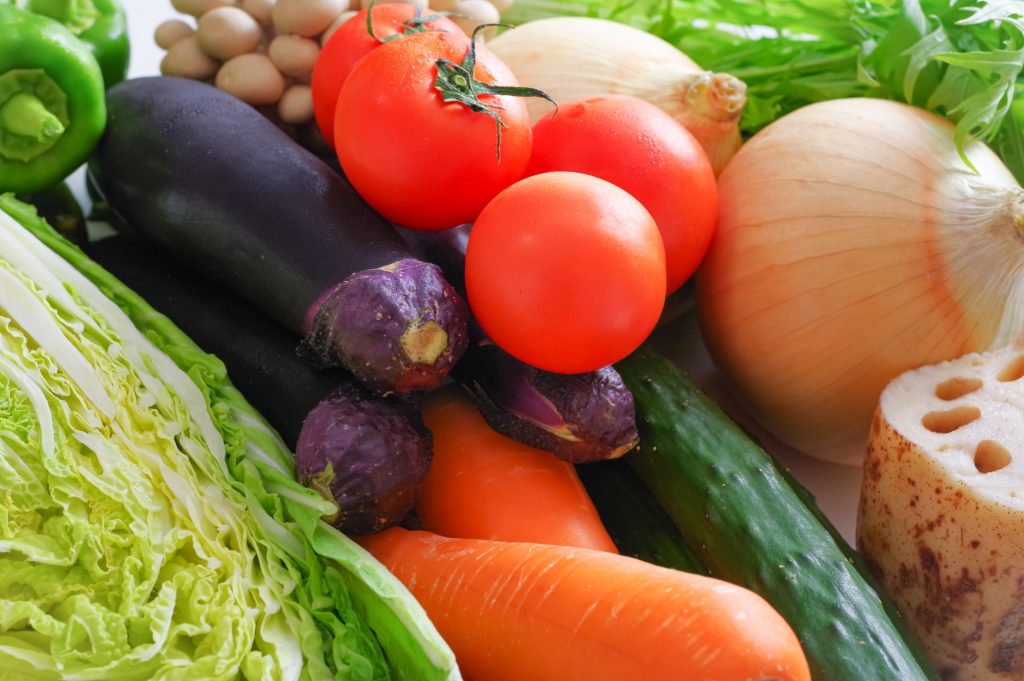
野菜

胃の粘膜は遺伝的要因と生活習慣の影響を受けやすいため、CDH1遺伝子などのリスクを考慮した対策が重要です。

CDH1遺伝子と胃の健康

CDH1遺伝子の変異は、胃のバリア機能を弱め、胃炎や胃がんのリスクを高める可能性があります。そのため、胃を保護するための生活習慣を取り入れることが推奨されます。

  • 胃の健康を守るための推奨食品
    • カテキンを含む緑茶:抗酸化作用があり、胃の炎症を抑える。
    • キャベツ:ビタミンU(キャベジン)が豊富で、胃粘膜の修復をサポート。
    • プロポリス:抗炎症作用があり、ピロリ菌の増殖を抑える。
  • 避けるべき食品と習慣
    • 過度なアルコール摂取:胃粘膜を荒らし、胃潰瘍のリスクを高める。
    • 塩分の高い食品(漬物、加工肉):胃がんのリスクを高める可能性があるため控えめに。
    • ストレス管理:慢性的なストレスは胃酸分泌を過剰にし、胃の炎症を引き起こす。

3. 便秘・下痢の遺伝的リスクと対策

便秘や下痢の発生には、腸内環境のほか、腸の運動機能や水分バランスを調節する遺伝子が関与しています。

SLC26A3遺伝子と腸の水分バランス

SLC26A3遺伝子は、腸内でのナトリウムと水分の吸収を調整する役割を持っています。この遺伝子の変異により、下痢や便秘のリスクが変わることが報告されています。

  • SLC26A3変異を持つ人の対策
    • 便秘傾向の人:
      • **マグネシウムを多く含む食品(ナッツ、ほうれん草)**を摂取し、腸の動きを活発にする。
      • 水分補給を徹底し、腸の水分バランスを整える。
    • 下痢傾向の人:
      • 食物繊維の摂取を調整し、腸の負担を軽減する(特に不溶性食物繊維を減らし、水溶性食物繊維を増やす)。
      • 電解質を補給し、脱水を防ぐ(ココナッツウォーター、味噌汁など)。

4. 遺伝子情報を活用した消化器系のサプリメント戦略

遺伝子の違いによって、必要な栄養素やサプリメントの種類も異なります。

  • FUT2遺伝子が活性低下している人:プロバイオティクス(ビフィズス菌・乳酸菌)
  • CDH1遺伝子変異を持つ人:抗酸化作用のあるビタミンC・E、カテキン(緑茶)
  • SLC26A3遺伝子変異を持つ人:マグネシウム、電解質バランス調整サプリ

これらのサプリメントを適切に取り入れることで、消化器系の健康を維持しやすくなります。


遺伝子検査を活用したパーソナル健康管理の未来

朝ごはん

遺伝子情報を活用することで、消化器系の健康をより精密に管理し、個々に最適なライフスタイルを構築することが可能になります。近年では、AI技術と組み合わせた遺伝子ベースのパーソナルヘルスケアが発展しつつあります。

  • AIが遺伝子データと食事・運動習慣を解析し、個別最適な健康管理プランを提供
  • リアルタイムの消化器系データと遺伝子情報を組み合わせ、早期に疾患リスクを予測
  • 遺伝子型に基づいた腸内細菌のバランスを調整するプロバイオティクスの開発

遺伝子情報を活用した消化器系トラブルのさらなる対策

消化器系の健康を維持するためには、遺伝子情報を基にしたライフスタイルの改善が不可欠です。ここでは、具体的な予防策と治療法、最新のテクノロジーを活用した消化器系の個別化医療について詳しく解説します。


1. 遺伝子と腸の炎症リスク

腸の炎症は、消化不良や過敏性腸症候群(IBS)、炎症性腸疾患(IBD)などの疾患を引き起こす原因となります。炎症反応の強さには遺伝的要因が関与しており、特定の遺伝子が炎症リスクを左右します。

IL-10遺伝子と炎症の制御

IL-10遺伝子は、腸の炎症を抑制する働きを持つ抗炎症性サイトカイン(IL-10)を生成する役割があります。この遺伝子の変異によって、炎症が過剰になりやすい人がいます。

  • IL-10遺伝子変異を持つ人の対策
    • 抗炎症作用のある食品(ターメリック、ショウガ、オメガ3脂肪酸)を積極的に摂取する。
    • 腸内バリアを強化するために、発酵食品(ヨーグルト、キムチ)を摂取し、腸内フローラを整える。
    • 炎症を抑えるサプリメント(クルクミン、プロバイオティクス)を活用する。

2. 腸内細菌の多様性と消化能力

遺伝子によって腸内細菌のバランスが変化し、消化の効率や腸の健康に影響を与えることが分かっています。

NOD2遺伝子と腸内フローラの関係

NOD2遺伝子は、腸内の細菌と免疫システムの相互作用を調整する重要な役割を持ちます。この遺伝子に変異があると、特定の病原菌への感受性が高まり、腸の炎症リスクが上昇する可能性があります。

  • NOD2遺伝子変異を持つ人の対策
    • プレバイオティクス(食物繊維、フラクトオリゴ糖)を積極的に摂取し、腸内細菌のバランスを最適化する。
    • 抗菌作用のあるハーブ(オレガノ、タイム)を料理に取り入れ、腸内の有害菌を抑制する。
    • ストレス管理を徹底し、自律神経のバランスを整えることで腸の健康を維持する。

3. 腸のぜん動運動と遺伝子の関係

腸の動き(ぜん動運動)は、消化の効率や便秘・下痢のリスクに大きな影響を与えます。この運動を調節する神経伝達物質には遺伝的な違いがあり、消化のスムーズさが人によって異なります。

HTR4遺伝子と腸の動き

HTR4遺伝子は、セロトニン受容体をコードする遺伝子であり、腸のぜん動運動を調整する役割を担っています。この遺伝子に変異があると、便秘や下痢になりやすい可能性があります。

  • HTR4遺伝子変異を持つ人の対策
    • 食物繊維の摂取量を調整し、腸の動きをサポートする。
    • セロトニンの生成を助ける食品(バナナ、ナッツ、チョコレート)を取り入れる。
    • 適度な運動(ウォーキング、ヨガ)を行い、腸の自然な動きを促進する。

4. 最新のテクノロジーを活用した消化器系の個別化医療

遺伝子情報を活用した消化器系の個別化医療は、近年急速に進化しています。AIやビッグデータの活用により、より精密で個別最適化された治療や予防が可能になりつつあります。

AIと遺伝子情報の統合による健康管理

AIを活用することで、遺伝子データと腸内細菌のバランス、食生活のパターンを解析し、個別に最適な健康管理プランを提供するサービスが増えています。

  • AIが腸内細菌のデータを分析し、理想的な食事を提案
  • 遺伝子情報と腸内フローラの相関を解析し、腸の健康維持に最適な栄養素を特定
  • リアルタイムで消化器系の状態をモニタリングし、異常を早期発見

5. 遺伝子検査を活用したパーソナライズド・ダイエット

消化器系の健康維持には、個々の遺伝子に適した食事管理が欠かせません。

遺伝子型に応じたダイエットプラン

  • FTO遺伝子変異を持つ人(脂肪を蓄積しやすい)
    • 低炭水化物・高タンパク質の食事が推奨される。
    • 代謝を促進する食品(唐辛子、生姜、緑茶)を積極的に摂取。
  • UCP1遺伝子の活性が高い人(脂肪燃焼しやすい)
    • バランスの取れた炭水化物摂取が可能であり、有酸素運動を継続することで代謝を維持できる。

遺伝子情報を活用した消化器系のさらなる最適化

遺伝子情報を基に消化器系の健康を管理することで、疾患リスクの低減や食生活の改善が可能になります。ここでは、最新の研究をもとに、消化器系の健康をさらに向上させるための戦略について解説します。


1. 遺伝子と胆汁の分泌バランス

胆汁は脂肪の消化吸収に不可欠な物質であり、遺伝的要因によって胆汁の分泌バランスが異なることが分かっています。胆汁の生成や分泌に関与する遺伝子が変異すると、胆石や脂肪消化不良のリスクが高まります。

ABCB4遺伝子と胆汁の流れ

ABCB4遺伝子は、胆汁の流れを促進するタンパク質をコードしており、この遺伝子に変異があると、胆汁の流れが滞りやすくなります。

  • ABCB4変異を持つ人の対策
    • 脂質の摂取バランスを調整(健康的な脂質を適度に摂取し、飽和脂肪酸を控える)。
    • 胆汁の分泌を促す食品(ビートルート、レモン、ターメリック)を取り入れる。
    • 適度な運動(特にウォーキングやヨガ)は胆汁の流れを促進。

2. 肝臓と消化の遺伝的要因

肝臓は消化に重要な役割を果たし、遺伝子の違いによって解毒機能や栄養の代謝効率が異なります。特に、肝臓での栄養素処理能力に関与する遺伝子が消化器系の健康に影響を与えます。

CYP2E1遺伝子と解毒能力

CYP2E1遺伝子は、肝臓での解毒能力に関与し、アルコールや薬物の代謝を担います。この遺伝子の活性が低い人は、肝臓の負担が増し、脂肪肝や肝機能低下のリスクが高くなります。

  • CYP2E1変異を持つ人の対策
    • アルコールの摂取を控えめにする(肝臓の負担を軽減)。
    • 肝機能をサポートする食品(ウコン、緑茶、アーティチョーク)を摂取。
    • 定期的な肝機能検査を受ける(早期の肝障害を発見)。

3. 腸内ガスの発生と遺伝子の関係

下腹部が痛そうに手を当てている女性

腸内ガスの発生は、消化器系の健康に影響を与える重要な要素です。特定の遺伝子が腸内ガスの生成に関与し、鼓腸(膨満感)やガス過多の原因となることがわかっています。

MCM6遺伝子と腸内発酵

MCM6遺伝子は、乳糖の消化能力に影響を与える遺伝子であり、変異があると乳糖を消化できず、腸内でガスが発生しやすくなります。

  • MCM6変異を持つ人の対策
    • 乳糖を含む食品(牛乳、ヨーグルト)を控えるか、乳糖分解酵素サプリを摂取。
    • 低FODMAP食を取り入れる(腸内発酵を抑えるために、特定の発酵性炭水化物を制限)。
    • ガスの発生を抑えるハーブ(フェンネル、ペパーミントティー)を活用する。

4. 腸の老化と遺伝子の影響

加齢とともに腸の機能は低下し、消化不良や便秘のリスクが高まります。遺伝的要因が腸の老化に影響を与えることが明らかになっています。

SIRT1遺伝子と腸の健康

SIRT1遺伝子は、細胞の老化を抑制する働きを持ち、腸の機能維持に重要な役割を果たします。この遺伝子の活性が低下すると、腸のバリア機能が弱まり、炎症リスクが上昇します。

  • SIRT1の活性を維持する方法
    • レスベラトロールを含む食品(赤ワイン、ブルーベリー、ダークチョコレート)を摂取。
    • 断食(ファスティング)を取り入れる(SIRT1の活性が高まり、腸の修復を促進)。
    • オメガ3脂肪酸を多く摂る(抗炎症作用を強化し、腸の健康を維持)。

5. 遺伝子情報を活用した消化器系疾患の予防

最新の医療技術により、遺伝子情報を活用して消化器系の病気を予防することが可能になっています。

CRISPR技術による遺伝子治療

遺伝子編集技術(CRISPR)は、消化器系の遺伝的疾患の治療に革命をもたらしています。特定の遺伝子変異を修正することで、疾患のリスクを低減できる可能性があります。

  • CRISPRによる消化器系疾患の治療例
    • **遺伝的な炎症性腸疾患(IBD)**の発症リスクを低減。
    • 乳糖不耐症の根本的な治療として、LCT遺伝子の修正が進められている。

遺伝子情報を活用した消化器系のさらなる最適化

笑顔で食事をする日本人夫婦・カップル

遺伝子情報を基にした消化器系の健康管理は、疾患の予防だけでなく、日常の食生活やライフスタイルの改善にも応用できます。ここでは、さらなる腸内環境の最適化、免疫機能の向上、最新の個別化医療について解説します。


1. 腸のバリア機能と遺伝子の関係

腸のバリア機能は、消化器系の健康維持において重要な役割を果たします。バリア機能が低下すると、有害物質や細菌が腸壁を通過し、全身の炎症や自己免疫疾患のリスクが高まる可能性があります。

OCLN遺伝子と腸のバリア機能

OCLN遺伝子は、腸の上皮細胞同士を結びつける「オクルディン」というタンパク質をコードしており、腸のバリア機能を維持する重要な役割を持ちます。この遺伝子の変異によって、腸の透過性が高まりやすくなります。

  • OCLN遺伝子変異を持つ人の対策
    • **グルタミンを多く含む食品(キャベツ、卵、ナッツ類)**を摂取し、腸の修復を促進。
    • **ポリフェノールが豊富な食品(ブルーベリー、緑茶)**を摂取し、抗酸化作用を強化。
    • ストレス管理を徹底し、副交感神経を優位にして腸の回復を促す。

2. 免疫機能と腸内環境の最適化

消化器系と免疫機能は密接に関連しており、特定の遺伝子が免疫応答を調整し、腸内の善玉菌と悪玉菌のバランスに影響を与えることが分かっています。

FOXP3遺伝子と免疫の調整

FOXP3遺伝子は、免疫システムの調整を担うTreg細胞(制御性T細胞)の働きを決定する重要な遺伝子であり、この遺伝子に変異があると自己免疫疾患のリスクが高まる可能性があります。

  • FOXP3変異を持つ人の対策
    • **オメガ3脂肪酸(サーモン、アマニ油)**を摂取し、免疫の過剰反応を抑える。
    • **腸内フローラを改善する食品(味噌、納豆)**を取り入れ、免疫細胞の調整を促す。
    • **定期的な軽運動(ウォーキング、ヨガ)**を行い、免疫のバランスを整える。

3. 腸内細菌と脳の相互作用(腸脳相関)

腸内環境は、脳の健康にも影響を与えることが分かっており、遺伝子がこの相互作用に関与しています。

BDNF遺伝子と腸脳相関

BDNF(脳由来神経栄養因子)遺伝子は、神経細胞の成長と修復を促す役割を持ち、腸内細菌と相互作用することが報告されています。この遺伝子の活性が低い人は、腸内環境の影響を受けやすく、ストレスに弱い傾向があります。

  • BDNFの活性を高める方法
    • **発酵食品(ヨーグルト、キムチ)**を摂取し、腸内フローラを安定させる。
    • **トリプトファンを含む食品(バナナ、ナッツ)**を摂取し、セロトニンを増やす。
    • **適度な運動(有酸素運動)**を行い、BDNFの分泌を促進する。

4. 最新の腸内マイクロバイオーム解析と遺伝子検査の融合

近年、遺伝子検査と腸内マイクロバイオーム(腸内細菌のDNA解析)を組み合わせた研究が進んでおり、個別化医療の可能性が広がっています。

パーソナライズド腸内治療

  • 腸内細菌のDNAを解析し、最適なプロバイオティクスを処方
  • 特定の遺伝子型に応じた食事計画の提案
  • 腸内細菌のバランスを整えるカスタマイズサプリメントの開発

5. 腸内環境と長寿遺伝子の関係

長寿遺伝子として知られるSIRT1は、腸の健康と密接に関連しており、腸内環境の改善が老化の進行を遅らせる可能性があることが示唆されています。

  • SIRT1の活性を高める方法
    • **レスベラトロール(赤ワイン、ブドウの皮)**を摂取し、抗酸化作用を強化。
    • 断食(ファスティング)を定期的に行い、細胞の修復を促進。
    • **腸の炎症を抑える食品(ターメリック、ショウガ)**を摂取し、腸内環境を改善。
DNAイメージの背景素材

遺伝子情報を活用することで、消化器系の健康をより深く理解し、個別最適化された対策を講じることが可能になります。乳糖やグルテンの不耐症、腸内フローラのバランス、炎症リスクなど、多くの要因が遺伝子によって左右されるため、自分の体質に合った食事やライフスタイルを選ぶことが重要です。

また、最新の遺伝子検査技術と腸内マイクロバイオーム解析を組み合わせることで、より精密な健康管理が実現し、消化器系の疾患リスクを低減する新たな可能性が広がっています。

詳しくは ヒロクリニック全国のクリニック一覧 をご覧ください。

Posted on 2024年 12月 6日

消化系统健康不仅受饮食和生活方式的影响,还受遗传因素的影响。近年来,基因检测技术的进步使得人们能够提前了解个人的消化能力和患消化系统疾病的风险,并采取适当的措施。本文将详细介绍如何根据基因信息识别消化系统疾病,并介绍有效的应对措施。


消化系统与遗传的关系

マグカップの牛乳とミント

消化系统的功能受多种基因调控。已知这些基因的突变和多态性(遗传差异)会影响食物的消化吸收、肠道环境以及胃肠道疾病的风险。

1.乳糖不耐症(LCT基因)

乳糖不耐症是由于分解乳制品中所含乳糖的酶“乳糖酶”活性降低而发生的。这种情况是由LCT基因突变引起的。

  • LCT基因保持活跃的人:可以毫无问题地消化乳制品。
  • LCT基因活性低的人:食用乳制品可能会引起腹痛和腹泻。

2. 麸质不耐症和乳糜泻(HLA-DQ2/DQ8基因)

对小麦、大麦和黑麦中所含的麸质的敏感性也由基因决定。携带HLA-DQ2或HLA-DQ8基因的人患乳糜泻(麸质敏感性)的风险更高。

  • HLA-DQ2/DQ8 阳性人群:肠粘膜容易因摄入麸质而受损。
  • HLA-DQ2/DQ8 阴性人群:不太可能出现麸质不耐症,但其他因素也可能发挥作用。

3.胃癌风险(CDH1基因)

CDH1基因编码一种名为钙粘蛋白的蛋白质,该蛋白质参与细胞粘附,并在维持胃粘膜健康方面发挥着作用。已知该基因突变会增加患胃癌的风险。

  • CDH1基因突变的人:他们的胃粘膜较弱,患胃癌和胃溃疡的风险更高。
  • 没有突变的人:患胃癌的风险较低,但幽门螺杆菌感染等环境因素也会影响风险。
No categories found for this post.

基因检测揭示的肠道环境差异

肠道环境在消化健康中起着重要作用,特定基因调节肠道细菌多样性和肠道炎症反应。

1. 肠道细菌与免疫功能(FUT2基因)

FUT2基因是影响肠道菌群平衡的重要基因之一,有报道指出,该基因功能较弱的人,肠道内有益菌(如双歧杆菌)数量减少,罹患肠道炎症的风险增加。

  • FUT2活性高的人:肠道菌群多样性高,消化功能稳定。
  • FUT2活性低的人:肠道菌群平衡容易被打破,增加罹患炎症性肠病(IBD)的风险。

2. 肠易激综合征(IBS)和遗传因素(TNFSF15基因)

肠易激综合征 (IBS) 是一种因肠道蠕动异常和过敏反应而导致腹痛和排便不规律的疾病。TNFSF15 基因调控肠道炎症反应,该基因突变可能会增加患 IBS 的风险。

  • 患有 TNFSF15 突变的人:压力和某些食物(乳制品和咖啡因)更容易加剧 IBS 症状。
  • 没有这种突变的人:他们不太可能出现肠道炎症,并且消化更稳定。
No categories found for this post.

利用基因信息进行消化健康管理

タピオカココナッツミルク

根据基因检测的结果,可以针对每个人的情况制定适合的饮食和生活方式的改变。

1. 乳糖不耐症的应对措施

  • 不要使用乳制品,而要使用杏仁奶或椰奶。
  • 服用含有乳糖酶的补充剂。

2. 麸质不耐受的应对措施

  • 避免食用小麦,选择用大米或荞麦粉制成的食物。
  • 服用益生菌(乳酸菌)来增强肠道屏障功能。

3. 降低胃癌风险的生活习惯

  • 幽门螺杆菌检测和根除治疗。
  • 积极食用具有抗氧化特性的食物(绿茶、蓝莓)。
No categories found for this post.

利用基因信息对消化问题进行详细测量

基因检测可以帮助您确定可以采取的具体步骤来预防和改善您的消化系统健康,我们将仔细研究饮食、生活方式和补充剂如何帮助您维持消化系统健康。


1. 改善肠道菌群的饮食策略

肠道菌群(肠道细菌的平衡)对消化、吸收和免疫功能有重大影响。基因检测可以帮助确定最适合改善肠道环境的饮食。

利用 FUT2 基因和益生菌

据报道,FUT2基因突变导致肠道中双歧杆菌减少,增加了消化不良、便秘和肠道炎症的风险。

  • 推荐给 FUT2 活性低的人的食物
    • 吃发酵食品(酸奶、泡菜、纳豆)来增加肠道内的有益细菌。
    • 吃可溶性膳食纤维(燕麦、香蕉、鳄梨)来补充益生元,作为肠道细菌的食物。
    • 服用益生菌补充剂(双歧杆菌、乳酸菌)来改善肠道环境。
No categories found for this post.

2.保护胃的生活习惯

野菜

由于胃粘膜容易受到遗传因素和生活习惯的影响,因此采取考虑到CDH1基因等风险的措施非常重要。

CDH1基因与肠道健康

CDH1基因突变可能会削弱胃屏障,增加患胃炎和胃癌的风险,因此建议养成保护胃的生活习惯。

  • 推荐一些有益于胃健康的食物
    • 绿茶含有儿茶素,具有抗氧化作用,可减轻胃部炎症。
    • 卷心菜:含有丰富的维生素U(卷心菜素),有助于胃粘膜的修复。
    • 蜂胶:具有抗炎特性并抑制幽门螺杆菌的生长。
  • 应避免的食物和习惯
    • 过量饮酒:刺激胃粘膜,增加胃溃疡的风险。
    • 高盐食物(泡菜、加工肉类):适量食用,因为它们可能会增加患胃癌的风险。
    • 控制压力:慢性压力会导致胃酸分泌过多和胃部炎症。
No categories found for this post.

3. 便秘、腹泻的遗传风险及对策

便秘、腹泻的发生与肠道环境以及调节肠道蠕动和水分平衡的基因有关。

SLC26A3基因与肠道水分平衡

SLC26A3基因在调节肠道对钠和水的吸收方面发挥着作用。据报道,该基因的突变会影响腹泻和便秘的风险。

  • 针对 SLC26A3 突变患者的措施
    • 容易便秘的人:
      • **吃富含镁的食物(坚果、菠菜)**以保持肠道蠕动。
      • 保持充足的水分,维持肠道水分平衡。
    • 容易腹泻的人群:
      • 调整纤维摄入量以减少肠道压力(特别是通过减少不溶性纤维和增加可溶性纤维)。
      • 补充电解质,防止脱水(椰子水、味噌汤等)
No categories found for this post.

4. 利用遗传信息的消化系统补充策略

不同的基因会影响您所需的营养和补充剂的类型。

  • FUT2 基因活性降低的人:益生菌(双歧杆菌和乳酸菌)
  • CDH1 基因突变患者:抗氧化维生素 C 和 E,以及儿茶素(绿茶)
  • 携带 SLC26A3 基因突变的人:镁和电解质平衡补充剂

正确服用这些补充剂可以帮助您维持健康的消化系统。

No categories found for this post.

利用基因检测实现个性化健康管理的未来

朝ごはん

利用基因信息,可以更精准地管理消化系统健康,并为每个人打造最佳的生活方式。近年来,基于基因的个性化医疗与人工智能技术相结合正在蓬勃发展。

  • AI分析基因数据、饮食和运动习惯,提供个性化的健康管理计划
  • 将实时消化系统数据与遗传信息相结合,提前预测疾病风险
  • 根据基因型开发益生菌来调节肠道细菌平衡

利用遗传信息进一步治疗消化问题

为了保持健康的消化系统,基于基因信息改变生活方式至关重要。本文将详细介绍具体的预防措施和治疗方法,以及运用最新技术的个性化消化系统治疗。


1. 遗传因素与肠道炎症风险

肠道炎症可导致消化不良、肠易激综合征 (IBS) 和炎症性肠病 (IBD) 等疾病。遗传因素会影响炎症反应的强度,某些基因还会影响炎症的风险。

IL-10基因与炎症控制

IL-10基因在产生抑制肠道炎症的抗炎细胞因子(IL-10)方面发挥作用。由于该基因突变,有些人容易出现过度炎症。

  • 针对IL-10基因突变患者的措施
    • 增加抗炎食物(姜黄、生姜、ω-3 脂肪酸)的摄入量。
    • 为了增强肠道屏障,请食用发酵食品(酸奶、泡菜)并调节肠道菌群。
    • 使用抗炎补充剂(姜黄素、益生菌)。
No categories found for this post.

2. 肠道细菌多样性与消化能力

研究表明,基因可以改变肠道细菌的平衡,影响消化效率和肠道健康。

NOD2基因与肠道菌群的关系

NOD2基因在调节肠道细菌与免疫系统之间的相互作用中起着关键作用。该基因突变可能会增加对某些病原体的易感性,并增加肠道炎症的风险。

  • 针对NOD2基因突变患者的措施
    • 积极摄入益生元(膳食纤维、低聚果糖),优化肠道菌群平衡。
    • 在烹饪中加入抗菌草药(牛至、百里香)以抑制肠道中的有害细菌。
    • 通过彻底的压力管理和平衡自主神经系统来保持肠道健康。
No categories found for this post.

3. 肠道蠕动与基因的关系

肠道运动(蠕动)对消化效率以及便秘或腹泻的风险有显著影响。调节这种运动的神经递质存在遗传差异,消化的顺畅程度也因人而异。

HTR4基因与肠道动力

HTR4基因是一种编码血清素受体的基因,在调节肠道蠕动中发挥作用。该基因突变可能导致便秘或腹泻的倾向。

  • 针对HTR4基因突变患者的措施
    • 调节纤维摄入量并帮助排便。
    • 包括有助于产生血清素的食物(香蕉、坚果、巧克力)。
    • 进行适度运动(散步、瑜伽)以促进肠道自然运动。
No categories found for this post.

4. 采用最新技术的消化系统个性化医疗

近年来,利用基因信息的消化系统个性化医疗正在迅速发展。随着人工智能和大数据的应用,更精准、更个性化的治疗和预防正在成为可能。

通过人工智能和基因信息整合进行健康管理

越来越多的服务正在使用人工智能分析基因数据、肠道细菌平衡和饮食模式,以提供个性化优化的健康管理计划。

  • 人工智能分析肠道细菌数据并建议理想饮食
  • 分析遗传信息与肠道菌群的相关性,以确定维持肠道健康的最佳营养素
  • 实时监测消化系统,及早发现异常
No categories found for this post.

5. 通过基因检测实现个性化饮食

保持健康的消化系统需要根据每个人的基因进行量身定制的饮食管理。

适合您基因型的饮食计划

  • 患有FTO基因突变的人(容易脂肪堆积)
    • 建议采用低碳水化合物、高蛋白质饮食。
    • 积极食用促进新陈代谢的食物(辣椒、生姜、绿茶)。
  • UCP1基因活性高的人(容易燃烧脂肪)
    • 可以均衡的摄入碳水化合物,并持续进行有氧运动来维持新陈代谢。
No categories found for this post.

利用遗传信息进一步优化消化系统

根据您的基因信息管理您的消化系统健康,有助于降低患病风险并改善饮食。本文将基于最新研究,探讨进一步改善消化系统健康的策略。


1. 基因与胆汁分泌平衡

胆汁是脂肪消化吸收所必需的物质,已知胆汁分泌的平衡会因遗传因素而变化。参与胆汁生成和分泌的基因突变会增加胆结石和脂肪消化不良的风险。

ABCB4 基因和胆汁流动

ABCB4基因编码一种促进胆汁流动的蛋白质,该基因的突变会导致胆汁流动受阻。

  • 针对 ABCB4 突变患者的措施
    • 平衡脂肪摄入量(适量健康脂肪和低饱和脂肪)。
    • 包括刺激胆汁分泌的食物(甜菜根、柠檬、姜黄)。
    • 适度运动,尤其是散步和瑜伽,可以增加胆汁流量。
No categories found for this post.

2. 肝脏和消化系统的遗传因素

肝脏在消化过程中起着关键作用,而基因差异会影响肝脏的解毒和营养代谢效率。尤其是与肝脏处理营养物质能力相关的基因,会影响消化系统的健康。

CYP2E1基因与解毒能力

CYP2E1基因参与肝脏的解毒功能,负责酒精和药物的代谢。该基因活性低的人肝脏负担较重,罹患脂肪肝和肝功能障碍的风险较高。

  • CYP2E1 突变患者的措施
    • 限制酒精摄入量(减少肝脏负担)。
    • 食用有助于肝功能的食物(姜黄、绿茶、洋蓟)。
    • 定期进行肝功能检查(以检测早期肝损伤)。
No categories found for this post.

3. 肠道气体与基因的关系

下腹部が痛そうに手を当てている女性

肠道气体产生是影响消化系统健康的重要因素,某些基因已被证明在气体产生过程中发挥作用,并导致腹胀和气体过多。

MCM6基因与肠道发酵

MCM6基因是一种影响消化乳糖能力的基因;如果发生突变,乳糖就无法被消化,肠道中更容易形成气体。

  • 针对 MCM6 突变患者的措施
    • 避免食用含有乳糖的食物(牛奶、酸奶)或服用乳糖酶补充剂。
    • 采用低 FODMAP 饮食(限制某些可发酵碳水化合物以减少肠道发酵)。
    • 使用草药抑制胀气(茴香、薄荷茶)。
No categories found for this post.

4. 肠道老化与遗传影响

随着年龄的增长,肠道功能会下降,消化不良和便秘的风险也会增加。研究表明,遗传因素会影响肠道衰老。

SIRT1基因与肠道健康

SIRT1基因抑制细胞衰老,在维持肠道功能方面发挥重要作用。当该基因活性降低时,肠道屏障功能减弱,炎症风险增加。

  • 如何维持SIRT1活性
    • 食用含有白藜芦醇的食物(红酒、蓝莓、黑巧克力)。
    • 结合禁食(增加 SIRT1 活性并促进肠道修复)。
    • 增加 Omega-3 脂肪酸的摄入量(增强抗炎特性并支持肠道健康)。
No categories found for this post.

5. 利用基因信息预防消化系统疾病

现代医疗技术使得利用基因信息预防消化系统疾病成为可能。

CRISPR基因治疗

基因编辑技术(CRISPR)正在彻底改变消化系统遗传疾病的治疗:纠正某些基因突变可能会降低患病风险。

  • 利用 CRISPR 治疗消化系统疾病的例子
    • 降低罹患遗传性炎症性肠病 (IBD) 的风险。
    • 人们正在努力纠正 LCT 基因,作为乳糖不耐症的根本治疗方法。
No categories found for this post.

利用遗传信息进一步优化消化系统

笑顔で食事をする日本人夫婦・カップル

基于基因信息的消化系统健康管理不仅可以应用于疾病预防,还可以应用于改善日常饮食和生活方式。本文将介绍如何进一步优化肠道环境、改善免疫功能以及最新的个性化医疗。


1. 肠道屏障功能与基因的关系

肠道屏障功能在维持消化系统健康方面起着关键作用:肠道屏障功能受损会使有害物质和细菌穿透肠壁,从而可能增加全身炎症和自身免疫性疾病的风险。

OCLN基因与肠道屏障功能

OCLN基因编码一种名为闭合蛋白(occludin)的蛋白质,该蛋白质将肠上皮细胞结合在一起,在维持肠道屏障功能方面发挥着重要作用。该基因突变会使肠道更容易受到肠道通透性增加的影响。

  • OCLN基因突变患者的应对措施
    • 食用富含谷氨酰胺的食物(卷心菜、鸡蛋、坚果)以促进肠道修复。
    • **吃富含多酚的食物(蓝莓、绿茶)**以增强抗氧化作用。
    • 通过彻底管理压力,副交感神经系统就会发挥主导作用,促进肠道恢复。

2. 优化免疫功能和肠道健康

消化系统和免疫功能密切相关,已知某些基因可以调节免疫反应并影响肠道内有益菌和有害菌的平衡。

FOXP3基因与免疫调控

FOXP3基因是决定Treg细胞(调节性T细胞)功能的重要基因,而Treg细胞则负责调节免疫系统,该基因突变可能会增加自身免疫性疾病的风险。

  • 针对 FOXP3 突变患者的措施
    • 食用**omega-3 脂肪酸(鲑鱼、亚麻籽油)**来抑制过度活跃的免疫反应。
    • 加入改善肠道菌群(味噌、纳豆)的食物,促进免疫细胞的调节。
    • **定期进行轻度运动(散步、瑜伽)**以保持免疫系统平衡。

3. 肠道细菌与大脑的相互作用(肠脑轴)

众所周知,我们的肠道健康也会影响我们的大脑健康,而基因在这种相互作用中发挥着作用。

BDNF基因与肠脑轴

脑源性神经营养因子 (BDNF) 基因在促进神经细胞生长和修复方面发挥着作用,据报道,它与肠道细菌相互作用。该基因活性较低的人往往更容易受到肠道环境的影响,也更容易受到压力的影响。

  • 如何提高 BDNF 活性
    • 食用发酵食品(酸奶、泡菜)来稳定肠道菌群。
    • 通过食用含有色氨酸的食物(香蕉、坚果等)来增加血清素。
    • **进行适度运动(有氧运动)**,促进BDNF的分泌。

4. 将最新的肠道微生物组分析与基因检测相结合

近年来,基因检测与肠道微生物组(肠道细菌的DNA分析)相结合的研究取得了进展,扩大了个性化医疗的可能性。

个性化肠道治疗

  • 分析肠道细菌DNA,配制最佳益生菌
  • 针对特定基因型的建议饮食计划
  • 开发定制补充剂以平衡肠道细菌

5. 肠道环境与长寿基因的关系

SIRT1被称为长寿基因,与肠道健康密切相关,这表明改善肠道环境可能可以减缓衰老过程。

  • 如何提高SIRT1活性
    • 服用**白藜芦醇(红酒、葡萄皮)**来增强抗氧化作用。
    • 定期禁食可促进细胞修复。
    • **吃抑制肠道炎症的食物(姜黄、生姜)**,改善肠道环境。
No categories found for this post.
DNAイメージの背景素材

利用基因信息,可以更深入地了解消化系统健康状况,并采取针对个体的优化措施。由于乳糖和麸质不耐受、肠道菌群平衡以及炎症风险等诸多因素都由基因决定,因此选择适合自身体质的饮食和生活方式至关重要。

此外,将最新的基因检测技术与肠道微生物组分析相结合,将实现更精准的健康管理,为降低消化系统疾病的风险开辟新的可能性。

Posted on 2024年 12月 6日

Digestive health is greatly influenced not only by diet and lifestyle, but also by genetic factors. In recent years, advances in genetic testing have made it possible to understand an individual’s digestive ability and risk of digestive diseases in advance and take appropriate measures. In this article, we will explain in detail how to identify digestive problems based on genetic information and effective measures to address them.


The relationship between the digestive system and genetics

マグカップの牛乳とミント

The function of the digestive system is regulated by various genes. Mutations and polymorphisms (genetic differences) in these genes are known to affect food digestion and absorption, the intestinal environment, and the risk of gastrointestinal diseases.

1. Lactose intolerance (LCT gene)

Lactose intolerance occurs when the activity of the enzyme “lactase” that breaks down the lactose contained in dairy products is reduced. This condition is determined by a mutation in the LCT gene.

  • People whose LCT gene remains active: Can digest dairy products without any problems.
  • People with low activity of the LCT gene: Consuming dairy products may cause abdominal pain and diarrhea.

2. Gluten intolerance and celiac disease (HLA-DQ2/DQ8 genes)

Sensitivity to gluten, found in wheat, barley and rye, is also genetically determined. People with HLA-DQ2 or HLA-DQ8 genes are at increased risk of developing celiac disease (gluten sensitivity).

  • HLA-DQ2/DQ8 positive people: Intestinal mucosa is easily damaged by gluten ingestion.
  • HLA-DQ2/DQ8 negative people: Gluten intolerance is unlikely, but other factors may also play a role.

3. Gastric cancer risk (CDH1 gene)

The CDH1 gene encodes a protein called cadherin, which is involved in cell adhesion and plays a role in maintaining the health of the gastric mucosa. Mutations in this gene are known to increase the risk of gastric cancer.

  • People with CDH1 gene mutations: They have weaker stomach lining and are at higher risk of stomach cancer and stomach ulcers.
  • People without the mutation: The risk of stomach cancer is low, but environmental factors such as Helicobacter pylori infection also affect the risk.

Differences in intestinal environment revealed by genetic testing

The gut environment plays a major role in digestive health, with specific genes regulating gut bacterial diversity and intestinal inflammatory responses.

1. Gut bacteria and immune function (FUT2 gene)

The FUT2 gene is one of the important genes that affect the balance of intestinal bacteria. It has been reported that people with weak function of this gene have a reduced number of good bacteria (such as bifidobacteria) in the intestines and an increased risk of intestinal inflammation.

  • People with high FUT2 activity: High diversity of intestinal bacteria and stable digestive function.
  • People with low FUT2 activity: The balance of intestinal bacteria is easily disrupted, increasing the risk of inflammatory bowel disease (IBD).

2. Irritable Bowel Syndrome (IBS) and Genetic Factors (TNFSF15 Gene)

Irritable bowel syndrome (IBS) is a condition that causes abdominal pain and irregular bowel movements due to abnormal intestinal motility and hypersensitivity. The TNFSF15 gene regulates the intestinal inflammatory response, and mutations in this gene may increase the risk of IBS.

  • People with the TNFSF15 mutation: IBS symptoms are more likely to be worsened by stress and certain foods (dairy products and caffeine).
  • People without the mutation: They are less likely to develop intestinal inflammation and have more stable digestion.

Digestive health management using genetic information

タピオカココナッツミルク

Based on the results of genetic testing, dietary and lifestyle changes can be tailored to suit each individual.

1. Measures for lactose intolerance

  • Instead of dairy products, use almond milk or coconut milk.
  • Take supplements that contain lactase.

2. Measures for gluten intolerance

  • Avoid wheat and choose foods made with rice or buckwheat flour.
  • Take probiotics (lactic acid bacteria) to strengthen the intestinal barrier function.

3. Lifestyle habits that reduce the risk of stomach cancer

  • pylori testing and eradication treatment.
  • Actively consume foods with antioxidant properties (green tea, blueberries).

Detailed measures for digestive problems using genetic information

Genetic testing can help you identify specific steps you can take to prevent and improve your digestive health, and we’ll take a closer look at how diet, lifestyle and supplements can help you maintain your digestive health.


1. Dietary strategies to improve gut flora

The intestinal flora (balance of intestinal bacteria) has a significant impact on digestion, absorption, and immune function. Genetic testing can help identify the diet that is best suited to improving the intestinal environment.

Utilizing the FUT2 gene and probiotics

It has been reported that a reduction in bifidobacteria in the intestines due to mutations in the FUT2 gene increases the risk of indigestion, constipation, and intestinal inflammation.

  • Recommended foods for people with low FUT2 activity
    • Eat fermented foods (yogurt, kimchi, natto) to increase the good bacteria in your intestines.
    • Eat soluble dietary fiber (oatmeal, bananas, avocados) to replenish prebiotics, which serve as food for intestinal bacteria.
    • Take probiotic supplements (bifidobacteria, lactic acid bacteria) to improve intestinal environment.

2. Lifestyle habits to protect your stomach

野菜

Because the gastric mucosa is easily affected by genetic factors and lifestyle habits, it is important to take measures that take into account risks such as the CDH1 gene.

The CDH1 Gene and Gut Health

Mutations in the CDH1 gene may weaken the gastric barrier and increase the risk of gastritis and gastric cancer, so adopting lifestyle habits to protect the stomach is recommended.

  • Food recommendations for maintaining gut health
    • Green tea contains catechins, which act as antioxidants and reduce stomach inflammation.
    • Cabbage: Rich in vitamin U (cabbagein), it supports the repair of the stomach mucosa.
    • Propolis: Has anti-inflammatory properties and suppresses the growth of Helicobacter pylori.
  • Foods and habits to avoid
    • Excessive alcohol intake: irritates the stomach lining and increases the risk of stomach ulcers.
    • High-salt foods (pickles, processed meats): Eat in moderation as they may increase the risk of stomach cancer.
    • Manage stress: Chronic stress can lead to excess stomach acid production and stomach inflammation.

3. Genetic risks and countermeasures for constipation and diarrhea

The occurrence of constipation and diarrhea is related to the intestinal environment as well as genes that regulate intestinal motility and water balance.

SLC26A3 gene and intestinal water balance

The SLC26A3 gene plays a role in regulating the absorption of sodium and water in the intestine. It has been reported that mutations in this gene affect the risk of diarrhea and constipation.

  • Measures for people with SLC26A3 mutations
    • People who tend to be constipated
      • **Eat foods high in magnesium (nuts, spinach)** to keep your bowels moving.
      • Maintain adequate hydration and maintain intestinal water balance.
    • People prone to diarrhea
      • Adjust your fiber intake to reduce intestinal strain (especially by reducing insoluble fiber and increasing soluble fiber).
      • Replenish electrolytes and prevent dehydration (coconut water, miso soup, etc

4. Digestive system supplement strategy using genetic information

Different genes affect the types of nutrients and supplements you need.

  • People with reduced activity of the FUT2 gene: Probiotics (bifidobacteria and lactic acid bacteria)
  • People with CDH1 gene mutations: Antioxidant vitamins C and E, and catechin (green tea)
  • People with SLC26A3 gene mutations: Magnesium and electrolyte balancing supplements

Taking these supplements properly can help you maintain a healthy digestive system.


The future of personalized health management using genetic testing

朝ごはん

By utilizing genetic information, it becomes possible to more precisely manage digestive health and create an optimal lifestyle for each individual. In recent years, genetic-based personalized healthcare combined with AI technology has been developing.

  • AI analyzes genetic data and dietary and exercise habits to provide personalized health management plans
  • Combining real-time digestive system data with genetic information to predict disease risk early
  • Development of probiotics to regulate gut bacteria balance based on genotype

Further measures for digestive problems using genetic information

In order to maintain a healthy digestive system, lifestyle changes based on genetic information are essential. Here, we will explain in detail specific preventive measures and treatments, as well as personalized digestive medicine using the latest technology.


1. Genetics and risk of intestinal inflammation

Intestinal inflammation can lead to diseases such as indigestion, irritable bowel syndrome (IBS), and inflammatory bowel disease (IBD). Genetic factors play a role in the strength of the inflammatory response, and certain genes influence the risk of inflammation.

IL-10 gene and the control of inflammation

The IL-10 gene plays a role in producing the anti-inflammatory cytokine (IL-10) that suppresses intestinal inflammation. Some people are prone to excessive inflammation due to mutations in this gene.

  • Measures for people with IL-10 gene mutations
    • Increase your intake of anti-inflammatory foods (turmeric, ginger, omega-3 fatty acids).
    • To strengthen the intestinal barrier, consume fermented foods (yogurt, kimchi) and regulate your intestinal flora.
    • Utilize anti-inflammatory supplements (curcumin, probiotics).

2. Intestinal bacterial diversity and digestive ability

It has been shown that genes can alter the balance of gut bacteria, affecting digestive efficiency and gut health.

Relationship between NOD2 gene and intestinal flora

The NOD2 gene plays a key role in regulating interactions between gut bacteria and the immune system. Mutations in this gene may increase susceptibility to certain pathogens and increase the risk of intestinal inflammation.

  • Measures for people with NOD2 gene mutations
    • Actively consume prebiotics (dietary fiber, fructooligosaccharides) to optimize the balance of intestinal bacteria.
    • Incorporate antibacterial herbs (oregano, thyme) into your cooking to suppress harmful bacteria in the intestines.
    • Maintain intestinal health through thorough stress management and balancing the autonomic nervous system.

3. The relationship between intestinal peristalsis and genes

Intestinal movement (peristalsis) has a significant impact on digestive efficiency and the risk of constipation or diarrhea. There are genetic differences in the neurotransmitters that regulate this movement, and the smoothness of digestion varies from person to person.

The HTR4 gene and gut motility

The HTR4 gene is a gene that codes for a serotonin receptor and plays a role in regulating intestinal peristalsis. Mutations in this gene may lead to a tendency to suffer from constipation or diarrhea.

  • Measures for people with HTR4 gene mutations
    • Regulates fiber intake and aids in bowel movements.
    • Include foods that help produce serotonin (bananas, nuts, chocolate).
    • Engage in moderate exercise (walking, yoga) to promote natural intestinal movement.

4. Personalized medicine for the digestive system using the latest technology

Personalized medicine for the digestive system that utilizes genetic information has been evolving rapidly in recent years. With the use of AI and big data, more precise and individually optimized treatment and prevention are becoming possible.

Health management through integration of AI and genetic information

An increasing number of services are using AI to analyze genetic data, intestinal bacterial balance, and dietary patterns to provide individually optimized health management plans.

  • AI analyzes gut bacteria data and suggests ideal diet
  • Analyzing the correlation between genetic information and intestinal flora to identify optimal nutrients for maintaining intestinal health
  • Real-time monitoring of the digestive system and early detection of abnormalities

5. Personalized diet using genetic testing

Maintaining a healthy digestive system requires dietary management that is tailored to each individual’s genes.

Diet Plans for Your Genotype

  • People with FTO gene mutations (prone to fat accumulation)
    • A low-carbohydrate, high-protein diet is recommended.
    • Actively consume foods that boost metabolism (chili peppers, ginger, green tea).
  • People with high activity of the UCP1 gene (easy to burn fat)
    • It is possible to consume a balanced amount of carbohydrates and continue aerobic exercise to maintain metabolism.

Further optimization of the digestive system using genetic information

Managing your digestive health based on your genetic information can help reduce your risk of disease and improve your diet. Here, we will discuss strategies based on the latest research to further improve your digestive health.


1. Genes and bile secretion balance

Bile is an essential substance for fat digestion and absorption, and it is known that the balance of bile secretion varies depending on genetic factors. Mutations in genes involved in the production and secretion of bile increase the risk of gallstones and fat indigestion.

The ABCB4 gene and bile flow

The ABCB4 gene encodes a protein that promotes bile flow, and mutations in this gene can lead to obstruction of bile flow.

  • Measures for people with ABCB4 mutations
    • Balance your fat intake (moderate healthy fats and low saturated fats).
    • Include foods that stimulate bile production (beetroot, lemon, turmeric).
    • Moderate exercise, especially walking and yoga, increases bile flow.

2. Genetic factors in the liver and digestion

The liver plays a key role in digestion, and genetic differences affect detoxification and nutrient metabolism efficiency. In particular, genes involved in the liver’s ability to process nutrients affect digestive health.

CYP2E1 gene and detoxification ability

The CYP2E1 gene is involved in the liver’s detoxification ability and is responsible for the metabolism of alcohol and drugs. People with low activity of this gene have an increased burden on the liver and a higher risk of fatty liver and liver dysfunction.

  • Measures for people with CYP2E1 mutations
    • Limit your alcohol intake (reduce strain on your liver).
    • Consume foods that support liver function (turmeric, green tea, artichokes).
    • Get regular liver function tests (to detect early liver damage).

3. The relationship between intestinal gas and genes

下腹部が痛そうに手を当てている女性

Intestinal gas production is an important factor affecting digestive health, and certain genes have been shown to play a role in gas production and contribute to bloating and excessive gas.

The MCM6 gene and intestinal fermentation

The MCM6 gene is a gene that affects the ability to digest lactose, and if there is a mutation, lactose cannot be digested and gas is more likely to occur in the intestines.

  • Measures for people with MCM6 mutations
    • Avoid foods that contain lactose (milk, yogurt) or take lactase supplements.
    • Adopt a low FODMAP diet (restricting certain fermentable carbohydrates to reduce intestinal fermentation).
    • Use herbs to suppress gas (fennel, peppermint tea).

4. Intestinal aging and genetic influences

As we age, our intestinal function declines and our risk of indigestion and constipation increases. It has been shown that genetic factors affect intestinal aging.

The SIRT1 gene and gut health

The SIRT1 gene suppresses cell aging and plays an important role in maintaining intestinal function. When the activity of this gene decreases, the intestinal barrier function weakens and the risk of inflammation increases.

  • How to maintain SIRT1 activity
    • Consume foods that contain resveratrol (red wine, blueberries, dark chocolate).
    • Incorporate fasting (increases SIRT1 activity and promotes intestinal repair).
    • Increase your intake of omega-3 fatty acids (boosts anti-inflammatory properties and supports gut health).

5. Prevention of digestive diseases using genetic information

Modern medical technology is making it possible to use genetic information to prevent digestive diseases.

CRISPR gene therapy

Gene editing technology (CRISPR) is revolutionizing the treatment of genetic diseases of the digestive system: correcting certain genetic mutations may reduce the risk of disease.

  • Examples of Treating Digestive Diseases with CRISPR
    • Reduces the risk of developing genetic inflammatory bowel disease (IBD).
    • Efforts are being made to correct the LCT gene as a fundamental treatment for lactose intolerance.

Further optimization of the digestive system using genetic information

笑顔で食事をする日本人夫婦・カップル

Digestive health management based on genetic information can be applied not only to disease prevention but also to improving daily diet and lifestyle. Here, we will explain further optimization of the intestinal environment, improvement of immune function, and the latest personalized medicine.


1. The relationship between intestinal barrier function and genes

The intestinal barrier function plays a key role in maintaining digestive health: its impairment can allow harmful substances and bacteria to penetrate the intestinal wall, potentially increasing the risk of systemic inflammation and autoimmune diseases.

OCLN gene and intestinal barrier function

The OCLN gene encodes a protein called occludin, which binds intestinal epithelial cells together and plays an important role in maintaining the intestinal barrier function. Mutations in this gene make the intestine more susceptible to increased intestinal permeability.

  • Measures for people with OCLN gene mutations
    • Consume foods high in glutamine (cabbage, eggs, nuts) to promote gut repair.
    • **Eat foods rich in polyphenols (blueberries, green tea)** to enhance antioxidant effects.
    • By thoroughly managing stress, the parasympathetic nervous system is given dominance to promote intestinal recovery.

2. Optimizing immune function and intestinal health

The digestive system and immune function are closely linked, and certain genes are known to regulate immune responses and influence the balance of good and bad bacteria in the gut.

FOXP3 gene and immune regulation

The FOXP3 gene is an important gene that determines the function of Treg cells (regulatory T cells), which regulate the immune system, and mutations in this gene may increase the risk of autoimmune diseases.

  • Measures for people with FOXP3 mutations
    • Consume **omega-3 fatty acids (salmon, flaxseed oil)** to suppress an overactive immune response.
    • Incorporate foods that improve intestinal flora (miso, natto) and promote the regulation of immune cells.
    • **Perform regular light exercise (walking, yoga)** to keep your immune system in balance.

3. Interaction between gut bacteria and the brain (gut-brain axis)

Our gut health is also known to influence our brain health, and genes play a role in this interaction.

BDNF gene and the gut-brain axis

The BDNF (brain-derived neurotrophic factor) gene plays a role in promoting the growth and repair of nerve cells, and has been reported to interact with intestinal bacteria. People with low activity of this gene tend to be more susceptible to the effects of the intestinal environment and more vulnerable to stress.

  • How to Increase BDNF Activity
    • Consume fermented foods (yogurt, kimchi) to stabilize your intestinal flora.
    • Increase serotonin by eating foods that contain tryptophan (bananas, nuts, etc.).
    • **Perform moderate exercise (aerobic exercise)** to promote the secretion of BDNF.

4. Combining the latest intestinal microbiome analysis with genetic testing

In recent years, research combining genetic testing with the intestinal microbiome (DNA analysis of intestinal bacteria) has progressed, expanding the possibilities for personalized medicine.

Personalized Intestinal Treatment

  • Analyzing the DNA of intestinal bacteria and formulating optimal probiotics
  • Suggested diet plans for specific genotypes
  • Development of customized supplements to balance intestinal bacteria

5. The relationship between intestinal environment and longevity genes

SIRT1, known as a longevity gene, is closely related to intestinal health, suggesting that improving the intestinal environment may slow the aging process.

  • How to Increase SIRT1 Activity
    • Take **resveratrol (red wine, grape skin)** to enhance antioxidant effects.
    • Regular fasting promotes cell repair.
    • **Eat foods that suppress intestinal inflammation (turmeric, ginger)** to improve intestinal environment.
DNAイメージの背景素材

By utilizing genetic information, it becomes possible to gain a deeper understanding of digestive health and take individually optimized measures. Since many factors such as lactose and gluten intolerance, intestinal flora balance, and inflammation risk are determined by genes, it is important to choose a diet and lifestyle that suits your constitution.

In addition, combining the latest genetic testing technology with intestinal microbiome analysis will enable more precise health management, opening up new possibilities for reducing the risk of digestive diseases.