遺伝子検査と健康的な減量計画

Posted on 2024年 11月 15日

この記事の概要

遺伝子検査を活用することで、個々の体質に基づいた健康的な減量計画が可能になります。炭水化物や脂質の代謝、運動適性、ストレス管理など遺伝的特性を把握し、効率的かつ持続可能な減量方法を提案します。無理なく健康的な生活を目指すための具体的なアプローチを紹介します。


はじめに

近年、遺伝子検査を活用した個別化医療が注目を集めています。特に、肥満や減量に関する遺伝子情報を活用することで、より効果的な減量計画の策定が可能となっています。本記事では、遺伝子検査と減量の関連性、具体的な活用方法、そして最新の研究結果について詳しく解説します。


遺伝子と肥満の関係

肥満関連遺伝子の役割

肥満は、遺伝的要因と環境要因が複雑に絡み合って発症します。これまでの研究で、肥満に関連する遺伝子が100種類以上特定されており、これらの遺伝子はエネルギー代謝や食欲調節に影響を与えるとされています。

立命館大学

主な肥満関連遺伝子

  • β3アドレナリン受容体遺伝子(β3AR):脂肪の分解や熱産生に関与し、特定の変異があると内臓脂肪が蓄積しやすくなります。
  • 脱共役タンパク質1遺伝子(UCP1):脂肪細胞の熱産生を促進し、変異により脂肪燃焼効率が低下する可能性があります。
  • β2アドレナリン受容体遺伝子(β2AR):中性脂肪の分解や基礎代謝に関与し、変異が基礎代謝量に影響を与えることがあります。
    GeneQuest

遺伝子検査を活用した減量アプローチ

個別化されたダイエットプランの作成

遺伝子検査により、自身のエネルギー代謝や脂肪蓄積の傾向を把握することで、効果的なダイエットプランを策定できます。例えば、糖質代謝が苦手な遺伝子タイプの方は、糖質制限を重視した食事が効果的とされています。

GeneQuest

遺伝子タイプ別の運動指導

遺伝子情報を基に、運動の種類や強度を調整することで、効率的な減量が期待できます。例えば、特定の遺伝子タイプの方は、有酸素運動よりも筋力トレーニングが効果的であることが示唆されています。

kuhs.ac.jp


遺伝子検査の実際

化学のイメージ - 試験管

市販の遺伝子検査キット

現在、市場には多くの遺伝子検査キットが存在し、自宅で簡単に検体を採取し、専門機関で解析を行うことができます。例えば、「遺伝子博士」や「ジーンクエスト」などのサービスがあり、肥満関連遺伝子の解析を提供しています。

アマゾン

GeneQuest

検査結果の活用方法

検査結果を基に、専門家と相談しながら食事や運動のプランを立てることが重要です。また、遺伝子情報は一生変わらないため、長期的な健康管理にも役立てることができます。

アマゾン


最新の研究動向

遺伝子検査と薬物療法の組み合わせ

近年、遺伝子検査を活用して、肥満治療薬の効果を予測する研究が進められています。例えば、GLP-1受容体作動薬であるセマグルチドの効果は個人差があり、遺伝子検査によりその効果を事前に予測できる可能性が示唆されています。

Carenet

遺伝的リスクと生活習慣の影響

遺伝的に肥満リスクが高い場合でも、適切な食事と運動により減量が可能であることが研究で明らかになっています。具体的には、低糖質食事法と筋力トレーニングが効果的であると報告されています。

kuhs.ac.jp


遺伝子による食事の最適化

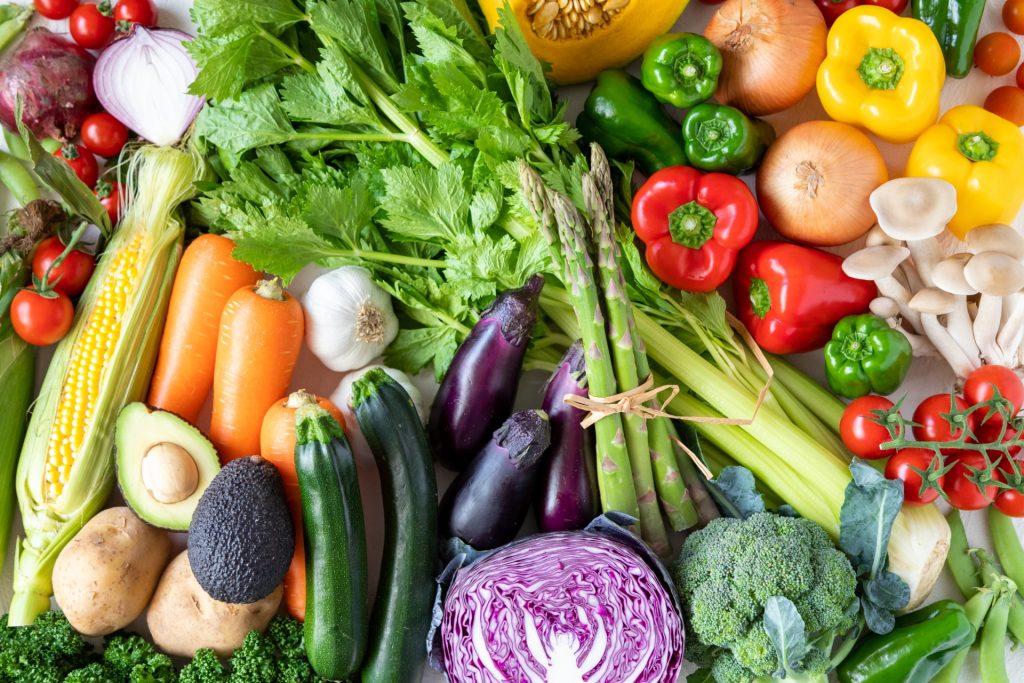
たくさんの新鮮な野菜

食事の栄養バランスと遺伝子

遺伝子は私たちの体質に影響を与えるため、特定の栄養素の代謝に関する個人差を生じさせます。例えば、脂質や糖質の代謝能力には遺伝的な違いがあり、一部の人は脂質を効率よくエネルギーに変換できる一方で、別の人は脂質を蓄積しやすい体質を持っています。

  • FTO遺伝子:肥満リスクと関連があるとされる遺伝子で、特定の変異があると食欲が増しやすく、摂取カロリーの管理が重要になる。
  • PPARG遺伝子:脂質代謝に影響を与え、特定のタイプでは不飽和脂肪酸を多く含む食事が体重管理に有効とされる。
  • TCF7L2遺伝子:糖質代謝に関与し、変異があると糖質の摂取に対する血糖値の上昇が起こりやすいため、糖質制限が効果的とされる。

これらの情報を基に、遺伝子検査結果を活用して最適な食事バランスを見つけることが重要です。例えば、FTO遺伝子に変異がある場合、食事の量を管理し、食物繊維が豊富な食品を取り入れることで食欲を抑制する戦略が有効です。

(source: nature.com)


遺伝子型別の食事プラン

糖質制限が有効なタイプ

糖質の代謝が苦手な遺伝子タイプの人は、糖質を多く含む食品(白米、パン、麺類)を避け、タンパク質や脂質を中心とした食事にすることで体重管理がしやすくなります。

  • 推奨食品:魚、肉、卵、大豆製品、ナッツ類、低糖質野菜(ブロッコリー、ほうれん草)
  • 避けるべき食品:白米、砂糖を多く含む食品、ジュース、菓子パン

脂質代謝が苦手なタイプ

脂質の代謝が低い遺伝子タイプの人は、飽和脂肪酸(動物性脂肪)を避け、不飽和脂肪酸(オリーブオイル、ナッツ類)を多く含む食事を心がけると良いでしょう。

  • 推奨食品:オリーブオイル、アボカド、青魚、ナッツ類、豆類
  • 避けるべき食品:バター、ラード、揚げ物、加工食品(ポテトチップス、スナック菓子)

このように、遺伝子検査の結果を活用することで、効率的に減量できる食事プランを作成することが可能です。

(source: ncbi.nlm.nih.gov)


遺伝子と運動の関係

有酸素運動 vs. 無酸素運動

遺伝子によって、持久力を発揮しやすいタイプと、瞬発力が強いタイプに分かれます。これに応じた運動を選ぶことで、効果的な減量が可能になります。

  • ACTN3遺伝子:筋肉のタイプを決定する遺伝子で、特定のバリアントがあると、持久力に優れるタイプか、瞬発力が強いタイプかが分かれる。
    • 持久力型(ACTN3 R577X変異):ジョギングやサイクリングなどの有酸素運動が適している。
    • 瞬発力型(ACTN3 RR型):ウエイトトレーニングや短距離走などの無酸素運動が向いている。

(source: journals.physiology.org)


遺伝子型別の運動メニュー

持久力型(有酸素運動向き)

このタイプの人は、心肺機能を活かしたトレーニングを取り入れると効果的です。

  • 推奨運動:ジョギング、ウォーキング、サイクリング、水泳
  • トレーニングのポイント:心拍数を一定に保ち、長時間の運動を心がける

瞬発力型(筋力トレーニング向き)

筋肉の収縮速度が速く、筋力トレーニングや短時間の高強度運動が効果的なタイプです。

  • 推奨運動:スクワット、デッドリフト、スプリント、HIIT(高強度インターバルトレーニング)
  • トレーニングのポイント:短時間で強い負荷をかけるトレーニングを行う

このように、遺伝子情報を基に自分に合った運動方法を選ぶことで、より効率的なダイエットが可能になります。

(source: sciencedirect.com)


遺伝子と睡眠の関係

爆睡中の男性

睡眠不足が体重増加に与える影響

遺伝子は睡眠の質や睡眠時間にも影響を与えます。特に、睡眠不足はホルモンバランスを乱し、食欲を増加させる要因となります。

  • CLOCK遺伝子:体内時計を調整する遺伝子で、特定のバリアントがあると、睡眠時間が短くなりやすい傾向がある。
  • PER3遺伝子:睡眠の深さや質に関与し、変異によって浅い睡眠になりやすい人がいる。

睡眠と体重管理の関連

研究によると、1日6時間未満の睡眠を続けると、肥満リスクが高まることが示されています。これは、食欲を抑制するレプチンの減少と、食欲を増進するグレリンの増加が関係しています。

  • 睡眠不足がもたらす影響
    • 食欲が増加し、過食になりやすい
    • 代謝が低下し、脂肪燃焼が減少
    • ストレスホルモン(コルチゾール)の増加により、内臓脂肪が蓄積しやすくなる

(source: sleepfoundation.org)


遺伝子検査の今後の可能性

遺伝子検査の技術が進化することで、より詳細な体質分析が可能になり、パーソナライズされた減量戦略がより洗練されていくと期待されています。また、AI技術の進歩により、個人の遺伝子情報を活用した最適な食事・運動プランの自動作成が可能になるかもしれません。

(source: genomeweb.com)

遺伝子と腸内環境の関係

腸内フローラと遺伝子の影響

近年、腸内細菌叢(腸内フローラ)が肥満や減量に与える影響が注目されています。腸内細菌のバランスは遺伝的要因と食生活の影響を受け、肥満になりやすいかどうかを左右する要因の一つとなっています。

  • 腸内フローラのタイプ
    • フィルミクテス門優勢型:脂肪の吸収が促進されやすく、肥満リスクが高い。
    • バクテロイデス門優勢型:食物繊維を効果的に分解し、腸の健康を保ちやすい。

研究によると、肥満の人はフィルミクテス門の細菌の割合が高く、腸内細菌のバランスを整えることで減量がしやすくなることが示唆されています。

(source: nature.com)


腸内フローラを改善する食事

腸内環境を整えることで、遺伝的に肥満リスクが高い人でも、健康的な体重管理がしやすくなります。

プロバイオティクスを含む食品

プロバイオティクス(善玉菌)を増やすことで、腸内環境が改善され、脂肪の蓄積を抑えることができます。

  • 推奨食品:ヨーグルト、納豆、キムチ、味噌、ぬか漬け
  • 効果:消化の改善、腸内の善玉菌の増加、炎症の抑制

プレバイオティクスを含む食品

プレバイオティクス(善玉菌のエサとなる成分)を多く含む食品を摂取することで、腸内環境の改善が促されます。

  • 推奨食品:ゴボウ、バナナ、オートミール、玉ねぎ、にんにく
  • 効果:腸内細菌の多様性向上、便秘改善、代謝の活性化

遺伝的に腸内環境が乱れやすい人でも、これらの食品を積極的に摂ることで、体重管理がしやすくなると考えられています。

(source: ncbi.nlm.nih.gov)


遺伝子とホルモンバランス

自宅で悩んでいる女性

食欲を制御するホルモンと遺伝子

食欲をコントロールするホルモンの分泌には遺伝子が関与しており、一部の人は食欲が強くなりやすい遺伝的特性を持っています。

  • レプチン(LEP遺伝子):脂肪細胞から分泌され、食欲を抑制するホルモン。遺伝的にレプチン抵抗性がある人は、食欲が抑えにくくなる。
  • グレリン(GHRL遺伝子):胃から分泌されるホルモンで、空腹感を増幅させる。特定の遺伝子変異により、グレリンの分泌量が多い人は空腹を感じやすい。

これらのホルモンの影響を理解し、自分の体質に合った食事プランを作ることが重要です。

(source: endocrinology-journals.org)


ホルモンバランスを整える生活習慣

遺伝的に食欲が増しやすい人でも、生活習慣の工夫でホルモンバランスを整えることが可能です。

睡眠をしっかりとる

睡眠不足はレプチンの分泌を減少させ、グレリンの分泌を増加させるため、食欲が増しやすくなります。

  • 推奨習慣:1日7〜8時間の睡眠を確保し、寝る前のスマホやカフェイン摂取を控える。

食事のタイミングを調整する

空腹時にグレリンが分泌されるため、適切な間隔で食事を摂ることが重要です。

  • 推奨習慣:朝食をしっかり食べる、間食をプロテインやナッツにする、夕食を早めに済ませる。

これらの対策を取り入れることで、遺伝的に食欲が強い人でも、健康的な減量が可能になります。

(source: sciencedirect.com)


遺伝子検査を活用したパーソナルヘルスケアの未来

デジタルと未来のイメージ

AIとビッグデータを活用した個別化医療

近年、AIとビッグデータ技術の発展により、遺伝子データを活用した個別化医療が進化しています。これにより、個々の体質に最適化された減量プランが提供されるようになっています。

  • AIができること
    • 遺伝子データと生活習慣データを組み合わせ、最適な食事と運動プランを自動作成
    • 血糖値やホルモンの変動をリアルタイムに解析し、ダイエットの成功率を向上
    • 遺伝的リスクを予測し、病気の予防策を提案

このように、遺伝子検査は減量だけでなく、健康維持や病気予防にも活用される時代が到来しています。

(source: genomeweb.com)


遺伝子検査の普及と倫理的課題

遺伝子検査が広く普及することで、個人に最適な健康管理が可能になりますが、一方で倫理的な課題も指摘されています。

  • プライバシーの保護
    • 遺伝子情報は個人のセンシティブなデータであるため、適切な管理が求められる。
    • 検査結果が保険や就職の判断に悪用されないよう、法的な整備が必要。
  • 心理的な影響
    • 「肥満になりやすい」といった遺伝子結果を知ることで、過度なストレスを感じる可能性がある。
    • 検査結果を正しく理解し、適切な対策を講じることが重要。

遺伝子検査の普及に伴い、技術の発展だけでなく、データの適切な取り扱いについても議論が必要となっています。

(source: ncbi.nlm.nih.gov)


遺伝子とストレスの関係

勉強中に頭痛がするアジア人女性03

ストレス耐性と遺伝的要因

ストレスが体重管理に与える影響は大きく、特にコルチゾール(ストレスホルモン)の分泌が増えると、脂肪の蓄積が促進されます。ストレスへの耐性には遺伝子が関与しており、以下の遺伝子がストレス応答に影響を与えるとされています。

  • NR3C1遺伝子:ストレス応答を調節するグルココルチコイド受容体をコードする遺伝子。変異によりコルチゾールの分泌が増え、ストレスによる過食のリスクが高まる可能性がある。
  • COMT遺伝子:ドーパミンの代謝に関与し、特定のバリアントを持つ人はストレスを感じやすく、食欲の変動が大きくなる傾向がある。
  • BDNF遺伝子:脳の神経成長因子を調節し、ストレス耐性と関係がある。変異により感情のコントロールが難しくなり、ストレス過食のリスクが高まることがある。

(source: ncbi.nlm.nih.gov)


ストレス軽減と体重管理

遺伝的にストレス耐性が低い場合でも、適切なストレス管理を行うことで、体重増加を防ぐことが可能です。

マインドフルネスと瞑想

ストレスが原因で食欲が増加する場合、マインドフルネスや瞑想を取り入れることで、食欲のコントロールがしやすくなります。

  • 推奨方法
    • 1日10分間の瞑想を行い、深呼吸を意識する。
    • 食事前に5分間のマインドフルネスを実践し、食べることに集中する。
    • ストレスを感じたときは、ジャーナリング(思考をノートに書き出す)を行い、感情を整理する。

運動によるストレス軽減

遺伝的にストレス耐性が低い人は、定期的な運動を行うことで、ストレスホルモンの分泌を抑えることができます。

  • 推奨運動
    • ヨガやストレッチ:副交感神経を活性化し、ストレスを和らげる。
    • ウォーキングやジョギング:適度な有酸素運動がコルチゾールを低下させる。
    • ウェイトトレーニング:エンドルフィンの分泌を促し、ストレス耐性を向上させる。

(source: sciencedirect.com)


遺伝子と水分代謝の関係

水分保持能力と遺伝的要因

体内の水分量を調節する能力には個人差があり、遺伝子がその影響を与えると考えられています。

  • AQP2遺伝子:腎臓での水分再吸収を調節するアクアポリンの遺伝子。特定の変異があると、水分保持能力が高く、むくみやすくなる傾向がある。
  • ACE遺伝子:血圧や体内のナトリウム濃度を調節する遺伝子。変異によりナトリウムの保持が増え、体内の水分量が変化しやすくなることがある。

(source: ncbi.nlm.nih.gov)


水分代謝を最適化する方法

適切な水分補給

遺伝的に水分代謝が異なる場合、最適な水分摂取量を調整することが重要です。

  • 水分保持能力が高い人(むくみやすい)
    • 塩分の摂取を控え、カリウムを多く含む食品(バナナ、ほうれん草)を摂取する。
    • 利尿作用のあるハーブティー(緑茶、ルイボスティー)を活用する。
    • こまめに水を飲み、一度に大量の水を摂取しない。
  • 水分代謝が早い人(脱水しやすい)
    • 運動時や暑い日には、電解質を含むスポーツドリンクを適度に摂取する。
    • 一日を通じて2リットル以上の水を摂取する。
    • コーヒーやアルコールの摂取を控えめにし、脱水を防ぐ。

(source: sciencedirect.com)


遺伝子と食習慣の関連性

遺伝子が味覚に与える影響

食習慣の形成には、味覚の感じ方が関係しており、遺伝的要因が影響を与えることがわかっています。

  • TAS2R38遺伝子:苦味を感じる味覚受容体の遺伝子。変異により、ブロッコリーやコーヒーなどの苦味を強く感じる人と、あまり感じない人がいる。
  • SLC2A2遺伝子:甘味の好みに関連する遺伝子。変異があると糖分を好みやすくなり、甘いものを過剰に摂取するリスクがある。

(source: nature.com)


食習慣を改善する方法

遺伝子に基づいた食事戦略

味覚の違いによって食事の好みが変わるため、遺伝子情報を活用して食習慣を改善することができます。

  • 苦味を強く感じる人
    • 野菜の調理方法を工夫し、ローストやスープにすることで苦味を和らげる。
    • レモンやビネガーを加えることで、味をマイルドにする。
  • 甘味を好みやすい人
    • 精製された砂糖ではなく、果物やナッツを活用する。
    • 甘味を控えたレシピを試し、食習慣を徐々に改善する。

これらの対策を行うことで、遺伝的に偏りのある食習慣をバランスよく整えることができます。

(source: ncbi.nlm.nih.gov)


遺伝子とアルコール代謝の関係

アルコールの分解能力と遺伝的要因

アルコールの分解能力には個人差があり、遺伝子が大きく関与しています。特に日本人を含むアジア人の多くは、アルコールを分解する酵素の活性が低いことが知られています。

  • ALDH2遺伝子(アルデヒド脱水素酵素)
    • アセトアルデヒド(有害な中間代謝産物)を分解する酵素をコードする遺伝子。
    • 活性が低いとアルコールの分解が遅れ、顔が赤くなったり、動悸が起こりやすくなる。
    • 活性が完全にないタイプの人は、アルコールをほぼ分解できず、健康リスクが高まる。
  • ADH1B遺伝子(アルコール脱水素酵素)
    • アルコール(エタノール)をアセトアルデヒドに分解する酵素をコードする遺伝子。
    • 変異によりアルコールの分解速度が異なり、一部の人は非常に早くアルコールを分解するため、悪酔いしやすい。

(source: ncbi.nlm.nih.gov)


アルコール代謝に応じた飲酒の工夫

遺伝的にアルコール代謝が遅い人でも、工夫次第で飲酒のリスクを減らすことができます。

アルコール分解が遅い人(ALDH2活性が低い)

  • 推奨する飲み方
    • アルコール度数の低い飲み物(ビール、ハイボール)を選ぶ
    • 食事と一緒に飲み、アルコールの吸収を遅らせる
    • 飲酒量を減らし、適量を守る(1回あたり1杯まで)
  • 避けるべき行動
    • 一気飲みや短時間での大量摂取
    • 強い酒(ウイスキー、焼酎、ウォッカ)のストレート飲み
    • 空腹時の飲酒(血中アルコール濃度が急激に上昇)

アルコール分解が早い人(ADH1B活性が高い)

  • 推奨する飲み方
    • 水分補給をしながら飲む(脱水を防ぐため)
    • アルコールの量をコントロールし、悪酔いを防ぐ
  • 注意すべき点
    • 分解が速いため、アルコールの影響を過小評価しやすい
    • 飲みすぎると健康リスク(肝臓負担、肥満)が高まる

(source: nature.com)


遺伝子とカフェイン代謝の関係

芳醇な香りが漂うコーヒー4

カフェインの影響を決定する遺伝子

カフェインの代謝能力も遺伝的に異なり、カフェインが体に与える影響は個人差があります。

  • CYP1A2遺伝子(シトクロムP450酵素)
    • カフェインの代謝を司る酵素をコードする遺伝子。
    • 変異により、カフェインの分解が速い人と遅い人がいる。
    • 分解が遅い人は、カフェイン摂取後に長時間覚醒状態が続きやすい。

(source: ncbi.nlm.nih.gov)


カフェイン摂取に関する個別アドバイス

カフェイン代謝が遅い人(CYP1A2低活性型)

  • 推奨する飲み方
    • カフェインの摂取量を控えめにする(1日200mg以下)
    • 午後以降のカフェイン摂取を避ける(睡眠への影響を最小限に)
    • デカフェやハーブティーを活用する
  • 避けるべき行動
    • 夕方以降のコーヒーやエナジードリンクの摂取
    • カフェイン入りサプリメントの使用

カフェイン代謝が速い人(CYP1A2高活性型)

  • 推奨する飲み方
    • 朝にカフェインを摂取し、覚醒を促す
    • トレーニング前に摂取することで運動パフォーマンス向上
  • 注意点
    • カフェインが早く分解されるため、効果を持続させるにはこまめな摂取が必要
    • ただし、過剰摂取には注意(耐性がつくと効果が薄れる)

(source: sciencedirect.com)


まとめ

遺伝子検査を活用した健康的な減量の可能性

遺伝子検査を活用することで、個々の体質に合わせた減量計画を立てることが可能になります。食事、運動、ストレス管理、アルコールやカフェインの代謝など、遺伝的要因に基づいて最適なアプローチを選ぶことで、効率的かつ持続可能なダイエットが実現できます。科学的根拠に基づいた個別化戦略を取り入れ、自分に最適な健康管理を行いましょう。

Posted on 2024年 11月 15日

この記事の概要

遺伝子検査を活用することで、個々の体質に基づいた健康的な減量計画が可能になります。炭水化物や脂質の代謝、運動適性、ストレス管理など遺伝的特性を把握し、効率的かつ持続可能な減量方法を提案します。無理なく健康的な生活を目指すための具体的なアプローチを紹介します。


介绍

近年来,利用基因检测的个性化医疗越来越受到关注。特别是,通过利用与肥胖和减肥相关的遗传信息,现在可以制定更有效的减肥计划。在本文中,我们将深入探讨基因检测与减肥之间的关系、如何使用它以及最新的研究成果。


基因与肥胖的关系

肥胖相关基因的作用

肥胖是遗传和环境因素复杂相互作用的结果。先前的研究已经发现了超过 100 个与肥胖相关的基因,这些基因已知会影响能量代谢和食欲调节。

立命馆大学

主要肥胖相关基因

  • β3肾上腺素受体基因(β3AR):参与脂肪分解和产热,某些突变使内脏脂肪更容易堆积。
  • 解偶联蛋白1基因(UCP1):促进脂肪细胞产热,突变可能会降低脂肪燃烧效率。
  • β2肾上腺素受体基因(β2AR):参与中性脂肪的分解和基础代谢,突变会影响基础代谢率。
    基因探索

利用基因检测的减肥方法

制定个性化的饮食计划

基因检测可以帮助您了解自己的能量代谢和脂肪堆积趋势,从而制定有效的饮食计划。例如,据说具有碳水化合物代谢较差的基因类型的人对强调限制碳水化合物的饮食很有效。

基因探索

针对每种基因类型的运动指导

通过根据基因信息调整运动类型和强度,您可以期望有效减肥。例如,有人提出,对于某些基因类型的人来说,力量训练可能比有氧运动更有效。

kuhs.ac.jp


基因检测的现实

化学のイメージ - 試験管

市售基因检测试剂盒

目前市场上有许多基因检测试剂盒,可以在家中轻松采集样本,然后在专门的机构进行分析。例如,有“基因医生”和“基因探索”等提供肥胖相关基因分析的服务。

亚马逊

基因探索

如何使用测试结果

根据测试结果并咨询专家制定饮食和锻炼计划非常重要。此外,由于基因信息在人的一生中不会改变,因此它还可以用来管理人的长期健康。

亚马逊


最新研究趋势

结合基因检测和药物治疗

近年来,利用基因检测预测肥胖治疗药物有效性的研究正在取得进展。例如,GLP-1受体激动剂司美格鲁肽的效果因人而异,有研究表明,基因检测可能能够提前预测其效果。

卡内特

遗传风险和生活方式的影响

研究表明,即使从基因上来说,你患肥胖症的风险很高,但只要适当的饮食和锻炼,还是有可能减肥的。具体来说,据报道低碳水化合物饮食和力量训练是有效的。

kuhs.ac.jp


基因饮食优化

たくさんの新鮮な野菜

饮食和基因的营养平衡

基因影响我们的体质,导致我们代谢某些营养物质的方式存在个体差异。例如,代谢脂质和碳水化合物的能力存在遗传差异,有些人可以有效地将脂质转化为能量,而其他人则倾向于积累脂质。

  • FTO基因:据称与肥胖风险相关的基因。如果发生特定的突变,食欲就会增加,因此控制卡路里摄入量就变得很重要。
  • PPARG基因:影响脂质代谢,在某些类型中,富含不饱和脂肪酸的饮食被认为对体重管理有效。
  • TCF7L2基因:参与碳水化合物代谢。如果发生突变,血糖水平更有可能因碳水化合物的摄入而升高,因此限制碳水化合物被认为是有效的。

基于这些信息,利用基因检测的结果来找到最佳的饮食平衡非常重要。例如,如果您的 FTO 基因发生突变,通过控制份量和摄入高纤维食物来抑制食欲的策略是有效的。

(source: nature.com)


针对特定基因型的膳食计划

碳水化合物限制有效的类型

具有不擅长代谢碳水化合物的基因类型的人可以通过避免食用高碳水化合物的食物(白米饭,面包,面条)并专注于高蛋白质和高脂肪的饮食来更轻松地控制体重。

  • 推荐食物:鱼、肉、蛋、豆制品、坚果、低碳水蔬菜(西兰花、菠菜)
  • 避免食用的食物:白米饭、高糖食物、果汁、甜面包

脂质代谢较差的人

具有低脂质代谢基因类型的人应避免饱和脂肪酸(动物脂肪),并致力于富含不饱和脂肪酸(橄榄油,坚果)的饮食。

  • 推荐食物:橄榄油、鳄梨、油性鱼、坚果、豆类
  • 避免的食物:黄油、猪油、油炸食品、加工食品(薯片、零食)

这样,通过利用基因检测的结果,就可以制定出一个能够帮助你有效减肥的饮食计划。

(source: ncbi.nlm.nih.gov)


基因与运动的关系

有氧运动与无氧运动

根据基因的不同,人们可以分为更容易表现出耐力的人和更容易具有爆发力的人。通过选择适合您的运动,您可以有效地减肥。

  • ACTN3 基因:该基因决定肌肉类型,某些变异决定个体是否具有出色的耐力或爆发力。
    • 耐力型(ACTN3 R577X突变):适合慢跑、骑自行车等有氧运动。
    • 爆发型(ACTN3 RR型):适合重量训练、短距离跑步等无氧运动。

(source: journals.physiology.org)


按基因型划分的运动菜单

耐力型(适合有氧运动)

对于这种人,进行利用心肺功能的训练会很有效。

  • 推荐运动:慢跑、散步、骑自行车、游泳
  • 训练技巧:保持心率恒定并进行长时间锻炼

瞬时功率型(适合力量训练)

此类肌肉收缩速度较快,因此力量训练和短时间高强度的运动对此类肌肉很有效。

  • 推荐练习:深蹲、硬拉、短跑、HIIT(高强度间歇训练)
  • 训练提示:进行短时间、高强度的训练

这样,通过根据您的基因信息选择最适合您的运动方式,您就可以实现更有效的饮食。

(source: sciencedirect.com)


基因与睡眠的关系

爆睡中の男性

睡眠不足如何影响体重增加

基因也会影响睡眠的质量和持续时间。特别是睡眠不足会破坏荷尔蒙平衡并增加食欲。

  • CLOCK 基因:调节人体内部时钟的基因。如果您有某些变异,您的睡眠时间往往会更短。
  • PER3基因:与睡眠深度和质量有关,有些人发生突变,导致他们容易陷入浅睡眠。

睡眠与体重管理之间的联系

研究表明,每晚睡眠时间持续不足六小时会增加肥胖的风险。这与抑制食欲的瘦素减少和刺激食欲的生长素释放肽增加有关。

  • 睡眠不足的影响
    • 食欲增加,容易暴饮暴食
    • 新陈代谢变慢,脂肪燃烧减少
    • 压力荷尔蒙(皮质醇)水平升高会导致内脏脂肪堆积

(source: sleepfoundation.org)


基因检测的未来可能性

基因检测技术的进步有望实现更详细的体型分析,并带来更复杂的个性化减肥策略。此外,人工智能技术的进步可能使得利用个人基因信息自动制定最佳饮食和锻炼计划成为可能。

(source: genomeweb.com)

基因与肠道环境的关系

肠道菌群和基因的影响

近年来,肠道菌群对肥胖及减肥的影响日益受到关注。肠道菌群的平衡受遗传因素和饮食的影响,是决定是否容易肥胖的因素之一。

  • 肠道菌群的类型
    • 厚壁菌门占优势:容易促进脂肪吸收,肥胖风险高。
    • 拟杆菌占主导地位:有效分解膳食纤维,有助于维持肠道健康。

研究表明,肥胖人群体内厚壁菌门细菌的比例较高,这表明平衡肠道细菌可能有助于减肥。

(source: nature.com)


改善肠道菌群的食物

通过改善肠道环境,即使是遗传性肥胖高风险的人也可以轻松地以健康的方式控制体重。

含有益生菌的食物

增加益生菌(有益细菌)的数量可以改善您的肠道环境并抑制脂肪堆积。

  • 推荐食物:酸奶、纳豆、泡菜、味噌、腌菜
  • 益处:改善消化,增加肠道中的有益细菌,减少炎症

含有益生元的食物

食用富含益生元(作为有益细菌食物的成分)的食物有助于改善您的肠道环境。

  • 推荐食物:牛蒡、香蕉、燕麦、洋葱、大蒜
  • 功效:增加肠道菌群多样性,改善便秘,促进新陈代谢

人们认为,即使是那些天生易患肠道疾病的人,也可以通过积极食用这些食物来更轻松地控制体重。

(source: ncbi.nlm.nih.gov)


遗传和激素平衡

自宅で悩んでいる女性

控制食欲的激素和基因

基因在控制食欲的激素分泌中起着一定的作用,有些人具有遗传倾向,使他们更容易产生强烈的食欲。

  • 瘦素(LEP 基因):脂肪细胞分泌的一种抑制食欲的激素。那些对瘦素有遗传抵抗力的人很难抑制食欲。
  • 生长素释放肽(GHRL 基因):一种由胃分泌的激素,可增加饥饿感。某些基因突变会导致人们产生更多的生长素释放肽并感到更饥饿。

了解这些激素的影响并制定适合您体型的饮食计划非常重要。

(source: endocrinology-journals.org)


平衡荷尔蒙的生活习惯

即使您在基因上容易食欲增加,也可以通过改变一些生活方式来平衡您的荷尔蒙水平。

睡个好觉

睡眠不足会减少瘦素的产生并增加生长素释放肽的产生,从而导致食欲增加。

  • 建议习惯:每天睡眠时间7至8小时,睡前避免使用智能手机和摄入咖啡因。

调整用餐时间

当你感到饥饿时,身体会分泌生长素释放肽,因此按适当的时间间隔进餐非常重要。

  • 建议的习惯:吃一顿丰盛的早餐,吃一些蛋白质和坚果作为零食,早点吃晚餐。

通过结合这些策略,即使是具有高食欲遗传倾向的人也可以实现健康减肥。

(source: sciencedirect.com)


利用基因检测实现个性化医疗的未来

デジタルと未来のイメージ

利用人工智能和大数据进行个性化医疗

近年来,人工智能和大数据技术的进步推动了利用基因数据的个性化医疗的发展。这使我们能够为您提供适合您个人体质的减肥计划。

  • 人工智能可以做什么
    • 结合基因和生活方式数据,自动制定最佳饮食和运动计划
    • 实时分析血糖和激素波动,提高减肥成功率
    • 预测遗传风险并提出疾病预防措施

这样,我们正在进入一个基因检测不仅用于减肥,还用于保持健康和预防疾病的时代。

(source: genomeweb.com)


基因检测的普及与伦理问题

基因检测的广泛使用将使个人的健康管理达到最佳状态,但同时也引发了伦理问题。

  • 隐私保护
    • 基因信息是敏感的个人数据,需要适当的管理。
    • 需要制定法律来防止测试结果在制定保险和就业决策时被滥用。
  • 心理影响
    • 发现诸如“容易肥胖”之类的遗传结果可能会造成过度的压力。
    • 发现诸如“容易肥胖”之类的遗传结果可能会造成过度的压力。

随着基因检测变得越来越普及,不仅需要讨论技术发展,还需要讨论数据的适当处理。

(source: ncbi.nlm.nih.gov)


基因与压力的关系

勉強中に頭痛がするアジア人女性03

压力耐受性和遗传因素

压力对体重管理有很大影响,尤其是当它增加皮质醇(压力荷尔蒙)的产生时,皮质醇会促进脂肪储存。基因与抗压能力有关,已知以下基因会影响压力反应:

  • NR3C1基因:编码调节应激反应的糖皮质激素受体的基因。这种突变可能会增加皮质醇的产生,从而增加因压力而暴饮暴食的风险。
  • COMT 基因:参与多巴胺代谢。患有某些变异的人往往更容易受到压力的影响,食欲波动也更大。
  • BDNF基因:调节脑内的神经生长因子,与抵抗压力有关。这种突变会使情绪调节变得更加困难,并增加压力饮食的风险。

(source: ncbi.nlm.nih.gov)


减轻压力和控制体重

即使你天生对压力的耐受力较低,也可以通过适当管理压力来防止体重增加。

正念与冥想

如果压力增加了你的食欲,练习正念和冥想可以帮助你控制它。

  • 推荐
    • 每天冥想10分钟,专注于深呼吸。
    • 饭前花五分钟进行正念练习,专注于你正在吃的东西。
    • 当我感到压力时,我会写日记(把我的想法写在笔记本上)来整理我的情绪。

运动可以减轻压力

天生抗压能力较低的人可以通过定期锻炼来抑制压力荷尔蒙的分泌。

  • 推荐运动
    • 瑜伽和伸展运动:激活副交感神经系统并缓解压力。
    • 散步或慢跑:适度的有氧运动可以降低皮质醇水平。
    • 重量训练:增加内啡肽的释放并提高抵抗压力的能力。

(source: sciencedirect.com)


基因与水分代谢的关系

保水能力和遗传因素

调节体内水分含量的能力因人而异,人们认为基因会影响这种能力。

  • AQP2 基因:调节肾脏水重吸收的水通道蛋白基因。某些突变会导致更高的保水能力,使身体更容易肿胀。
  • ACE 基因:一种调节体内血压和钠水平的基因。这种突变可能会增加钠的滞留,使身体更容易受到水分变化的影响。

(source: ncbi.nlm.nih.gov)


如何优化你的补水

适当补水

如果您的水分代谢存在遗传差异,那么定制最佳的饮水量就非常重要。

  • 保水能力强的人(容易肿胀)
    • 限制盐的摄入量,多吃富含钾的食物(香蕉、菠菜)。
    • 使用利尿草药茶(绿茶、路易波士茶)。
    • 经常喝水,不要一次喝大量水。
  • 水分代谢快的人(容易脱水)
    • 运动时和炎热天气适量饮用含电解质的运动饮料。
    • 全天至少喝2升水。
    • 限制咖啡和酒精的摄入量以防止脱水。

(source: sciencedirect.com)


基因与饮食习惯的关系

基因如何影响味觉

饮食习惯的形成与我们的味觉有关,并且已知会受到遗传因素的影响。

  • TAS2R38 基因:苦味受体基因。由于这种突变,有些人能够强烈地尝到西兰花或咖啡等食物的苦味,而其他人则几乎尝不到。
  • SLC2A2基因:与甜味偏好相关的基因。这种突变使人们对糖更加敏感,并使他们面临食用过多甜食的风险。

(source: nature.com)


如何改善饮食习惯

基于基因的饮食策略

由于口味的差异会影响食物偏好,因此可以利用遗传信息来改善饮食习惯。

  • 有强烈苦涩感的人
    • 通过创造性的方式烹饪蔬菜,例如烤蔬菜或将其做成汤,可以减少蔬菜的苦味。
    • 添加柠檬或醋可以使味道更温和。
  • 喜欢甜食的人
    • 用水果和坚果代替精制糖。
    • 尝试少吃甜食的食谱,并逐渐改善你的饮食习惯。

通过采取这些措施,您可以平衡遗传偏见的饮食习惯。

(source: ncbi.nlm.nih.gov)


基因与酒精代谢的关系

酒精分解能力与遗传因素

分解酒精的能力因人而异,基因起着很大的作用。众所周知,包括日本人在内的许多亚洲人体内分解酒精的酶的活性较低。

  • ALDH2基因(乙醛脱氢酶)
    • 一种编码分解乙醛(一种有害的中间代谢产物)的酶的基因。
    • 如果你的活动量较少,酒精的分解速度就会较慢,导致你的脸色发红、心跳加速。
    • 酶活性完全缺乏的人几乎无法分解酒精,这增加了他们的健康风险。
  • ADH1B基因(酒精脱氢酶)
    • 编码将酒精(乙醇)分解为乙醛的酶的基因。
    • 这些突变会影响酒精分解的速度,有些人会很快分解酒精并容易醉酒。

(source: ncbi.nlm.nih.gov)


根据酒精代谢情况给出的饮酒建议

即使您在基因上倾向于减缓酒精代谢,您也可以通过采取适当的措施来降低饮酒的风险。

酒精代谢缓慢的人(ALDH2 活性低)

  • 推荐饮用方式
    • 选择低酒精饮料(啤酒、高球酒)
    • 与食物一起喝酒可以减缓酒精的吸收
    • 减少并适量饮酒(每次最多一杯)
  • 应避免的行为
    • 短时间内狂饮或摄入大量饮料
    • 直接饮用烈酒(威士忌、烧酒、伏特加)
    • 空腹饮酒(血液酒精浓度迅速上升)

酒精分解速度快的人(ADH1B活性高)

  • 推荐饮用方式
    • 保持水分充足时喝水(以防止脱水)
    • 控制酒精摄入量以防止宿醉
  • 注意事项
    • 由于酒精分解得非常快,因此很容易低估其影响。
    • 饮酒过量会增加健康风险(肝脏负担、肥胖)

(source: nature.com)


基因与咖啡因代谢的关系

芳醇な香りが漂うコーヒー4

决定咖啡因影响的基因

代谢咖啡因的能力也因基因而异,咖啡因对身体的影响因人而异。

  • CYP1A2基因(细胞色素P450酶)
    • 编码控制咖啡因代谢的酶的基因。
    • 由于基因突变,有些人分解咖啡因的速度比其他人快,而有些人分解咖啡因的速度比其他人慢。
    • 代谢咖啡因较慢的人在摄入咖啡因后往往会保持更长时间的清醒。

(source: ncbi.nlm.nih.gov)


关于咖啡因摄入量的个性化建议

咖啡因代谢较慢的人(CYP1A2低活性型)

  • 推荐饮用方式
    • 限制咖啡因摄入量(每天 200 毫克或更少)
    • 下午避免摄入咖啡因(以尽量减少对睡眠的影响)
    • 使用不含咖啡因的茶或草药茶
  • 应避免的行为
    • 晚上喝咖啡或能量饮料
    • 使用含咖啡因的补充剂

快速代谢咖啡因的人(CYP1A2 活性高)

  • 推荐饮用方式
    • 早晨喝咖啡来唤醒你
    • 训练前服用以提高运动表现
  • 注意事项
    • 咖啡因分解很快,因此需要经常摄入才能保持其效果。
    • 但是,请注意不要服用过多(如果产生耐受性,效果就会降低)。

(source: sciencedirect.com)


概括

通过基因检测实现健康减肥的潜力

通过基因检测,可以制定适合每个人体质的减肥计划。根据您的遗传因素(饮食、运动、压力管理、酒精和咖啡因代谢)选择最适合您的方法可以使减肥有效且可持续。采用基于证据的个性化策略来按照您想要的方式管理您的健康。

Posted on 2024年 11月 15日

この記事の概要

遺伝子検査を活用することで、個々の体質に基づいた健康的な減量計画が可能になります。炭水化物や脂質の代謝、運動適性、ストレス管理など遺伝的特性を把握し、効率的かつ持続可能な減量方法を提案します。無理なく健康的な生活を目指すための具体的なアプローチを紹介します。


Introduction

In recent years, personalized medicine using genetic testing has been attracting attention. In particular, by utilizing genetic information related to obesity and weight loss, it is possible to develop more effective weight loss plans. This article will explain in detail the relationship between genetic testing and weight loss, specific ways to use it, and the latest research results.


The relationship between genes and obesity

The role of obesity-related genes

Obesity develops as a result of a complex interaction of genetic and environmental factors. Research to date has identified over 100 types of obesity-related genes, which are believed to affect energy metabolism and appetite regulation.

Ritsumeikan University

Major obesity-related genes

  • β3 adrenergic receptor gene (β3AR) : Involved in fat breakdown and heat production, and certain mutations make it easier for visceral fat to accumulate.
  • Uncoupling protein 1 gene (UCP1) : Promotes thermogenesis in fat cells, and mutations may reduce fat burning efficiency.
  • β2-adrenergic receptor gene (β2AR) : Involved in the breakdown of neutral fats and basal metabolism, and mutations can affect basal metabolic rate。
    GeneQuest

A weight loss approach using genetic testing

Creating a personalized diet plan

Genetic testing can help you understand your own energy metabolism and fat accumulation tendencies, allowing you to create an effective diet plan. For example, if you have a genetic type that is poor at carbohydrate metabolism, a diet that emphasizes carbohydrate restriction is said to be effective.

GeneQuest

Exercise guidance for each gene type

By adjusting the type and intensity of exercise based on genetic information, it is possible to expect efficient weight loss. For example, it has been suggested that strength training is more effective than aerobic exercise for people with certain genetic types.

kuhs.ac.jp


The reality of genetic testing

化学のイメージ - 試験管

Commercially available genetic testing kits

Currently, there are many genetic testing kits on the market, allowing you to easily collect samples at home and have them analyzed at a specialized institution. For example, there are services such as “Dr. Gene” and “GeneQuest” that provide analysis of obesity-related genes.

Amazon

GeneQuest

How to use the test results

It is important to consult with a specialist and create a diet and exercise plan based on the test results. In addition, because genetic information remains unchanged throughout one’s life, it can also be used to help manage one’s long-term health.

Amazon


Latest research trends

Combining genetic testing and drug therapy

In recent years, research has been conducted into predicting the effectiveness of obesity treatment drugs using genetic testing. For example, the effectiveness of semaglutide, a GLP-1 receptor agonist, varies from person to person, and it has been suggested that genetic testing may be able to predict its effectiveness in advance.

Carenet

Genetic risk and lifestyle effects

Research has shown that even if you are genetically at high risk for obesity, you can lose weight with proper diet and exercise. Specifically, a low-carbohydrate diet and strength training have been reported to be effective.

kuhs.ac.jp


Genetic diet optimization

たくさんの新鮮な野菜

Nutritional balance of the diet and genes

Genes affect our physical constitution, leading to individual differences in the metabolism of certain nutrients. For example, there are genetic differences in the ability to metabolize lipids and carbohydrates, and while some people can convert lipids into energy efficiently, others are more likely to accumulate lipids.

  • FTO gene: A gene that is said to be associated with the risk of obesity. If there is a specific mutation, appetite tends to increase, making it important to manage calorie intake.
  • PPARG gene: Affects lipid metabolism, and in certain types, a diet rich in unsaturated fatty acids is considered effective for weight management.
  • TCF7L2 gene: Involved in carbohydrate metabolism. If there is a mutation, blood sugar levels are more likely to rise in response to carbohydrate intake, so carbohydrate restriction is considered to be effective.

Based on this information, it is important to use the results of genetic testing to find the optimal dietary balance. For example, if you have a mutation in the FTO gene, strategies to suppress your appetite by managing your food portions and incorporating foods rich in dietary fiber are effective.

(source: nature.com)


Genotype-specific meal plans

Types for which carbohydrate restriction is effective

People with a genetic type that is not good at metabolizing carbohydrates can find it easier to manage their weight by avoiding foods that are high in carbohydrates (white rice, bread, noodles) and focusing on a diet that is high in protein and fat.

  • Recommended foods: fish, meat, eggs, soy products, nuts, low-carb vegetables (broccoli, spinach)
  • Foods to avoid: white rice, foods high in sugar, juices, sweet breads

People with poor lipid metabolism

People with a genetic type that has a low lipid metabolism should avoid saturated fatty acids (animal fats) and aim for a diet rich in unsaturated fatty acids (olive oil, nuts).

  • Recommended foods: olive oil, avocado, oily fish, nuts, beans
  • Foods to avoid butter, lard, fried foods, processed foods (potato chips, snack foods)

In this way, by utilizing the results of genetic testing, it is possible to create a diet plan that will help you lose weight efficiently.

(source: ncbi.nlm.nih.gov)


The relationship between genes and exercise

Aerobic vs. Anaerobic Exercise

Depending on your genes, you can be divided into those who are more likely to demonstrate endurance and those who are more likely to have explosive power. By choosing the right exercise for you, you can effectively lose weight.

  • ACTN3 gene: This gene determines muscle type, and certain variants determine whether an individual has excellent endurance or explosive power。
    • Endurance type (ACTN3 R577X mutation): Aerobic exercise such as jogging and cycling is suitable.
    • Explosive type (ACTN3 RR type): Suitable for anaerobic exercise such as weight training and short distance running.

(source: journals.physiology.org)


Exercise menu by genotype

Endurance type (suitable for aerobic exercise)

For this type of person, it would be effective to incorporate training that utilizes cardiopulmonary function.

  • Recommended exercise: jogging, walking, cycling, swimming
  • Training Tips: Keep your heart rate constant and exercise for long periods of time

Instantaneous power type (suitable for strength training)

This type of muscle has a fast muscle contraction speed, so strength training and short periods of high-intensity exercise are effective for this type of muscle.

  • Recommended exercises: squats, deadlifts, sprints, HIIT (high-intensity interval training)
  • Training Tip: Do short, intense training sessions

In this way, by choosing the exercise method that suits you best based on your genetic information, you can achieve a more efficient diet.

(source: sciencedirect.com)


The relationship between genes and sleep

爆睡中の男性

How Lack of Sleep Affects Weight Gain

Genes also affect the quality and duration of sleep. In particular, lack of sleep can disrupt hormone balance and increase appetite.

  • CLOCK gene: A gene that regulates the body’s internal clock. If you have certain variants, you tend to have shorter sleep times。
  • PER3 gene: Involved in the depth and quality of sleep, and some people with this mutation are prone to shallow sleep.

The link between sleep and weight management

Research has shown that consistently getting less than six hours of sleep per night increases your risk of obesity, which is linked to a decrease in leptin, which suppresses appetite, and an increase in ghrelin, which stimulates appetite.

  • The effects of lack of sleep
    • Increased appetite and tendency to overeat
    • Slower metabolism and less fat burning
    • Increased levels of the stress hormone (cortisol) can lead to the accumulation of visceral fat

(source: sleepfoundation.org)


Future possibilities of genetic testing

As genetic testing technology evolves, it is expected that more detailed physical analyses will become possible, leading to more sophisticated personalized weight loss strategies. In addition, advances in AI technology may make it possible to automatically create optimal diet and exercise plans using an individual’s genetic information.

(source: genomeweb.com)

The relationship between genes and intestinal environment

The influence of gut flora and genes

In recent years, the effect of intestinal flora on obesity and weight loss has been attracting attention. The balance of intestinal bacteria is influenced by genetic factors and diet, and is one of the factors that determine whether or not a person is prone to obesity.

  • Types of intestinal flora
    • Firmicutes phylum dominant: Fat absorption is easily promoted, and there is a high risk of obesity.
    • Bacteroidetes-dominant: Effectively breaks down dietary fiber and helps maintain intestinal health.

Research has shown that obese people have a higher proportion of Firmicutes bacteria, suggesting that balancing gut bacteria may help with weight loss.

(source: nature.com)


Foods that improve gut flora

By improving your intestinal environment, even people who are genetically at high risk of obesity can easily manage their weight in a healthy way.

Foods that contain probiotics

Increasing the amount of probiotics (good bacteria) can improve your intestinal environment and suppress fat accumulation.

  • Recommended foods : yogurt, natto, kimchi, miso, pickled vegetables
  • Benefits : Improves digestion, increases good bacteria in the intestines, reduces inflammation

Foods that contain prebiotics

Eating foods rich in prebiotics (ingredients that serve as food for good bacteria) helps improve your intestinal environment.

  • Recommended foods: burdock, banana, oatmeal, onion, garlic
  • Effects: Increases intestinal bacterial diversity, improves constipation, and activates metabolism

It is believed that even people who are genetically prone to intestinal disorders can find it easier to manage their weight by actively consuming these foods.

(source: ncbi.nlm.nih.gov)


Genetics and hormone balance

自宅で悩んでいる女性

Hormones and genes that control appetite

Genes play a role in the secretion of hormones that control appetite, and some people have a genetic predisposition that makes them more susceptible to strong appetite.

  • Leptin (LEP gene): A hormone secreted from fat cells that suppresses appetite. People who are genetically resistant to leptin have difficulty suppressing their appetite.
  • Ghrelin (GHRL gene): A hormone secreted from the stomach that increases hunger. People who secrete high amounts of ghrelin due to certain genetic mutations tend to feel hungry more easily.

It’s important to understand the effects of these hormones and create a diet plan that suits your body type.

(source: endocrinology-journals.org)


Lifestyle habits to balance hormones

Even if you are genetically predisposed to increased appetite, it is possible to balance your hormone levels by making some lifestyle changes.

Get a good night’s sleep

Lack of sleep decreases leptin production and increases ghrelin production, which can lead to increased appetite.

  • Recommended habits: Get 7 to 8 hours of sleep a day and avoid using smartphones and consuming caffeine before bed.

Adjust your mealtimes

Ghrelin is secreted when you are hungry, so it is important to eat meals at appropriate intervals.

  • Recommended habits: Eat a good breakfast, snack on protein and nuts, and eat an early dinner.

By incorporating these strategies, even people with a genetic predisposition to high appetites can achieve healthy weight loss.

(source: sciencedirect.com)


The future of personalized healthcare using genetic testing

デジタルと未来のイメージ

Personalized medicine using AI and big data

In recent years, advances in AI and big data technology have led to advances in personalized medicine that utilizes genetic data, allowing people to receive weight loss plans that are optimized for their individual constitutions.

  • What AI can do
    • Combining genetic and lifestyle data to automatically create optimal diet and exercise plans
    • Analyzing blood sugar and hormone fluctuations in real time to improve the success rate of dieting
    • Predicting genetic risks and suggesting disease prevention measures

In this way, we are entering an era where genetic testing is used not only for weight loss, but also for maintaining health and preventing disease.

(source: genomeweb.com)


The spread of genetic testing and ethical issues

The widespread use of genetic testing will enable optimal health management for individuals, but it also raises ethical issues.

  • Privacy protection
    • Genetic information is sensitive personal data and requires appropriate management.
    • Legal arrangements are needed to prevent test results from being misused in making insurance and employment decisions.
  • Psychological impact
    • Finding out genetic results such as “being prone to obesity” can cause undue stress.
    • It is important to correctly understand the test results and take appropriate measures.

As genetic testing becomes more widespread, discussion is needed not only about technological developments but also about the appropriate handling of data.

(source: ncbi.nlm.nih.gov)


The relationship between genes and stress

勉強中に頭痛がするアジア人女性03

Stress tolerance and genetic factors

Stress has a significant impact on weight management, and in particular, increased secretion of cortisol (the stress hormone) promotes fat accumulation. Genes are involved in stress resistance, and the following genes are known to affect stress response:

  • NR3C1 gene: A gene that encodes a glucocorticoid receptor that regulates stress response. Mutations in the gene may increase cortisol secretion and increase the risk of overeating due to stress.
  • COMT gene: Involved in dopamine metabolism. People with certain variants tend to be more susceptible to stress and have greater appetite fluctuations.
  • BDNF gene: Regulates nerve growth factor in the brain and is related to stress resistance. Mutations in this gene can make it harder to control emotions and increase the risk of stress eating.

(source: ncbi.nlm.nih.gov)


Stress reduction and weight management

Even if you have a genetically low tolerance for stress, it is possible to prevent weight gain by managing stress properly.

Mindfulness and Meditation

If stress increases your appetite, practicing mindfulness and meditation can help you control it.

  • Recommendation
    • Meditate for 10 minutes a day and focus on breathing deeply.
    • Practice mindfulness for five minutes before a meal and focus on what you are eating.
    • When I feel stressed, I journal (write my thoughts down in a notebook) to sort out my emotions.

Exercise reduces stress

People who have a genetically low tolerance for stress can suppress the secretion of stress hormones by engaging in regular exercise.

  • Recommended exercise
    • Yoga and stretching: Activate the parasympathetic nervous system and relieve stress.
    • Walking or jogging: Moderate aerobic exercise lowers cortisol levels.
    • Weight training: Increases the release of endorphins and improves stress resistance.

(source: sciencedirect.com)


The relationship between genes and water metabolism

Water retention capacity and genetic factors

The ability to regulate the amount of water in the body varies from person to person, and it is thought that genes influence this ability.

  • AQP2 gene: Aquaporin gene that regulates water reabsorption in the kidneys. With certain mutations, the body tends to have a high-water retention capacity and become more prone to swelling.
  • ACE gene: A gene that regulates blood pressure and sodium levels in the body. Mutations in this gene can increase sodium retention and make the amount of water in the body more susceptible to changes.

(source: ncbi.nlm.nih.gov)


How to Optimize Your Hydration

Proper hydration

If you have genetic differences in your water metabolism, it is important to tailor your optimal water intake.

  • People with high water retention capacity (prone to swelling)
    • Limit your salt intake and eat foods high in potassium (bananas, spinach).
    • Use diuretic herbal teas (green tea, rooibos tea).
    • Drink water frequently and do not drink large amounts at once.
  • People with fast water metabolism (prone to dehydration)
    • Drink electrolyte-containing sports drinks in moderation during exercise and on hot days.
    • Drink at least 2 litres of water throughout the day.
    • Limit your coffee and alcohol intake to prevent dehydration.

(source: sciencedirect.com)


The relationship between genes and eating habits

How genes influence taste

The formation of eating habits is related to our sense of taste and is known to be influenced by genetic factors.

  • TAS2R38 gene : A gene for taste receptors that sense bitterness. Due to mutations, some people can strongly taste the bitterness of foods such as broccoli and coffee, while others can only slightly taste it.
  • SLC2A2 gene : A gene related to sweet taste preference. Mutations in the gene increase the preference for sugar and put people at risk of excessive sweet intake.

(source: nature.com)


How to improve your eating habits

Gene-Based Dietary Strategies

Because differences in taste affect food preferences, genetic information can be used to improve eating habits.

  • People who have a strong sense of bitterness
    • By cooking vegetables in a creative way, such as roasting them or making them into soup, you can reduce their bitterness.
    • Add lemon or vinegar to make the flavor milder.
  • People who tend to like sweet things
    • Use fruits and nuts instead of refined sugars.
    • Try less sweet recipes and gradually improve your eating habits.

By taking these measures, you can balance your genetically biased eating habits.

(source: ncbi.nlm.nih.gov)


The relationship between genes and alcohol metabolism

Alcohol decomposition ability and genetic factors

The ability to break down alcohol varies from person to person, and genetics plays a major role. It is known that many Asians, including Japanese, have low activity of the enzyme that breaks down alcohol.

  • ALDH2 gene (aldehyde dehydrogenase)
    • A gene that codes for an enzyme that breaks down acetaldehyde, a harmful intermediate metabolic product.
    • If your activity is low, the breakdown of alcohol is slower, causing your face to turn red and your heart to race.
    • People with completely deficient enzyme activity are barely able to break down alcohol, increasing their health risks.
  • ADH1B gene (alcohol dehydrogenase)
    • A gene that codes for an enzyme that breaks down alcohol (ethanol) into acetaldehyde.
    • The mutations affect the rate at which alcohol is broken down, with some people breaking down alcohol very quickly and becoming easily drunk.

(source: ncbi.nlm.nih.gov)


Tips for drinking alcohol according to your alcohol metabolism

Even if you are genetically predisposed to slow alcohol metabolism, you can reduce the risks of drinking alcohol by taking appropriate measures.

People who metabolize alcohol slowly (low ALDH2 activity)

  • Recommended way to drink
    • Choose low alcohol drinks (beer, highballs)
    • Drink with food to slow down alcohol absorption
    • Reduce and moderate your alcohol intake (up to one drink at a time)
  • Actions to avoid
    • Binge drinking or ingesting a large amount in a short period of time
    • Drinking strong alcohol (whisky, shochu, vodka) straight
    • Drinking on an empty stomach (blood alcohol level rises rapidly)

People who break down alcohol quickly (high ADH1B activity)

  • Recommended way to drink
    • Drink water while staying hydrated (to prevent dehydration)
    • Control your alcohol intake to prevent hangovers
  • Things to note
    • Because it breaks down so quickly, it’s easy to underestimate the effects of alcohol.
    • Drinking too much increases health risks (liver burden, obesity)

(source: nature.com)


The relationship between genes and caffeine metabolism

芳醇な香りが漂うコーヒー4

Genes that determine the effects of caffeine

The ability to metabolize caffeine also varies genetically, and the effects of caffeine on the body vary from person to person.

  • CYP1A2 gene (cytochrome P450 enzyme)
    • A gene that codes for an enzyme that controls the metabolism of caffeine.
    • Due to mutations, some people break down caffeine faster than others and more slowly than others.
    • People who metabolize caffeine slowly tend to stay awake for longer periods of time after consuming it.

(source: ncbi.nlm.nih.gov)


Personalized advice on caffeine intake

People who metabolize caffeine slowly (CYP1A2 low activity type)

  • Recommended way to drink
    • Limit your caffeine intake (200mg or less per day)
    • Avoid caffeine in the afternoon (to minimize impact on sleep)
    • Use decaf or herbal teas
  • Actions to avoid
    • Drinking coffee or energy drinks in the evening
    • Use of caffeinated supplements

People who metabolize caffeine quickly (highly active CYP1A2)

  • Recommended way to drink
    • Caffeine in the morning to wake you up
    • Take before training to improve athletic performance
  • Important points to note
    • Caffeine breaks down quickly, so frequent intake is necessary to maintain its effects.
    • However, be careful not to take too much (the effect will decrease if you develop a tolerance).

(source: sciencedirect.com)


Summary

Potential for healthy weight loss through genetic testing

Genetic testing allows you to create a weight loss plan that is tailored to your individual constitution. By choosing the best approach based on your genetic factors, including diet, exercise, stress management, and alcohol and caffeine metabolism, you can achieve an effective and sustainable weight loss. Embrace evidence-based, personalized strategies to take control of your health in the way that works best for you.