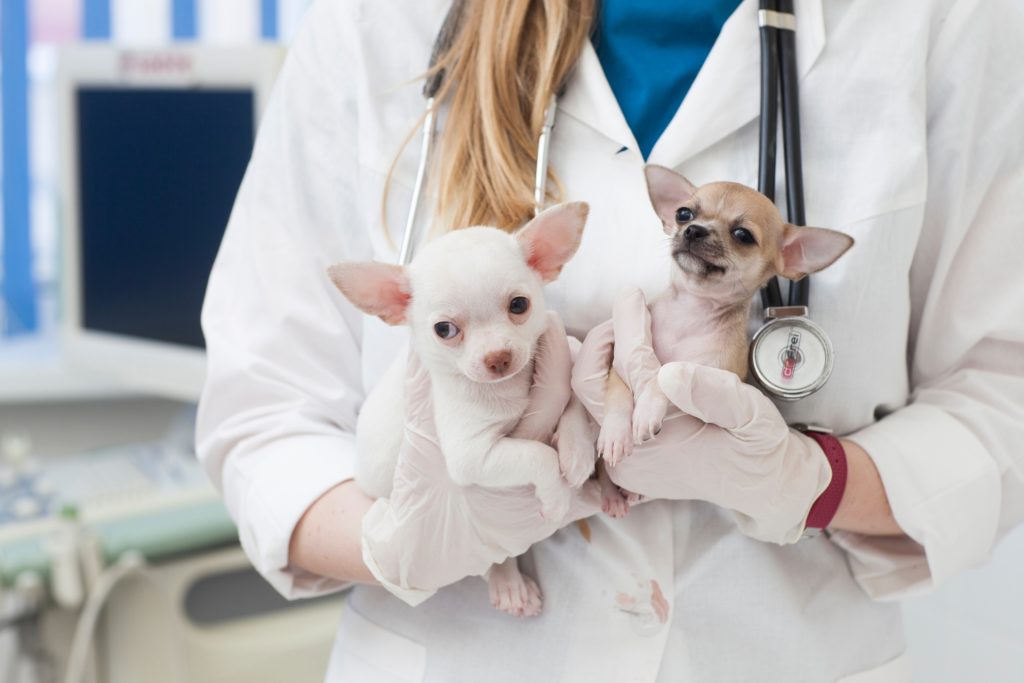
Genetic testing for pets plays an important role in the health management and breeding strategies of dogs and cats, improving the quality of life of pets through risk assessment for genetic diseases and confirmation of pedigrees.
1. Overview of Genetic Testing
Genetic testing is a technology that analyzes a pet’s DNA to reveal certain genetic characteristics and disease risks, allowing owners and veterinarians to understand their pet’s health status and future risks and take appropriate care and preventative measures.
2. Main purpose of genetic testing
Detection of genetic disorders
Certain dog and cat breeds are susceptible to diseases caused by genetic factors. By identifying the risk of these diseases in advance through genetic testing, early measures and treatments can be taken. For example, degenerative myelopathy and progressive retinal atrophy are known to occur in toy poodles, while osteodysplasia and neuronal ceroid lipofuscinosis are known to occur in miniature dachshunds. citeturn0search8
b. Pedigree confirmation and breeding plan
In breeding, it is important to ensure the purity of bloodlines and genetic diversity. Genetic testing can be used to confirm bloodlines and avoid inbreeding, contributing to the birth of healthy offspring. A study by Thermo Fisher Scientific reports that advanced genetic techniques and information are being used to confirm bloodlines and check genetic health in dog and cat breeding. citeturn0search4
3. Specific examples of genetic testing
a. Genetic testing for dogs
Each breed of dog has its own genetic disease. For example, hyperuricemia and factor VII deficiency have been reported in miniature schnauzers, and progressive retinal atrophy has been reported in Yorkshire terriers. Genetic testing can identify the risk of these diseases, allowing for early prevention and treatment. citeturn0search8
b. Genetic testing for cats
Cats are also susceptible to hereditary diseases, and risk assessment is possible through genetic testing. For example, by examining the DNA of parent cats and ancestors in detail, it is said that the risk of hereditary diseases can be understood to some extent.
4. Advances in genetic testing and future prospects
In recent years, genetic testing technology has made great strides, making it possible to detect more diseases and traits. For example, Mars Petcare and the Broad Institute are creating an open access database of the dog and cat genomes to promote preventative pet care.
5. Precautions for genetic testing
The results of genetic testing are merely a risk assessment and do not necessarily mean that your pet will develop a disease. It is important to consult with a veterinarian or other specialist regarding the interpretation of the test results and how to respond.
6. Choosing a Genetic Testing Service
Currently, many companies offer genetic testing services for pets. It is important to compare the service content, test items, costs, etc. and choose a reliable service. For example, VEQTA Inc. and Pontely offer genetic testing services.
In addition, overseas genetic testing services such as Wisdom Panel and Embark are also widely used, providing breed identification, health risk analysis, and ancestry analysis for dogs and cats. When choosing a service, it is important to check the accuracy of the test, the types of genes targeted, and whether there is detailed support for interpreting the results. In addition, it is a good idea to consider whether there is a system in place to consult with veterinarians and genetic counselors to make appropriate use of the test results.
8. Genetic testing and pet diet management
Genetic testing is used not only for pet health management, but also for nutritional management. Understanding your pet’s genetic characteristics allows you to choose the optimal diet and support a healthier life.
1. The relationship between food allergies and genes
Some dogs and cats have allergies to certain ingredients. It is believed that genetic factors play a role in the development of food allergies, and genetic testing can identify risk.
a. Gluten intolerance
Some dog breeds (e.g. Irish Setters) are known to be at higher risk of developing gluten intolerance (celiac disease), a condition in which the gluten found in wheat causes intestinal inflammation, leading to digestive problems and impaired nutrient absorption.
Solution
Feed them a gluten-free diet.
Choose meals that feature specific protein sources (e.g., lamb, salmon, etc.).
As cats grow, the activity of the enzyme that breaks down lactose (lactase) decreases, making it difficult for them to digest milk and dairy products. Genetic testing can be used to predict the activity level of this enzyme and provide appropriate dietary management.
Obesity is one of the factors that greatly affect the health of pets. It has been found that some genes (FTO gene, MC4R gene, etc.) are involved in the accumulation of body fat and appetite regulation.
a. MC4R gene and appetite regulation
Dogs with this genetic mutation tend to have a strong appetite and have difficulty feeling full, which increases the risk of overeating.
Solution:
Control your food intake and maintain an adequate calorie intake.
Choose high-protein, low-fat meals to keep you feeling fuller for longer.
b. The relationship between athletic ability and genes
Genetic testing can also help you understand your pet’s athletic traits – for example, the ACTN3 gene influences muscle contraction speed, determining whether they are an endurance or explosive breed.
Dogs with the R type of the ACTN3 gene have excellent explosive power and are good at short distance running and jumping.
Dogs with X-type tendons have excellent endurance and are well suited to long periods of exercise.
You can use this information to optimize your pet’s exercise plan.
Pet behavior is influenced by genetic as well as environmental factors. Genetic testing can help identify certain behavioral tendencies and select appropriate training methods.
① The relationship between aggression and genes
The MAOA gene is involved in the metabolism of neurotransmitters such as serotonin and dopamine and is known to affect aggression and stress resistance.
Dogs with certain MAOA polymorphisms are more likely to become stressed and exhibit aggressive behavior.
Mutations in the serotonin receptor (HTR1A, HTR2B) genes can also affect anxiety and impulsive behavior.
With this information, it is important to provide proper socialization training at an early stage.
Genetic testing for pets not only contributes to health management and breeding planning, but also to optimizing diet, exercise and behavioral traits . Evidence-based care can improve the quality of your pet’s life and create a longer, healthier relationship.
10. Genetic testing and breeding optimization
Genetic testing is an important tool in pet breeding, as knowing the correct genetic information can help ensure healthy offspring and minimize the risk of genetic diseases.
① Avoiding the risks of inbreeding
Inbreeding reduces genetic diversity and increases the risk of genetic diseases. Health problems caused by inbreeding are of particular concern in purebred dogs and cats.
a. Calculation of inbreeding coefficient (COI)
Using genetic testing, it is possible to calculate the Coefficient of Inbreeding (COI).
When COI is less than 10% , genetic diversity is ensured and the health risk is relatively low.
If COI is 25% or higher , the risk of genetic diseases increases and breeding plans should be reviewed.
By calculating the COI and mating genetically distant individuals, we can produce healthy puppies and kittens.
Certain dog and cat breeds may be experiencing a significant decline in genetic diversity. For example, there are concerns that the gene pool of popular breeds such as the Border Collie and Siamese is shrinking.
Introduce new bloodlines and improve genetic diversity.
Genetic testing will be used to optimize breeding plans by selecting individuals with different genetic backgrounds .
Genetic testing and excluding individuals with the genetic mutations associated with these diseases from breeding can ensure the health of future generations.
11. Genetic testing for pets and the future of medical care
Genetic testing technology is also bringing about major innovations in the field of pet medicine, enabling early diagnosis, personalized medicine, and preventative treatment, which is expected to extend the lifespan of pets.
① Personalized medicine and targeted treatment
Genetic testing of pets makes it possible to select the right treatment for each individual animal.
a. Optimization of cancer treatment
In recent years, genetic testing for cancer has been used in dogs and cats as well, and targeted treatments are now being administered.
BRAF gene mutations : Involved in canine bladder cancer, and specific molecular targeted drugs are effective against this condition.
KIT gene mutations : Used to determine the treatment strategy for mast cell tumors (MCTs).
Genetic testing can help determine which treatments will be most effective and avoid unnecessary side effects.
Genetic testing of pets has made a significant contribution to optimizing health management, breeding, and medical care , and further technological innovation is expected in the future. Breeders and owners are being urged to utilize scientific information to create better breeding and care environments for their pets.
12. Genetic testing and elucidation of the mechanisms of aging
A pet’s lifespan is determined by a combination of genetic and environmental factors. In recent years, advances in genetic testing have helped identify genes involved in aging, providing new approaches to extending the healthy lifespan of pets.
① The relationship between telomeres and aging
Telomeres exist at the ends of chromosomes and play an important role in determining the lifespan of cells. When telomeres shorten, cell division stops and aging progresses.
a. TERT gene and telomere length
The TERT (telomerase reverse transcriptase) gene is a gene that directs the production of an enzyme responsible for repairing telomeres. It has been reported that low activity of this gene in dogs and cats increases the risk of age-related diseases (arthritis, heart disease, kidney disease, etc.).
Countermeasure:
Consuming antioxidant foods (vitamin E, selenium) reduces damage to telomeres.
The SIRT1 (Sirtuin 1) gene is involved in cellular stress response and energy metabolism, and has the function of suppressing the progression of aging. By increasing the activity of SIRT1, it is possible to extend the healthy lifespan of pets.
13. Genetic testing and environmental adaptability
By analyzing your pet’s genetic information, we can evaluate its ability to adapt to different climates and environments and provide it with the optimal living environment.
① Genetic factors of low and high temperature tolerance
Different breeds of dogs and cats have different tolerances to heat and cold. This is related to the **UCP1 gene (uncoupling protein 1)**, and it has been reported that expression of this gene is high in dog breeds adapted to cold climates.
a. Characteristics of cold-climate adapted dog breeds
Cold-climate dog breeds such as Siberian huskies and Alaskan malamutes have high expression of the UCP1 gene and have excellent thermoregulation functions.
Their thick fur and subcutaneous fat help reduce energy consumption in cold environments.
Countermeasure:
Although they are suitable for keeping in cold climates, they are at high risk of heatstroke in hot and humid environments, so air conditioning is required.
b. Characteristics of heat-resistant dog breeds
Dog breeds native to tropical regions, such as Basenjis and African Lion Dogs , have short fur and are able to regulate their body temperature easily.
Mutations in the melanocortin receptor (MC1R) gene may confer increased sun tolerance.
Countermeasure:
They can easily adapt to high temperature environments, but if they become too dry, the risk of skin diseases increases, so humidity control is important.
14. The relationship between genetic testing and intestinal bacteria
Recent research has revealed that a pet’s health is closely related to its intestinal bacteria. Through genetic testing, it is possible to evaluate the balance of intestinal flora and provide appropriate dietary management.
① Intestinal flora and immune function
The type and balance of gut bacteria influences your pet’s immune system. The **TLR4 gene (Toll-like receptor 4)** is involved in the composition of gut bacteria and plays a role in regulating inflammatory responses.
Dogs with certain TLR4 mutations are more likely to develop an imbalance in their intestinal bacteria and inflammatory bowel disease (IBD).
Immune function improves when there are a lot of intestinal bacteria (Faecalibacterium, Lactobacillus, etc.) that produce short-chain fatty acids (SCFAs) .
Countermeasure:
Take in **prebiotics (dietary fiber, oligosaccharides) ** to increase the number of good bacteria.
**Probiotics (lactic acid bacteria, bifidobacteria) ** are supplemented to improve intestinal environment.
Genetic testing has made it possible to prevent aging, adapt to the environment, and manage gut bacteria, improving the health and quality of life of pets. By utilizing scientific knowledge, more personalized care will be possible, allowing you to enjoy more quality time with your pet.
15. Genetic testing and pet allergy management
Pet allergies are diverse, including food allergies and environmental allergies, and genetic factors play a major role. By utilizing genetic testing, it is possible to identify allergy risks in advance and take appropriate measures.
① Genetic factors in food allergies
Food allergies occur when pets have an exaggerated immune response to certain proteins or carbohydrates. In particular, the IL-4R gene (interleukin-4 receptor gene) is known to be involved.
a. IL-4R gene and allergy risk
Dogs with certain variants of the IL-4R gene tend to be at higher risk of developing food allergies.
Dogs with IL-4R mutations are more likely to exhibit hypersensitivity reactions to beef and wheat.
Mutations in the histamine-degrading enzyme (DAO) gene also influence the severity of allergic symptoms.
Vountermeasure:
Introduce an **allergen-free diet (hypoallergenic food) ** and avoid certain ingredients.
Consume **Omega-3 fatty acids (DHA and EPA) ** to suppress inflammation.
Gluten intolerance (celiac disease) is a disease that causes intestinal inflammation due to the inability to break down gluten contained in wheat. Mutations in the FUT2 gene have been suggested to increase the risk of developing this disease.
Countermeasure:
Choose gluten-free foods and avoid wheat products.
Genetic factors also play a role in allergies caused by environmental factors such as pollen, dust mites, and mold.
a. TLR2 gene and immune response
The TLR2 (Toll-like receptor 2) gene is involved in immune responses to bacteria and allergens, and certain mutations in this gene have been shown to increase the risk of developing environmental allergies.
Dogs with TLR2 mutations are more susceptible to hypersensitivity to dust mites and mold.
Decreased expression of the IFNG gene (interferon-gamma gene) is also a factor that worsens allergic reactions.
Countermeasure:
Use an air purifier to reduce indoor allergens.
Allergy symptoms are controlled with antihistamines and steroid therapy .
Additionally, genetic testing can help refine breeding programs: for example, analyzing genes related to coat color or body size can help select animals with desirable traits and produce healthy, genetically diverse offspring.
Summary
Genetic testing for pets is used in a wide range of areas, including health management, breeding plans, dietary management, allergy countermeasures, and stress resistance improvement. Understanding disease risks and genetic characteristics allows for more appropriate care and personalized medicine, improving the quality of life of pets. In breeding, it also helps to avoid inbreeding and ensure genetic diversity, making it an important tool for raising healthy offspring. Let’s use scientific data to aim for the best care for our pets.