





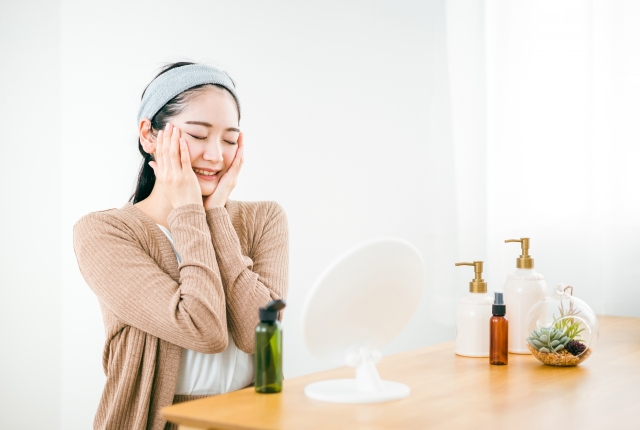
As we age, skin gradually loses firmness and elasticity, making wrinkles and sagging more noticeable. While these changes are part of the natural aging process, proper skincare can slow down their progression and help maintain a youthful appearance. Among the most effective options are lifting serums, formulated with concentrated active ingredients to tighten the skin from its foundation. However, since serums differ in ingredients, penetration technology, and texture, choosing one that does not suit your skin type or goals may lead to disappointing results. In this article, we explain in detail how to select a lifting serum effective against wrinkles and sagging, from the scientific background of ingredients to proper application methods.
Chapter 1: Understanding the Causes of Wrinkles and Sagging
The main causes of wrinkles and sagging include a reduction in dermal collagen and elastin, sagging of subcutaneous fat, and weakening of facial muscles. Photoaging from UV exposure is a particularly significant factor, as it accelerates collagen degradation. Glycation also reduces skin elasticity, leading to a yellowish dullness, while chronic dryness exacerbates the condition. Furthermore, age-related slowing of cell turnover hinders skin regeneration and results in the loss of firmness. Since these factors occur simultaneously, a multi-faceted approach is required rather than relying on a single method.
Chapter 2: Key Ingredients for Lifting Serums
The effectiveness of lifting serums largely depends on their ingredients:
Retinol (Vitamin A derivative): Promotes collagen production and strengthens dermal structure. Long-term use helps improve fine lines.
Peptides: Stimulate cell signaling, restoring skin firmness and elasticity. Signal peptides and carrier peptides are especially effective for lifting.
Vitamin C derivatives: Inhibit melanin production, promote collagen synthesis, and provide both brightening and firming benefits.
Hyaluronic acid and collagen: Enhance hydration, plumping the skin from within. A combination of high- and low-molecular-weight forms is ideal.
Botanical extracts (e.g., Argireline, caffeine): Support blood circulation, reduce puffiness, and help tighten the jawline.
Chapter 3: The Importance of Penetration Technology and Texture
Even with powerful ingredients, serums are less effective if they fail to penetrate the skin. Liposome and nanotechnology now encapsulate active ingredients, delivering them deeper into the stratum corneum. Texture also matters—rich serums adhere well for intensive care, while lightweight gel formulas provide a refreshing feel suitable for morning routines under makeup. Choose based on your skin type and usage scenario.
Chapter 4: Choosing by Skin Type
Dry skin: Serums rich in moisturizing ingredients with a balanced oil content are best.
Sensitive skin: Opt for gentle formulas free of alcohol or harsh additives; always patch test new ingredients.
Oily/combination skin: Choose lightweight serums with sebum-controlling ingredients.
Adapting your serum to seasonal changes or lifestyle habits also enhances effectiveness.
Chapter 5: Maximizing Results with Proper Application
Serums are typically applied after toner. Dispense an appropriate amount and gently spread it over the face, pressing into areas with wrinkles or sagging. Extend application to the neck and jawline for more natural lifting results. Use at night when ingredients work more effectively, and combine with UV protection during the day for synergy.
Chapter 6: The Importance of Consistency and Lifestyle
The effects of lifting serums are not immediate—at least 1–3 months of continuous use is necessary. At the same time, balanced nutrition, sufficient sleep, moderate exercise, and stress management all strengthen skin’s regenerative power. Smoking and excessive alcohol consumption impair circulation and collagen production and should be avoided.
Chapter 7: Scientific Background and Mechanisms of Action
Lifting serums work not just on the surface, but also target dermis and subcutaneous tissues. Skin elasticity is supported by collagen, elastin, and hyaluronic acid, which decline with age. Meanwhile, enzymes such as MMPs (matrix metalloproteinases) increase, degrading these structures.
Retinol: Stimulates fibroblasts to produce collagen and inhibits MMP expression.
Peptides: Support extracellular matrix formation and accelerate tissue repair.
Niacinamide: Boosts ceramide production, strengthening the barrier and reducing fine lines.
Such multi-pathway actions are what define lifting serums.
Chapter 8: Clinical Studies and Evidence
Clinical trials validate the efficacy of lifting serums. For instance, in a 12-week study of 50 women over 40 using a serum with 0.1% retinol, wrinkle depth improved by an average of 20%. Another study with a peptide-complex serum showed a 15% improvement in elasticity and an 18% improvement in facial contour after 8 weeks.
However, outcomes vary with usage duration, skin type, and lifestyle. When reviewing product data, check sample size and trial design for reliability.
Chapter 9: Synergy from Ingredient Combinations
Serums combining multiple active ingredients often outperform single-ingredient formulas. For example:
Vitamin C + Peptides: Enhance collagen synthesis and antioxidant protection, improving wrinkles and radiance simultaneously.
Retinol + Hyaluronic acid: Strengthen dermal structure while boosting hydration in the stratum corneum.
Such synergistic formulations are a key direction in serum development. However, some combinations increase irritation risk, so sensitive skin users should start with lower concentrations.
Chapter 10: Serum Selection by Age Group
Late 20s–early 30s: Preventive care is essential. Choose ingredients like Vitamin C derivatives and niacinamide to strengthen skin resilience.
Late 30s–40s: Early signs of sagging and fine lines appear. Incorporate retinol and peptides for deeper dermal repair, especially in night serums.
50s and beyond: Hormonal changes slow regeneration. Serums with strong moisturizers, antioxidants, and cell-activating ingredients are best. For sagging jawlines, firming agents like caffeine and adenosine are effective.
Chapter 11: Lifestyle Synergy with Serums
To maximize serum results, lifestyle adjustments are crucial. Sleep deprivation disrupts growth hormone secretion, impairing skin repair. Nutrients like protein, Vitamin C, and zinc are essential for collagen synthesis. Facial muscle exercises and massages promote circulation and tone. Year-round sun protection prevents photoaging, while smoking reduces oxygen supply to skin, halving serum efficacy.
Chapter 12: Practical Tips for Product Selection
Check ingredient lists: Ensure target ingredients appear near the top.
Review technology claims: Look for delivery and stabilization methods.
Packaging matters: Choose airless pumps or opaque containers to prevent oxidation.
Trial sizes: Test products for 1–2 weeks to check compatibility.
Budget: Select within a sustainable price range for long-term use.
Chapter 13: The Option of Dermatological Treatments
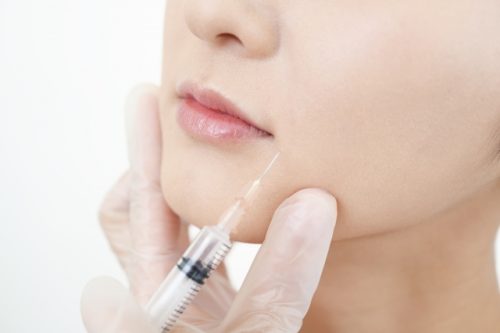
In addition to home care, dermatological treatments can enhance serum results. Laser and radiofrequency therapy stimulate collagen regeneration, improving serum absorption. Medical-grade serums, available only in clinics, may contain higher concentrations of active ingredients, delivering faster results. However, combining treatments and serums requires medical supervision to avoid irritation.







 Toll-free