






“Perfect in the morning, smudged by noon”—for many, this frustration is less about the makeup itself and more about the skincare routine beforehand. When the balance of skin’s moisture and oil is disrupted, excess sebum and dryness-induced flakiness cause foundation to separate, no matter how expensive it is. Based on dermatological insights, this article explores the morning skincare steps, ingredient choices, and seasonal adjustments necessary to prevent makeup breakdown and ensure a fresh, lasting finish.
1. The Three Main Causes of Makeup Meltdown and Skin Mechanisms
Makeup doesn’t simply deteriorate “naturally with time”; it’s strongly influenced by the skin’s condition and external environment.
1-1. Excess Sebum
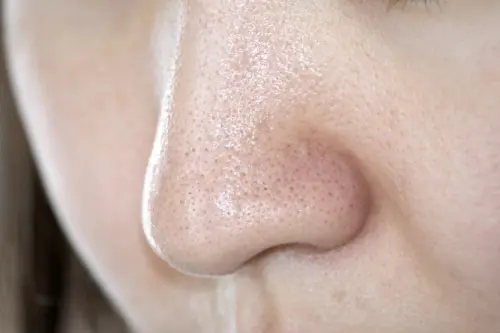
Sebum normally forms a thin film on the skin’s surface, protecting it from dryness and external stress. However, when overproduced, it reduces adhesion of foundation and primer, causing shine, smudging, and separation. The T-zone (forehead and nose) and around the nostrils are especially sebum-rich and prone to imbalance in hot, humid conditions. Hormonal changes and diets high in sugar and fat can also trigger sebum overproduction. Beyond appearance, oxidized sebum can cause blackheads and irritation, making morning oil control a vital step.
1-2. Dryness
Contrary to common belief, “dry skin = little oil” isn’t always true. When the skin lacks hydration, it overcompensates by secreting more oil, which ironically accelerates makeup breakdown. Low moisture in the stratum corneum disrupts skin texture, preventing foundation from adhering evenly and leading to cakiness. Dryness also weakens the skin barrier, making it more sensitive to external stressors. Seasonal factors such as winter’s low humidity and heating systems exacerbate dryness, often causing makeup to break down within hours if morning hydration is neglected.
1-3. Sweat and Humidity
Sweat mixes with sebum, dissolving makeup and creating uneven patches. High humidity prevents moisture on the skin’s surface from evaporating, causing foundation to separate. Whether from summer commutes, crowded trains, or sudden temperature shifts, sweat can quickly undo base makeup. Moreover, salts in sweat may irritate skin, causing redness and dryness, making both a resistant base and proper aftercare essential.
2. Correct Morning Skincare Steps
2-1. Cleansing to Remove Excess Sebum
During sleep, the skin produces sweat, sebum, and accumulates dead cells and dust. If left unwashed, these residues disrupt foundation adhesion and lead to clogged pores. Morning cleansing isn’t just about cleanliness—it’s about balancing sebum removal while preserving natural moisturizing factors.
Choosing the right cleansing method according to your skin type is also important.
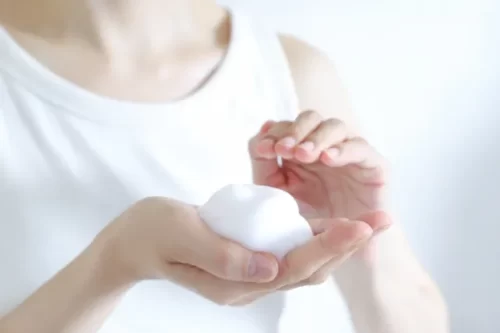
- Oily skin: Use a mildly acidic foaming cleanser that absorbs excess oil. Work fine foam gently, focusing on the T-zone.
- Dry or sensitive skin: Opt for lukewarm water or a mild cleanser with hyaluronic acid, ceramides, or amino acids. Avoid hot water (32–35°C is ideal).
Proper cleansing resets the skin for better absorption of subsequent products and improved makeup adherence. Over-washing or friction, however, worsens dryness and sensitivity.
2-2. Hydrating with Toner
Hydration is the foundation of long-lasting makeup. Dryness reduces adhesion, causing patchiness. Furthermore, dehydration triggers excess sebum production, worsening makeup breakdown.
Among moisturizing ingredients, hyaluronic acid works differently depending on its molecular size, and by combining different types, you can achieve both immediate and long-lasting hydration.
- High molecular weight hyaluronic acid: Forms a protective moisture film on the skin surface, preventing evaporation.
- Low molecular weight hyaluronic acid: Penetrates the stratum corneum, hydrating from within for long-lasting suppleness.
- Hydrolyzed hyaluronic acid: Rapidly penetrates, instantly relieving dryness and prepping skin for smooth foundation application.
For best results, apply toner with your hands using gentle pressing motions. Layering multiple times enhances hydration.
2-3. Conditioning with Serum
Serums deliver high concentrations of active ingredients to directly target skin concerns. Choosing the right one for your skin type improves makeup longevity.
For oily skin/sebum control:
When excess sebum is secreted, foundation tends to separate over time, making creasing and shine more noticeable. Especially for those with high sebum production in the T-zone, or during hot and humid seasons, incorporating a sebum-control serum is effective.
- Vitamin C derivatives
They moderately suppress sebum secretion and help tighten pores. In addition, their antioxidant effect prevents the oxidation of sebum, helping to reduce makeup breakdown and prevent blackheads. When used in the morning, they can minimize excess shine during the day and reduce the need for touch-ups. - Niacinamide
It not only balances sebum production but also strengthens the skin’s barrier, reducing inflammation and redness caused by external factors. Moreover, it promotes collagen synthesis, which helps improve enlarged pores and enhances skin firmness.
Serums for Preventing Dryness-Induced Makeup Breakdown
Dryness can unexpectedly trigger excessive sebum secretion, so for dry skin types or during autumn and winter, moisturizing-enhancing serums are essential. They prevent foundation from caking or flaking, keeping the skin surface even.
- Ceramide
Replenishes intercellular lipids in the stratum corneum and dramatically improves water retention. By strengthening the barrier function, it protects the skin from external stimuli and enables long-lasting hydration. - Squalane
With a structure similar to the skin’s natural sebum film, it gently covers the skin surface to prevent moisture evaporation. Despite its light texture, it provides high moisturizing power, making it easy to use before makeup without stickiness. - Glycerin
Has the ability to hold water and supports the penetration of other moisturizing ingredients. It is especially effective in improving makeup longevity in winter, when dryness is more pronounced, or in heated environments.
It is important to use serum after toner and before lotion or cream, pressing it gently with the palms to aid absorption. If you struggle with both sebum-related and dryness-related makeup breakdown, using vitamin C derivatives in the morning and ceramide-based products at night helps achieve both daytime makeup longevity and nighttime repair.
2-4. Locking in Moisture with Lotion and Cream
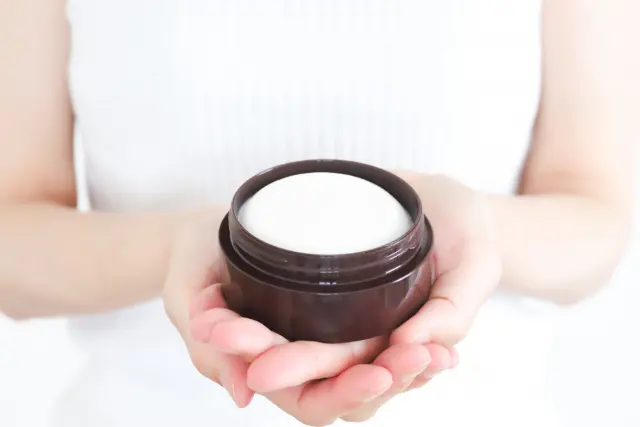
Lotion and cream, the final steps of skincare, play the role of a “protective film” that seals in the moisture delivered by toner and serum, while also shielding the skin from external stimuli. Moisture in the stratum corneum evaporates easily into the air, and without this final layer, even good moisturizing care loses half its effectiveness. Therefore, proper use of lotion and cream is a very important point that directly affects makeup longevity.
For Dry Skin
Dry skin lacks intercellular lipids and sebum, making it prone to water loss. Rich creams with plenty of oils are suitable. Products containing shea butter, petroleum jelly, or squalane form a strong protective barrier on the skin surface with high moisturizing power, keeping the skin moist for a long time. Especially in night care, they prevent water evaporation during sleep and help the skin feel plumper the next morning.
For Oily Skin
Although oily skin may appear hydrated, it is often “inner dry,” meaning dehydrated inside. Using creams with too much oil can cause shine and makeup breakdown. Gel-type or lotion-type products that replenish water while adding light oils are recommended. Choose those containing hyaluronic acid, amino acids, or niacinamide, which excel in water retention and balancing sebum.
Tips for Use
Apply lotion or cream while the skin is still slightly damp after toner and serum. Compared to applying on dry skin, moisture and oils blend better, prolonging moisturizing effects. Gently spread from the center of the face outward, layering more on dry-prone cheeks and around the mouth to form an even protective film.
2-5. UV Care Before Makeup
UV care before makeup is indispensable not only for preventing photoaging, spots, and dullness caused by UV rays, but also for stabilizing skin condition during the day and preventing makeup breakdown. UV rays include UV-A, which penetrates deep into the skin and reduces elasticity, and UV-B, which causes inflammation and sunburn on the skin surface. Both shine year-round, and UV-A penetrates even on cloudy days or through windows indoors, making daily protection essential regardless of season or weather.
How to Choose Sunscreen
- Choose SPF30+ and PA+++ or higher for everyday life and light outings.
- For summer or prolonged outdoor activities, use high-protection SPF50・PA++++ types.
- For oily or combination skin, lightweight gels or milk types are suitable; for dry skin, cream types with moisturizing ingredients are recommended.
How to Apply
Sunscreen should be applied as the final step of skincare, before primer. The appropriate amount is about two pearl-sized drops (approx. 0.8–1g) for the whole face. Place on five points (forehead, both cheeks, nose, and chin) and spread evenly from the center outward. Don’t forget the neck, behind the ears, and the hairline to prevent uneven tanning.
Importance of Reapplication
Sunscreen effectiveness decreases over time, so reapply every 2–3 hours. For touch-ups over makeup, UV-cut powders, mists, or cushion foundations are convenient.
Physical Protection
For further effectiveness, combine with physical UV protection such as hats, parasols, and sunglasses. Especially in summer and spring when UV levels are high, combining sunscreen with physical barriers is highly effective in preventing photoaging.
3. Choosing Ingredients to Prevent Makeup Breakdown
3-1. Moisturizing Ingredients
Moisturizing is the most important foundation for preventing makeup breakdown. When the skin retains sufficient water, foundation adheres better, and caking or flaking is less likely during the day.
Ceramide: The main component of intercellular lipids, linking corneocytes and retaining water. It decreases with aging or over-washing. Supplementing it strengthens the barrier and protects against dryness and external stimuli. Especially useful before makeup to prevent dryness-induced breakdown.
Squalane: An antioxidant oil similar to the natural sebum film. It creates a thin film to prevent evaporation and protect from external factors. Its light texture makes it non-greasy, even for oily or combination skin.
Glycerin: A humectant that traps water in the stratum corneum. Also acts as a booster, enhancing penetration of other moisturizing ingredients. Using it after toner or serum keeps the skin hydrated for longer.
3-2. Sebum-Control Ingredients
Shine and floating foundation in the T-zone can be improved by balancing sebum secretion. Prepping with sebum-control ingredients in skincare before makeup dramatically enhances longevity.
Vitamin C derivatives: Suppress sebum secretion, tighten pores, and provide strong antioxidant protection against sebum oxidation. They also prevent dullness and blackheads. Morning use reduces shine and aids UV protection.
Niacinamide: Normalizes sebum secretion, suitable for oily or acne-prone skin. It also strengthens the skin barrier and reduces dryness or redness, while promoting collagen synthesis for firmness.
Salicylic acid: A BHA that dissolves keratin plugs and prevents clogging. Excellent at preventing sebum oxidation. Effective for pre-primer care of the nose and T-zone. Low-concentration formulations are suitable for daily use.
3-3. Anti-Aging Ingredients
Adding anti-aging ingredients before makeup boosts firmness and elasticity, enhancing the look of makeup during the day.
Retinol: Promotes collagen production, improving fine lines and enlarged pores. Mainly used at night, but low-irritation formulas may be suitable for morning. Continuous use increases firmness and improves makeup adherence.
Peptides: Support skin cell repair and maintain elasticity. They enhance regeneration reduced by aging and UV damage, keeping post-makeup plumpness.
Vitamin E: A strong antioxidant protecting against oxidized sebum and reactive oxygen species from UV exposure. It also improves circulation, brightening dull skin.
4. Techniques to Prevent Makeup Breakdown with Primer
Primer bridges skincare and makeup. Choose according to skin concerns.
Sebum-absorbing types (with silica and clay): Specialize in preventing shine in sebum-active areas like the T-zone and nose.
Silica absorbs sebum, keeping the surface smooth.
Clay (kaolin, bentonite, etc.) absorbs excess oil and impurities, blurring pores and supporting long-lasting makeup.
Use on oily areas only to maintain balance.
However, do not use it alone on areas prone to dryness; applying it only to the T-zone as a spot treatment helps maintain balance.
Moisturizing type (with hyaluronic acid and glycerin): A primer containing moisturizing ingredients is essential to prevent makeup breakdown caused by dryness.
The moisturizing effect of hyaluronic acid varies depending on its molecular size: high-molecular-weight types form a moisturizing film on the skin surface, while low-molecular-weight types penetrate into the stratum corneum to hydrate from within.
Glycerin retains moisture and also enhances the adhesion of foundation applied afterward, making it ideal for preventing flaking on dry skin and around the cheeks and mouth.
Moisturizing primers are suitable for the dry seasons of autumn and winter, as well as for those who spend long hours in air-conditioned environments.
Color-correcting types: Adjust uneven skin tones, dullness, or redness for a more even appearance with less foundation.
- Green: reduces redness and acne marks.
- Purple: corrects yellow dullness, boosting clarity.
- Pink: adds a healthy flush, brightening complexion.
- Yellow: naturally balances dullness and uneven tones.
Color-correcting primers can also be used selectively according to specific skin concerns. This helps avoid heavy foundation application, resulting in a natural and long-lasting finish that is less prone to caking.
5. Seasonal Makeup Breakdown Prevention
- Spring/Autumn: Barrier easily weakened by pollen and dryness. Protect with ceramide.
- Summer: Use sebum-absorbing powder primers + waterproof sunscreen.
- Winter: High-moisture cream + humidifier to keep indoor humidity at 50–60%.
6. Morning Skincare Mistakes
Starting makeup immediately after skincare
Applying foundation right after toner, serum, or lotion leads to poor adhesion, as the products have not settled. Especially with lotion/cream oils remaining, base makeup floats and wears off faster. Wait 1–3 minutes until the skin feels set before applying makeup.
Overloading oils, causing foundation to slide
Applying too much oily cream or oil to prevent dryness reduces adhesion, causing sliding and unevenness. Particularly for oily skin or T-zones, apply only to dry-prone areas. In the morning, prioritize water + a light protective film rather than excess oil.
Skipping sunscreen, exposing skin to damage
Skipping sunscreen even on cloudy or indoor days is a mistake. UV-A penetrates glass and clouds, causing elasticity loss (photoaging). UV rays exist year-round, so daily protection is essential. Choose SPF30+/PA+++ or higher based on your outing needs.
Conclusion
Most makeup breakdown is determined not by makeup technique, but by the quality of skincare. By balancing the skin’s water and oil, selecting appropriate ingredients, and preparing with primer, foundation adhesion and longevity increase significantly. Review your morning skincare starting today and keep your skin confident until evening.






 Toll-free