




Seasonal transitions, especially from winter to spring or from summer to autumn, are the times when skin troubles are most likely to occur. Changes in temperature and humidity can significantly affect the condition of your skin, leading to dryness, acne, or sensitivity. To prevent these seasonal skin problems, proper skincare is essential. In this article, we introduce skincare ideas tailored to each season to help you address changing skin concerns and maintain healthy skin throughout the year.
Chapter 1: Causes and Characteristics of Seasonal Skin Problems
The skin is greatly affected by external environmental factors. As a result, its condition changes with each season, and the types of problems that arise also differ. Issues such as dryness, humidity, and UV exposure require tailored care appropriate for every season.
1.1 Dry Skin and Humidity-Related Oily Skin
Dry skin is particularly problematic in winter. Low temperatures and low humidity make the skin more prone to dryness, which weakens its barrier function. When the skin becomes dry, the surface may feel rough and develop itching or even cracks. Spring and autumn can also be drying seasons due to the temperature differences between morning and evening.
On the other hand, humidity-related oily skin is a common issue in summer. High humidity combined with sweat leads to excessive sebum production, making the pores more likely to become clogged. When sebum builds up in the pores, it can cause acne, breakouts, and overall skin irritation. To manage this, it is important to use skincare products with lighter or reduced oil content.
1.2 The Effects of Ultraviolet (UV) Rays
UV rays affect the skin not only in summer but throughout the year. In particular, from spring to autumn, UV exposure can accelerate skin aging. Damage from UV rays may cause dark spots, wrinkles, and sagging. In addition, UV radiation worsens dryness and weakens the skin’s natural barrier, which is why extra caution is needed. Effective protection includes not only the regular use of sunscreen but also wearing hats and sunglasses to shield the skin directly from UV exposure.
1.3 Poor Blood Circulation Caused by Temperature Differences
Seasonal temperature differences also affect the skin. In particular, the cold of winter and the temperature changes caused by heating and cooling in spring and autumn can lead to poor blood circulation, which disrupts the skin’s natural turnover cycle. When this cycle is disturbed, the skin may become dull and dry. Prolonged poor circulation can also make the complexion look unhealthy. Washing your face with warm water or incorporating gentle massages can help stimulate blood flow and support healthier skin.
Chapter 2: Winter Skincare to Prevent Skin Problems
2.1 Dryness Prevention and Moisturization
Winter is a season when dryness becomes especially severe. The dry air quickly depletes the skin’s moisture, making it prone to irritation. To prevent dry skin, moisturizing is essential. In winter skincare, using hydrating ingredients such as hyaluronic acid and ceramides is particularly effective. These ingredients help the skin retain moisture and protect it from excessive dryness.
After cleansing, it is important to apply toner immediately to replenish the skin’s moisture, followed by a cream or oil to lock it in. Washing your face with warm water also helps, as it prevents the skin from losing excessive moisture and keeps dryness under control.
2.2 Heating and Dryness Prevention
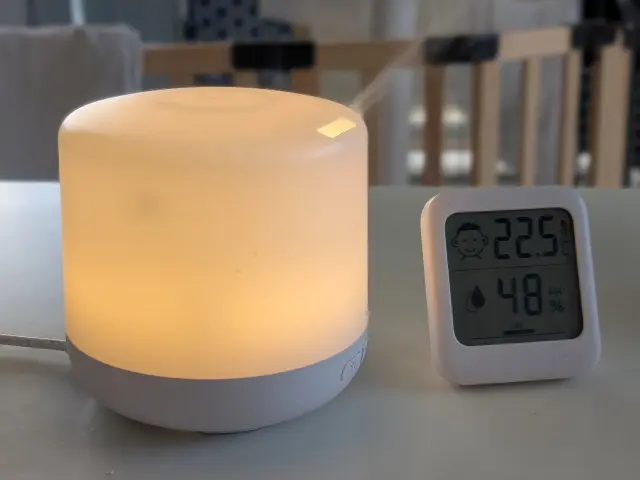
Indoor heating is also a major cause of dryness. In heated rooms, using a humidifier helps maintain proper humidity levels. When the air is too dry, the skin becomes rough and flaky, so it is important to add moisture to the environment regularly. If you do not have a humidifier, hanging a damp towel in the room can also be an effective alternative.
2.3 Winter UV Protection
Even in winter, ultraviolet (UV) rays are still present. In fact, the reflection from snow can intensify UV exposure and cause damage to the skin. To protect yourself, it is important to use sunscreen every day. Be sure to apply it carefully to exposed areas such as the face, neck, and hands, especially when going outside. Additionally, using hats and scarves can be an effective way to shield your skin from harmful UV rays.
Chapter 3: Spring Skincare to Prevent Skin Troubles
3.1 Allergy Prevention and Sensitive Skin Care
Spring is the season of pollen. When pollen and dust stick to the skin, they can trigger irritation and lead to breakouts. In some cases, allergic reactions may also appear on the skin. To prevent this, it is important to cleanse thoroughly and wash away pollen and impurities. For those with sensitive skin, choosing gentle skincare products with minimal irritation and caring for the skin softly is especially important.
3.2 UV Protection and Sunscreen
Spring sunlight can be surprisingly strong, so it is important to use sunscreen consistently. As the weather warms up, people tend to spend more time outdoors, making UV protection especially necessary. Choose a sunscreen with SPF 30–50 for strong protection, and remember to reapply it regularly throughout the day.
3.3 Coping with Spring Temperature Fluctuations
In spring, the chilly mornings and evenings combined with warmer daytime temperatures can make the skin prone to dryness. It is important to focus on skincare in the morning and at night, ensuring thorough hydration. During the day, pay attention to UV protection when going outside, and indoors, maintain proper humidity to help prevent dryness.
Chapter 4: Summer Skincare Tips to Prevent Skin Problems
4.1 Preventing Skin Problems Caused by Sweat and Excess Sebum
In summer, high temperatures lead to increased sweat and sebum production. As a result, pores can become clogged, making breakouts and blemishes more likely. Washing your face regularly to remove excess oil is important. Using oil-free cosmetics can also help control excessive sebum secretion and keep the skin clearer.
4.2 Sunscreen and Hydration
During the summer, when UV rays are particularly strong, it is important to use sunscreen with SPF 50 or higher and reapply it every 2–3 hours. In addition, since sweating leads to a loss of moisture, you should keep your skin hydrated by using a mist-type toner. Staying well hydrated by drinking enough water is also essential.
4.3 Summer Dryness Care
Dryness caused by air conditioning should not be overlooked. Using a humidifier near the air conditioner is important to help protect your skin from drying out. In addition, if you spend long periods in an air-conditioned room, it is effective to wash your face regularly to remove sweat and excess sebum.
Chapter 5: Skincare to Prevent Autumn Skin Problems
5.1 Supporting Skin Turnover
In autumn, skin turnover becomes more active, and old keratin naturally peels off. To support this process, it is important to perform proper exfoliation care. When using peels or scrubs, be sure to choose gentle products that are kind to the skin.
5.2 Heating and Cooling Countermeasures with Moisturization
In autumn, the use of heating and cooling systems can make the air dry more easily. To protect your skin from dryness indoors, it is recommended to use a humidifier or apply moisturizers designed to prevent dry skin.
5.3 UV Protection in Autumn
Autumn sunlight can be unexpectedly strong, so it is recommended to continue using sunscreen during this season. Extra caution is needed during activities such as mountain climbing or other outdoor pursuits.
Chapter 6: Skincare Methods to Prevent Dryness and Humidity-Related Issues
6.1 Dry Skin Care
For dry skin, thorough moisturizing care is essential. Using moisturizing ingredients such as hyaluronic acid or ceramides is effective for replenishing and retaining moisture in the skin. In addition, using a humidifier to maintain indoor humidity can also help prevent dryness.
6.2 How to Control Sebum Secretion Caused by Humidity
When humidity is high, sebum production tends to increase, which can clog pores and lead to acne. Using a sebum-absorbing type of toner can help keep the skin feeling fresh and balanced.
6.3 Year-Round Skincare Practices
While skin concerns may change with the seasons, there are also basic care routines that should be practiced year-round. Following the three essential steps of cleansing, washing, and moisturizing every day helps maintain healthy skin while minimizing stress or damage.
Chapter 7: Cosmetics and Skincare Items to Use Differently by Season
7.1 Choosing Skincare Products for Summer and Winter
In summer, lightweight lotions and emulsions with refreshing textures are popular, while in winter it is important to choose creams with strong moisturizing power. By switching skincare products according to the season, you can better protect your skin.
7.2 How to Choose Skincare Items According to the Season
It is important to choose skincare items according to the condition of your skin. For example, in winter, creams rich in oils are suitable, while in summer, lighter gel-type products are a better choice.
7.3 Special Skincare
During seasonal transitions, it is also recommended to use packs or masks as special care. If your skin feels unbalanced, try using a mask with rich moisturizing ingredients to refresh and restore your skin.
Chapter 8: The Relationship Between Diet and Skincare
8.1 Seasonal Dietary Adjustments
Skin health is influenced not only by external care but also by diet. In winter, eating vegetables rich in vitamin C helps boost the skin’s immunity, while in summer, it is important to stay well-hydrated to maintain the skin’s moisture balance.
8.2 Foods That Are Good and Bad for the Skin
Foods that are good for the skin include fruits and vegetables rich in vitamin C, as well as fish containing omega-3 fatty acids. On the other hand, greasy meals and processed foods can have a negative impact on the skin.
8.3 The Synergistic Effect of Diet and Skincare
By combining a healthy diet with proper skincare, you can keep your skin in its best condition. Aim for a well-balanced diet and take care of your skin from the inside out.
Chapter 9: The Relationship Between Lifestyle Habits and Skin
9.1 The Relationship Between Sleep and Skin
Adequate sleep is essential for healthy skin. Growth hormones released during sleep help repair the skin. It is important to ensure 7 to 8 hours of sleep each day.
9.2 Stress Management and Skincare
Stress is one of the factors that negatively affect the skin. Making time to relax and reduce stress has a positive impact on skin health.
9.3 Exercise and Skin Improvement
Engaging in moderate exercise promotes blood circulation, making it easier for essential nutrients to reach the skin. After exercising, be sure to rehydrate to protect the skin from dryness.
Chapter 10: Conclusion and Practical Advice
10.1 The Importance of Practicing Seasonal Skincare
To prevent seasonal skin problems, it is important to adjust your skincare methods flexibly. By tailoring your routine to the changes in your skin throughout the seasons, you can maintain healthy and resilient skin.
10.2 Consistent Skincare and Daily Efforts
To prevent skin troubles, it is essential to maintain your daily skincare routine without neglect. By continuing proper care, you can minimize skin problems and achieve healthy, beautiful skin.
10.3 In Conclusion
To prevent seasonal skin problems, both prevention and proper care are essential. By choosing skincare that matches your skin’s condition, you can maintain healthy and radiant skin.







 Toll-free