




Face masks are a convenient item to support skin care, but if used incorrectly, they may not deliver their full benefits. By applying them properly, you can maximize their effectiveness, keeping your skin hydrated while achieving a brighter and smoother complexion. This article will explain in detail how to use face masks correctly and what precautions to keep in mind in order to get the best results.
Chapter 1: The Basic Benefits and Types of Face Masks
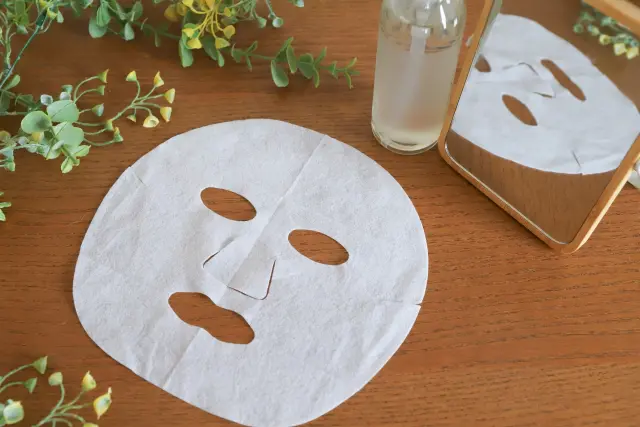
A face mask is a skincare item that delivers essential ingredients to the skin intensively, allowing you to feel the effects in a short time. Types include sheet masks, cream-based masks, clay masks, and gel masks, each with its own characteristics and methods of use.
1.1 The Basic Benefits of Face Masks
Face masks not only replenish the skin with essential nutrients and moisture but also promote skin turnover and leave the skin feeling smooth and supple. Depending on their purpose, they can provide a variety of benefits such as hydration, anti-aging care, pore care, and brightening. These effects can be maximized when face masks are used correctly. With regular use, the skin absorbs ample moisture, texture becomes more refined, and transparency improves. Masks with anti-aging properties help reduce wrinkles and sagging, supporting skin firmness, while hydrating masks protect against dryness and deliver a soft, moisturized feel.
1.2 Types of Face Masks and How to Choose Them
Sheet masks and cream-based masks are rich in moisturizing ingredients, making them ideal for dry skin. Sheet masks adhere closely to the skin, allowing the ingredients to penetrate effectively. Cream-based masks are gentle on dry and sensitive skin, delivering nutrients slowly and deeply. Clay masks and gel masks help remove impurities from the pores, making them suitable for oily or combination skin. Clay masks penetrate deep into the pores to absorb dirt, while gel masks have a light texture that leaves the skin feeling refreshed. Choosing the right type of mask according to your skin type and concerns is the first step toward effective skincare.
Chapter 2: Preparation Before Using a Face Mask
To use a face mask effectively, proper preparation is essential. It is important to condition the skin and create an environment that allows the mask’s ingredients to be absorbed more easily.
2.1 Preparing the Skin After Cleansing
Before using a face mask, it is essential to cleanse your face thoroughly. Cleansing opens up the pores and removes dirt and excess sebum, allowing the ingredients of the mask to penetrate more effectively. After washing, gently pat the skin with a towel to remove moisture. Choose a cleanser that is gentle on the skin, and avoid scrubbing too hard—wash softly instead. After cleansing, the skin is in an ideal condition to absorb nutrients, making this step crucial for maximizing the benefits of a face mask.
2.2 Incorporating Exfoliation into Your Routine
Using a face mask on skin with a buildup of dead cells may prevent it from working effectively. By exfoliating once or twice a week, the skin becomes smoother and allows the mask’s ingredients to penetrate more deeply. Products such as scrubs or enzyme powders help remove dead skin cells, leaving the skin renewed. Regular exfoliation brightens the complexion and improves how makeup applies. However, over-exfoliating can damage the skin, so it is important to keep the frequency moderate.
2.3 Warming the Skin Before Applying a Face Mask
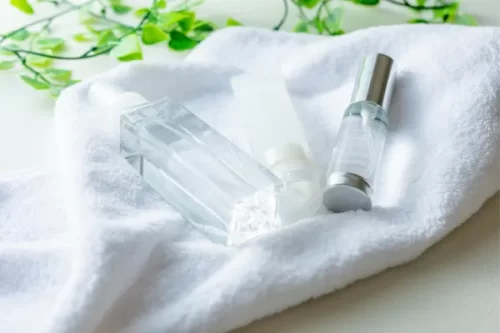
Warming the face before applying a mask helps promote blood circulation, making it easier for the ingredients to be absorbed into the skin. A common method is to use a warm towel, placing it on the face for a few minutes before applying the mask. The warmth relaxes the skin and prepares it for deeper absorption of the ingredients. Improved blood flow also enhances the effectiveness of the mask, leading to healthier-looking skin the next day.
Chapter 3: The Proper Use of Face Masks and Effective Application Methods
To maximize the benefits of a face mask, it is important to pay attention to how it is used and applied.
3.1 Applying the Right Amount of Face Mask
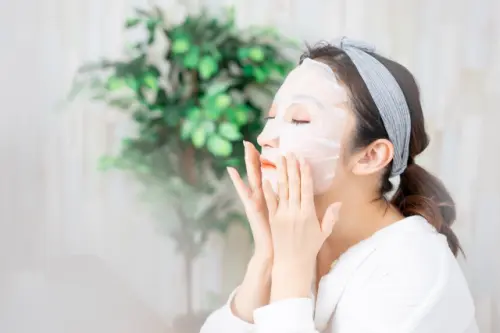
When applying a face mask, it is important to use the right amount. Too little will reduce its effectiveness, while too much can make the skin feel heavy. The mask should be spread evenly across the entire face. For sheet masks, ensure they fit snugly to the contours of the face. For cream-based masks, apply a thin and even layer, allowing it to blend well into the skin. Be careful not to overapply—a thin layer helps the skin breathe more easily and promotes better absorption of the ingredients.
3.2 Following the Recommended Duration for Face Masks
Face masks come with recommended usage times, and it is important to follow them. Leaving a mask on for too long can cause it to dry out and even draw moisture away from the skin. For sheet masks, the general guideline is around 10 to 15 minutes. Cream-based masks should also be used within the proper time frame and not left on for too long. By following the recommended duration, the skin can fully absorb the moisture and nutrients from the mask, maximizing its benefits.
3.3 Don’t Forget Post-Mask Skincare
After removing a face mask, gently massage the remaining essence into the skin to enhance absorption. Then, follow up with lotion or cream to lock in moisture, ensuring that the nutrients delivered by the mask stay in the skin for longer. This helps prolong the effects of the mask and keeps the skin hydrated throughout the day.
Chapter 4: The Frequency and Timing of Face Masks
Face masks can be used more effectively by adjusting their frequency and timing.
4.1 Once or Twice a Week as a General Guideline
It is not necessary to use a face mask every day. Using it once or twice a week is enough to experience noticeable benefits. Overuse may cause the skin to become accustomed to the ingredients, reducing their effectiveness. It is also helpful to use masks more intensively during seasonal changes or when your skin is not in its best condition. In addition, applying a mask when your skin feels dry or before a special occasion is highly recommended.
4.2 Using a Face Mask Before Morning Skincare
Incorporating a face mask into your morning skincare routine helps prepare the skin and improves how makeup applies. Even on busy mornings, simply using a sheet mask can provide a quick refresh. Applying a mask in the morning leaves the skin plump and hydrated, making makeup last longer. This is especially effective on dry winter mornings or when your complexion looks dull.
4.3 Using a Face Mask as Intensive Nighttime Care
Using a face mask at night is ideal for maximizing its effects while the skin is resting. Applying a mask before bed can significantly improve the condition of your skin by the next morning. It is especially recommended on dry winter nights or when focusing on anti-aging care. During sleep, the skin undergoes repair, leaving it feeling hydrated and refreshed in the morning.
Chapter 5: Post-Mask Skincare and Moisturizing
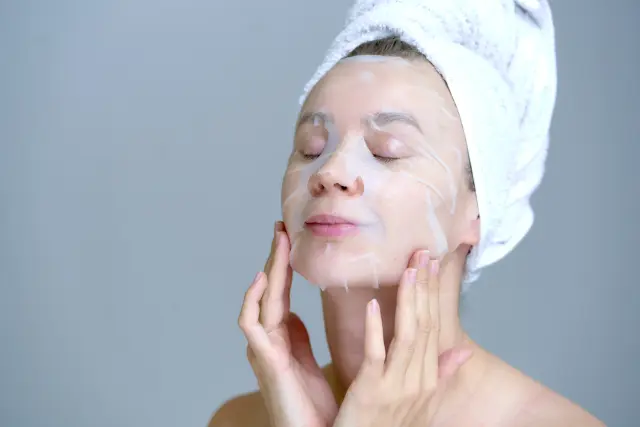
After using a face mask, it is important to care for your skin properly. Here are some key points to help you make the most of the mask’s benefits.
5.1 Thorough Moisturizing Care
After using a face mask, the skin becomes temporarily hydrated, but it is essential to follow up with proper moisturizing to lock in that moisture. Start by applying lotion or serum to replenish hydration, then seal it with a cream or oil to keep the skin soft and supple. This step is crucial for prolonging the effects of the mask. Pay extra attention to areas prone to dryness and moisturize them thoroughly.
5.2 Post-Mask Facial Massage
After using a face mask, the skin is soft and blood circulation is improved. Gently massaging at this time can help reduce facial puffiness and further enhance circulation. Using the pads of your fingers to massage gently also promotes lymphatic flow, resulting in a more defined and toned facial contour.
5.3 Care for the Eye and Mouth Areas
While face masks are applied to the entire face, the eye and mouth areas are particularly prone to dryness. After using a mask, apply a dedicated eye cream or lip balm to prevent dryness. This helps prolong the effects of the mask and can prevent fine lines caused by dehydration.
Chapter 6: Precautions When Using Face Masks
There are also important points to keep in mind when using face masks. Using them incorrectly can put stress on the skin, so it is essential to understand these precautions.
6.1 Adhering to the Recommended Mask Duration
It is important to use a face mask according to the recommended duration. Leaving it on for too long can actually cause dryness.
6.2 Choosing a Mask Suitable for Your Skin Type
Using a mask that does not suit your skin can actually cause skin problems. For those with sensitive or dry skin, it is best to choose masks that are gentle and rich in moisturizing ingredients.
6.3 Using Different Types of Masks Appropriately
There are various types of face masks, and it is important to choose them according to your skin’s condition. For example, use a hydrating mask when the skin feels dry, and a clay mask when pores are a concern. This way, you can incorporate them effectively into your skincare routine.
Chapter 7: The Relationship Between Face Masks and Diet
Relying on face masks alone may not be enough for perfect skincare. To achieve healthy skin, care from within is also important.
7.1 Consuming Vitamin C
Vitamin C is an essential nutrient for skin brightening and collagen production. By actively consuming it through your diet, you can complement the effects of face masks and work toward achieving healthy, radiant skin.
7.2 Consuming Healthy Fats
Healthy fats found in foods like avocados and nuts are essential for maintaining skin hydration. Paying attention to your diet helps support overall skin health.
7.3 Staying Properly Hydrated
Proper hydration is essential for maintaining skin moisture. Be mindful of your daily water intake to keep your skin hydrated from within.
Chapter 8: How to Use Face Masks According to the Season
The condition of your skin changes with the seasons. By adjusting how you use face masks according to the season, you can maximize their effectiveness.
8.1 Winter Dryness Care
In winter, dryness becomes more severe, so it is important to use masks rich in moisturizing ingredients. Focus especially on nighttime skincare to lock in hydration while you sleep.
8.2 Controlling Oil During Summer
In summer, sweat and sebum production increase. Using masks that remove impurities from the pores, such as clay masks or gel masks, can help control excess oil.
8.3 Maintaining Skin Balance in Spring and Autumn
Spring and autumn are periods when the skin’s condition can be unstable. Along with moisturizing, use masks designed for pore care or sensitive skin to help maintain your skin’s overall condition.
Chapter 9: Makeup After Using a Face Mask
After using a face mask, the skin is soft and well-infused with skincare ingredients. Applying makeup at this time allows it to adhere better and results in a more flawless finish.
9.1 Preparing the Skin with Lotion Before Makeup
Before applying makeup after a face mask, prepare your skin with lotion. This replenishes moisture and helps foundation apply more evenly.
9.2 Don’t Forget to Moisturize
After using a face mask, the skin feels hydrated, but it is important to moisturize thoroughly to prevent dryness. Use a moisturizing cream or serum to lock in the skin’s moisture.
Chapter 10: Conclusion
To maximize the benefits of a face mask, proper usage and follow-up care are essential. By selecting the type of mask and timing according to your skin’s condition and using it correctly, you can maintain skin hydration and health. Internal care, such as a balanced diet and adequate hydration, is also important. Combining these approaches will help you achieve your ideal, healthy-looking skin.





 Toll-free