





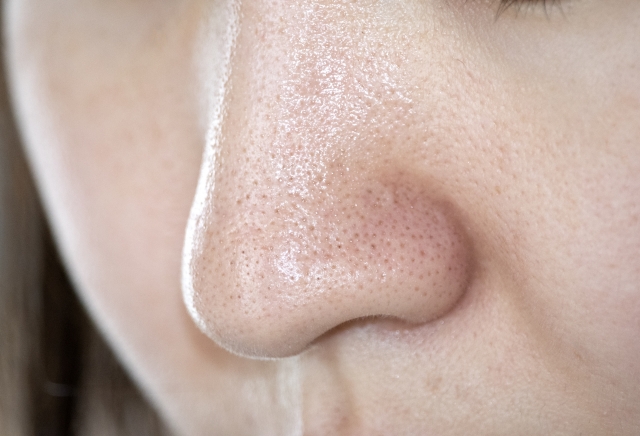
Blackheads are one of the most common skin concerns for many people. In particular, those that appear on the nose and cheeks are difficult to hide with makeup and can undermine the impression of clear and healthy skin. This is why proper care using a gentle facial cleanser is so important. Cleansers with overly strong cleansing power may temporarily remove blackheads but can also burden the skin, leading to dryness and inflammation. On the other hand, by choosing cleansers formulated with the right ingredients and using them correctly, it is possible to keep pores clean while protecting the skin barrier. In this article, we will explain in detail, from a professional perspective, how to improve blackheads with gentle facial cleansers.
Understanding the True Causes of Blackheads
Blackheads are not just simple dirt; they result from a complex interplay between the skin’s physiological functions and environmental factors. Understanding this mechanism is the first step toward proper skincare.
One major factor is the excessive production of sebum. On the skin’s surface, there are sebaceous glands that constantly secrete sebum to help maintain moisture. However, when hormone imbalances, stress, or an unbalanced diet increase sebum production, the pore openings become overly filled with oil. This condition marks the first step toward clogged pores.
Another important factor is the thickening of the stratum corneum (keratin buildup). Normally, the skin undergoes a renewal process called turnover, in which old keratin naturally sheds about every 28 days. However, when this turnover is disrupted by poor lifestyle habits, aging, dryness, or UV exposure, dead skin cells that should be shed remain on the skin’s surface. As keratin layers accumulate, they block the pore openings and mix with sebum, leading to the formation of keratin plugs (comedones).
Another factor that cannot be overlooked is oxidation. The keratin plugs that clog pores are exposed to oxygen in the air and ultraviolet rays, causing them to oxidize and darken. This is the true nature of so-called “blackhead pores.” In other words, blackheads are not caused by external dirt, but are the result of sebum and keratin secreted by the skin itself undergoing oxidation.
In addition, factors such as dryness, stress, and hormonal imbalances also play a major role in the development of blackheads. Dry skin tends to overproduce sebum in an attempt to compensate for the lack of moisture, while stress disrupts the autonomic nervous system, leading to hormonal imbalances that stimulate sebaceous gland activity. This is why blackheads often worsen during puberty or around the menstrual cycle, when hormonal fluctuations are at play.
In summary, blackheads form through the chain reaction of three key factors: excessive sebum production, keratin buildup, and oxidation. This means that simply “washing them away” is not enough to improve the condition. Instead, effective care requires a combination of controlling sebum production, normalizing skin turnover, and preventing oxidation.
Key Points for Choosing a Gentle Facial Cleanser
To improve blackheads, it is crucial not to over-cleanse the skin. Excessive cleansing may provide a temporary feeling of freshness but strips away the skin’s natural moisture and barrier function, leading to rebound sebum overproduction. For this reason, when choosing a facial cleanser, it is essential to pay attention to the following factors.
1. Whether it contains mild, amino acid-based cleansing ingredients
The type of surfactant contained in a facial cleanser greatly influences how gentle it is on the skin. In particular, amino acid-based surfactants (such as sodium cocoyl glutamate or sodium cocoyl methyl taurate) work by gently removing only unwanted impurities while preserving essential sebum and natural moisturizing factors. Because they function at a mildly acidic pH close to that of the skin, they are safe for use even on sensitive or dry skin. In contrast, strong cleansing agents such as soap-based or high-alcohol surfactants can strip away too much sebum. While they may effectively remove pore impurities in one wash, they risk causing dryness and irritation, making them unsuitable for daily use.
2. Whether it contains moisturizing ingredients
To prevent blackheads, it is important to avoid the feeling of tightness after cleansing. When the skin becomes too dry, it triggers a defensive reaction that stimulates excessive sebum production, ultimately worsening clogged pores. For this reason, it is best to choose cleansers that contain moisturizing ingredients such as hyaluronic acid, ceramides, glycerin, or aloe extract. These ingredients help enhance the skin’s ability to retain moisture after cleansing and support the barrier function, preventing pore congestion. In addition, cleansers formulated with plant-based moisturizing agents can provide a soothing effect, helping to reduce redness and irritation.
3. Use scrubs and peeling ingredients sparingly
Some people choose cleansers containing scrubs or peeling agents for blackhead care. While these can temporarily clear pores and leave the skin feeling smooth, excessive physical exfoliation or high concentrations of peeling ingredients may damage the stratum corneum and cause invisible “micro-damage.” As a result, the skin’s barrier function weakens, increasing the risk of inflammation, acne, enlarged pores, and worsening blackheads. Therefore, if scrubs or peeling treatments are used, it is safer to limit them to about once or twice a week rather than daily. For everyday cleansing, the focus should remain on gently removing impurities with mild ingredients.
Preventing Blackheads with the Right Cleansing Method
Even with the right cleanser, using it incorrectly will not improve blackheads. In fact, it may place unnecessary stress on the skin, leading to dryness and inflammation. In this section, we will explain not only the basic steps of cleansing but also the differences between morning and evening routines, as well as special care methods.
1. Pre-rinse with lukewarm water
Begin cleansing by gently rinsing your entire face with lukewarm water at around 32–35°C. This helps remove water-soluble impurities such as sweat and dust, while also softening and opening the pores so that the cleanser’s foam can reach them more effectively. Avoid using hot water, as it strips away too much sebum, and cold water, as it does not adequately remove impurities.
2. Lather the cleanser well and wash with the foam
Whip the cleanser into a dense, fluffy foam before applying it. The cushion of foam helps prevent friction and minimizes stress on the skin. Pay extra attention to the T-zone (nose and forehead), where sebum production is higher, while gently cleansing the U-zone (cheeks and chin), which is more prone to dryness. This balance ensures an effective and skin-friendly wash.
3. Rinse thoroughly
After cleansing, rinse your face at least 20 times as a guideline. Pay special attention to areas where foam tends to remain, such as around the nose, the hairline, and under the chin. Any leftover residue can cause clogged pores or inflammation, so be sure to rinse thoroughly. Also, avoid letting the shower stream hit your face directly; instead, collect lukewarm water in your hands and gently rinse.
4. Pat dry with a towel—avoid rubbing
After rinsing, gently pat your skin dry with a clean towel, lightly pressing to absorb excess water. Avoid rubbing vigorously, as this can damage the stratum corneum and lead to redness and dryness.
Why You Should Wash Your Face Differently in the Morning and at Night
Many people think that washing the face the same way throughout the day is fine, but in reality, the purpose differs between morning and night.
- Morning Cleansing
The goal is to remove sebum and sweat secreted during sleep and to prepare the skin as a base for skincare and makeup. Strong cleansing power is unnecessary, so using a mild cleanser or simply washing with lukewarm water can be sufficient. For those with dry skin, limiting the routine to “lukewarm water cleansing plus moisturizing” is also recommended. - Night Cleansing
At night, it is essential to thoroughly remove makeup, sebum, exhaust particles, and dust accumulated throughout the day. The basic routine is to first remove makeup with a cleansing product, then use a facial cleanser to keep the skin clean. Nighttime cleansing is especially important, as it plays a direct role in preventing blackheads.
Special Care to Include a Few Times a Week
In addition to daily cleansing, incorporating special care once or twice a week is effective for improving blackheads.
- Enzyme Cleansing
Enzyme ingredients such as papain and protease break down proteins and old keratin, gently removing clogged pores. This type of care is effective for dealing with keratin plugs that daily cleansing alone cannot completely eliminate. - Clay Cleansing / Clay Masks
Natural clays such as kaolin and bentonite have strong absorbent properties that draw out excess sebum and impurities. They help smooth the skin’s surface and reduce roughness around the pores. - Charcoal Cleansing
Charcoal and bamboo charcoal have absorbent properties that help remove impurities deep within the pores. However, since daily use may cause dryness, they are best incorporated as part of special care rather than a daily routine.
Conclusion
The proper cleansing routine follows the basic flow of “pre-rinse with lukewarm water → gently wash with foam → thorough rinsing → friction-free towel drying.” Additionally, distinguishing between a gentle morning cleanse to prepare the skin and a thorough evening cleanse to remove impurities enhances the effectiveness of blackhead prevention. Incorporating enzyme cleansing or clay masks a few times a week can further help achieve clearer, more radiant skin.
Pore Care Through Lifestyle Improvements
Blackheads cannot be fundamentally resolved through cleansing and skincare alone. This is because their causes—excess sebum production, disrupted skin turnover, and oxidation—are strongly influenced by lifestyle habits. By improving daily routines, it is possible to create a skin environment that is more resistant to blackheads and easier to maintain. In this section, we will focus on three key lifestyle factors and explain them in detail.
1. Improving Dietary Habits
Sebum production is greatly influenced by diet. Excessive intake of fats and sugars stimulates sebaceous gland activity, making clogged pores more likely. In particular, a lifestyle that frequently includes fast food, fried dishes, and sugary sweets can easily worsen blackheads.
On the other hand, foods rich in vitamins and minerals help regulate sebum secretion and support healthy skin turnover. For example, vitamins A and C found in green and yellow vegetables have antioxidant effects that prevent the oxidation of sebum. Omega-3 fatty acids, abundant in oily fish, reduce inflammation and help maintain a healthy environment around the pores. In addition, high-quality proteins and vitamin E from soy products and nuts are nutrients that promote skin regeneration. Being mindful of a well-balanced diet directly contributes to blackhead prevention.
2. Adequate Sleep
Sleep is often referred to as “the skin’s regeneration time” and is essential for creating healthy, beautiful skin. In particular, the hours between 10 p.m. and 2 a.m. are considered the “golden time for the skin,” when growth hormones are secreted, and cell repair is most active. Lack of sleep or an irregular lifestyle can weaken this repair function and disrupt the skin’s turnover cycle. As a result, dead skin cells are more likely to remain, leading to clogged pores and worsening blackheads.
In addition, lack of sleep disrupts the balance of the autonomic nervous system and increases the secretion of cortisol, a stress hormone. This, in turn, stimulates greater sebum production, creating a vicious cycle. To prevent blackheads, it is important to aim for 6–8 hours of high-quality sleep each day. Practical steps include avoiding the blue light from smartphones and computers before bed, as well as creating a dark and quiet sleep environment.
3. Sun Protection
Ultraviolet rays are a major external factor that worsens blackheads. When the skin is exposed to UV radiation, sebum oxidizes more easily, which not only deepens blackheads but also breaks down collagen and elastin within the skin, leading to enlarged pores. In addition, UV rays trigger inflammation and can cause pigmentation and dark spots, making daily sun protection essential.
What requires special attention is that UV rays are present not only in summer but throughout the entire year. Even on cloudy days or indoors, ultraviolet rays can pass through glass, which is why sunscreen should be used daily as part of blackhead care. It is important not only to choose products with high SPF and PA ratings but also to reapply them frequently to prevent removal by sweat or sebum. Combining these measures with physical protection such as hats, parasols, and sunglasses provides even more reliable prevention of blackheads.
Conclusion
Improving and preventing blackheads is not achieved by skincare alone. Reviewing daily habits strengthens the effect. By combining a balanced diet, quality sleep, and consistent sun protection, the skin can regain its natural health and become less prone to blackheads. Steady daily practice is the key to a smooth, clear, and radiant complexion.

Ingredients That Help Improve Blackheads in Pores
When it comes to caring for blackheads, it is not only about proper cleansing and healthy lifestyle habits. What also deserves close attention are the active ingredients included in skincare products. Some of these ingredients are especially effective because they target the very causes of blackheads: excess sebum oxidation, enlarged pores, and clogged keratin plugs. In this section, I will introduce some of the most representative ingredients and explain their characteristics in detail.
1. Vitamin C Derivatives
Vitamin C is well-known as a brightening ingredient, but it also plays an important role in pore care. In particular, Vitamin C derivatives are widely used in skincare, as they have been developed to improve upon the weaknesses of traditional Vitamin C, such as instability and poor penetration.
- It helps regulate sebum production, preventing excess oil from clogging the pores.
- With its strong antioxidant properties, it helps prevent sebum trapped in the pores from oxidizing when exposed to air, thereby reducing the formation of blackheads.
- It promotes collagen production, helping to improve pore enlargement caused by skin sagging.
It is particularly effective for those with oily or acne-prone skin, and it can also help improve the overall tone of the pores. It is commonly incorporated through toners or serums.
2. Niacinamide
Niacinamide, a form of vitamin B3, has recently gained attention as an “all-rounder ingredient.” In terms of pore care, it offers the following benefits:
- By strengthening the skin’s barrier function, it improves moisture retention and helps prevent dryness as well as excessive sebum production.
- It helps refine enlarged pores and smooths overall skin texture.
- It calms inflammation, helping not only with blackheads but also reducing redness and post-acne hyperpigmentation.
In addition, niacinamide pairs well with vitamin C derivatives, and using them together is thought to provide enhanced skin benefits. Because it is relatively gentle, even for sensitive skin, niacinamide is a suitable option for those who want to continue long-term pore care.
3. Enzyme Cleansing Ingredients (Papain, Protease, etc.)
At the root of blackheads lies the buildup of old keratin and sebum, known as “keratin plugs.” Enzyme ingredients are effective in gently removing these plugs.
- Papain Enzyme: A papaya-derived ingredient that breaks down proteins and gently removes keratin clogged in the pores.
- Protease: Breaks down keratin, the main component of dead skin cells, and supports healthy skin turnover.
- Lipase: Works to break down sebum (fatty components) and is effective in preventing clogged pores.
These enzymes are often included in cleansing powders or special care cleansers, and it is recommended to use them not on a daily basis but as supplementary care about once or twice a week. Overuse may cause dryness or irritation, so it is best to adjust the frequency according to your skin’s condition.
Key Points for Incorporating These Ingredients
These ingredients do not necessarily need to be included in your everyday cleanser. In fact, combining a gentle daily-use cleanser with special care items used a few times per week is often more effective for improving blackheads. Additionally, incorporating vitamin C derivatives or niacinamide through serums or toners is also beneficial, and using them alongside proper cleansing can create synergistic effects.
Cases Where You Should Consult a Specialist
In many cases, clogged pores and blackheads can be improved through proper cleansing, lifestyle adjustments, and occasional special care. However, not every situation can be resolved with self-care alone. In particular, if you notice any of the following conditions, it is strongly recommended to consult a dermatologist or cosmetic dermatologist instead of continuing with self-directed care:
1. Persistent Blackheads Lasting for a Long Time
If blackheads do not improve after several weeks to months of consistent self-care, the issue may involve more than just excess sebum or dead skin—it could be related to your skin type or hormonal balance. In particular, symptoms such as “hardened plugs that repeatedly clog the pores” or “blackheads that reappear soon after removal” indicate that a medical evaluation is needed to identify the root cause.
2. Cases with not only clogged pores but also inflammation or acne
If blackheads worsen and are accompanied by redness or swelling around the pores, the issue may no longer be just oxidized sebum but rather inflammation or acne caused by the proliferation of acne bacteria. At this stage, over-the-counter skincare products are often insufficient, and a doctor may need to prescribe anti-inflammatory or antibacterial topical treatments. If left untreated, there is a risk of long-lasting acne scars or pigmentation, so seeking medical care early is strongly recommended.
3. When Over-the-Counter Cleansers Cause Irritation or Rash
Even if you are practicing self-care, the cleansers or skincare products you are using may not suit your skin and could cause rashes, redness, or itching. This is especially common in those with sensitive skin or an atopic tendency, as certain ingredients can easily trigger irritation. In such cases, it is best to stop using the product immediately and consult a dermatologist. A doctor can guide you toward safer product choices and recommend appropriate treatments tailored to your skin condition.
Examples of Professional Treatments
By receiving a medical diagnosis, you can access more effective treatments that go beyond what self-care alone can achieve.
- Chemical Peeling
A treatment that uses fruit acids (AHAs) or salicylic acid to remove old keratin and regulate skin turnover. It is effective not only for blackheads but also for improving acne and dullness. - Laser Treatments
Procedures such as carbon peeling or fractional lasers target deep within the pores. They not only help remove clogged plugs but also promote pore tightening for smoother-looking skin. - Iontophoresis / Electroporation
A method that delivers beauty ingredients such as Vitamin C or Niacinamide deep into the skin. This helps suppress sebum oxidation and supports skin regeneration.
These treatments are chosen based on skin type and the condition of the blackheads, and when combined with self-care, they can provide more reliable improvement.
Conclusion
When you experience issues such as “persistent blackheads,” “blackheads accompanied by inflammation or acne,” or “irritation caused by cleansers,” it is important to seek professional advice early rather than relying solely on self-care. By receiving an accurate diagnosis and appropriate treatment from a doctor, you can achieve long-lasting improvement and beautiful skin that cannot be attained through self-care alone.
Conclusion
At first glance, it may seem that blackheads can be solved simply by using a strong cleanser to thoroughly remove them. However, the real key lies in avoiding over-cleansing and choosing skin-friendly ingredients. While harsh cleansing may temporarily clear blackheads, it also strips away essential oils and moisture, leading to dryness and triggering excess sebum production. This cycle can actually worsen blackheads over time. For this reason, the first step is to choose a gentle cleanser, ideally one based on amino acid surfactants, and to wash the skin softly with foam rather than friction.
In addition to skincare, improving lifestyle habits is essential. A balanced diet helps regulate sebum production, sufficient sleep supports healthy skin turnover, and proper sun protection prevents sebum oxidation. Together, these form the foundation for addressing blackheads at their root. By consistently maintaining these habits, the skin’s overall condition improves, making pores less likely to become clogged and blackheads less noticeable.
Furthermore, if self-care alone does not bring sufficient results, it is worth considering professional treatments at a dermatologist or cosmetic clinic. Options such as chemical peels, laser therapy, and transdermal delivery of active ingredients can reach deep into the pores where home care cannot, providing more reliable improvement. When performed under medical supervision, these treatments also offer the significant advantages of enhanced safety and longer-lasting effects.
What matters most is not seeking quick fixes. Blackheads do not disappear overnight; their improvement is gradual, influenced by the skin’s natural turnover cycle and daily lifestyle habits. Instead of rubbing harshly or relying on strong chemicals, the focus should be on consistent routines—gentle cleansing, proper moisturizing, and healthy daily habits. When necessary, adding professional treatments can further support this process. This steady, balanced approach is the most reliable way to maintain clear, healthy, and beautiful skin in the long term.
In summary, by focusing on four key pillars—gentle cleansing without over-washing, choosing products with skin-friendly ingredients, improving lifestyle habits, and making use of professional support when needed—you can create a skin environment that resists recurring blackheads. Sustainable, gentle care is the true path toward clear, radiant, and healthy-looking skin.










 Toll-free