




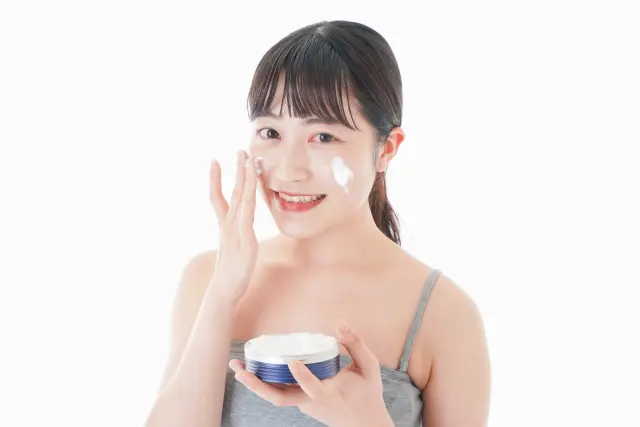
Moisturization is the most important factor in improving dry and sensitive skin. However, when choosing a moisturizing cream, it is not enough to simply focus on “hydration.” Selecting a product that suits your skin type is crucial. This article introduces how to choose moisturizing creams, how to use them effectively, and the best ingredients for different skin types to help you optimize your daily skincare routine.
1. Key Points When Choosing a Moisturizing Cream
There are several important factors when selecting a moisturizing cream. Depending on your skin type, the season, and the condition of your skin, choosing the right cream leads to effective moisturization.
1-1. Choose Moisturizing Ingredients That Match Your Skin Type
To prevent dryness, the first step is to select ingredients that suit your skin type. Recommended ingredients differ for dry, sensitive, and oily skin.
- Dry skin: Choose products rich in moisturizing ingredients such as hyaluronic acid, ceramides, and squalane. These help retain water in the skin and keep it hydrated for long periods.
- Sensitive skin: Opt for low-irritation products without fragrances or alcohol. Ingredients with anti-inflammatory effects, such as aloe vera or chamomile extract, are ideal.
- Oily skin: Choose lightweight, non-greasy creams that contain ingredients to control sebum production. Niacinamide and vitamin C derivatives are effective.
1-2. Adjusting by Season
The condition of the skin changes greatly with seasonal shifts in temperature and humidity. Considering how dryness, humidity, and climate affect the skin, it is important to select the right moisturizing cream for each season.
Winter: Moisturizers for Cold and Dry Conditions
Cold weather and dryness weaken the skin’s barrier, making it prone to dehydration. During winter, high-moisture creams or oils that lock in hydration and protect against external damage are recommended.
- Recommended ingredients:
- Ceramides: Strengthen the skin barrier and prevent water loss.
- Squalane: Protects dry winter skin and maintains softness.
- Hyaluronic acid: Retains large amounts of water and provides deep hydration.
- Ceramides: Strengthen the skin barrier and prevent water loss.
- Example products:
Elixir Superieur Lift Moist Emulsion, CeraVe Moisturizing Cream.
During winter, it’s essential to “seal” in moisture. Layering creams or oils strengthens the skin barrier.
Summer: Lightweight, Refreshing Moisturizers
In summer, heat and humidity can cause sweat and shine, but dryness should not be overlooked. A refreshing, lightweight cream that hydrates without stickiness is ideal.
- Recommended ingredients:
- Niacinamide: Regulates sebum and tightens pores.
- Vitamin C derivatives: Provide hydration and antioxidant protection against UV damage.
- Aloe vera: Soothes and hydrates without greasiness.
- Niacinamide: Regulates sebum and tightens pores.
- Example products:
La Roche-Posay Toleriane Ultra, Aqua Label Skin Conditioner.
Gel-type or water-based creams are especially effective in summer, providing hydration with a light, non-greasy finish.
1-3. Check the Ingredient List
Always check the ingredient list before purchasing. Avoid products with fragrance, colorants, or alcohol if your skin is sensitive. Make sure the product contains sufficient moisturizing ingredients to achieve the desired effect.
2. How to Use Moisturizing Cream Effectively
Using moisturizing cream properly maximizes its benefits. Timing and application are key.
2-1. Apply at the Right Time
It is important to use moisturizing cream at the most effective timing. Applying it at the following times allows it to penetrate the skin thoroughly and retain moisture for a long time.
- By applying moisturizing cream when your skin is still slightly damp after washing your face, you can lock in moisture and prevent it from escaping. After washing, the skin is more absorbent, allowing moisturizing ingredients to penetrate more effectively.
- Moisturizing after a bath is also effective. Right after bathing, the skin tends to dry out easily, so applying moisturizing cream within five minutes can help prevent dryness.
2-2. Adding a little technique to how you apply it
It’s not enough to simply apply moisturizing cream—you should also use techniques that help it penetrate the skin effectively.
- By gently massaging as you apply it, blood circulation is improved and the ingredients penetrate more deeply.
- Warming the cream before use helps it absorb more easily into the skin. Warm it between your hands first, then gently spread it over your skin.
2-3. The key is to apply a thin layer.
Instead of applying a large amount all at once, it’s best to layer small amounts gradually. By applying only what the skin can absorb, it blends in smoothly without feeling sticky.
3. Recommended Moisturizing Creams and How to Choose Them
Dry skin has a reduced ability to retain moisture and is more vulnerable to external irritants. Therefore, it’s important to choose moisturizing creams specifically formulated for dry skin, containing ingredients with strong hydrating properties.
- Recommended ingredients:
- Ceramides: Ceramides are naturally present in the stratum corneum and function as intercellular lipids that help retain moisture. Moisturizing creams rich in ceramides strengthen the skin’s barrier function and help prevent moisture loss, making them ideal for dry skin.
- Hyaluronic Acid: Products that combine high-molecular and low-molecular hyaluronic acid can hydrate both the surface and deeper layers of the skin. They provide immediate moisture as well as long-lasting hydration.
- Squalane: A component similar to natural sebum, squalane forms a thin protective barrier on the skin’s surface to prevent moisture evaporation. It also helps maintain skin softness and protects the skin from dryness.
- Ceramides: Ceramides are naturally present in the stratum corneum and function as intercellular lipids that help retain moisture. Moisturizing creams rich in ceramides strengthen the skin’s barrier function and help prevent moisture loss, making them ideal for dry skin.
- Recommended Products
For dry skin, popular options include “Elixir Superieur Lift Moist Emulsion” and “Curel Intensive Moisture Cream”, both of which are rich in ceramides and hyaluronic acid.
3-2. Moisturizing Creams for Sensitive Skin
People with sensitive skin have a weakened skin barrier and are more prone to irritation from external factors. Therefore, it’s important to choose products with gentle, non-irritating ingredients. Products containing anti-inflammatory ingredients can help reduce redness and itching, soothing the skin.
- Recommended ingredients:
- Fragrance-Free and Colorant-Free: Fragrances and colorants can easily irritate sensitive skin, so it’s best to choose products that are free of both.
- Chamomile Extract: Chamomile has anti-inflammatory properties and is known to help reduce redness and itching. It is a gentle ingredient that is well-suited for sensitive skin.
- Aloe Vera: Aloe vera has soothing and moisturizing effects. It helps calm inflammation in sensitive skin and promotes a more balanced, comfortable complexion.
- Fragrance-Free and Colorant-Free: Fragrances and colorants can easily irritate sensitive skin, so it’s best to choose products that are free of both.
- Recommended Product Examples
For sensitive skin, products such as “Arouge Total Moist Veil Lip Essence” and “Atopita Moisturizing Cream” are recommended, as they are formulated with gentle, skin‑friendly ingredients.
3-3. Moisturizing Creams for Oily Skin
Oily skin tends to feel greasy and is prone to clogged pores due to excessive sebum production. While moisturizing is still essential for oily skin, using a cream that is too rich may actually stimulate even more oil production. It’s best to choose lightweight, non-greasy products that help control sebum levels.
- Recommended ingredients:
- Niacinamide: Also known as Vitamin B3, niacinamide helps regulate sebum production and tighten pores. It is effective for oily skin in controlling oil and preventing inflammation.
- Vitamin C Derivatives: These have antioxidant properties that help prevent the oxidation of sebum and reduce clogged pores. They also offer brightening effects, helping to even out and brighten the skin tone.
- Oil-Free: Oil-free or gel-type moisturizers offer a lightweight feel while providing sufficient hydration and helping to control excess sebum production.
- Niacinamide: Also known as Vitamin B3, niacinamide helps regulate sebum production and tighten pores. It is effective for oily skin in controlling oil and preventing inflammation.
- Recommended Product Examples
For oily skin, popular choices include “Rosette Cleansing Paste (Oil Control)” and “La Roche‑Posay Toleriane Ultra Comfort”, both of which deliver lightweight hydration while effectively managing oil and sebum.
Choosing a moisturizing cream that matches your skin type is essential for maintaining healthy skin. By selecting ingredients and textures appropriate for dry, sensitive, or oily skin, you can effectively maintain your skin’s moisture balance. Understanding the characteristics of your own skin and choosing products accordingly is the first step toward keeping your skin beautiful.
4. Lifestyle Habits to Enhance the Effectiveness of Moisturizing Creams
To maximize the effectiveness of moisturizing creams, it’s important not only to use the right skincare products but also to improve your daily lifestyle habits. Adopting healthy routines can help prevent dryness and support long-lasting hydration. By paying attention to the following points, you can enhance the benefits of your moisturizer and maintain healthy, well-hydrated skin.
4-1. Staying hydrated
Water is essential for maintaining skin hydration. When the body is dehydrated, skin dryness worsens, and the effectiveness of moisturizing creams is significantly reduced. Make it a habit to stay well-hydrated by drinking 1.5 to 2 liters of water per day. This is especially important during dry seasons or when spending long hours in air-conditioned environments.
- Tip: Staying hydrated doesn’t have to mean drinking only water—non-caffeinated herbal teas and vegetable juices are also good options. However, beverages that contain sugar or caffeine can dehydrate the skin, so it’s best to avoid consuming them in excess.
4-2. A Well-Balanced Diet
Skin health starts from within. Be mindful to include nutrients that enhance the skin’s moisture retention, such as vitamin C, vitamin E, and omega-3 fatty acids. These nutrients support the skin’s natural turnover process and strengthen its ability to retain moisture. Vitamin C helps boost collagen production, while vitamin E protects the skin through its antioxidant properties. Omega-3 fatty acids aid in maintaining skin hydration and help prevent dryness and irritation.
- Recommended Foods:
Incorporate foods rich in vitamin C, such as citrus fruits and bell peppers; those high in vitamin E, like almonds and avocados; and sources of omega-3 fatty acids, such as fatty fish and flaxseed oil.
4-3. Sufficient Sleep
High-quality sleep promotes skin repair and regeneration. During sleep, growth hormones are released, helping to repair skin cells, making sufficient rest essential for maintaining healthy skin. Chronic sleep deprivation can disrupt the skin’s natural turnover cycle, leading to increased dryness and the appearance of fine lines. Ideally, aim for 7 to 8 hours of quality sleep each night.
- Improving Sleep Quality:
Enhance your sleep quality by avoiding smartphone use before bed and creating a relaxing sleep environment. Additionally, maintaining proper humidity levels in the bedroom can help prevent skin dryness and promote more comfortable, restful sleep.
To maximize the effectiveness of moisturizing creams, it’s important to support your skin not only from the outside but also from within. By staying hydrated, maintaining a well-balanced diet, and getting enough sleep, you can prevent dryness and create a condition in which moisturizing ingredients can be more effectively absorbed. Along with using moisturizers, adopting healthy lifestyle habits will help you maintain healthier skin and achieve a well-hydrated, radiant complexion.

Conclusion
The way you choose and use moisturizing creams varies depending on your skin type, the season, and your lifestyle. By selecting products that suit your skin and applying them at the right time, you can maximize their moisturizing effects. Additionally, improving your daily habits can help maintain hydration and promote healthy, radiant skin.







 Toll-free