






Every time you look in the mirror, those visible blackheads and enlarged pores on the nose and cheeks may catch your attention. Prominent blackheads can significantly affect the impression of cleanliness and skin appearance. Blackheads form due to a combination of factors such as clogged sebum and keratin, oxidation, makeup residue, and UV exposure. Left untreated, pores may enlarge further, making them even more noticeable. This article explains scientifically backed and practical care methods to remove blackheads from the root while tightening pores to make them less visible. We will also cover tailored approaches based on skin type and season, as well as lifestyle adjustments.
Chapter 1: Pore Structure and the Mechanism of Blackhead Formation
Pores are connected to sebaceous glands, and sebum plays an important role in moisturizing and protecting the skin barrier. However, when sebum production is excessive, old keratin overlaps at the pore opening, forming keratin plugs. These plugs are composed of keratin protein and sebum, which eventually oxidize when exposed to oxygen, turning black. This is what is known as “blackhead pores” (open comedones). In addition, melanin deposition from UV exposure or post-inflammatory pigmentation can darken the surrounding pore area. Sebum production is influenced by hormones, seasons, diet, and stress, meaning blackhead care requires not only skincare but also lifestyle improvement.
Chapter 2: Effective Cleansing and Face Washing for Blackhead Removal
The most effective early-stage blackhead treatment is proper cleansing and washing. Makeup and sunscreen are oil-based impurities, and if not removed properly, they remain in pores and form plugs. Oil or balm cleansers dissolve sebum and makeup effectively, while sensitive or dry skin types may benefit from gentler milk or gel cleansers. For face washing, low-irritant foaming cleansers with amino acid-based surfactants are recommended. Avoid scrubbing—roll the foam gently to lift impurities and rinse thoroughly with lukewarm water. Over-washing, both morning and evening, should be avoided to maintain sebum balance.
Chapter 3: Correct Frequency and Methods of Exfoliation
Exfoliation is directly linked to improving blackheads but can damage the skin barrier if overdone. Enzyme cleansers, AHA (fruit acids), and BHA (salicylic acid) chemically dissolve keratin and plugs. These should be used about once or twice a week, with longer intervals for sensitive skin. Physical scrubs with large particles may cause excessive friction, leading to inflammation or pigmentation, so caution is needed. Always follow exfoliation with proper moisturizing to protect the skin from external irritants.
Chapter 4: Moisturizing and Tightening for Pore Improvement
In blackhead care, “protective” skincare is as important as “removing” care. Dryness triggers sebum overproduction, which leads to new plugs. Toners with hydrating ingredients such as hyaluronic acid and glycerin should be applied generously. Serums containing niacinamide or vitamin C derivatives help control sebum while tightening pores. Lock in moisture with an emulsion or cream containing oils. Cooling masks and astringent toners can also provide temporary pore-tightening effects.
Chapter 5: The Importance of Lifestyle and Diet Improvements
Blackheads are greatly affected by internal health, not just external skincare. Excessive intake of sugars and fats increases sebum production, while a diet centered on vegetables, fish, and soy products is ideal. Antioxidants such as vitamin C, vitamin E, polyphenols, and zinc prevent sebum oxidation and help reduce blackheads. Sleep deprivation and stress disrupt hormone balance, leading to more sebum, making rest and relaxation essential.
Chapter 6: UV Protection and Pigmentation Prevention
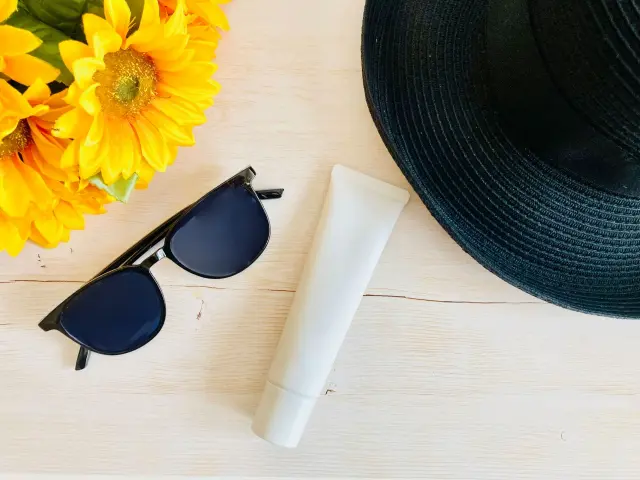
UV rays are a major factor in worsening pore enlargement and blackheads. UVA penetrates deep into the dermis and breaks down collagen, causing pore sagging. UVB causes inflammation and melanin production, darkening the pore area. Use sunscreen with at least SPF 30 and PA+++ daily, and choose higher SPF for outdoor activities. Hats, parasols, and sunglasses provide added physical protection.
Chapter 7: Dermatological Treatments for Pore Blackheads
For blackheads and enlarged pores that are difficult to treat with self-care, dermatological treatments are effective. Chemical peels, laser toning, IPL (intense pulsed light), and pore-targeted lasers can remove keratin and melanin while stimulating dermal collagen production. Downtime, costs, and duration of effects vary by procedure, so it’s important to consult with a physician to select the most suitable option.
Chapter 8: Habits for Long-Term Pore Management
Pore care is not a one-time fix but a daily effort. Sebum production and keratin turnover change with seasons, health, and age, so skincare must be adjusted accordingly. For example, sebum secretion tends to increase before and after menstruation, so cleansing and exfoliation may need to be emphasized during that time.
Chapter 9: Tailored Care for Different Pore Types
Not all pore concerns are the same; causes and solutions vary by type:
Blackhead pores: caused by oxidized plugs; antioxidants and keratin-dissolving ingredients are effective.
Enlarged pores: often due to excess sebum or dryness; hydration and sebum control are key.
Sagging pores: linked to aging and dermal elasticity loss; collagen-boosting ingredients or aesthetic treatments are effective.
Clogged pores: caused by disrupted turnover; enzyme cleansers or peels help remove excess keratin.
Identifying your pore type helps select the most effective products and treatments.
Chapter 10: Seasonal Pore Care Strategies
Spring: Pollen, yellow dust, and increased UV may cause inflammation; gentle cleansing and UV protection are crucial.
Summer: Sebum and sweat peak, worsening blackheads and enlarged pores; cooling care and sebum-absorbing packs are effective.
Autumn: Dryness begins, making pores more visible; hydration and turnover-promoting care are needed.
Winter: Dryness and poor circulation highlight pores; oil-enriched creams and warming massages improve blood flow.
Chapter 11: The Relationship Between Pores and Makeup
Makeup can worsen pores if not managed properly. Waterproof and heavy oil-absorbing bases or foundations tend to clog pores. Use a silicone-based primer to smooth the surface and apply a lightweight foundation, then remove thoroughly with proper cleansing. Lack of pre-makeup hydration can lead to patchy foundation and accentuated pores, so hydrating before makeup is essential.
Chapter 12: Inner Care for Pore Improvement
Improving internal health is directly connected to pore care. Vitamin C prevents sebum oxidation and promotes collagen synthesis; it is abundant in citrus fruits, kiwi, and bell peppers. Vitamin B complex regulates sebum production and can be obtained from pork, eggs, and fermented soybeans. Zinc, vital for skin repair and turnover, is found in oysters, liver, and pumpkin seeds. Antioxidant-rich drinks like green tea or rooibos are also beneficial. Supplements can help fill dietary gaps.
Chapter 13: Example of a Daily Skincare Routine
Morning: Wash with lukewarm water or a mild cleanser, apply toner, serum, emulsion/cream, and sunscreen.
Night: Remove makeup and sebum thoroughly with cleansing, wash, hydrate with toner and serum, and optionally use a night mask.
Weekly: Add exfoliation or vitamin C serum once or twice to target deeper pore care.
Maintaining this routine helps reduce and prevent blackheads and enlarged pores long-term.
Conclusion
Blackheads and enlarged pores are long-standing concerns for many. Their causes are multifactorial, including sebum secretion, keratin buildup, oxidation, UV exposure, loss of elasticity with age, and lifestyle imbalances. Therefore, temporary fixes are insufficient—fundamental improvement and prevention are necessary.
As outlined, understanding pore structure and blackhead mechanisms, identifying your pore type, and tailoring care accordingly is the first step. Proper cleansing, weekly exfoliation, consistent hydration, sebum-controlling ingredients like vitamin C derivatives and niacinamide, along with UV protection, all help prevent worsening. Seasonal strategies and cooling or astringent care also provide additional benefits.
Beyond external care, diet, sleep, and stress management are critical. Antioxidant-rich foods and nutrients that normalize sebum production prevent clogging and oxidation, while regular rest and relaxation stabilize hormonal balance.
If self-care is insufficient, dermatological treatments such as peels, lasers, or light therapy can provide visible improvements, though they require consideration of downtime, cost, and maintenance.
Ultimately, pore care is built on small, consistent efforts rather than instant results. By observing your skin, adjusting care accordingly, and approaching both inside and outside factors, you can achieve tighter pores, improved skin clarity, and long-term radiance. With correct knowledge and consistent practice, poreless-looking skin is an achievable reality.





 Toll-free