




During seasonal changes—spring to summer, summer to autumn, and autumn to winter—the fluctuations in temperature, humidity, and UV exposure, combined with environmental factors such as pollen, yellow dust, and air conditioning, place significant stress on the skin. This period often brings dryness, itching, redness, and breakouts, troubling people regardless of skin type or age. When the barrier function weakens, the skin becomes more sensitive to external irritants, and even everyday cosmetics may cause discomfort. In this article, we explain the mechanisms of skin changes during seasonal transitions from a dermatological viewpoint and provide detailed skincare tips and lifestyle improvements to protect your skin.
Chapter 1: Mechanisms of Skin Changes During Seasonal Transitions
Seasonal shifts cause rapid changes in temperature and humidity, which can reduce moisture levels in the stratum corneum. The skin barrier consists of intercellular lipids (mainly ceramides), natural moisturizing factors (NMF), and the sebum film—all of which are highly sensitive to environmental changes. As humidity drops, transepidermal water loss (TEWL) increases, weakening the barrier. Pollen and yellow dust in spring, as well as dry winds in autumn, act as physical irritants or allergens, triggering inflammatory responses. Additionally, fluctuations in UV exposure influence oxidative stress, promoting melanin production and collagen breakdown. These combined factors often result in skin that suffers from both dryness and inflammation simultaneously.
Chapter 2: Basic Skincare Strategies for Seasonal Transitions
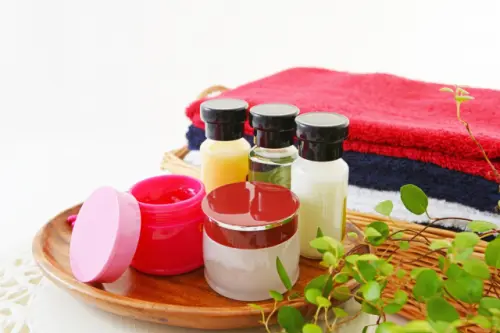
The first priority is to protect the skin barrier. When the barrier is intact, the skin can withstand moderate environmental changes. Use mild, weakly acidic cleansers, and in the morning, simply rinsing with lukewarm water may be effective to avoid stripping too much sebum. Moisturization should follow three steps: “hydrate with toner → supply active ingredients with serum → lock in moisture with lotion or cream to prevent evaporation.” Key moisturizing agents include ceramides, hyaluronic acid, and glycerin to reinforce the barrier, while amino acids and squalane help maintain suppleness. UV protection is necessary year-round, but especially critical during seasonal changes, when fluctuations in UV levels are significant.
Chapter 3: Skincare from Spring to Summer
As spring transitions to summer, UV radiation increases sharply and sebum secretion becomes more active. Increased sweat and sebum can lead to clogged pores and acne. During this period, choose lightweight moisturizers with UV-blocking properties and avoid heavy creams with excessive oil. Serums containing antioxidants such as vitamin C derivatives or astaxanthin are effective for suppressing oxidative damage from UV exposure. Since sunscreen can be easily removed by sweat and sebum, reapply frequently when outdoors. In regions affected by lingering pollen or yellow dust, wash your face promptly after returning home to remove these particles.
Chapter 4: Skincare from Summer to Autumn
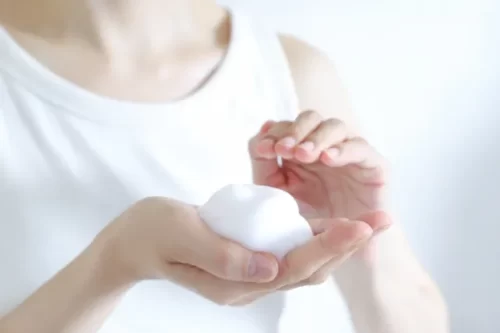
At the end of summer and into autumn, accumulated UV damage and dryness from air conditioning become more noticeable. Sun-exposed skin has reduced barrier function, making it vulnerable to both dryness and inflammation. During this time, strengthen hydration while incorporating brightening care. Ingredients such as vitamin C derivatives, arbutin, and tranexamic acid suppress melanin production, helping prevent spots and dullness. Cleanse gently with foam to avoid friction. Using humidifiers and managing indoor humidity also helps protect against autumn dryness.
Chapter 5: Skincare from Autumn to Winter
As autumn shifts to winter, humidity and temperature drop sharply, while sebum secretion decreases, leaving the skin prone to dryness. Use highly moisturizing lotions or creams enriched with ceramides and natural moisturizing factors, with extra focus on nighttime care. Since transepidermal water loss increases overnight, sealing with oil or balm is effective. As circulation tends to decline in winter, light massages of the face and neck or warming packs can help stimulate metabolism. To counteract dryness from heating systems, maintain indoor humidity at 50–60%.
Chapter 6: Lifestyle Habits and Skincare During Seasonal Changes
Lifestyle habits influence skin health as much as products. Adequate sleep is essential for repair, and maintaining consistent bedtimes helps support barrier function. A diet rich in vitamins A, C, and E enhances antioxidant defenses. Regular exercise improves circulation and oxygen delivery to skin cells. Seasonal transitions often disrupt autonomic nervous system balance, making stress management important. Incorporating deep breathing, light stretching, and meditation helps stabilize hormonal balance.

Chapter 7: Skincare Strategies for Sensitive, Dry, and Oily Skin
For sensitive skin, choose low-irritant, fragrance-free products with simple formulations. Dry skin requires active replenishment of oils such as ceramides and squalane, as well as increased frequency of moisturization. Oily skin should still be moisturized to address water deficiency, even with high sebum secretion. Tailored care minimizes the effects of seasonal transitions on each skin type.
Chapter 8: Habits to Avoid During Seasonal Transitions
Long, hot baths, harsh cleansing, excessive exfoliation, and alcohol-heavy toners all damage the barrier. Neglecting UV protection or failing to manage indoor humidity also worsens skin issues.
Chapter 9: Seasonal Transitions and the Skin Microbiome
Recent dermatology research has shown that countless resident bacteria live on the skin surface, playing important roles in barrier function and immune response. This collective is known as the “skin microbiome.” Seasonal shifts alter temperature and humidity, causing fluctuations in sebum and sweat secretion that disrupt microbiome balance. This imbalance can lead to irritation, inflammation, and breakouts. To prevent this, avoid overly antibacterial cleansers and excessive alcohol use, and choose skincare that protects beneficial bacteria. Recently, cosmetics containing fermented extracts derived from probiotics such as lactobacillus and bifidobacterium have emerged, helping stabilize the microbiome.
Chapter 10: Hormonal Balance and Skin Troubles During Seasonal Changes
Seasonal transitions affect both the autonomic nervous system and hormone secretion. In spring and autumn, large day-night temperature differences easily disrupt the autonomic nervous system, leading to poor circulation and sebum secretion changes that trigger dryness, acne, and redness. For women, fluctuations in estrogen and progesterone further affect skin hydration and firmness. Warm baths, light exercise, and nutrition supporting hormonal balance (soy isoflavones, B vitamins) are effective. In skincare, serums containing circulation-boosting ingredients (vitamin E, niacinamide) and antioxidants provide both internal and external benefits.
Chapter 11: Recommended Nutrients and Diet for Seasonal Transitions
Internal nutrition is just as important as external care. Essential fatty acids (omega-3s) help prevent dryness and inflammation, found in oily fish, flaxseed oil, and chia seeds. Vitamin C promotes collagen synthesis and reduces UV-induced oxidative damage. Vitamin A supports skin renewal, while vitamin E protects cell membranes from oxidation. Minerals such as zinc are indispensable for repair. A balanced diet of vegetables, fruits, fish, nuts, and whole grains ensures adequate intake. Avoid excessive caffeine or alcohol, as they cause dehydration and weaken the barrier.
Chapter 12: Environmental Management and Practical Skin Protection
Managing the indoor environment is equally important. Keep humidity at 40–60% to stabilize the stratum corneum’s moisture retention. Keep humidifiers clean to prevent mold and bacteria, and use air purifiers to remove pollen, yellow dust, and PM2.5 particles. Outdoors, protect your face with masks or scarves to reduce direct irritation. Along with UV, blue light and air pollution are now recognized as causes of skin aging, making antioxidant skincare essential.
Chapter 13: Night Care Strategies to Enhance Skin Recovery
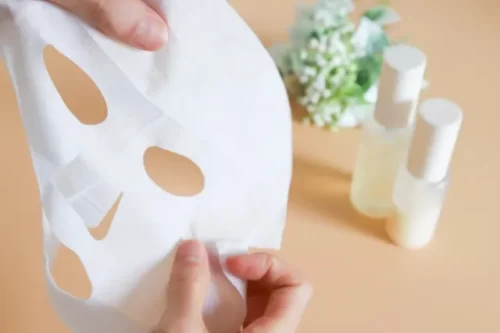
Nighttime is the “golden time” when growth hormone secretion is active and skin repair occurs. Intensive care during this period is highly effective in preventing skin troubles during seasonal changes. After cleansing, apply serums containing moisturizing and active ingredients, then seal with oil to prevent evaporation. Using overnight masks 1–2 times a week improves morning skin condition. Sleep environment is equally important: maintain room temperature at 20–22°C and humidity around 50%, and use low-irritant, clean bedding. Quality sleep supports metabolism and immune function; avoiding smartphone or computer use before bed further enhances rest.
Conclusion
Seasonal transitions bring combined stressors—temperature, humidity, UV fluctuations, pollen, yellow dust, and air conditioning—that place heavy burdens on the skin. The key to prevention is maintaining barrier function while adapting to environmental changes. Gentle cleansing, layered moisturization with ceramides and hyaluronic acid, and consistent UV protection form the foundation. Antioxidant serums further suppress oxidative damage. Balanced nutrition, sufficient sleep, regular exercise, and stress management enhance resilience and recovery. Indoor humidity and air quality directly affect skin health, making humidifiers and air purifiers effective tools. Night care with intensive hydration and overnight masks supports repair for improved morning condition. By combining internal and external care as daily habits, you can maintain stable, healthy, and beautiful skin even during seasonal transitions.





 Toll-free