





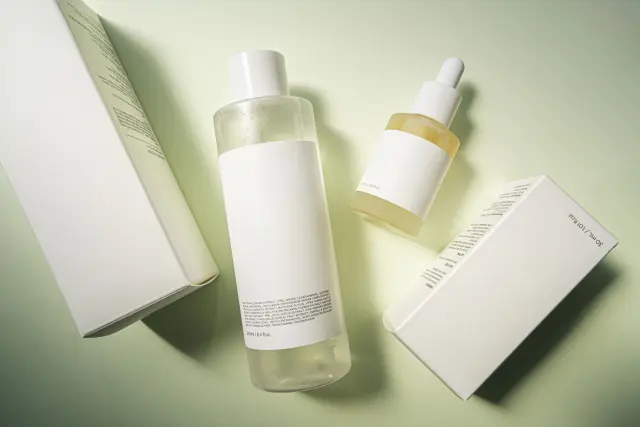
For those struggling with dry skin or during seasons when dryness is a concern, oil-based skincare can be a true lifesaver. Oil-based skincare is highly effective in providing the skin with essential nutrients and moisture, preventing dryness, and creating soft, supple, and healthy-looking skin. However, incorporating oils into your skincare routine can feel a bit challenging for many people. In this article, we will thoroughly explain the basics of oil-based skincare, how to choose the right oils, and the best ways to use them to achieve hydrated, dryness-free skin. By incorporating oil-based skincare effectively, you can achieve healthy, well-moisturized skin all year round.
Chapter 1: The Basics of Oil-Based Skincare
Oil-based skincare is an extremely effective method for moisturizing the skin and preventing dryness. Oils have high moisturizing properties and help strengthen the skin’s barrier function. By incorporating oil skincare into your routine, you can prevent dryness and provide essential nutrients to your skin.
The appeal of oil-based skincare
The reason oil-based skincare is so popular is that it delivers essential nutrients to prevent dry skin and create a supple, hydrated complexion. Oils are rich in fatty acids, vitamins, and antioxidants that penetrate deeply into the skin, protecting it from dryness. Especially during seasons or periods when dryness is a concern, incorporating oil-based skincare helps maintain long-lasting moisture.
The main benefits of oil-based skincare
- High moisturizing effect: Oils help lock in moisture and prevent dryness. They provide especially rich hydration for those with dry or sensitive skin, leaving the skin soft and supple.
- Nutrient supply: The vitamins and minerals contained in oils provide essential nutrients to the skin, promoting healthy skin. They are also effective for anti-aging, supporting skin firmness and elasticity.
- Strengthening the skin’s barrier function: Oils help reinforce the skin’s natural barrier, protecting it from external irritants. They also provide essential nutrients to prevent dryness and skin irritation.
Chapter 2: How to Choose Oils That Are Effective for Dry Skin
Before starting oil-based skincare, it is important to choose an oil that matches your skin type. Oils that effectively care for dry skin vary in quality and composition. Here, we explain key points for selecting the most suitable oils for dry skin.
1. Hyaluronic Acid Oil
Hyaluronic acid is an ingredient that provides moisture to the skin and has high moisturizing properties. Hyaluronic acid oil helps lock in water in the skin, protecting it from dryness. It is ideal for seasons when the air is dry or during periods when the skin tends to lose moisture. The oil absorbs easily, is non-greasy, and helps maintain soft, hydrated skin.
- Recommended oils: Serums or oils containing hyaluronic acid. They have high water-retention capacity and provide a lasting, hydrated feel to the skin.
2. Argan Oil
Argan oil is extracted from the nuts of the argan tree in Morocco and is particularly effective for dry skin. It is rich in vitamin E and essential fatty acids, which help deeply moisturize the skin and protect it from dryness. Additionally, it offers excellent anti-aging benefits, supporting the skin’s firmness and elasticity.
- Recommended oil: Oils primarily made from argan oil. They offer high moisturizing power and are ideal for dry skin.
3. Jojoba Oil
Jojoba oil is an ideal oil for dry skin and penetrates the skin quickly. It helps strengthen the skin’s barrier function and prevents moisture loss. Additionally, it regulates sebum production, making it effective not only for dry skin but also for oily skin. Gentle on the skin, it is also recommended for those with sensitive skin.
- Recommended oil: Pure, additive-free jojoba oil. Unscented and unprocessed, it is gentle on sensitive and dry skin, making it safe for regular use.
4. Rosehip oil
Rosehip oil is rich in vitamin C and essential fatty acids, providing nourishment to the skin while also helping to prevent fine lines and dark spots caused by dryness. It promotes skin cell turnover and supports the creation of a radiant, clear complexion, making it an essential oil for dry skin.
- Recommended oil: Rosehip oil. It has strong antioxidant properties and is ideal for anti-aging care.
Chapter 3: How to Use Facial Oils – The Best Methods for Caring for Dry Skin
Understanding how to incorporate facial oils into your skincare routine is essential for preventing dry skin. By using them correctly, you can maximize the benefits of the oils, protect your skin from dryness, and achieve a smooth, hydrated, and healthy complexion.
1. Use immediately after cleansing
By applying oil immediately after cleansing, you can deliver essential nutrients directly to your skin. After washing, the skin tends to lose moisture, so the oil helps lock in water and provide hydration. Simply take a small amount of oil in your palms and gently massage it over your entire face to prevent dryness.
2. Use as a serum
Oil-based skincare can also be used as a serum. For areas that are particularly prone to dryness, such as around the eyes or mouth, apply a small amount of oil on top. This allows the oil to penetrate the skin for deeper hydration. Using oil in this way delivers essential nutrients to the skin, promoting a healthy and well-moisturized complexion.
3. Use in combination with a moisturizer
After applying oil, using a moisturizer can further enhance hydration. Once the oil has thoroughly nourished your skin, sealing it in with a cream helps maintain moisture for a long time. For those with dry skin, applying oil before the cream is especially effective in preventing dryness.
Chapter 4: The Ideal Oil Skincare Routine for Dry Skin
Creating an oil skincare routine to prevent dry skin allows you to carry out your daily skincare more efficiently. By establishing a consistent routine, you can maintain your skin’s condition while protecting it from dryness. Practice the best methods of oil skincare to help prevent dry skin.
1. Incorporate oil into your morning skincare routine.
By incorporating oil into your morning skincare routine, you can keep your skin moisturized and prevent dryness throughout the day. Using oil adds hydration, improves makeup application, and leaves your skin feeling soft and smooth. Choosing a lightweight oil makes it easy to use before applying makeup and is perfect for a quick morning beauty routine.
2. Intensive Moisturizing in Your Night Skincare Routine
Nighttime is when your skin’s natural repair processes are most active. Applying oil before bed provides essential nutrients, helps prevent dryness, and leaves your skin soft and hydrated by morning. For optimal results, use a small amount of oil during your night skincare routine and gently massage it into the skin. This not only enhances absorption but also stimulates blood circulation, making the moisturizing effect even more effective.
3. Incorporate oil masks regularly.
During particularly dry periods or when your skin feels stressed, use an oil mask for intensive care. Apply the oil evenly over your entire face, leave it on for about 10 minutes, and then gently wipe it off to provide deep hydration and protect your skin from dryness.
Chapter 5: Tips for Incorporating Oil Beauty into Your Daily Routine
By incorporating oil-based skincare into your daily routine, you can prevent dry skin and maintain healthy, beautiful skin. However, to use oils effectively, it is important to know a few key tips. Here, we introduce essential points for maximizing the benefits of oil-based skincare.
1. Start with a small amount
Oils contain highly moisturizing ingredients, so even a small amount can be effective. It is important to start with a small quantity and find the right amount that suits your skin. Using too much oil can make the skin feel greasy, so focus on applying just enough to keep your skin hydrated.
2. Continue without strain
Oil-based skincare should be continued daily. To make it manageable, incorporate oil into your regular skincare routine. Choosing an oil that is easy to use even on busy days helps ensure that your daily care is sustainable.
3. Use according to your skin’s condition
It is important to use facial oils according to your skin’s condition. During periods when your skin feels dry or tired, applying oils more intensively can help support its recovery. By adjusting your oil skincare routine based on your skin’s state, you can effectively prevent dryness.

Chapter 6: Key Points for Maximizing the Effects of Facial Oil
To maximize the benefits of facial oils, proper usage and consistent habits are essential. Here, we introduce key points to enhance the effectiveness of skincare routines that incorporate oils.
1. Adjusting the Oil Temperature
When using oil, it is important to gently warm it in your palms before applying. Warming softens the texture of the oil and enhances its absorption into the skin. If applied cold, the oil may not penetrate well, reducing its effectiveness. By warming it in your hands first and then applying it to your face, you can improve absorption and effectively moisturize your skin.
2. Incorporate Massage Techniques
After applying oil, gently massage your face to promote blood circulation and help nutrients penetrate the skin more effectively. Use the pads of your fingers to softly massage the entire face, focusing especially on areas prone to dryness. This massage also provides a relaxing effect and can help reduce stress.
3. Incorporate oil into your nighttime skincare routine.
Nighttime is when the skin undergoes repair, making it the ideal time to incorporate oil into your skincare routine. Using oil at night can help moisturize your skin while you sleep and prevent dryness. Applying oil before bed allows you to wake up with skin that feels hydrated and well-nourished.
Chapter 7: Products You’ll Want to Use in Combination with Oil Skincare
Oil-based skincare is highly effective, but combining it with other skincare products can enhance its benefits even further. Here, we introduce items that pair well with oil skincare.
1. Toner
Using a toner before applying oil helps your skin absorb moisture more effectively. By moisturizing with a toner first and then applying oil, you can achieve deeper hydration. Preparing your skin with a toner allows the oil to penetrate better and enhances its ability to prevent dryness.
2. Serum
Using a serum before applying oil allows you to provide your skin with essential nutrients. Ingredients such as vitamin C, hyaluronic acid, or brightening agents can target specific skin concerns. Following up with oil helps lock in moisture and nutrients, making your skincare routine more effective.
3. Moisturizing Cream
Applying a moisturizing cream after using oil helps maintain the oil’s effects for a longer time. Once the oil has absorbed into the skin, sealing it with a cream protects against dryness and keeps your skin hydrated. This combination is especially important during dry seasons or in harsh environments.
Chapter 8: The Relationship Between Oil Skincare and Diet
To maximize the benefits of oil skincare, an internal approach is also important. In addition to external care with oils, getting essential nutrients from your diet can help prevent dry skin and promote a smooth, hydrated complexion.
1. Omega-3 Fatty Acids
Omega-3 fatty acids are essential nutrients for healthy skin. They help strengthen the skin’s barrier function and play a key role in preventing dryness. By consuming omega-3s through your diet, you can complement oil-based skincare, providing hydration from the inside as well as the outside.
- Recommended Foods: Salmon, avocado, walnuts, chia seeds
2. Vitamin E
Vitamin E has strong antioxidant properties and helps protect the skin. By applying oils that contain vitamin E and also consuming it through your diet, you can help prevent skin aging. Vitamin E supports skin turnover and promotes a smooth, hydrated complexion.
- Recommended Foods: Almonds, hazelnuts, avocado, spinach
3. Vitamin C
Vitamin C is an important nutrient for enhancing skin radiance. It supports collagen production and helps protect the skin from dryness. Combining oil-based skincare with vitamin C intake can help maintain skin elasticity and promote a clear, luminous complexion.
- Recommended Foods: Oranges, kiwi, lemons, bell peppers
Chapter 9: Precautions and Troubleshooting for Oil Skincare
Oil-based skincare is a highly effective method, but using it incorrectly or choosing oils that do not suit your skin type can sometimes cause problems. Here, we explain key precautions and tips for avoiding issues when practicing oil skincare.
1. Avoid Overuse
Oils are highly moisturizing, so using too much can put stress on your skin. Stick to the recommended amount, and if your skin feels greasy, reduce the quantity. Even a small amount can be effective, so it’s best to start with a little and adjust as needed.
2. Check the Quality of the Oil
When choosing an oil, pay attention to its quality. Oils with many chemical additives or strong synthetic fragrances can irritate the skin. Selecting pure, plant-based oils with minimal additives is important for preventing skin problems.
3. Discontinue Use if It Doesn’t Suit Your Skin
If you notice redness or itching after starting oil skincare, stop using it and monitor your skin’s condition. For those with sensitive skin, it’s especially important to perform a patch test beforehand to ensure the oil is suitable.
Chapter 10: Conclusion: Achieving Hydrated, Dryness-Free Skin with Oil Skincare
Oil-based skincare is a highly effective method for those struggling with dry skin. Oils provide intense hydration, strengthen the skin’s barrier, and help prevent dryness. To protect against dry skin, it’s important to choose high-quality oils and use them properly.
By incorporating oil skincare into your daily routine, you can maintain skin hydration and protect against dryness. Additionally, supporting your skin with proper nutrition and healthy lifestyle habits helps prevent dryness from within. Make oil-based skincare a habit to achieve smooth, well-moisturized, and dryness-free skin.








 Toll-free