





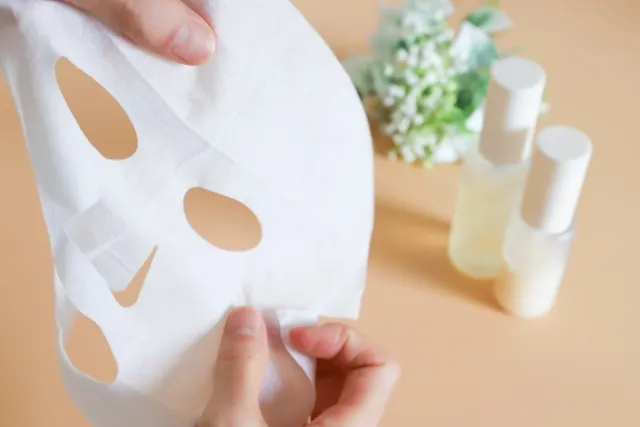
Face masks are useful items for seasons when dry skin is a concern or when you feel your skin tends to become rough. By using a highly moisturizing face mask, you can thoroughly hydrate your skin and protect it from dryness. However, with so many face masks available on the market, it can be difficult to know which one to choose. In this article, we will explain in detail how to select and use a highly moisturizing face mask, providing key points for choosing the optimal item according to your skin concerns.
Chapter 1: What Are the Basics of Face Masks?
A face mask is a skincare item in sheet form that contains beauty ingredients. It is popular among those who want to perform effective skincare even on busy days because it is easy to use. Face masks have the effect of delivering moisturizing ingredients and nutrients directly to the skin, helping to improve dry skin and rough skin in a short time.
Types of Face Masks
There are various types of face masks, but to enhance moisturizing effects, it is recommended to choose the following types.
- Sheet type: The sheet type, which fits snugly on bare skin, allows moisturizing ingredients to penetrate the skin easily and provides hydration efficiently.
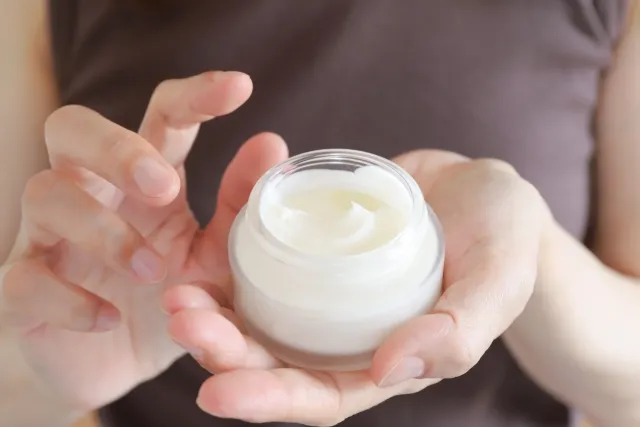
- Cream type: Cream-type face masks adhere closely to the skin to provide thorough moisture, making them recommended for those with severe dryness.
- Gel type: The gel type has a light feel and can provide not only hydration but also a tightening effect on the skin, making it perfect for those who prefer a refreshing finish.
Benefits of Face Masks
- Easy hydration: In just a few minutes of use, you can efficiently provide your skin with the necessary nutrients, making it perfect for busy morning or evening skincare routines.
- Targeted care: Face masks can be used to focus on areas where dryness is a concern, allowing them to be utilized not only for hydration but also for anti-aging and brightening care.
- Relaxation effect: Using a face mask allows you to secure a moment of relaxation, benefiting not only your skin but also your mental well-being.
Chapter 2: How to Choose a Highly Moisturizing Face Mask
When choosing a face mask, it is important to select one with high moisturizing effects. Here, we will explain in detail the key points for selecting the right face mask to prevent dry skin.
1. Check the Moisturizing Ingredients
The most important role of a face mask is hydration. Choose a mask that contains highly moisturizing ingredients. The following ingredients are effective for dry skin.
- Hyaluronic acid: An ingredient that provides moisture to the skin and has high moisturizing power. It is an essential component for improving dry skin.
- Ceramides: They strengthen the skin’s barrier function and help prevent dryness. They support the skin’s ability to retain moisture.
- Collagen: Helps maintain skin elasticity and enhances moisturizing effects. It is a moisturizing ingredient especially recommended for use alongside anti-aging care.
- Glycerin: An ingredient that provides moisture to the skin and prevents dryness, leaving the skin feeling soft and hydrated.
2. Choosing According to Skin Type
It is important to choose a face mask according to dry or sensitive skin.
- Dry skin: Choose masks that are primarily formulated with highly moisturizing ingredients. Those rich in hyaluronic acid and ceramides are recommended.
- Sensitive skin: For sensitive skin, choose face masks that do not contain alcohol or fragrances and are low in irritants. Those made with natural or organic ingredients are ideal.
- Oily skin: For oily skin, it is best to choose masks that provide moisture without feeling greasy. Gel-type face masks or oil-free options are effective.
3. Check the Feel and Finish
The feel and finish of a face mask are also important. By choosing one that suits your skin, you can perform more effective moisturizing care. Using a face mask that does not suit your skin may cause itching or redness, so it is important to conduct a patch test and check the feel before use.
Chapter 3: How to Use Face Masks Effectively
By using a face mask correctly, you can achieve more effective moisturizing care. Here, we will introduce how to use a face mask effectively and key points to keep in mind during use.
1. Follow the Recommended Usage Time
You might think that leaving a face mask on for a long time is more effective, but excessive use can actually cause dryness. Follow the usage time indicated on the mask’s packaging and keep the mask on your skin for the appropriate duration.
- Sheet type: About 10 to 15 minutes is recommended. Leaving it on for too long can cause the mask to dry out, which may actually draw moisture away from the skin.
- Cream type: Aim for about 15 to 20 minutes. Cream-type masks provide moisture to the skin and help maintain a soft, hydrated feeling.
2. Prepare Your Skin Before Using a Face Mask
Before using a face mask, it is important to thoroughly cleanse your face. If makeup or dirt remains on the skin, the ingredients may not penetrate effectively. After washing, lightly pat your skin dry with a towel, then apply the face mask.
3. Don’t Forget Post-Mask Care
After using a face mask, the skin’s moisture can evaporate quickly, so it is important to moisturize thoroughly. After the mask, apply toner to add extra hydration, then seal it in with serum or cream. This helps maintain the effects of the face mask for a longer time.
Chapter 4: How to Make the Most of Face Masks to Boost Moisturizing Effects
By not just using a face mask but incorporating it skillfully into your daily skincare routine, you can further enhance its moisturizing effects. Here, we will introduce ways to use face masks effectively.
1. Use as Intensive Care Once or Twice a Week
It is effective to use a face mask as intensive care once or twice a week. In addition to your daily skincare routine, using it when dryness is a concern helps keep your skin well-hydrated and healthy. Especially during dry seasons or when your skin feels tired, a face mask provides special care.
2. Use Before Bed to Moisturize Overnight
By using a face mask before bed, you can hydrate your skin overnight, leaving it soft and moisturized in the morning. Since the skin’s recovery ability is enhanced while you sleep, a face mask helps lock in moisture, aiming for bright and plump skin in the morning.
3. Items to Use Alongside Face Masks
Using skincare items that can work synergistically before and after a face mask further boosts moisturizing effects. For example, applying serum before a face mask makes the skin more receptive and enhances hydration. After the mask, using a rich moisturizing cream helps lock in moisture and maintain long-lasting hydration.
Chapter 5: Achieve Soft, Beautiful Skin with Highly Moisturizing Face Masks
By choosing a highly moisturizing face mask and using it correctly, you can prevent dryness and achieve soft, beautiful skin. Face masks are skincare items that can be easily incorporated even into busy daily routines.
When choosing a mask, check the moisturizing ingredients and select one that suits your skin type. For usage, follow the recommended duration and care, and be sure to moisturize after using the mask. By using face masks effectively, you can prevent dryness and achieve healthy, radiant skin.
Chapter 6: Best Timing to Use Highly Moisturizing Face Masks
To maximize the effects of a face mask, it is important to use it at the right time. No matter how high-quality a face mask is, using it at the wrong time can prevent you from getting the full benefit. Here, we will explain the best timing to use a face mask and how to make the most of it.
1. Use During Seasons or Environments Where Dryness Is a Concern
During seasons prone to dryness, especially winter or periods of low humidity, using a face mask at the right time can effectively prevent dry skin. Dry winter air and heated indoor environments can easily deplete the skin’s moisture, so regular hydration helps combat dryness. Face masks are particularly useful as intensive care during such times, providing the skin with thorough hydration.
2. Use as Part of Your Nighttime Skincare Routine
Nighttime is also when the skin undergoes repair, making it an ideal time to use a face mask. During this period, the skin retains moisture more effectively, and the moisturizing ingredients and nutrients in the mask can penetrate easily. Using a face mask after a bath or before bed helps you wake up with soft, radiant skin. Using it overnight allows the moisturizing effects to last throughout the night, leaving your skin bright and well-conditioned the next day.
3. Enhance Absorption by Using After a Bath
After warming up in the bath, your skin becomes softer and pores open more easily. Using a face mask at this time allows moisturizing and beauty ingredients to penetrate the skin more effectively, maximizing their benefits. After lightly patting your face dry with a towel, applying a face mask further enhances hydration.
Chapter 7: Precautions When Using Face Masks
Face masks are a very convenient and easy-to-use skincare item, but there are some precautions to keep in mind when using them. Using them incorrectly can actually stress the skin, so it is important to apply them carefully.
1. Follow the Recommended Usage Time
The packaging of a face mask usually indicates the recommended usage time. Leaving a mask on for too long can actually cause dryness. Especially with sheet-type masks, extended use can cause the mask to dry out, leading to moisture loss. By following the appropriate usage time, typically around 10 to 20 minutes, you can ensure the mask effectively benefits your skin.
2. Check the Condition of Your Skin
For those with sensitive skin or a tendency to have allergic reactions, it is recommended to perform a patch test before using a face mask. If the ingredients in the mask do not suit your skin, redness, itching, or stinging may occur. Conduct a patch test before use to ensure there are no adverse reactions.
3. Avoid the Eye and Mouth Areas When Using
When applying a face mask to your entire face, avoid the eye and mouth areas. The skin around the eyes is particularly thin and delicate, and ingredients may cause irritation or get into the eyes. Avoiding these areas helps prevent problems and allows the mask to work most effectively.
Chapter 8: How to Choose Face Masks for Radiant, Clear Skin
There are various types of face masks, but to achieve radiant, clear skin, it is important to choose ones that not only provide moisturizing effects but also contain ingredients that help even out skin tone. Here, we will introduce the features to look for in face masks that enhance radiance.
1. Face Masks Containing Brightening Ingredients
To achieve radiant, clear skin, it is effective to choose face masks that contain brightening ingredients. Common brightening ingredients include vitamin C, arbutin, and niacinamide. These ingredients help reduce dullness and lead to brighter, more translucent skin. Consistent use is important to obtain brightening effects.
2. Face Masks That Support Exfoliation
To enhance skin radiance, it is also important to promote skin turnover and remove old dead skin cells. Using a face mask that contains exfoliating ingredients such as AHA or BHA helps smooth the skin and create a brighter complexion. Following exfoliation with proper hydration further enhances the skin’s clarity and radiance.
3. Face Masks Rich in Moisturizing Ingredients
Loss of skin radiance can be caused by dryness. Therefore, it is also important to choose face masks that are rich in moisturizing ingredients. Selecting masks that contain hyaluronic acid, ceramides, collagen, and other hydrating components helps keep the skin well-moisturized and enhances its natural radiance.
Chapter 9: Combining Face Masks with Skincare to Maximize Their Effects
Using a face mask alone is already excellent for hydration, but combining it with other skincare items can further enhance its effects. Here, we will explain which skincare products to use alongside face masks to maximize their benefits.
1. Use Toner to Prepare the Skin
Before using a face mask, applying toner helps prepare the skin, making it easier for the mask’s active ingredients to penetrate. Using a highly moisturizing toner, such as one containing hyaluronic acid or collagen, enhances the mask’s effectiveness. After hydrating the skin with toner, applying a face mask leaves the skin soft, balanced, and more radiant.
2. Enhance Effects with Serum
Using serum before a face mask provides additional nutrients to the skin. Especially when using serums aimed at brightening or anti-aging, applying them before a mask enhances subsequent effects. Incorporating serums containing vitamin C or niacinamide helps achieve more radiant, clear skin.
3. Seal in Moisture with a Hydrating Cream
After using a face mask, seal in moisture with a hydrating cream to prevent the skin’s water from evaporating quickly. Using a cream containing ceramides or hyaluronic acid helps maintain the mask’s effects for a longer time and protects the skin from dryness, keeping its radiance lasting longer.
Chapter 10: Conclusion – Achieve Radiant, Clear Skin with Face Masks
To achieve radiant, clear skin, both the choice and use of a face mask are important. Selecting masks that focus on moisturizing ingredients and also contain brightening or anti-aging components is key to enhancing skin clarity. When used properly, face masks help prevent dryness and dullness, keeping the skin soft and hydrated.
By following the recommended usage time and properly performing skincare before and after use, you can maximize the effects of a face mask. Additionally, using face masks at the right timing and combining them with your daily skincare routine helps create even more radiant, clear skin.
Incorporate face masks effectively into your routine, and alongside daily skincare, protect your skin from dryness and achieve radiant, clear, and healthy-looking skin.







 Toll-free