






Acne, redness, dryness and fine lines, enlarged pores—many skin troubles begin with the accumulation of “over-cleansing” and “insufficient (or misdirected) moisturising.” The key is to remove only dirt without damaging the barrier function of the stratum corneum, quickly replenish the lost moisture and retain it for a long time, and prevent it from escaping with a light layer of oil. In this article, based on dermatological principles, we systematically explain the correct procedures for “cleansing and moisturising to prevent troubles” that anyone can start practising today, taking into account skin type, season, and living environment.
1. First, the basic knowledge: Why the skin becomes less prone to irritation with “proper cleansing × moisturising”
The starting point that determines the skin’s condition is the health of the stratum corneum barrier. The stratum corneum is often likened to “bricks and mortar.” The corneocytes, which correspond to the bricks, are sponge-like clusters rich in keratin and natural moisturizing factors (NMF: amino acids, PCA, lactic acid, urea, etc.), while the intercellular lipids (ceramides, cholesterol, free fatty acids) act as the mortar. These lipids are arranged in layers (lamellae), encapsulating water while blocking external stimuli and allergens. The better the lamellar structure is maintained, the more the skin functions like a “flexible, tear-resistant waterproof cloth,” making it harder for internal moisture to escape.
What happens when cleansing is too strong or friction is applied? First, surfactant micelles dissolve lipids such as ceramides while simultaneously washing away NMF. In addition, high-pH cleansers temporarily shift the weakly acidic sebum film on the stratum corneum surface (pH 4.5–5.5) toward alkalinity, impairing the function of enzymes optimised for acidity that are involved in lipid metabolism (such as β-glucocerebrosidase and acid sphingomyelinase). As a result, lamellar reconstruction slows, and the balance of corneodesmosome degradation, which links corneocytes, is disrupted, leading to increased flaking and fine cracks. Even if these micro-failures are invisible to the naked eye, they behave as “gaps” in the barrier, raising transepidermal water loss (TEWL). This triggers a chain of discomforts such as dryness, tightness, fine lines, redness, and occasionally stinging.
When dryness persists, the sebaceous glands increase secretion in a compensatory rebound. This is the cause of inner dryness (oil–water imbalance), where the cheeks feel dry even though the skin feels greasy to the touch. Increased oil makes it easier for oxidised substances (e.g., squalene peroxides) to accumulate, which can irritate the stratum corneum and cause odour. In other words, the more one intensifies cleansing out of a desire for a “fresh” feeling, the more likely one is to fall into a negative cycle of dryness → excessive sebum → stronger cleansing again.
From the perspective of resident bacteria, the weakly acidic sebum film is also important. Commensal bacteria such as Staphylococcus epidermidis remain stable in a mildly acidic environment, forming an ecosystem (skin microbiota) that suppresses the growth of foreign bacteria. Frequent use of high-pH cleansers disrupts this balance, making the skin more reactive to external stress. In addition, alkalinity is known to increase serine protease activity, which can excessively loosen the connections in the stratum corneum, further compromising the barrier and promoting flaking.
So why do “selective cleansing” and “properly sequenced moisturising” provide a solution? Selective cleansing is designed to quickly remove only the “things that should be removed”—sweat, oxidised sebum, particulate dirt, polymers from sunscreen and makeup—while maximally preserving the “things that should remain,” such as lamellar lipids and NMF in the stratum corneum. Specifically, this can be almost achieved by three points: ① lukewarm water (32–34°C), ② using resilient foam to “let it sit and remove over time,” and ③ emulsifying and rinsing briefly without rubbing. Here, the assumption that “a fresh feeling = good cleansing” should be discarded. Excessive degreasing, while providing immediate freshness, leads to tightness and sebum rebound a few hours later.
Moisturising makes sense in the order of water → humectant → emollient (oil). First, toner softens and plasticises the stratum corneum with water close to isotonic. Next, humectants (hyaluronic acid, glycerin, PCA-Na, etc.) create a layer that “holds” moisture. Finally, emollients (lotion, cream, oil) block evaporation and, ideally, contain ceramides, cholesterol, and fatty acids to repair lamellar defects. When these three layers are in place, even if NMF is lost, water retention recovers and TEWL decreases. At the same time, the stratum corneum becomes soft and uniform, increasing resistance to friction and making it less likely to break down from rubbing with masks or hair during the day.
What’s important is managing “waiting time” and “layer thickness.” After applying a humectant, wait just 30–40 seconds for the surface to settle into a “moderately moist” state; the following emollient then spreads as a thin, even veil, preventing pilling or layer misalignment. As for oil, the basic zoning is thin on the T-zone and slightly thicker on the U-zone. If applied incorrectly and thickly across the entire face, it can cause the next product to slide or clump on the oily layer, leading to problems.
Finally, to summarise the key points, the mechanism by which the skin becomes less prone to irritation is simple. Preserve the barrier with gentle cleansing that maintains a weakly acidic environment, and rebuild the stratum corneum’s “moisture” and lamellar structure in the order of water in (toner) → hold (humectant) → lock in (emollient). This lowers TEWL, interrupts the chain of micro-inflammation, and soothes sebum rebound. As a result, even with the same living environment and cosmetics, visible issues such as tightness, redness, flaking, and greasiness are reduced, moving the skin into a stable state where “cleansing does not irritate / moisturising does not feel greasy.” Proper cleansing and moisturising are not merely “skincare routines” but a design that works with skin physiology itself.
2. Basic Design of Cleansing: Correct Procedures by Time of Day and Skin Type
2-1 Morning: “Tune” the skin without damaging the barrier
The purpose in the morning is not to “remove everything” but to adjust only the sebum, sweat, and skincare residues that have surfaced overnight—i.e., to tune. The lamellae of the stratum corneum (layers of ceramides, cholesterol, and fatty acids) are at their softest and most fragile immediately upon waking. Applying strong cleansing or friction at this time causes TEWL (transepidermal water loss) to spike, triggering a cycle of tightness and sebum rebound from the morning onward.
First, wash your hands before touching your face to prevent transferring sebum or styling products. Next, rinse briefly with lukewarm water (32–34°C) for 10–15 seconds to remove sweat and water-soluble impurities. For the sebum-prone T-zone only, use a low-irritation gel or foam cleanser with amino-acid-based or amphoteric (betaine-based) surfactants, and let the foam “sit for 10–20 seconds” to enzymatically lift dirt. Do not rub; let the foam cushion reduce contact pressure to near zero. The cheeks and jawline are often sufficiently cleansed with lukewarm water alone, and this targeted cleansing works especially well for those prone to dryness.
Rinse the entire face 15–20 times briefly. Stop just before the “completely slick-free” point to prevent excessive loss of lamellar lipids and NMF. Use a clean, soft towel and simply “pat” the face; wiping motions can create tiny stratum corneum tears and trigger micro-inflammation. Ideally, this entire process takes less than 60 seconds. Moving to moisturising (toner → humectant → emollient) within 60 seconds after cleansing stabilises the barrier in the morning’s “golden one minute.”
Guidelines for fine-tuning:
- Oily morning…apply slightly more foam to the T-zone, leaving it for up to 20 seconds. Use lukewarm water only on the U-zone.
- Dry-prone morning…use lukewarm water on the entire face, or apply a very small amount of foam to the T-zone only, letting it “sit briefly.”
2-2 Evening: Gently and reliably remove makeup, sebum, and PM (particulate matter) impurities
At night, the basic routine is cleansing → washing. However, if makeup and sunscreen are fully emulsified and removed with a balm, cream, or oil, a second wash can be skipped (a “tight, squeaky” feeling indicates over-cleansing). The guideline is to balance the absence of oily residue or slipperiness with not feeling overly tight.
Let’s improve the precision of the procedure.
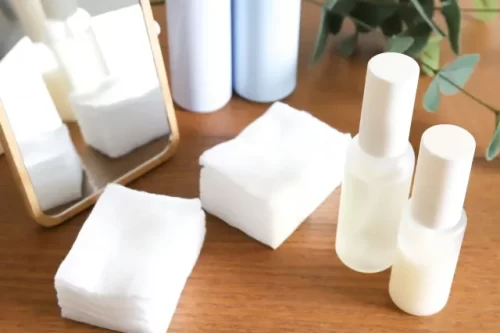
- Prioritise point makeup: For eyes and lips, avoid friction by using a dedicated oil-based remover or micellar water on cotton, “let it sit for a few seconds, then slide once.” Do not rub back and forth.
- Main cleansing: On dry hands and a dry face, spread balm, cream, or oil using the entire palm, not fingertips. Instead of drawing circles from the outside in, blend with short strokes along the skin’s tension lines (Langer lines).
- Emulsification: Add just enough lukewarm water to fill your palms and swirl for 10–15 seconds. The more it turns milky (emulsifies), the less residue remains when rinsing.
- Rinsing: Carefully rinse 30–40 times with water at 32–34°C. Areas along the hairline, the sides of the nose, and under the chin are prone to residue, so finish by pouring water from cupped hands over these areas for even coverage.
If the base is waterproof or a highly adhesive film type, a balm or rich milk with a high oil content is safer as it reduces friction. For light sunscreen and minimal makeup, milk or gel is sufficient. Making double cleansing a routine “because it feels good” fosters barrier breakdown and inner dryness. The rule is: only when necessary, as needed.
When using micellar water, minimise the number of wipes, and on sensitive days, rinse with lukewarm water to reduce friction risk. Move to moisturising within 60 seconds after cleansing. The longer you wait, the more TEWL rises, slowing the skin’s overnight recovery process.
2-3 Fine-tuning by skin type (adjustment points in the design)
Dry / sensitive skin
- Low-irritation × short duration is the top priority. In the morning, use lukewarm water only, or apply foam to the T-zone briefly. At night, use a balm or milk with minimal friction, emulsify carefully, and rinse thoroughly.
- Fragrances, high alcohol, and high pH are aggravating factors on “sensitive days.” When skin condition is unstable, shorten cleansing contact time to 30–45 seconds.
- Moisturising: apply toner → humectant (hyaluronic acid / glycerin / PCA-Na) → emollient containing ceramides, cholesterol, and fatty acids, zoning thin on the T-zone and slightly thicker on the U-zone. Do not rub and wait 30–40 seconds—this determines the final result.
Oily / combination skin
- Always use lukewarm water. The hotter it is, the more degreasing occurs, triggering stronger compensatory sebum secretion.
- In the morning, apply thicker foam to the T-zone and leave slightly longer (up to 20 seconds), while keeping foam thin or using lukewarm water only on the U-zone.
- At night, use oil or balm → emulsify thoroughly → rinse carefully to “completely remove quickly.” For those prone to shine, avoid dragging out cleansing time, as this helps prevent sebum rebound.
- Once or twice a week, use soft deep cleansers like clay or enzyme masks limited to the T-zone. Daily strong scrubbing promotes micro-inflammation and excessive sebum.
Acne-prone / redness-prone skin
- Top priority: do not rub, touch, or increase frequency. Even on the nose where blackheads are a concern, daily scrubbing is counterproductive.
- If using acid treatments, limit low-concentration BHA (salicylic acid) or PHA (gluconolactone) to twice a week. Avoid regular use of rub-in peels or strong scrubs.
- Change towels and pillowcases frequently, and manage the transfer of oil and styling products from bangs. When cleansing, use short strokes along the hair direction to “remove without moving” the product.
- Before sealing with oil, thoroughly “add water and lock it in” during moisturising. Correcting inner dryness calms sebum overproduction, which in turn tends to stabilise the conditions that lead to comedone formation.
——Conclusion. In the morning, tune; at night, remove thoroughly. Both share the principles of short duration, low friction, lukewarm water, and zoning. Design cleansing to neither overdo nor underdo—“only as much as necessary, only where necessary”—and lock in the barrier immediately with moisturising within 60 seconds. This is the fastest route to skin that remains resilient regardless of seasonal or condition fluctuations.
3. The three-layer theory of “proper moisturising”: add water, hold it, and lock it in
The essence of moisturising lies in order and layer thickness. The stratum corneum consists of corneocytes as “bricks” and intercellular lipids as “mortar” (mainly ceramides, cholesterol, and free fatty acids), forming a lamellar structure—a liquid-crystal-like layered arrangement. When this is well organised, TEWL (transepidermal water loss) decreases, and the penetration of irritants and allergens is suppressed. To recreate this “architecture” from the outside, three layers are applied thinly, evenly, and in sequence: ① add water → ② hold water → ③ block evaporation.
3-1 Layer 1: Use toner to introduce “water” across the surface
The goal is to quickly and evenly raise the stratum corneum’s “water content.” Instead of patting in small points, apply with full-surface contact and allow it to gradually penetrate the stratum corneum.
- Amount and temperature: Warm an amount about the size of a 500-yen coin in your palms to near body temperature before applying. The smaller the temperature difference, the less the stratum corneum is “shocked,” allowing it to absorb water evenly.
- Order and technique: Hand-press in the sequence of cheeks → forehead → around the mouth → around the eyes. Press and lift with the entire palm 3–5 times. Zero friction is essential.
- Double application on dry areas: On dry “hot spots” such as above the cheekbones or beside the corners of the mouth, let the product sit once more. Even when using cotton, the rule is to “place, not slide.”
- Signal: The surface feels smooth while the inside feels plump. Once this texture is achieved, move to the next step. No waiting time is needed here, as water escapes easily—proceed directly to the second layer.
Note: Pre-treatment liquids (boosters) can be effective for adjusting pH or the interface, but rubbing them in is counterproductive. On days you use them, slightly reduce the amount of toner to prevent the total “water volume” from becoming excessive.
3-2 Layer 2: Use serum to “hold water” (humectant)
This layer extends the “residence time” of water. Apply a thin, single layer of humectant ingredients such as hyaluronic acid, glycerin, PCA-Na, amino acids (derived from NMF), or polyols like propanediol.
- Ingredient selection:
- Hyaluronic acid serves different roles depending on molecular weight. High-molecular-weight forms create a surface water-retaining layer, while low- and medium-molecular-weight forms help retain water within the stratum corneum. Formulations blending multiple molecular weights tend to work more evenly.
- Glycerin, PCA-Na, and amino acids reinforce NMF. In particular, PCA-Na supports salt balance, helping create a moist yet non-greasy texture.
- Barrier-supporting ingredients like niacinamide should have their concentration reduced on days when you notice irritation or odour.
- Hyaluronic acid serves different roles depending on molecular weight. High-molecular-weight forms create a surface water-retaining layer, while low- and medium-molecular-weight forms help retain water within the stratum corneum. Formulations blending multiple molecular weights tend to work more evenly.
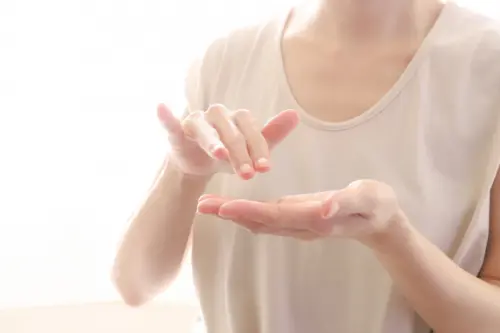
- Application technique: Warm 2–3 rice-grain-sized amounts in your palms for 10 seconds before spreading thinly. Placing it in points with fingertips can create uneven layer thickness, so use the entire palm to apply a “veil.”
- “Waiting” prevents unevenness and pilling: let it sit for 30–40 seconds, until the surface feels smooth and the interior moist, before proceeding. Rushing here increases the risk of pilling at the interface with the next layer (Layer 3).
- Correlation of humidity and concentration: On days with extremely low humidity, stopping at the humectant layer alone can actually draw water out. It is safest to always use it with the assumption that Layer 3 will seal it in.
3-3 Layer 3: Use lotion, cream, or oil to “block evaporation” (emollient)
The final layer is the “door that keeps water in.” Apply a thin layer of lamellar-type lotion or cream containing ceramides, cholesterol, and fatty acids, or use squalane, light esters, or silicones (dimethicone). The ideal is “minimal weight for maximal sealing.”
- Emollient vs Occlusive:
- Emollient (skin smoothness and flexibility): squalane, light esters, silicones, etc. Suitable for creating a thin, even layer.
- Occlusive (strong evaporation barrier): petrolatum, mineral oil, shea butter, etc. Safe use involves targeted application or night-only use.
- A near-equimolar blend of ceramides (NP/AP/EOP, etc.) + cholesterol + fatty acids is designed to directly repair the stratum corneum’s “mortar.” The key is to layer thinly and evenly, without overdoing it.
- Emollient (skin smoothness and flexibility): squalane, light esters, silicones, etc. Suitable for creating a thin, even layer.
- Zoning: T-zone = very thin, U-zone = slightly thicker. Heavy oil layers on sebum-prone areas can easily trigger clogged pores. Aim for a T:U layer thickness ratio of approximately 1:2.
- Application: Spread the product across both palms and “place it as a veil.” Spotting or thick layering leads to unevenness and shine. Apply thinner on dynamic areas like nasolabial folds and mouth corners, and slightly thicker on the high points of the cheeks to prevent cracking.
- Differences between morning and night:
- Morning…light layer (lotion or light cream) + zoning. The top priority is not disrupting the polarity compatibility with primer or UV products.
- Night…use a slightly richer cream to wrap the face more broadly. On dry days, add occlusive products only to targeted spots (e.g., outer corners of the eyes and mouth).
- Morning…light layer (lotion or light cream) + zoning. The top priority is not disrupting the polarity compatibility with primer or UV products.
Note: Applying oil alone first repels the water-based layers in subsequent steps, causing unevenness. Always follow the order: water → humectant → emollient.
3-4 Amount, timing, and touch—practical principles that determine the final result
- Guideline for amounts: Toner = about the size of a 500-yen coin; serum = 2–3 rice-grain-sized drops; lotion/cream = about the size of a 10-yen coin. Stop slightly short if unsure—this helps achieve an even layer.
- Staggered settling: Only wait 30–40 seconds after Layer 2. Move directly from Layer 1 → Layer 2 without pause; once Layer 3 is applied, do not touch it.
- Pressure: Throughout, use only “press and place.” Rubbing or pulling causes micro-cracks and redness in the stratum corneum. Consider friction from towels, bedding, or bangs as “enemies of moisturising,” keeping contact surfaces clean and soft.
3-5 Tuning by season and skin type (key points only)
- Dry / sensitive: Focus Layer 2 on NMF-based ingredients; Layer 3 use lamellar-type lotion slightly thicker on the U-zone. Avoid fragrances and high alcohol on unstable days.
- Oily / combination: Apply Layer 2 thoroughly; Layer 3 should be very thin on the T-zone. Use petrolatum only on targeted spots if needed (e.g., outer corners of the eyes).
- High humidity: Lighten Layer 3 and increase zoning differences. Rehydrate with a mist, then lightly pat with palms to even out the layer.
- Low humidity / air-conditioned environment: Increase Layer 2, and use a ceramide-containing product for Layer 3. Apply occlusive to targeted spots (corners of the mouth and eyes) before bed to prevent cracking.
3-6 Common mistakes (just three):
- Sealing with oil without adding water: If the interior remains dry, it can cause the contradictory combination of morning shine and flaking.
- Stopping at the humectant layer alone: Especially on dry or low-humidity days, this can actually draw water out. Seal with Layer 3.
- Strong friction and thick layering: Excess strokes, quantity, or rubbing lead to pilling, unevenness, and redness. Apply thinly, place, and wait to avoid these issues.
Summary
Moisturising is about “design, not quantity.” Hydrate the stratum corneum evenly with water (Layer 1), extend water retention with humectants (Layer 2), and minimise evaporation with emollients (Layer 3). By applying this with zoning and staggered settling, even the same products feel more hydrating, less greasy, and less irritating. “Thin, even, wait”—these three principles form the fastest route to resilient skin.
4. Fine-tuning “moisturising and cleansing” according to season, environment, and lifestyle
4-1 Spring–summer (high temperature, high humidity, sweat): use a “lightweight, short-contact” routine that resists over-softening and dampness
In spring and summer, sweat and atmospheric moisture can temporarily hydrate (soften) the stratum corneum, loosening the connections between corneocytes. When friction from masks, bangs, or fingers is added, micro-peeling can occur, leading to redness, roughness, and inner dryness. The key is threefold: don’t over-cleanse, don’t over-leave, don’t over-touch.
In the morning, prioritise “tuning.” Pre-rinse the entire face with lukewarm water (32–34°C), then apply amino-acid-based or low-irritation gel foam only to the T-zone, letting it sit for 10–20 seconds, and rinse quickly. On some days, leave the cheeks with lukewarm water only to avoid over-stripping. Pat water off with a towel—do not rub.
For moisturising, let water → humectant (holding water) take the lead, and keep emollients thin. The ideal is “moderately moist” in the U-zone and “surface-smooth” in the T-zone. Finish with lotion or cream, zoning thin on the T-zone and slightly thicker on the U-zone, and apply with both palms as a “veil,” leaving it at that. Keeping the initial layers light helps prevent greasiness during the day and maintains the barrier under a mask.
During the day, when the barrier softens from outdoor air and sweat, efficiently restore it through rehydration and realignment. First, gently blot the T-zone with the surface of a tissue to remove mobile sebum and sweat. Next, spray 1–2 pumps of a moisturizing mist into the air and pass your face through the mist to receive only a small amount of water. Lightly stamp with your palms. This rehydrates the humectant layer and helps powders or pigments rebind evenly. On days with anticipated mask friction, apply a low-irritation barrier cream as a thin liner along the cheekbone ridge to reduce fiber rubbing and prevent redness hotspots. Dry the roots of bangs thoroughly to maintain an air pathway on the forehead, slowing barrier softening caused by trapped moisture.
After bathing or exercising, sweat is a mildly irritating solution mixed with salts and sebum. Rather than rushing to strong cleansing, rinsing with lukewarm water and applying foam only to the T-zone is often sufficient. For clogged pores on the nose, limit to enzyme cleansers or mild acids (low concentration) up to twice a week, avoiding daily strong friction or prolonged masks.
4-2 Autumn–winter (low temperature, low humidity, air conditioning): in high-TEWL conditions, apply the “add → hold → seal” routine quickly, with layer thickness adjusted by zone.
In autumn and winter, low outdoor and indoor humidity raises TEWL (transepidermal water loss) in the stratum corneum. The barrier dries and hardens, and even slight facial movements can cause micro-cracks (fine lines). What works here is the “golden three minutes” routine, emphasising lamellar structure.
At night, minimise the “number of steps and contact time” in cleansing/washing. While the bathroom temperature and humidity are still elevated, complete Layers 1–3 of moisturising within three minutes after bathing. Layer 2 should be NMF-based (hyaluronic acid, glycerin, PCA-Na, amino acids), applied thinly and evenly, and left for 30–40 seconds until the surface feels smooth and the interior moist. Layer 3 should be a lamellar-type lotion or cream with a balanced blend of ceramides, cholesterol, and fatty acids, applied thicker on the U-zone and thinner on the T-zone to seal. On dynamic and dry intersections such as the outer corners of the eyes, mouth corners, and beside the nose, apply a small amount of occlusive (e.g., petrolatum) only before bed to prevent cracking.
In the morning, prioritise makeup compatibility and avoid heavy oil layers. Apply toner → NMF-based layer → light emollient, zoning very thin on the T-zone and thin on the U-zone, and let it settle for one minute before applying UV or primer. In cold conditions, reduced blood flow can make redness and dullness more visible, so double-apply toner to the cheeks to even the moisture gradient, helping the base layer sit uniformly. Position yourself to avoid direct exposure to excessive indoor heating, and if possible, use humidification (around 40–60%) to reduce TEWL from the environment. Keep shower water from being too hot and avoid direct contact with the face, which helps prevent stratum corneum lipid loss.
On days you use active ingredients (retinol, acids, etc.), reduce contact time and frequency, and include “rest days” to stabilise the routine. If you notice stinging or tightness, adjust by increasing Layer 2 and sealing with a slightly thicker, softer Layer 3.
4-3 Lifestyle effects: reduce “external noise” that disrupts barrier recovery
The skin recovers according to its biological rhythm. Sleep deprivation or high stress disrupts stratum corneum turnover via elevated cortisol, delaying barrier reconstruction. Establish fixed bedtimes and wake times, and avoid strong light or prolonged screen exposure 1–2 hours before sleep—these form the basis of “internal moisturising.” Drink water in small, repeated amounts rather than all at once, and ensure meals provide adequate essential fatty acids (n-3) and protein, which are substrates for stratum corneum lipid synthesis and NMF production. Excessive alcohol and smoking increase oxidative stress and impair peripheral circulation, raising the risk of dryness and redness.
Contact hygiene is often overlooked. Change pillowcases and face towels frequently, and avoid heavily fragranced or residue-prone fabric softeners, especially during periods of skin sensitivity. Choose simple, low-residue laundry products, and an extra rinse cycle alone can often reduce redness on the cheeks caused by residual irritants. Regularly wipe smartphone surfaces and eyeglass nose pads, and ensure the roots of bangs are dry to limit the transfer of sebum and styling products—controlling these “contact sources” is an important external support for moisturising effectiveness.
When at the gym or outside, never leave sweat on the skin—but avoid strong rubbing. Use lukewarm water spray + soft tissue to gently blot → lightly mist with a moisturizing spray → stamp with palms: this “mini three-step” restores the barrier without disruption. After using alcohol hand sanitizer, residual alcohol on the palms can accelerate evaporative dryness if it contacts the face. Habitually let hands dry completely before applying moisturizer to the hands first, which helps prevent chronic cheek irritation.
Mini-summary (key practical points)
- Spring–summer: gentle cleansing on the T-zone only, U-zone with water rinse; lightweight two layers + ultra-thin top layer. During the day, blot → mist → hand-press to realign.
- Autumn–winter: within three minutes after bathing, apply water → hold water → lamellar seal, U-zone thicker / T-zone thinner. Control environment with humidification and avoid direct drafts.
- Lifestyle: stabilise sleep, maintain contact hygiene, and reduce contact sources to lower external noise and enhance the effectiveness of moisturising.
By continually fine-tuning along these three axes—season, environment, and lifestyle—keeping cleansing contact short, moisturising thin and even, and layering thickness only where needed, the skin gradually becomes more resilient and recovers quickly even when challenged.
5. Common mistakes and immediate corrective alternatives

5-1 Rinsing with hot water for a long time
What happens? Hot water around 40°C fluidises and dissolves the lipid lamellae in the stratum corneum (ceramides, cholesterol, free fatty acids), disrupting the “water channels” between corneocytes. Combined with slightly alkaline cleansers, this sharply increases TEWL (transepidermal water loss), triggering immediate post-wash tightness followed by sebum rebound. Prolonged direct showers also mechanically shear the barrier, damaging its “joints.”
Immediate alternative: rinse with lukewarm water (32–34°C) for a short time, just enough to remove residues. Limit contact duration, and pat dry gently without rubbing.
- Quickly rinse with lukewarm water (32–34°C). Aim to complete pre-rinse, foam application, and final rinse within one minute for the entire face.
- Do not let the shower hit the face directly. Scoop water with your palms and rinse, adjusting the number of passes (around 20 times) until the slippery feeling disappears.
- After bathing, complete Layers 1–3 of moisturising (toner → hold water → thin seal) within three minutes. This alone can interrupt the nighttime dryness cycle.
Mini checklist (3 points)
- Is your rinsing taking more than one minute?
- Are you avoiding direct contact of the shower with your face?
- Are you applying moisturiser within three minutes after bathing?
5-2 Rubbing the foam around / wiping with a towel
What happens? Friction creates micro-cracks (micro-abrasions) on the stratum corneum, disrupting the balance of resident microbiota, pH, and the sebum film. Rubbing foam during cleansing delivers a double blow: mechanical stratum corneum disruption plus over-stripping. Wiping with a towel also lifts the corneocyte “scales,” reducing water retention and creating a hotspot for redness, itchiness, and flaking.
Immediate alternative: rinse with lukewarm water (32–34°C) for a short time, just enough to remove residues. Limit contact duration, and pat dry gently without rubbing.
- Change cleansing to “let the foam sit → let time do the work.” Apply a golf-ball-sized resilient foam to the T-zone for 10–20 seconds, and on the cheeks, let the foam simply touch the skin without rubbing.
- Allow the foam to sit and lift impurities under its own weight before rinsing; this removes dirt without rubbing.
- For blotting, simply press a clean towel against the skin. Do not rub; use 3–4 gentle presses to remove moisture.
Mini checklist (3 points)
- Is your skin remaining stationary under the pressure of your fingertips?
- Are there linear marks left by the towel?
- Are you letting the foam sit for at least 10 seconds?
5-3 Excessive use of alcohol for a “fresh” feeling
What happens? High-concentration alcohol or strong astringents provide a temporary refreshing sensation but cause NMF to leach from the stratum corneum and thin the sebum film. The pH also tends to rise, and disruption of the resident microbiota can prolong chronic micro-inflammation. This results in simultaneous inner dryness and shine.
Immediate alternative: rinse with lukewarm water (32–34°C) for a short time, just enough to remove residues. Limit contact duration, and pat dry gently without rubbing.
- Strictly follow the order: water → hold water → emollient. Apply toner with full-surface contact, serum thinly and evenly, and seal with a thin layer—very thin on the T-zone, slightly thicker on the U-zone.
- Limit alcohol-heavy wipes to special occasions. For daily use, choose low-irritation, low-residue products.
- If T-zone greasiness persists, use a light gel containing Zinc PCA or niacinamide applied in targeted spots to help regulate sebum production.
Mini checklist (3 points)
5-4 Repeated extraction of comedones (using tweezers, peel-off sheets, or strong friction)
What happens? Comedones are “plugs” of sebum and keratin. Physically pulling them out damages the pore edges, increasing the risk of enlargement and post-inflammatory hyperpigmentation. This can trigger compensatory hyperkeratinisation, leading to a cycle of re-clogging.
Immediate alternative: rinse with lukewarm water (32–34°C) for a short time, just enough to remove residues. Limit contact duration, and pat dry gently without rubbing.
- In daily life, stick to zero-friction routines, and use enzyme cleansers (protein-degrading) or low-concentration acids (BHA/PHA) only 1–2 times a week. Basic use is limited to the T-zone.
- At night, provide sufficient hydration → keep the “core” of comedones soft with a thin occlusive layer, promoting natural expulsion.
- Only when blockages are particularly noticeable, within five minutes after bathing, “gently dissolve” with oil → emulsify → rinse briefly. Finger pressure is prohibited.
Mini checklist (3 points)
- Is the frequency of physical extraction limited to 0–1 times per week?
- Is comedone care limited to the T-zone?
- Is “zero friction” maintained the day after using enzymes/acids?
5-5 “Trying to solve it with quantity even though it’s not suitable”
What is happening?
When the skin exceeds its saturation point, it stops absorbing, and any excess remains on the surface → leading directly to unevenness, flaking (pilling), and reduced makeup adherence. If there is a polarity mismatch in formulations (e.g., heavily applying oil-based products over water-based ones), slippage occurs between layers, reducing adhesion.
Immediate alternative: rinse with lukewarm water (32–34°C) for a short time, just enough to remove residues. Limit contact duration, and pat dry gently without rubbing.
- “Solve it with ‘waiting time’”: leave each layer for 30–40 seconds, and confirm by touch that the surface is smooth while the middle remains moisturised before moving to the next.
- Zoning: use half the amount on the T-zone, the standard amount on the U-zone. Around the eyes, only the remaining amount is sufficient.
- Match polarity: water-based → water-based → light oil in that order. Heavy oils are for night only; in the morning, seal with a light emulsion.
Mini checklist (3 points)
- Are adjustments being made with “waiting” and “distribution” rather than “quantity”?
- Are you avoiding heavy application on movable areas (corners of the mouth and outer corners of the eyes)?
- In the morning, are you switching to a light occlusive layer?
Immediate Stop Manual (3 Key Points)
- Prohibit hot water and prolonged rinsing: use 32–34°C, briefly, and scoop with hands.
- No rubbing: leave the foam, press the towel, keep contact brief.
- Design over quantity: water → hydration → thin occlusive layer, increase adhesion with zoning + “30–40 seconds of waiting.”
These adjustments are “effective levers” that can change how your skin feels from that very day. Without damaging the barrier, apply only what is needed where it is needed, in the correct order and timing — this is the shortest route to resilient, improving skin.
6. Select by ingredients: a “sure eye” for cleansers and moisturisers.
6-1 Cleansers
Amino acid-based surfactants (such as sodium cocoyl glutamate) are low-irritation and balanced, without leaving too much sebum. Soap-based cleansers give a strong fresh feeling, but frequency adjustment is essential for dry or sensitive skin. Scrubs and high-concentration acids are not suitable for daily use. In all cases, creating a cushion with foam is the first step in preventing friction.
6-2 Moisturisation
Hyaluronic acid, glycerin, and PCA-Na are the main agents for water retention. Ceramides NP/AP/EOP are key for replenishing intercellular lipids, aiding barrier recovery. Niacinamide contributes both to water retention and sebum regulation, and panthenol supports soothing. For those sensitive to fragrances or high-concentration ethanol, start with fragrance-free and low-alcohol options.
7. Morning and night “complete routine” — zero friction, just what’s necessary and sufficient.
7-1 Morning (estimated 3 minutes)
Quickly pre-rinse the face with lukewarm water → apply low-irritation cleansing foam only on the T-zone → rinse gently → press-dry with a towel → apply toner by patting → lightly apply moisturizing serum → thin layer on T-zone, slightly thicker on U-zone with emulsion/cream → proceed with makeup. The key is to complete “apply, hold, thinly seal” within 3 minutes.
7-2 Night (estimated 5–6 minutes)
Massage cleansing onto dry hands, emulsify → rinse → (only if needed) brief cleansing → apply toner within 3 minutes → moisturizing serum → cream. On irritated days, finish with a thin layer of barrier cream or ceramide-rich product. Any “additional layer” right before bed should be the thinnest amount, considering transfer to the pillow.
8. QA: Quickly address common concerns from an expert perspective.
Q. How many times a day should I cleanse?
A. Basically, twice a day, morning and night. For those with low sebum production, alternate mornings with just lukewarm water to preserve the barrier. After exercise, a brief additional cleansing with foam is fine.
Q. Can mist alone provide moisturisation?
A. It temporarily supplies water, but without a layer to hold it (humectant) and a layer to prevent evaporation (emollient), it quickly evaporates. After misting, press with hands → lightly seal with emulsion/cream.
Q. How can I identify inner dryness?
A. Signs include a sticky feel to the touch while the cheeks feel tight, makeup smudging easily, or flaking in the evening — indicating water deficiency × excess oil. Use gentle cleansing, and strictly follow the order of hydration → water retention → thin occlusive layer for moisturisation. Regulate only the T-zone with niacinamide or similar ingredients.
9. Key Points (just three are enough to remember)
-
C
- leansin g with 32–34°C lukewarm water
- × brief duration × lea
- vin g foam in place. Toner → moisturizing serum → emulsion/cream: “water → retention → thin seal.” Zoning (thin on T-zone / slightly thicker on U-zone) and “30–40 seconds waiting time” to ensure penetration and adhesion.
10. Action Plan from Today: Small changes lead to big results.
Starting tonight, implement zero-friction cleansing (emulsify without rubbing) and shorten your washing time. After bathing, complete the three layers of moisturisation within 3 minutes, and in the morning, try using cleanser only on the T-zone and lukewarm water on the U-zone. If continued for a week, you should notice reduced tightness, improved makeup longevity, and calming of redness. Skin responds honestly to “small, consistent correct steps.” Once you master barrier-protecting methods, “resilient skin” that resists seasonal and environmental changes becomes your standard.
If there is pain, severe itching, pus, or other inflammatory symptoms, do not self-diagnose; seek care from a dermatologist. Self-care serves as a foundation for addressing mild to moderate skin issues.







 Toll-free