





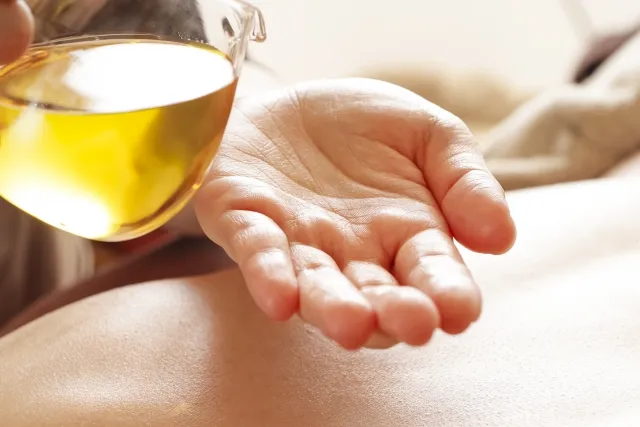
“Becoming beautiful through the power of nature” — as an item that fulfils such a wish, organic beauty oils are chosen by many people. Oils extracted from plants have been used for beauty and healing since ancient Egypt and Greece, and in modern times, their effectiveness has been increasingly clarified through scientific research.
However, with so many varieties, there are quite a few people who feel confused, thinking, “I don’t know which one to choose” or “I want to know the correct way to use it.” This article delivers a complete guide of more than 10,000 words, both specialised and practical, covering everything from the history of organic beauty oils to the latest research, how to choose according to skin type and purpose, specific usage methods, and points of caution.
1. The History and Background of Organic Beauty Oils
Organic beauty oils are not only a modern trend but also a beauty practice deeply connected to human history.
- Ancient Egypt: Olive oil and almond oil, said to be favoured by Cleopatra, were used for moisturizing and as fragrances.
- Ancient Greece and Rome: Records show that athletes and soldiers used oils for skin protection and massage.
- Japan and China: Camellia oil and sesame oil have been used for hair and skin care.
In modern times, “organic” is emphasised because consumers support oils that are cultivated and extracted without pesticides or chemical fertilisers, using methods that are gentle on the environment and health.
2. The Effects of Beauty Oils from a Scientific Perspective
The appeal of beauty oils does not remain merely a sensory impression of “natural is good.” Their effectiveness has been supported by research.
- Essential fatty acids (Omega-3 and -6): Maintain healthy cell membranes and strengthen barrier function.
- Vitamin E (tocopherol): Has antioxidant properties and prevents skin aging.
- Phytosterols: Suppress inflammation and contribute to calming sensitive skin.
For example, argan oil has antioxidant and moisturizing effects, and clinical studies have reported improvements in skin elasticity.
3. How to Choose Oils by Skin Type and Purpose
The properties of oils are not uniform, and it is necessary to choose the type suitable for your skin type and purpose.
For Dry Skin
- Argan Oil: Rich in oleic and linoleic acids, providing deep moisturizing effects.
- Avocado Oil: Contains vitamins A, D, and E, making it ideal for anti-aging care.
For Oily Skin
- Jojoba Oil: Has a structure similar to sebum, helping to normalise sebum production.
- Grapeseed Oil: Light in texture and helps prevent clogged pores.
For Sensitive Skin
- Rosehip Oil: Rich in vitamin C and soothes inflammation.
- Chamomile Oil: Has anti-inflammatory properties that help prevent skin irritation.
For Anti-Aging Care
- Marula Oil: Highly oxidatively stable and targets wrinkles and sagging.
- Pomegranate Seed Oil: Provides antioxidant power through polyphenols.
4. Comparison of Oil Types and Their Components
To understand the appeal of organic beauty oils, it is important not only to classify them as “for dry skin” or “for oily skin” but also to know how differences in their component makeup affect the skin. In particular, the proportions of fatty acids, vitamins, and polyphenols influence moisturizing power, penetration, and oxidative stability.
4-1 Fatty Acid Composition and Its Effects on the Skin
The main fatty acids contained in beauty oils are as follows.
- Oleic Acid (Omega-9)
Characteristics: Softens the skin and enhances moisture retention.
Suitability: For dry skin. However, excessive use on acne-prone skin may clog pores. - Linoleic Acid (Omega-6)
Characteristics: Similar to sebum components and helps regulate barrier function.
Suitability: Effective for oily and acne-prone skin. Studies have confirmed that linoleic acid deficiency is associated with clogged pores. - Alpha-Linolenic Acid (Omega-3)
Characteristics: Has strong anti-inflammatory properties and is useful for atopic dermatitis and sensitive skin.
Suitability: For skin with redness or itching. Because it oxidises easily, it should be used up within a short period. - Saturated Fatty Acids (such as Palmitic Acid)
Characteristics: Highly oxidatively stable but has a heavy texture.
Suitability: Used in balms or as protective oils in winter.
4-2 Comparison Table of Major Oils
| Oil | NameMain | Fatty AcidsCharacteristic | sSkin Type | SuitabilityOxidativeStability | |||||||||||||||||||||||||||||||||||
| Argan Oil | Oleic Acid 42%, Linoleic Acid 36% | Highly moisturizing, antioxidant, rich in vitamin E | Dry skin, aging skin | High | |||||||||||||||||||||||||||||||||||
| ローズヒップオイル | リノール酸44%、αリノレン酸34% | 抗炎症、美白、ターンオーバー促進 | 敏感肌・色素沈着ケア | 低い(酸化に注意) | Rosehip Oil | Linoleic Acid 44%, Alpha-Linolenic Acid 34% | Anti-inflammatory, brightening, promotes turnover | Sensitive skin, pigmentation care | Low (prone to oxidation) | アボカドオイル | オレイン酸65% | 栄養価高、浸透力抜群 | 乾燥肌・成熟肌 | 中程度 | Avocado Oil | Oleic Acid 65% | Highly nutritious, excellent penetration | Dry skin, mature skin | Moderate | グレープシードオイル | リノール酸70%以上 | 軽いテクスチャー、抗酸化作用 | 脂性肌・若年層 | 低め | Grapeseed Oil | Over 70% Linoleic Acid | Light texture, antioxidant properties | Oily skin, younger skin | Low | マルラオイル | オレイン酸70%以上 | 酸化安定性◎、エイジングケア | 全肌質、特に乾燥肌 | 非常に高い | Marula Oil | Over 70% Oleic Acid | Highly oxidatively stable, anti-aging | All skin types, especially dry skin | Very high | 4-3 科学的研究の裏付け4-3 Scientific Evidenceアルガンオイル:モロッコでの臨床試験により、皮膚の水分保持と弾力改善が実証。Argan Oil: Clinical trials in Morocco have demonstrated improved skin moisture retention and elasticity.ホホバオイル:アクネ患者におけるマッサージ使用で皮脂分泌バランス改善の報告あり。Jojoba Oil: Reports indicate that massage use in acne patients improved sebum secretion balance.ローズヒップオイル:瘢痕(傷跡)治療の補助として有効とされる研究が存在。Rosehip Oil: Studies exist suggesting its effectiveness as an adjunct in scar (wound) treatment.4-4 酸化安定性と保存方法4-4 Oxidative Stability and Storage Methodsオイルは酸化すると、過酸化脂質が肌刺激や老化を引き起こす恐れがあります。When oils oxidise, lipid peroxides can potentially cause skin irritation and aging.酸化に強い:ホホバ、マルラ、アルガンOxidation-resistant: Jojoba, Marula, Argan酸化に弱い:ローズヒップ、グレープシードProne to oxidation: Rosehip, Grapeseed保存のポイントStorage Tips遮光瓶に入った製品を選ぶChoose products in dark, light-resistant bottles.開封後は3〜6か月以内に使い切るUse within 3 to 6 months after opening.冷暗所で保管するStore in a cool, dark place.4-5 応用的なブレンド例4-5 Advanced Blending Examples単体使用だけでなく、ブレンドすることで相乗効果が得られます。In addition to using oils individually, blending them can produce synergistic effects.乾燥+エイジングケア:アルガン+マルラDryness + Anti-Aging Care: Argan + Marula敏感肌鎮静:ローズヒップ+カモミールSoothing for Sensitive Skin: Rosehip + Chamomile脂性肌の毛穴対策:ホホバ+グレープシードPore Care for Oily Skin: Jojoba + Grapeseed5. 正しい使い方のステップ5. Steps for Proper Useオイルは量や順序を間違えると効果が半減します。If the amount or order of application is wrong, the effectiveness of the oil can be halved.導入美容液として:洗顔後、化粧水の前に1滴。ブースター効果で浸透率が向上。As a primer serum: Apply one drop after cleansing, before toner. Its booster effect improves absorption.保湿ケア:化粧水後に2〜3滴をハンドプレス。Moisturising care: After toner, apply 2–3 drops and press in with your hands.クリームとの併用:乾燥が強い部分はクリームに混ぜて塗布。Combined with cream: For very dry areas, mix with cream and apply.※過剰使用は毛穴詰まりの原因になるため注意。※Be careful, as excessive use can clog pores.6. 季節ごとの活用術6. Seasonal Usage Tips気候によって肌が求めるオイルは変わります。The type of oil your skin needs changes with the climate.冬:アルガンオイル+シアバターで乾燥防御。Winter: Argan Oil + Shea Butter for dryness protection.夏:ホホバオイルやグレープシードオイルで軽やかな保湿。Summer: Jojoba Oil or Grapeseed Oil for light moisturising.春・秋:ローズヒップやザクロシードで抗酸化対策。Spring/Autumn: Rosehip or Pomegranate Seed Oil for antioxidant protection.7. ヘアケア・ボディケアへの応用7. Applications for Hair and Body Careオーガニック美容オイルは、スキンケアだけでなく髪・頭皮・全身のケアに応用できるのが大きな魅力です。植物油は皮膚や毛髪の構造と親和性が高いため、「顔だけの特別ケア」ではなく、全身を自然の力で整えるライフスタイルアイテムとして活用できます。Organic beauty oils are not only for skincare but can also be applied to hair, scalp, and the entire body, which is a major appeal. Plant oils have high compatibility with the structure of skin and hair, allowing them to be used not just as “special care for the face” but as a lifestyle item to naturally care for the whole body.7-1 髪への効果と使い方7-1 Effects and Usage for Hair髪質別の適したオイルSuitable Oils by Hair Type乾燥・ダメージヘア:アルガンオイル、ココナッツオイルDry/Damaged Hair: Argan Oil, Coconut Oil細くて絡まりやすい髪:ホホバオイル(軽い仕上がり)Fine, Tangled Hair: Jojoba Oil (light finish)カラーやパーマによるダメージ毛:アボカドオイル(ビタミンEが修復を助ける)Color- or Perm-Damaged Hair: Avocado Oil (Vitamin E aids repair)使い方の実例Practical Usage Examplesアウトバストリートメント
| Rosehip Oil | Linoleic Acid 44%, Alpha-Linolenic Acid 34% | Anti-inflammatory, brightening, promotes turnover | Sensitive skin, pigmentation care | Low (prone to oxidation) | |||||||||||||||||||||||||||||||||||
| Avocado Oil | Oleic Acid 65% | Highly nutritious, excellent penetration | Dry skin, mature skin | Moderate | |||||||||||||||||||||||||||||||||||
| Grapeseed Oil | Over 70% Linoleic Acid | Light texture, antioxidant properties | Oily skin, younger skin | Low | |||||||||||||||||||||||||||||||||||
| Marula Oil | Over 70% Oleic Acid | Highly oxidatively stable, anti-aging | All skin types, especially dry skin | Very high |
4-3 Scientific Evidence
- Argan Oil: Clinical trials in Morocco have demonstrated improved skin moisture retention and elasticity.
- Jojoba Oil: Reports indicate that massage use in acne patients improved sebum secretion balance.
- Rosehip Oil: Studies exist suggesting its effectiveness as an adjunct in scar (wound) treatment.
4-4 Oxidative Stability and Storage Methods
When oils oxidise, lipid peroxides can potentially cause skin irritation and aging.
- Oxidation-resistant: Jojoba, Marula, Argan
- Prone to oxidation: Rosehip, Grapeseed
Storage Tips
- Choose products in dark, light-resistant bottles.
- Use within 3 to 6 months after opening.
- Store in a cool, dark place.
4-5 Advanced Blending Examples
In addition to using oils individually, blending them can produce synergistic effects.
- Dryness + Anti-Aging Care: Argan + Marula
- Soothing for Sensitive Skin: Rosehip + Chamomile
- Pore Care for Oily Skin: Jojoba + Grapeseed
5. Steps for Proper Use
If the amount or order of application is wrong, the effectiveness of the oil can be halved.
- As a primer serum: Apply one drop after cleansing, before toner. Its booster effect improves absorption.
- Moisturising care: After toner, apply 2–3 drops and press in with your hands.
- Combined with cream: For very dry areas, mix with cream and apply.
※Be careful, as excessive use can clog pores.
6. Seasonal Usage Tips
The type of oil your skin needs changes with the climate.
- Winter: Argan Oil + Shea Butter for dryness protection.
- Summer: Jojoba Oil or Grapeseed Oil for light moisturising.
- Spring/Autumn: Rosehip or Pomegranate Seed Oil for antioxidant protection.
7. Applications for Hair and Body Care
Organic beauty oils are not only for skincare but can also be applied to hair, scalp, and the entire body, which is a major appeal. Plant oils have high compatibility with the structure of skin and hair, allowing them to be used not just as “special care for the face” but as a lifestyle item to naturally care for the whole body.
7-1 Effects and Usage for Hair
Suitable Oils by Hair Type
- Dry/Damaged Hair: Argan Oil, Coconut Oil
- Fine, Tangled Hair: Jojoba Oil (light finish)
- Color- or Perm-Damaged Hair: Avocado Oil (Vitamin E aids repair)
Practical Usage Examples
- Leave-In Treatment: After towel-drying, apply 1–2 drops to the hair ends. Protects from heat and adds smoothness.
- Oil Pack: Once a week, apply oil to dry hair all over, leave for about 30 minutes, then shampoo. Prevents dryness and leaves hair glossy.
- As a Styling Agent: Spread a small amount on your hands and work through your hair to create natural texture and shine.
7-2 Applications for Scalp Care
The scalp is “part of the skin,” and like the face, it can experience dryness, excess sebum, and inflammation. Incorporating beauty oils helps create a healthy environment for hair.
- Jojoba Oil: With components similar to sebum, it is ideal for scalp cleansing and helps prevent clogged pores.
- Tea Tree Oil (diluted): Has antibacterial properties and is effective in reducing dandruff and itching.
- Rosemary Oil (diluted): Promotes blood circulation and is used for hair growth care.
Usage Methods
- Before shampooing, apply a few drops to the scalp and massage with your fingertips. This helps lift sebum and old keratin while promoting blood circulation.
- Rinsing afterwards helps reset the scalp environment and can also enhance the absorption of hair growth or treatment products.

7-3 Using Oils for Body Care
Moisturising Care
- Apply to damp skin after bathing to lock in moisture and maintain a lasting hydrated feeling.
- For very dry areas (elbows, knees, heels), focus on applying shea butter or avocado oil.
Massage Oil
- Argan Oil + Lavender Essential Oil: Provides a relaxing effect.
- Jojoba Oil + Ginger Essential Oil: Promotes blood circulation and helps with cold sensitivity.
- Grapeseed Oil: Light texture, suitable for full-body massage.
Prevention of Stretch Marks
- Applying argan oil or rosehip oil to the abdomen and thighs during pregnancy can increase skin elasticity and help prevent stretch marks.
7-4 Nail and Hand/Foot Care
- Nail Care: Use jojoba oil or sweet almond oil to soften cuticles and prevent dryness and splitting.
- Hand Care: Prevents moisture loss that causes rough hands and keeps the skin soft.
- Foot Care: Massage avocado oil into heels and soles to care for rough skin and calluses.
7-5 Incorporating into Your Lifestyle
- One Drop for Morning Skin Hair Routine: Adds natural shine to hair and skin while protecting against UV rays and dryness.
- Relaxing Massage During Night Bath: Stimulates the parasympathetic nervous system and enhances sleep quality.
- Adjusting Seasonal Routines: Use rich, shea-based oils in winter and lighter, jojoba-based oils in summer for easier application.
7-6 Expert Commentary (Dermatologists Beauty Specialists)
- Dermatologist’s Perspective: People with dry skin often overlook dryness on areas beyond the face. Body moisturisation is directly linked to anti-aging care.
- Beauty Specialist’s Perspective: Oils are versatile; using them on the face, hair, and body allows efficient and natural care.
8. Precautions from an Expert Perspective
Dermatologists and beauty specialists emphasise the following points.
- Always perform a patch test.
- Never use oxidised oils.
- Avoid using essential oil blends during pregnancy or breastfeeding.
9. Frequently Asked Questions (QA)
Q1. Can skincare be completed using only beauty oils?
→ It is possible for mild dryness, but generally, combining with toner and emulsion is recommended.
Q2. Will oils worsen acne?
→ If the oil is appropriate, there’s no problem. Jojoba oil in particular helps regulate sebum.
Q3. How long does it take to notice effects?
→ On average, 4–8 weeks. Continued use aligned with the skin’s turnover cycle is necessary.
10. Summary: Beauty Methods Harnessing the Power of Nature
Organic beauty oils are items whose effectiveness is supported by both science and tradition. By selecting them with proper knowledge and using them according to skin type, season, and purpose, you can enhance your skin’s natural beauty.
- Choosing oils according to your skin type is the most important factor.
- Using the correct amount and application order is key to effectiveness.
- Combining internal nutrition with external care enhances effectiveness.
Harness the blessings of nature to elevate your daily care to the next level.





 Toll-free