





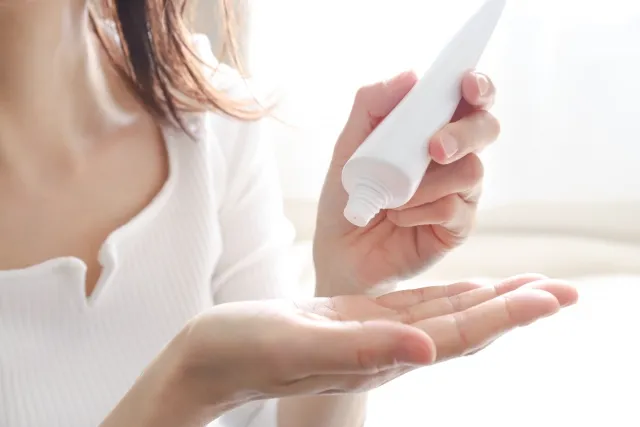
Pigmentation issues such as spots, freckles, and dullness are among the most common skin concerns for many people. A major cause of these problems is ultraviolet (UV) rays. UV rays, which pour down throughout the year, damage skin cells, stimulate melanin production, and accelerate skin ageing. To maintain youthful, translucent skin, daily UV care is essential. This article provides a professional explanation of skincare habits to prevent spots, covering everything from basic knowledge of UV rays to specific care methods and lifestyle improvements.
1. Understanding the Relationship Between UV Rays and Spots
To prevent spots, it is essential first to correctly understand UV rays and the mechanisms of the skin. There are mainly two types of UV rays, UVA and UVB, each affecting the skin differently.
UVA (Ultraviolet A Rays)
- They have long wavelengths and reach deep into the skin (the dermis).
- They break down collagen and elastin, causing wrinkles and sagging.
- Because they reach the skin even on cloudy days and through window glass, protection is needed 365 days a year.
UVB (Ultraviolet B Rays)
- They have short wavelengths and affect the skin’s epidermis.
- They cause sunburn and inflammation, delivering rapid damage.
- Excessive exposure can cause DNA damage and increase the risk of skin cancer.
When exposed to UV rays, the skin activates melanocytes to produce melanin. Melanin is a type of defence mechanism that protects the cell nucleus from UV rays. However, if production becomes excessive or skin turnover is disrupted and melanin is not expelled, it accumulates in the skin and forms “spots.”
In conclusion, UV protection is the first step not only in preventing spots but also in preventing overall “photoaging.”
2. How to Choose and Use Sunscreen Correctly
The foundation of UV protection is “sunscreen.” However, many people do not know how to use it correctly and fail to achieve its full effectiveness.
The Meaning of SPF and PA
- SPF (Sun Protection Factor): An index that mainly protects against UVB. The higher the number, the longer the protection time.
- PA (Protection Grade of UVA): Indicates the effectiveness against UVA. The more “+” signs, the higher the protection.
Choosing Sunscreen According to Daily Life and Leisure Activities
- Daily Life: SPF 30 and PA+++ are generally sufficient.
- Outdoor Leisure or Activities at the Beach or Mountains: Choose a high-performance type with SPF 50+ and PA++++.
Correct Amount and Reapplication
- For the entire face, use an amount roughly the size of a 500-yen coin.
- Reapplication is needed every 2 to 3 hours. Since it can come off due to sweat, sebum, and friction, frequent care is essential.
Note: Even if your primer or foundation contains SPF, it is not sufficient on its own. Always use sunscreen as the base.
3. シミを防ぐためのスキンケア習慣
In addition to sunscreen, daily skincare can also enhance the prevention of spots.
Thorough Moisturising Care
Dry skin has a weakened barrier function and is more susceptible to UV damage. It is important to protect the moisture of the stratum corneum with moisturisers containing hyaluronic acid or ceramides.
Using Brightening Ingredients
- Vitamin C Derivatives: Suppress melanin production and prevent its accumulation through their reducing action.
- Arbutin: Inhibits the enzyme tyrosinase, suppressing the formation of spots.
- Tranexamic Acid: Reduces inflammation and prevents pigmentation.
The Importance of Nighttime Skincare
At night, there is no concern about UV exposure, making it ideal for focused use of brightening serums or creams containing retinol. It is a time to regulate skin turnover and repair the damage received during the day.
Summary:
- “Protect” with sunscreen
- “Strengthen the barrier” with moisturising
- “Suppress melanin” with brightening ingredients
Making these three pillars a habit is the fundamental strategy to prevent spots.
4. Lifestyle and UV Care
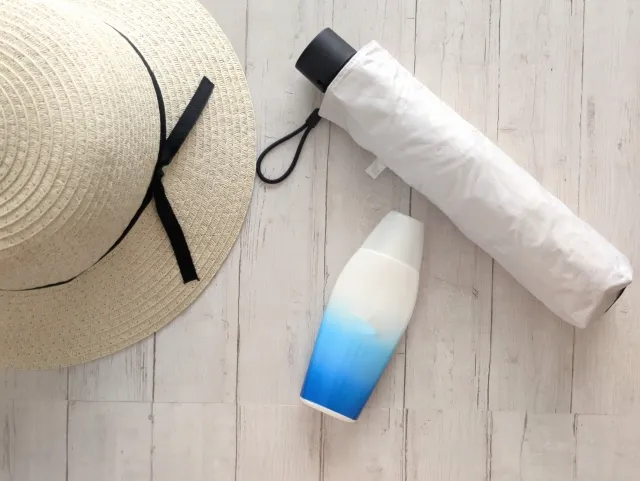
UV protection is not something that can be achieved by skincare alone. Small adjustments and habits in daily life can make a significant difference in preventing spots.
Protection with Clothing and Accessories
- Hats and parasols: Simply avoiding direct sunlight can reduce the amount of UV exposure to the face by 40–60%.
- Clothing with UV-cut materials: Long sleeves and sunglasses are also effective. UV rays entering through the eyes stimulate melanin production via the brain, so eye care should not be overlooked.
Don’t Let Your Guard Down Indoors Either
UVA rays that pass through window glass can damage your skin even when you are at home or in the office. Using curtains or UV-cut films and making UV care a habit indoors is important.
UV Protection Regardless of the Season
UV rays are present not only in summer but also in spring, autumn, and winter. Especially during skiing or in snowy mountains, the amount of UV exposure can more than double due to reflection, so awareness throughout the year is necessary.
5. Preventing Spots Through Diet and Nutrition
“Internal UV care” is just as important as external skincare. Diet and nutrition lay the foundation in the body to suppress the formation of spots.
Nutrients with Antioxidant Properties
- Vitamin C: Suppresses melanin production and promotes collagen synthesis. Abundant in citrus fruits, strawberries, broccoli, and similar foods.
- Vitamin E: Protects cell membranes and prevents oxidation caused by reactive oxygen species. Found abundantly in nuts and avocados.
- Carotenoids (Beta-Carotene, Lycopene): Reduce oxidative stress caused by UV rays. Common sources include carrots and tomatoes.
The Importance of Hydration
Adequate hydration promotes blood circulation and metabolism, regulating skin turnover. Aim for 1.5–2 litres per day and make a habit of drinking water regularly.
Dietary Habits to Avoid
Excessive sugar and processed foods cause glycation, which can damage the skin’s elasticity. A balanced diet is the foundation of healthy skin.
6. UV Care and Spot Prevention by Age
The focus of UV protection should vary depending on age.
Ages 20–30
- Mainly focused on “prevention.”
- Thorough use of sunscreen and improvements in lifestyle help prevent future spots.
- Incorporating vitamin C and antioxidant ingredients early helps slow down the pace of ageing.
Ages 40–50
- This is the age group where spots have already started to become noticeable.
- Using brightening serums and quasi-drugs (containing hydroquinone or tranexamic acid) is effective.
- In addition to UV protection, moisturising and sleep to regulate skin turnover are also important.
Ages 60 and above
- This is the stage when accumulated UV damage begins to surface.
- A realistic approach is to combine medical treatments, such as laser therapy, with everyday UV care.
- Since the skin tends to be thin and sensitive, choosing low-irritant products is also essential.
7. “Prevention and Improvement of Age Spots with the Latest Aesthetic Treatments”
Do you want it to sound more clinical or more like a marketing headline?
“For age spots and pigmentation that cannot be fully addressed through self-care alone, aesthetic treatments can be effective. In recent years, their safety has improved, and the range of available options has expanded.”
Laser treatments
- Q-Switched Laser effective for dark age spots
- Pico Laser effective for fine age spots with minimal downtime due to short pulse duration
IPL (Intense Pulsed Light)
Targets a wide area with gentle light to improve dullness and small age spots, also helping to brighten the skin and enhance firmness.
Chemical peels
Uses fruit acids to remove old keratin and promote skin turnover, also enhancing the absorption of brightening ingredients.
Topical treatments
- Hydroquinone: strongly inhibits melanin production.
- Tretinoin: promotes skin turnover and helps eliminate deposited melanin.
Caution: Medical treatments can be fast-acting, but it is essential to consult a physician and continue daily UV care for aftercare and prevention of recurrence.
8. Key Points for Age Spot Prevention in a Q&A Format
Organises practical methods of UV care by answering the questions readers are most concerned about.
Q1. Is sunscreen necessary on cloudy days or in winter?
A. Yes, it is necessary. Even on cloudy days, 60–70% of UV rays reach the skin, and UVA is present year-round. Reflections from snow or buildings in winter should not be underestimated.
Q2. Which should be applied first: sunscreen or makeup primer?
A. The basic order is sunscreen → makeup primer → foundation. Sunscreen should be applied first to ensure even coverage and effectiveness.
Q3. Do vitamin C supplements help with age spots?
A. Vitamin C is effective in suppressing melanin production. However, it is not fast-acting, and consistent daily intake is important. Combining dietary sources with supplements to cover any shortfall is a practical approach.
Q4. Can age spots that have already formed disappear?
A. Self-care can only lighten age spots to a certain extent, but treatments at medical clinics—such as laser therapy or topical hydroquinone—can improve them. Continued UV protection afterwards is essential to prevent recurrence.
9. Tips for Making UV and Skincare a Habit
“Continuing every day” is both the most challenging and the most important aspect of preventing age spots.
Key Points for Habit Formation
- Incorporate into your morning routine: fix the order as cleansing → moisturizing → sunscreen.
- Keep a portable sunscreen: carry a small bottle in your bag for reapplication when outdoors.
- Make it enjoyable: use products with scents or textures you like, so maintaining the routine feels rewarding.
Weekend Reset Care
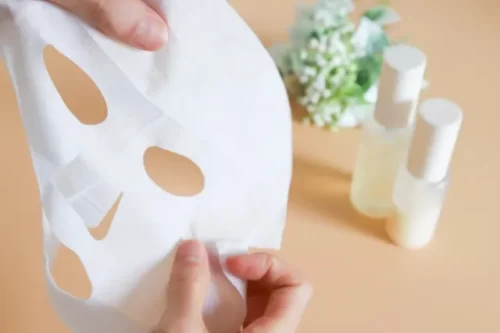
Incorporating brightening masks or massages on weekends can help repair weekday damage, regulate skin turnover, and quickly reset UV-induced effects.
10. Synergistic Effects of UV Care and Other Anti-Aging Treatments
UV rays cause not only age spots but also wrinkles and sagging—collectively known as “photoaging.” Therefore, UV care forms the foundation of overall anti-aging.
Difference Between Photoaging and Natural Aging
- Natural aging: cellular functions decline with age.
- Photoaging: caused by UV-induced DNA damage and collagen breakdown.
Studies report that approximately 80% of skin aging is due to photoaging. In other words, UV care is not only crucial for preventing age spots but also one of the most effective strategies for maintaining youthful skin.
Care That Targets Synergistic Effects
- Antioxidant care (vitamins C and E, polyphenols) to neutralise UV-induced damage.
- Moisturising care to maintain the skin’s barrier function and build resilience against UV exposure.
- Regulate hormones through sleep and stress management to normalise skin turnover.
11. Summary: Protect Your Future Skin with a UV Care Routine
UV rays affect our skin year-round, causing issues such as age spots, wrinkles, and sagging. To prevent age spots, it is essential to make UV care a daily habit rather than relying on occasional measures.
Key Takeaways from This Article
- Both UVA and UVB rays cause skin damage.
- Understand SPF and PA ratings and use sunscreen appropriately.
- Combining moisturisers with brightening ingredients enhances age spot prevention.
- Lifestyle habits such as diet, sleep, and stress management are also part of effective UV care.
- Medical treatments are powerful, but continued daily care is key to preventing recurrence.
Conclusion:
UV care is not just a beauty routine—it is an investment in your skin’s future. Small efforts started today can make a significant difference in five or ten years. Find methods that suit you, maintain them consistently, and nurture clear, age-spot-free skin.







 Toll-free