




Weddings, job interviews, photo shoots, reunions—there are moments in life when you want to bring your skin to its best condition in a short period of time.
What is needed at such times is not aimless skincare, but a strategic approach based on an understanding of the skin’s regeneration mechanism.
The skin renews itself in roughly a 28-day cycle, but by being mindful of this rhythm, supplying the necessary ingredients intensively, and protecting it from external stimuli, you can expect remarkable changes in as little as 1 to 2 weeks.
In this article, drawing on insights from dermatology clinics and the latest research data, we share the keys to intensive skincare that brings out maximum effect in a short period, combining scientific evidence with practical techniques.
1. Understanding Skin’s Basic Mechanisms Before Starting Short-Term Care
1-1. Understanding the mechanism of skin turnover
The epidermis is composed of four layers: the basal layer → spinous layer → granular layer → stratum corneum.
New cells are born in the basal layer and take about 28 days to reach the surface and shed off as keratin.
When this cycle is disrupted, old keratin accumulates, causing roughness, dullness, and poor makeup adherence.
In short-term care, the primary goal is to restore turnover to its ideal rhythm.
- Teens–20s: ~28-day cycle
- 30s: 30–35-day cycle
- 40s+: may exceed 40 days
It is difficult to accelerate this cycle, but it is possible to create an environment that fosters high-quality new cells .
1-2. Skin problems that tend to show changes in a short period of time and those that don’t
Skin problems that are prone to change
- Surface dryness, fine lines
- Mild dullness and poor complexion due to poor circulation
- Temporary enlarged pores
Skin problems that are difficult to see changes in
- Deeply etched wrinkles
- Long-standing pigmentation and melasma
- Crater-like acne scars
Intensive care can be expected to improve mainly epidermal problems. Problems that affect the dermis and subcutaneous tissue require combined use with cosmetic medicine.
1-3. Three Principles for Success in Short-Term Intensive Care
- Select ingredients accuratelyConcentratedly introduce active ingredients suitable for your concern.
- Create a skin condition that easily allows penetration
Remove old keratin through keratin care and prepare the skin to easily accept active ingredients. - Adjust lifestyle habits simultaneously
If sleep, diet, or UV protection are neglected, external stimuli will cancel out the effects.
2. Basic Steps of Short-Term Intensive Skin Care
2-1. Cleansing Care (Cleansing & Face Wash)
To achieve results in a short period, the first priority is to “prepare the foundation.”
- Cleansing: Remove oil-based dirt (makeup, sebum, sunscreen).For short-term intensive care, choose high-cleansing oil or balm types to thoroughly eliminate clogged pores.
- Face wash: Remove water-soluble dirt (sweat, dust). Wash without friction using fine foam.
- Keratin care: Enzyme cleansing (protein-decomposing enzymes) or clay cleansing (sebum adsorption) about twice a week. Be careful, as overdoing it causes dryness and decline of barrier function.
2-2. Nourishing Care (Moisturizing & Active Ingredients)
- Basics of moisturizing: Provide and retain moisture with hyaluronic acid, glycerin, and ceramide.
- **Selection of active ingredients:
- Whitening/clarity → Vitamin C derivatives
- Fine lines/firmness → Niacinamide, retinol
- Pore tightening → Vitamin C, astringent ingredients (such as witch hazel water)
In intensive care, incorporate serums or sheet masks daily to supply ingredients intensively in a short period.**
2-3. Protective Care (UV Protection)
Ultraviolet rays accelerate skin aging and ruin short-term efforts.
- SPF30 or higher and PA+++ or higher are the guideline. Even indoors near windows, ultraviolet rays reach the skin.
- Reapply every 2 to 3 hours during the day.
- Combining physical protection with a parasol, hat, and sunglasses is also effective.
3. Ingredients That Produce Effects in Intensive Care and Their Functions [Including Scientific Evidence]
3-1. Vitamin C Derivatives
- Effects: Inhibition of melanin production, whitening, sebum suppression, antioxidant action, promotion of collagen production.
- Scientific evidence: A study confirmed a 17% reduction in sebum secretion and a decrease in melanin amount after 4 weeks of use.
- Usage in short-term care: Can be used morning and night. During the day, combine with UV protection. For sensitive skin, start with a low concentration.
3-2. Niacinamide
- Effects : Wrinkle improvement, strengthening of barrier function, whitening.
- Evidence: At 5% concentration, pore reduction and improvement of skin elasticity were confirmed.
- Usage: Easy to combine with other ingredients, usable morning and night. Firmness improvement can be expected in a short period.
3-3. Retinol
- Effects: Promotion of turnover, increase of dermal collagen.
- Evidence: Clinical data showed a reduction in the depth of fine wrinkles after 12 weeks.
- Usage: Use only at night. Start twice a week with low concentration. Be cautious of retinoid reaction (redness, peeling), and combine with moisturizer.
3-4. AHA・BHA
- AHA (lactic acid, glycolic acid): Soften keratin, improve dullness. For dry skin.
- BHA (salicylic acid): Dissolve pore clogging, break down sebum. For oily skin.
- Usage: Once or twice a week. After use, always perform thorough UV care.
4. Practical Plan for Short-Term Intensive Care (14-Day Model)
Short-term care is not about “adding more steps,” but about efficiently combining them in an order that produces results easily. Here, the detailed morning and night routines are shown in a way that minimizes burden on the skin while achieving results.
4-1. Week 1: Prepare the foundation of the skin (Keratin Removal + Moisturizing)
Goal: Gently remove old keratin and create a skin condition where moisturizing ingredients penetrate well.
- Morning
- Face wash (friction-less with foam)
- Vitamin C lotion (prevention of oxidative damage)
- Niacinamide serum (improvement of barrier function)
- Moisturizing cream
- UV care (sunscreen + hat, parasol)
- Face wash (friction-less with foam)
- Night
- Cleansing (oil or balm)
- Enzyme facial (twice a week)
- Vitamin C serum
- Moisturize with ceramide-containing cream
- Cleansing (oil or balm)
Point: In this week, do not give the skin strong stimulation, and limit keratin care to twice a week. Emphasize moisturizing, with the goal of restoring the skin barrier.
4-2. Week 2: Enhance regeneration (Promote turnover + Improve firmness)
Goal: Promote skin renewal and bring out firmness and clarity in a short period.
- Morning
- Cleansing
- Vitamin C lotion
- Niacinamide serum
- Moisturizing cream
- UV care
- Cleansing
- Night
- Cleansing
- Cleansing
- Retinol serum (2 to 3 times a week)
- Niacinamide serum (irritation relief + synergistic effect)
- Finish with ceramide cream
- Cleansing
Point: Start retinol twice a week to avoid retinoid reaction (redness, peeling). If the reaction is strong, protect with a night pack or Vaseline.
5. Cautions During Intensive Care [Actual Failure Cases and Avoidance Methods]
5-1. Overuse of ingredients
Example: Using high-concentration vitamin C + retinol + peeling on the same day, causing skin irritation.
Avoidance: Limit strong ingredients to one type per day. Combine only after the skin adjusts.
5-2. Neglect of UV protection
Example: After keratin thinning in short-term care, UV exposure worsened spots and inflammation.
Avoidance: UV care is essential even indoors. Especially important during retinol use.
5-3. Lack of moisturizing
Example: Temporarily softened skin after keratin care dried out, weakening barrier.
Avoidance: Apply moisturizer twice a day, and if necessary, reapply during the day.
6. Intensive Care from Inside [Why External Care Alone Is Not Enough]
Short-term skin improvement is insufficient with skincare alone. Internal support accelerates skin regeneration speed.
6-1. Optimize nutritional balance化
- Vitamin C (paprika, kiwi): Promote collagen production
- Vitamin E (almonds, avocado): Antioxidant + promote blood circulatio
- Protein (chicken breast, beans, eggs): Material for skin cells
6-2. Hydration strategy
Lack of body water causes disruption of sebum secretion and halves the effect of short-term care.
- Guideline: Body weight x 30ml/day
- Do not take a large amount at once, but drink divided every 1–2 hours.
- Avoid drinks high in caffeine or sugar.
6-3. Improvement of gut environment
When the gut environment is disturbed, inflammatory substances increase, worsening skin irritation and redness.
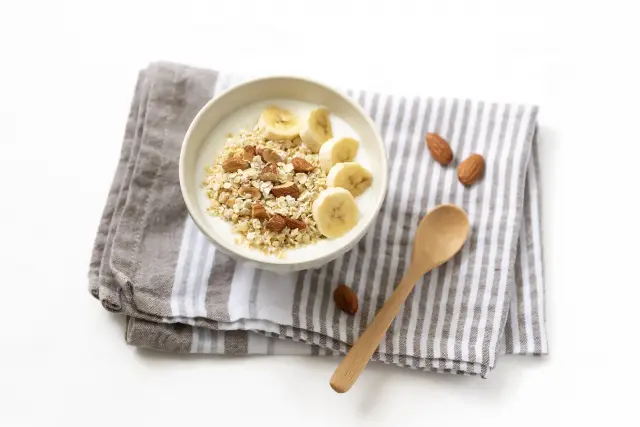
- Fermented foods (yogurt, natto, miso) + soluble dietary fiber (seaweed, oatmeal)
- Make at least one meal a day gut-friendly.
7. Maintenance After Intensive Care [Preventing Rebound]
The effects gained in a short period quickly fade if left unattended.
- Maintain skin rhythm with light keratin care once a week.
- Rotate serums depending on season and skin condition.
- Continue UV protection and moisturizing year-round.
8. Short-Term Intensive Skin Care Menu by Skin Type
Adjusting care to skin type greatly changes effectiveness and safety. Here, 7- to 14-day practical menus for dry, oily, and sensitive skin are introduced.
8-1. Plan for Dry Skin
Traits: Barrier function easily declines, stratum corneum lacks moisture retention.
Goal: Prioritize moisturizing while improving dullness and roughness.
- Morning
- Wash with lukewarm water only or mild cleanser
- Lotion with hyaluronic acid + glycerin
- Ceramide serum to restore barrier
- Moisturizing cream + UV care
- Wash with lukewarm water only or mild cleanser
- Night
- Gently remove with milk-type cleansing
- Enzyme cleansing once a week only
- Niacinamide serum for fine lines and firmness
- Night pack with cream containing ceramide + squalane
- Gently remove with milk-type cleansing
Point: Limit high-stimulus ingredients (high-concentration vitamin C, retinol). Prevent irritation even in short term.
8-2. Plan for Oily Skin
Traits: Excess sebum, prone to clogged pores and shine.
Goal: Control sebum and tighten pores
- Morning
- Foam wash to remove excess sebum
- Vitamin C derivative lotion
- Light moisturizing gel
- UV gel (with sebum-absorbing ingredient)
- Foam wash to remove excess sebum
- Night
- Oil cleansing to remove clogged pores
- Clay cleansing or enzyme cleansing twice a week
- Niacinamide + Vitamin C serum
- Light moisturizing with gel cream for oily skin
- Oil cleansing to remove clogged pores
Point: Excessive washing promotes sebum secretion, so pay attention to frequency and cleansing strength.
8-3. Plan for sensitive skin
Features: Easily prone to barrier function decline, sensitive to stimuli.
Goal: Calm inflammation while gently enhancing clarity and translucence.
- Morning
- Mild cleanser or lukewarm water wash
- Sensitive-skin lotion (alcohol- and fragrance-free)
- Moisturize with ceramide serum
- Non-chemical UV cream
- Mild cleanser or lukewarm water wash
- Night
- Milk or gel cleansing
- Do not perform keratin care, focus on moisturizing
- Low-concentration niacinamide serum
- Protect with cream containing ceramide and shea butter
- Milk or gel cleansing
Point: Even in a short period, start vitamin C or retinol from low concentration. If redness or itching appears, stop and switch to moisturizing-centered care.
Summary
The strategy for short-term intensive care differs greatly depending on skin type. For dry skin, build around “protective care,” for oily skin, around “balancing care,” and for sensitive skin, around “burden-reducing care.” By doing so, even within the same period, both the effectiveness and the safety for the skin improve dramatically.
Conclusion
The success of short-term intensive skin care depends on the following three points:
- Step-by-step care with awareness of skin turnover
- Selection of active ingredients and appropriate usage frequency
- Approach from both outside and inside
With the right strategy carried out for 1 to 2 weeks, the transparency, smoothness, and firmness of the skin will surely improve.
The ultimate shortcut is not only temporary improvement, but building habits to maintain that state.





 Toll-free