





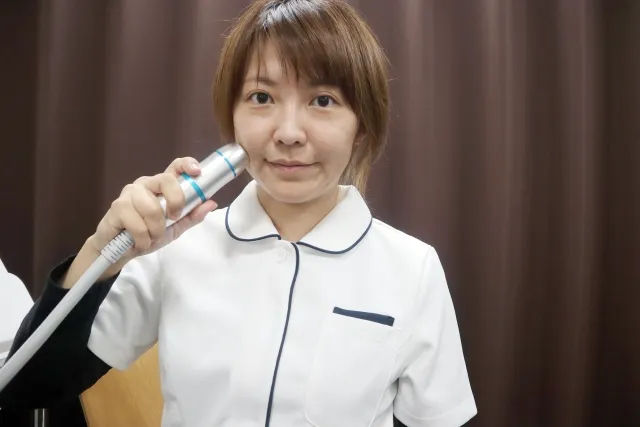
As we age, concerns about “facial sagging” and “loss of jawline definition” become more prominent. There are limits to improvements through cosmetics or self-care, leading more people to consider aesthetic medical treatments for more reliable results. Among these, “medical HIFU” and “thread lifts” have attracted particular attention. Both procedures aim to lift the face without surgery, but there are significant differences in their mechanisms, effects, costs, and the types of people for whom they are suitable. This article compares the two from a professional perspective and provides a detailed explanation of each treatment’s characteristics.
What is Medical HIFU? Mechanism and Features
Medical HIFU (HIFU: High Intensity Focused Ultrasound) is a lift-up treatment that delivers high-density ultrasound energy to the deeper layers of the skin, causing tissue contraction through thermal effects. The target is a layer called the “SMAS fascia (superficial musculoaponeurotic system),” which lies deeper beneath the skin and is the same layer lifted during surgical facelifts. A major feature of medical HIFU is that it can directly approach this layer without using a scalpel.
The heat generated by the ultrasound reaches approximately 60–70°C, and this thermal stimulation causes collagen fibres to contract. From immediately afterward, the skin experiences a tightening effect, and over the following weeks to months, natural healing processes stimulate the production of new collagen. This provides both an immediate lifting effect and medium- to long-term improvements in firmness and elasticity.
Advantages of Medical HIFU
Medical HIFU offers many advantages unique to a non-surgical procedure.
- Short Recovery Time
Redness or mild swelling after the procedure usually subsides within a few hours to a day, and in most cases, makeup can be applied immediately afterward. This makes it suitable for busy individuals, as it does not interfere with work or daily life. - Improves Sagging Without Surgery
It can address age-related changes such as sagging along the jawline, nasolabial folds, and double chin. Unlike surgical procedures, it carries minimal risk and leaves no significant scars, providing peace of mind. - Natural Rejuvenation Effect
By stimulating collagen production, the skin regains overall firmness and elasticity, providing not only a lifting effect but also secondary aesthetic benefits such as the reduction of fine lines and tightened pores.
Precautions for Medical HIFU
On the other hand, medical HIFU has several precautions and limitations.
- Effect Duration Is Around Six Months to One Year
As collagen regeneration gradually decreases over time, regular maintenance treatments are recommended. To maintain long-term lifting effects, procedures are generally performed every six months to a year. - Limited Effectiveness for Severe Sagging
Medical HIFU is most suitable for mild to moderate sagging. In cases of significant skin or fat drooping, HIFU alone may not provide sufficient improvement, and other treatments such as thread lifts or surgical procedures may need to be combined. - Individual Variation
Results can vary depending on skin type, age, and lifestyle. In particular, older individuals with significantly reduced skin elasticity may experience slower or less noticeable improvements.
In short, medical HIFU is a treatment aimed at “achieving natural rejuvenation without surgery” and is highly effective for relatively mild sagging. To prolong its effects, regular treatments as well as self-care measures such as lifestyle adjustments and protection against UV exposure are also important.
What is a Thread Lift? Mechanism and Features
A thread lift is a procedure in which specialised medical threads are inserted beneath the skin to physically lift the skin and fat, improving the jawline and sagging areas. Since it does not require surgical incisions and can reshape the facial contours relatively quickly, it has become popular as a “non-surgical facelift.”
The threads have small barbs called “cogs,” which catch onto the subcutaneous tissue to secure them firmly in place. This allows the skin to be physically lifted, making changes to the facial contours noticeable immediately after the procedure.
Additionally, the threads are gradually absorbed by the body over time, and this process stimulates the surrounding tissue, promoting the production of new collagen. As a result, the procedure not only provides lifting but also enhances skin firmness and elasticity and can reduce fine lines, offering overall skin-improving effects.
There are several types of thread materials, each with its own characteristics.
- PDO (Polydioxanone): A relatively inexpensive and widely used material. Its effects last for about six months to a year, which is shorter, but it is easy to implement.
- PLLA (Poly-L-lactic Acid): Effects last approximately one to one and a half years. It has a strong collagen-stimulating effect, making it suitable for those prioritising skin quality improvement.
- PCL (Polycaprolactone): The longest-lasting option, with effects expected to last around one and a half to two years. It tends to provide a supple result with minimal discomfort.
Advantages of Thread Lifts
Thread lifts offer advantages that other aesthetic treatments do not provide.
- Immediate Effect
Since the skin is physically lifted the moment the threads are inserted, visible changes can be noticed right after the procedure. This makes it suitable for those with upcoming events or important occasions. - Can Address Severe Sagging
Unlike medical HIFU, which tightens the skin using thermal energy, a thread lift can physically lift areas with “severe sagging” that are difficult to improve otherwise. It is particularly suitable for sagging in the cheeks, around the mouth, and marionette lines. - Customisable Results
By adjusting the number and type of threads, the procedure can achieve anything from a natural lift to a more pronounced facelift, depending on the patient’s preference. The ability to tailor the treatment in a bespoke manner is a major advantage.
Precautions for Thread Lifts
On the other hand, there are also points to be mindful of with thread lifts.
- Relatively Longer Downtime
Immediately after the procedure, swelling, puffiness, and bruising are common, and it may take about one to two weeks for these to fully subside. Some individuals may also experience a pulling sensation or foreign-body feeling for several weeks. - Effects Are Not Permanent
Since the threads are gradually absorbed by the body, the effects generally last about one and a half to two years. Over time, sagging may become noticeable again, making regular treatments necessary. - Results Depend on Practitioner Skill
The placement of threads and tension adjustments heavily rely on the physician’s experience. Improper technique can lead to asymmetry or visible threads. Therefore, choosing a doctor with extensive experience and a proven track record is extremely important.
In short, thread lifts are procedures that excel in “immediate results” and “improving severe sagging.” While attention is needed regarding longevity and downtime, the use of appropriate materials and skilled technique can achieve a natural, youthful outcome.
Comparison of Effects: Medical HIFU vs. Thread Lifts
Both medical HIFU and thread lifts are procedures aimed at “improving sagging” and “tightening the jawline,” but their mechanisms of action are completely different, resulting in variations in the areas they are most effective for and how results appear.
Characteristics of Medical HIFU Effects
Medical HIFU works by delivering high-density ultrasound to the deeper layers of the skin, inducing tissue contraction and stimulating collagen production through heat. The thermal energy reaches from the dermis to the SMAS fascia without damaging the skin’s surface, allowing for a natural tightening effect alongside improvements in skin quality.
- Scope of Application: Effective for mild to moderate sagging. It is particularly suited for improving a “double chin,” sagging along the jawline, and mild nasolabial folds.
- Onset of Effects: A slight tightening can be felt immediately after the procedure, and over one to three months, the gradual production of new collagen enhances the results.
- Outcome: Characterised by natural, subtle changes, providing a rejuvenation effect that is difficult for others to notice.
However, in cases of significant skin or fat sagging, the improvement is limited, making it less suitable for those seeking a dramatic lift of the entire face.
Characteristics of Thread Lift Effects
Thread lifts work by inserting specialised threads beneath the skin, where barbs (cogs) physically anchor and lift the skin and fat. Because the skin is lifted immediately after the procedure, one of their main advantages is the very high level of immediate effect.
- Scope of Application: Effective for moderate to severe sagging. It is particularly strong for improving areas that significantly affect appearance, such as “cheek drooping,” “downturned corners of the mouth,” and “marionette lines (deep wrinkles around the mouth).”
- Onset of Effects: A noticeable lifting effect is visible immediately after the procedure, producing changes that are easily observed by others. Additionally, as the threads are absorbed, collagen production is stimulated, providing accompanying improvements in skin quality.
- Outcome: Because the lift is physical, the changes are pronounced, resulting in a well-defined and contoured jawline.
On the other hand, thread lifts do not provide multi-year permanence; their effects gradually diminish over about one and a half to two years, making future treatments necessary. Additionally, temporary swelling or discomfort immediately after the procedure should be taken into consideration.
In summary, the differences between the two are:
- Medical HIFU: Provides a natural result, also effective for improving skin quality, and suited for mild to moderate sagging.
- Thread Lift: Offers immediate results, can address severe sagging, and is suitable for those seeking noticeable changes.
In this way, each procedure suits different needs: medical HIFU is ideal for those seeking “natural rejuvenation,” while thread lifts are suited for those wanting “noticeable changes in a short time.” Additionally, combining both can achieve a more balanced rejuvenation effect.
Typical Costs of Medical HIFU and Thread Lifts
Aesthetic medical treatments are non-insured procedures, and costs can vary widely depending on the clinic’s location, the physician’s experience, and the type of equipment or threads used. Even treatments with the same name can differ in price and what is offered, so understanding the typical cost range is important when choosing a treatment.
Cost of Medical HIFU
Medical HIFU typically costs around ¥100,000 to ¥300,000 for the entire face. For partial treatments (such as only the jawline or under the chin), prices can start from approximately ¥50,000.
- The cost may include items such as the initial consultation fee, follow-up visits, and anaesthetic cream, but in some cases, these may be charged separately.
- Prices also vary depending on the type of device used. The latest HIFU machines tend to cause less discomfort and provide more consistent results than older models, but they are generally more expensive.
- Since the effects typically last about six months to one year, regular treatments are required, and over the long term, the total cost can easily reach ¥300,000 to ¥600,000 or more.
Cost of Thread Lifts
The cost of a thread lift varies significantly depending on the number of threads used. Generally, each thread costs around ¥20,000 to ¥50,000, and for a full-face lift, the total is typically in the range of ¥200,000 to ¥500,000.
- The type of thread (PDO, PLLA, PCL, etc.) affects both the duration of results and the outcome, which in turn influences the price. Threads with longer-lasting effects are generally more expensive.
- If you want a thorough full-face lift, about 8 to 12 threads are typically used, and in such cases, the total cost can exceed ¥400,000.
- On the other hand, if you only wish to lift a specific area or use a few threads per side, the cost can often be kept around ¥200,000.
Balance Between Cost and Effect
- Medical HIFU tends to have a relatively manageable cost per session; however, because regular treatments are required to maintain results, it can be considered a “recurring-cost” procedure.
- Thread lifts, on the other hand, involve a higher upfront cost, but because they deliver noticeable results immediately after treatment, they are closer to a “one-time initial cost” procedure.
Points to Consider When Choosing
- If the price seems unusually low, caution is advised — it may indicate the use of outdated equipment or that the procedure will be performed by a less experienced doctor.
- Rather than judging solely by cost, it is important to compare factors such as the equipment or type of threads used, the practitioner’s experience, and the quality of aftercare. Evaluating all of these together leads to more satisfying and reliable results.
Which Should You Choose? Differences in Suitability
Both medical HIFU and thread lifts are popular procedures aimed at improving sagging, but their mechanisms and effects differ, meaning they are suitable for different individuals. When deciding which to choose, it is important to consider the degree of sagging, the desired aesthetic outcome, and your lifestyle.
Who Medical HIFU Is Suitable For
Medical HIFU is a procedure that applies heat to the deeper layers of the skin to promote collagen production, allowing the skin to gradually feel firmer. It is therefore suitable for the following types of people.
- People Concerned About Mild to Moderate Sagging
It is effective for addressing early signs of ageing such as slight looseness along the jawline, double chin, and the initial stages of nasolabial folds. - People Seeking a Natural Result
It is suitable for those who prefer gradual, subtle rejuvenation over sudden or dramatic changes. - People Who Want to Avoid Downtime
Since there is minimal swelling or bruising, makeup and work can be resumed immediately after the procedure. It is an easy option to incorporate even for those with busy lifestyles.
Who Thread Lifts Are Suitable For
Thread lifts are treatments that physically lift the skin, allowing you to see visible changes immediately after the procedure. They are suitable for the following types of people.
- People Who Prioritise Immediate Results
Ideal for those who want visible improvement quickly, for example, before an event or important occasion. - People Who Want Noticeable Lifting Results
Recommended for those who wish to firmly lift prominent areas such as sagging cheeks or a loose jawline for clearly visible improvement. - People With Moderate to Severe Sagging
Suitable for those with noticeable sagging that may be difficult to improve with medical HIFU alone, including moderate to severe skin laxity.
Synergistic Effects of Combining Both Treatments
In practice, combining medical HIFU with a thread lift often results in greater overall satisfaction.
- By using thread lifts to firmly lift areas such as the cheeks and around the mouth, immediate and visible changes can be achieved.
- Medical HIFU applies heat to the SMAS layer and dermis, stimulating collagen production and improving skin firmness and texture.
By dividing their roles in this way, it becomes possible to achieve both visible lifting and skin-quality improvement simultaneously, while also enhancing the longevity of the results. In particular, for people in their 30s to 40s who are beginning to notice early signs of sagging, it is effective to base treatment on medical HIFU. For those in their 40s to 50s and beyond with more pronounced sagging, a thread lift as the main treatment supplemented by medical HIFU tends to yield better results.
Differences in Side Effects and Risks
In aesthetic medicine, it is essential to understand not only the effects of each treatment but also their potential side effects and risks. Both medical HIFU and thread lifts are considered safe, non-surgical lifting procedures, but neither is entirely risk-free. By understanding the characteristics of each and ensuring proper aftercare and an experienced practitioner, you can undergo treatment with greater confidence and safety.
Side Effects and Risks of Medical HIFU
Because medical HIFU delivers ultrasound energy to the deeper layers of the skin, it does not cause significant damage to the surface. However, as it is a treatment that uses thermal energy, the following side effects may occur.
- Temporary Redness or Swelling
Immediately after the procedure, the skin may appear slightly red or feel puffy. In most cases, this subsides within a few hours to a day and does not interfere with daily activities. - Mild Numbness or Discomfort
If the ultrasound affects areas near nerves, temporary numbness or reduced sensation may occur. This typically resolves naturally within a few days. - Occasional Residual Warmth or Muscle Discomfort
Some patients may feel mild pain or warmth deep within the muscles after the procedure. However, in most cases, these sensations disappear naturally within a few days to a week.
The risks associated with medical HIFU are generally mild and temporary. However, if the energy level or treatment areas are not properly selected, there is a risk of insufficient results or, conversely, tissue damage. Therefore, it is essential to undergo the procedure under the care of a physician with extensive experience in HIFU treatment.
Side Effects and Risks of Thread Lifts
Because thread lifts involve inserting threads under the skin, they are more invasive than medical HIFU and tend to have a slightly longer downtime. The main risks are as follows.
- Bruising and Swelling
When threads are inserted, small blood vessels may be damaged, causing bruising that can resemble a blue mark and last for one to two weeks. Post-procedure swelling is also relatively common and may take several days to two weeks to completely subside. - Tightness or Discomfort
Because the threads are firmly anchored in the subcutaneous tissue, a temporary feeling of tightness may occur when smiling or moving the mouth. This sensation usually eases as the threads settle over time, though in some cases mild discomfort can persist for several weeks. - Thread Visibility or Exposure
In areas where the skin is thin, threads may appear slightly visible beneath the surface, and in rare cases, the end of a thread may emerge through the skin. If this occurs, removal or correction may be performed as needed. - Infection or Asymmetry
If bacterial infection occurs during thread insertion, it can cause increased redness and swelling, sometimes requiring treatment with antibiotics. Because outcomes depend heavily on the practitioner’s technique, asymmetry may also result from differences in thread placement or tension on each side.
Because the outcome of a thread lift depends greatly on the practitioner’s skill, choosing a doctor with extensive experience and a strong record of successful cases is the most important factor for ensuring both safety and satisfaction.
To Undergo Treatment Safely
Although serious complications are rare with either procedure, the following points are important to minimise risks.
- Receive Treatment from an Experienced Doctor
- Receive a thorough explanation in advance about the possible side effects
- After the procedure, follow your doctor’s instructions carefully and be diligent with sun protection and skincare.
In other words, medical HIFU is a procedure with mild risks and minimal downtime, while thread lifts offer faster, more noticeable results but come with slightly higher risks of downtime and complications. When deciding between the two, it is important to consider not only the expected effects but also whether you are comfortable accepting the potential side effects and risks.
Summary
Both medical HIFU and thread lifts are popular aesthetic treatments because they can achieve facial lifting without surgery. However, they differ significantly in mechanism, areas of effectiveness, cost, and duration of results. Understanding the unique characteristics of each and choosing the method that best fits your own condition and goals will lead to a more satisfying and effective outcome.
Characteristics of Medical HIFU
Medical HIFU is a treatment that uses ultrasound energy to directly target the SMAS fascia located deep beneath the skin, promoting a natural tightening effect. Because it does not involve any incisions, downtime is extremely short, allowing patients to return to their normal routines immediately after the procedure. Additionally, by stimulating collagen production, it provides secondary benefits such as improved skin texture and enhanced firmness. Although the effects last for about six months to a year, it is particularly suitable for mild to moderate sagging and for those seeking natural-looking results.
Characteristics of Thread Lifts
Thread lifts are procedures in which specialised threads are inserted beneath the skin to physically lift it, providing excellent immediacy. The lifting effect can be felt right after the procedure, and it is also effective for more severe cases of sagging. Furthermore, as the threads are absorbed by the body, collagen production is stimulated, leading to improved firmness and skin quality. The effects generally last for about one and a half to two years, but care should be taken as swelling or bruising may occur after the treatment.
To Choose the Treatment That Suits You
Medical HIFU is suitable for those who prioritise “natural tightening” and “minimal downtime,” while thread lifts are ideal for those seeking “immediate results” and a “clearly defined lifting effect.” There is no single answer as to which is better; the optimal choice depends on your skin condition, desired outcome, and lifestyle. Additionally, combining the two can create synergistic effects — for example, physically lifting with a thread lift and reinforcing skin quality with medical HIFU — a treatment approach that has become increasingly popular in recent years.
The Importance of a Trustworthy Doctor and Consultation
The most important thing is not to make decisions on your own but to receive a careful diagnosis from a qualified specialist. By accurately assessing your skin condition and the degree of sagging, unnecessary risks can be avoided, and an effective treatment plan can be created. It is also essential to receive a thorough explanation about the cost, downtime, and potential side effects, and to proceed with the treatment only after you are fully informed and satisfied.
The Value of Aesthetic Medicine
Sagging treatments are not merely about “improving appearance.” By tightening the overall facial contour and restoring a youthful impression, they can help rekindle confidence and positivity. Embracing the natural changes that come with ageing while maintaining one’s own unique beauty through medical support represents one of the greatest values of modern aesthetic medicine.




 Toll-free