






Oxidative stress is one of the main causes of dullness, sagging, and dark spots. To prevent this and maintain clear, radiant skin, daily Vitamin C intake is key. Vitamin C is a powerful antioxidant that promotes collagen production and protects the skin from UV damage. In this article, we will explain in detail how to effectively incorporate Vitamin C into your diet and skincare, precautions to take, and its specific benefits for the skin from a professional perspective.
1. The Beauty Benefits of Vitamin C for Skin
Vitamin C (ascorbic acid) is a water-soluble vitamin that cannot be synthesized in the human body. Therefore, it must be consistently supplied through diet or supplements. From a beauty standpoint, Vitamin C is more than just a nutrient—it is a “multi-supporter” essential for maintaining youthful and healthy skin. Three main beauty benefits of Vitamin C are scientifically recognized:
① Powerful Antioxidant Effects
Our skin is exposed daily to oxidative stress from UV rays, pollution, and stress, leading to the formation of reactive oxygen species (ROS). These molecules damage cells, accelerate the breakdown of collagen and elastin, and trigger wrinkles, sagging, and dullness.
Vitamin C neutralizes and eliminates ROS with its strong antioxidant power, protecting skin cells from oxidative damage. This slows the aging process, supports firmness, and maintains a radiant complexion. Antioxidant effects also help prevent photoaging, and when combined with sunscreen and antioxidant skincare, even greater protection can be achieved.
② Promotion of Collagen Production
Collagen in the dermis is essential for skin firmness and elasticity. Vitamin C acts as a necessary cofactor in its synthesis.
When Vitamin C is insufficient, collagen production declines, leading to sagging and fine lines. Adequate Vitamin C intake promotes collagen synthesis, helping skin maintain youthful plumpness. This is why high-dose Vitamin C supplements and infusions are often used in aesthetic medicine for post-procedure recovery and anti-aging purposes.
③ Inhibition of Melanin Production
Melanin, the pigment responsible for dark spots and freckles, is produced by melanocytes under UV stimulation. Vitamin C inhibits the enzyme tyrosinase involved in melanin synthesis, reducing excessive pigment formation.
Additionally, Vitamin C can reduce existing melanin, lightening dark spots and evening skin tone. For this reason, many whitening cosmetics and quasi-drugs contain Vitamin C derivatives.
In summary, Vitamin C works on both prevention and improvement. By preventing oxidative damage, maintaining dermal structure, and controlling melanin production, Vitamin C helps skin retain clarity, an even tone, and youthful firmness. Furthermore, its anti-inflammatory effects also aid in preventing acne and redness, making it a vital nutrient for whitening, anti-aging, and overall skin health.
2. How to Incorporate Vitamin C through Diet
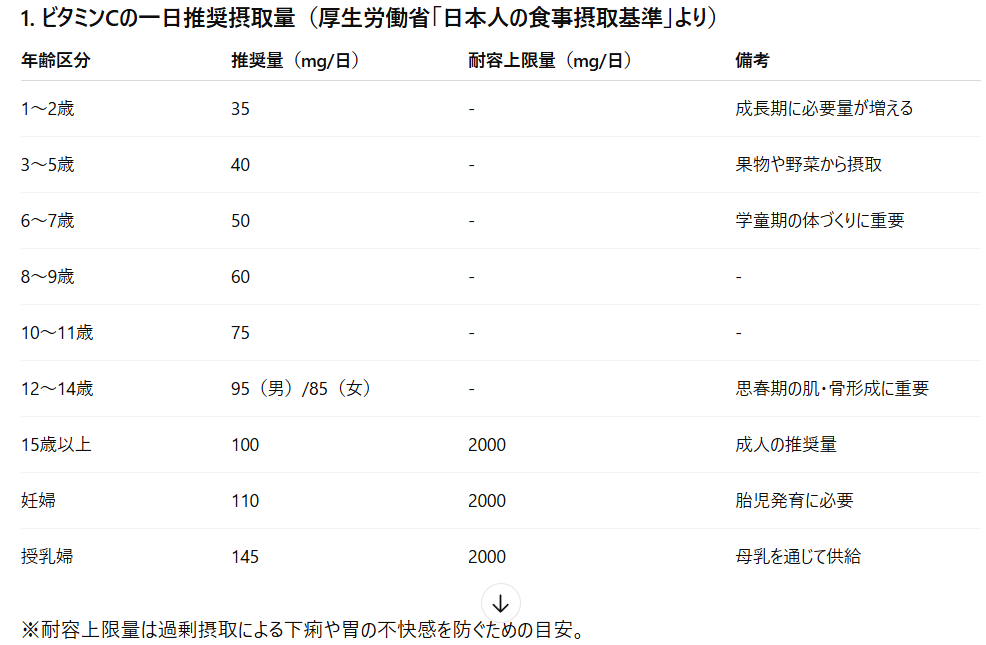
Since Vitamin C cannot be synthesized or stored in the body and is water-soluble, excess amounts are excreted in urine. Therefore, consistent daily intake is crucial. However, Vitamin C is easily destroyed by heat, light, and oxygen, making food choices and preparation methods important.
2-1. Foods Rich in Vitamin C
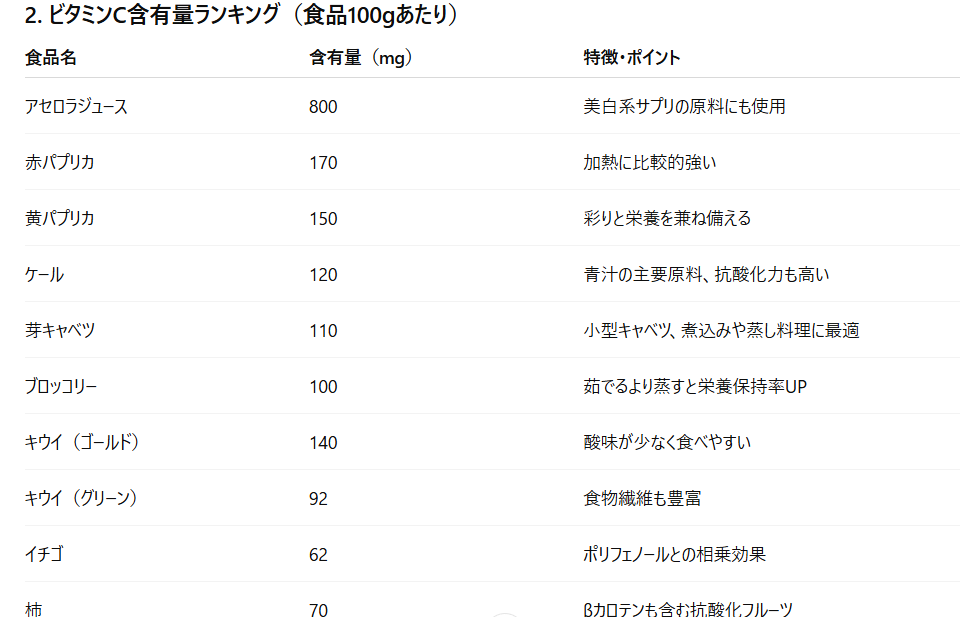
Vitamin C is abundant in vegetables and fruits, but its content and absorption rate vary depending on the food. In particular, the following foods are especially rich in vitamin C and are easy to incorporate into your daily diet.
- Red and Yellow Bell Peppers: Over 150mg per 100g; resistant to heat.
- Broccoli: Rich in Vitamin C, folate, and fiber; nutrients are preserved with steaming or soups.
- Kiwi (Green & Gold): One kiwi provides nearly the daily requirement (~100mg).
- Strawberries: Contain Vitamin C and polyphenols, with high antioxidant power.
- Citrus Fruits (Oranges, Grapefruit, etc.): Refreshing and easy to eat daily.
2-2. Timing and Tips
Split intake into 2–3 times daily for higher absorption.
Combine with iron-rich foods (meat, fish) to enhance absorption and prevent anemia.
Avoid smoking and manage stress, as both deplete Vitamin C levels.
2-3. Cooking and Storage Tips
- Minimize heating time (steam or microwave).
- Use cut produce quickly to prevent oxidation.
- Consume soups and broths to benefit from Vitamin C dissolved in liquid.
2-4. Daily Meal Examples
- Breakfast: Kiwi or orange with yogurt
- Lunch: Salad with broccoli and bell peppers
- Dinner: Grilled salmon with lemon juice (boosts iron absorption)
By making these small adjustments consistently, you can replenish vitamin C easily and efficiently, which helps maintain skin clarity and firmness.
3. Supplementation and Choosing the Right Type
When diet alone is insufficient—due to busy schedules or stress—supplements are an effective option.
3-1. Types of Vitamin C Supplements
Single Vitamin C
High doses (500–1000mg per capsule) for short-term replenishment.
Time-Release (Sustained-Release)
Gradually releases Vitamin C, maintaining stable blood levels.
Vitamin C + Vitamin E Combination
Provides synergistic antioxidant effects from both water- and fat-soluble vitamins.
3-2. Precautions and Side Effects
Avoid excessive intake
Over 2000mg/day can cause diarrhea or stomach discomfort.
Divide intake
Morning, afternoon, and evening for stable levels.
Supports iron absorption
Beneficial for anemia prevention, but caution with iron overload conditions.
Kidney stone risk
Very high doses may increase oxalate levels; hydration is key.
3-3. Practical Supplement Use
High UV exposure
500mg in morning and afternoon for antioxidant defense.
Fatigue or illness
Sustained-release form for steady levels (1000–1500mg/day).
Long-term beauty care
500–1000mg daily, ideally Vitamin C + E.
3-4. Cases Where You Should Seek Advice from a Doctor or Specialist
If you are pregnant, breastfeeding, have a chronic condition, or are taking specific medications (such as anticoagulants), be sure to consult a doctor or pharmacist before choosing supplements. Although vitamin C is generally considered one of the safer dietary supplements, the optimal intake amount can vary depending on individual constitution and health status.

4. Using Vitamin C in Skincare
Vitamin C also works effectively when applied topically, though pure ascorbic acid is unstable. To address this, Vitamin C derivatives were developed for better stability and absorption.
1. Types
- Water-Soluble (e.g., phosphate, glucoside forms): Gentle, good for oily or acne-prone skin.
- Oil-Soluble (e.g., tetrahexyldecyl ascorbate): Penetrates deeply; ideal for dry or aging skin.
- Amphiphilic (e.g., APPS): High penetration and fast results.
2. When to Use
Morning
Shields skin from UV damage and oxidative stress; pair with sunscreen.
Night
Repairs daytime damage and enhances collagen and melanin regulation.
Continuous use
Visible improvements in 4–8 weeks; stronger effects after 3 months.
3. Best Combinations
- Sunscreen: Maximizes anti-photoaging effects.
- Retinol: Use on alternate days to reduce irritation.
- Hyaluronic Acid: Enhances hydration and reduces dryness.
4. Precautions
- Start with lower concentrations for sensitive skin.
- Store in cool, dark places to prevent oxidation.
- Patch test high-concentration serums (>10%).
5. Benefits Summary
- Reduces and prevents dark spots
- Smoothens skin texture and tightens pores
- Restores elasticity and firmness
- Calms redness and acne marks
- Brightens overall skin tone
5. Vitamin C and Lifestyle Habits
Even with diet and skincare, lifestyle greatly impacts Vitamin C levels.
Key Factors:
Smoking:
Rapidly depletes Vitamin C, accelerates aging, and reduces collagen synthesis.
Furthermore, smoking constricts blood vessels and interferes with the supply of oxygen and nutrients to the skin. If you aim for healthy, radiant skin, it is important to reduce the number of cigarettes you smoke or try to quit altogether. Even if quitting is difficult, setting your daily vitamin C intake slightly above the recommended amount (+50–100 mg) can help compensate for the deficiency.
Sleep:
During sleep, the secretion of growth hormones increases, promoting skin repair and regeneration. In this process, collagen synthesis is also stimulated, and vitamin C functions as an essential coenzyme for this reaction.
Chronic lack of sleep disrupts the skin’s turnover cycle and prevents vitamin C from delivering its full beauty benefits. In particular, the hours between 10 p.m. and 2 a.m. are known as the “golden time for the skin,” and it is ideal to be in deep sleep during this period.
In addition, staying up late or having shallow sleep increases the secretion of the stress hormone cortisol, which raises oxidative stress. Therefore, it is recommended to secure around seven hours of quality sleep each day.
Stress:
Mental and physical stress significantly increase the body’s consumption of vitamin C. This is because vitamin C is used in the synthesis of hormones such as adrenaline and cortisol, which are secreted by the adrenal glands during stress.
Mental and physical stress significantly increase the body’s consumption of vitamin C. This is because vitamin C is used in the synthesis of hormones such as adrenaline and cortisol, which are secreted by the adrenal glands during stress.
Specific strategies to reduce stress include:
- Light aerobic exercise (walking, yoga)
- Relaxation techniques such as deep breathing and meditation
- Making time to immerse yourself in hobbies and things you enjoy
By making these practices a habit, your body can use its vitamin C for its original purposes—maintaining beauty and health.
Conclusion
Vitamin C is not just a beauty ingredient—it’s a fundamental nutrient that acts like ‘basic strength’ for maintaining healthy, youthful, and radiant skin. Since the body cannot produce it on its own and it’s water-soluble (meaning it can’t be stored), consistent daily intake is essential.
Getting vitamin C from food is the most basic and safest method. The vitamin C found in fruits and vegetables works synergistically with other nutrients to boost antioxidant power and metabolism. By regularly incorporating vitamin C-rich foods into your daily meals, you can help protect your skin from UV damage and oxidative stress, maintaining its clarity and firmness.
On busy days or when your diet is unbalanced, supplements can be a helpful option. Choosing the right product—whether it’s pure vitamin C, time-release formulas, or types combined with vitamin E—allows you to efficiently meet your nutritional needs based on your lifestyle and goals. Additionally, using skincare products that contain vitamin C derivatives can support your skin from the outside. By following the approach of ‘protect in the morning, repair at night,’ you can maximize the effectiveness of both internal and external care.
However, no matter how much vitamin C you take or apply externally, if your lifestyle is unbalanced, it will be quickly depleted, making it difficult to achieve noticeable beauty benefits. Smoking, lack of sleep, and chronic stress accelerate the consumption of vitamin C and can speed up skin aging. Therefore, building a healthy foundation through habits like quitting smoking, getting enough sleep, and managing stress is essential for achieving and maintaining beautiful skin.
Overall, the effectiveness of vitamin C can be maximized through four key pillars: diet, supplements, skincare, and lifestyle. By consciously incorporating vitamin C into your daily routine—nourishing from the inside, protecting from the outside with skincare, and maintaining a balanced lifestyle—you can cultivate healthy, radiant skin that remains resilient regardless of age or season.








 Toll-free