
DNA鑑定と家系図作成の関係

Posted on 2024年 11月 13日

この記事の概要

DNA鑑定は、個人の健康や体質、血縁関係を科学的に評価し、正確な家系図作成をサポートします。この記事では、DNA検査の方法やメリットについて解説します。

DNA鑑定技術の進歩により、家系図作成の方法や精度が劇的に向上しています。従来の文書や口伝に頼る系譜学に、遺伝子情報が新たな次元を加えました。本記事では、DNA鑑定が家系図作成にどのような影響を与えているか、具体的な手法や事例を交えて詳しく解説します。

1. DNA鑑定の基礎知識

DNA(デオキシリボ核酸)は、生物の遺伝情報を担う分子であり、親から子へと受け継がれます。人間のDNAは約99.9%が共通していますが、残りの0.1%が個人差を生み出します。この微細な差異を分析することで、血縁関係や祖先の起源を特定することが可能となります。

1.1 遺伝子検査の種類

家系図作成に利用される主な遺伝子検査には以下の3つがあります。

  • Y染色体DNA検査:男性のみに存在するY染色体を分析し、父系の系譜を追跡します。Y染色体はほとんど変化しないため、遠い祖先まで遡ることが可能です。
  • ミトコンドリアDNA検査:母系から受け継がれるミトコンドリアDNAを分析し、母系の系譜を追跡します。男女問わず検査可能で、古代の移住パターンを解明するのに役立ちます。
  • 常染色体DNA検査:全ての染色体を対象とし、近親者との関係性や民族的背景を明らかにします。親子や兄弟姉妹など、近い親族関係の特定に有効です。

2. DNA鑑定と家系図作成の融合

遺伝子情報を家系図作成に組み込むことで、以下のような利点が生まれます。

2.1 血縁関係の確認

従来の系譜学では、文書や記録の欠如により血縁関係の特定が困難な場合がありました。DNA鑑定を活用することで、例えば以下のようなケースで血縁関係を確認できます。

  • 養子縁組:生物学的な親子関係を特定し、ルーツを探る手助けとなります。
  • 非嫡出子:公式な記録がない場合でも、遺伝子情報から父親を特定できます。
  • 失われた親族:戦争や災害で離散した家族を再発見する手がかりとなります。

2.2 祖先の地理的起源の特定

DNA鑑定により、個人の祖先がどの地域から来たのかを推定できます。これにより、家系図に地理的な情報を追加し、先祖の移住パターンや民族的背景を理解することが可能となります。

2.3 遺伝的健康リスクの把握

家系図に遺伝的健康情報を組み込むことで、家族全体の健康リスクを評価できます。例えば、特定の遺伝性疾患のリスクが高い家系であれば、早期の予防策を講じることができます。

3. DNA鑑定を用いた家系図作成の手順

手をつないで歩く祖父と孫

遺伝子情報を活用して家系図を作成する際の一般的な手順は以下の通りです。

3.1 遺伝子検査の選択と実施

まず、目的に応じて適切な遺伝子検査を選択します。検査キットを注文し、指示に従ってサンプル(通常は唾液や口腔内の細胞)を採取し、検査機関に送付します。

3.2 結果の分析

検査結果が返送されたら、提供されたデータを分析します。多くのサービスでは、オンラインプラットフォーム上で結果を閲覧でき、家系図作成ツールも提供されています。

3.3 系譜データとの統合

遺伝子情報を既存の系譜データと照合し、家系図を更新します。これにより、文書や記録だけでは確認できなかった血縁関係や祖先の起源を明らかにできます。

3.4 継続的な更新

新たな遺伝子データや系譜情報が得られた場合、家系図を随時更新します。これにより、家族の歴史をより正確かつ詳細に記録できます。

4. DNA鑑定とプライバシーの問題

遺伝子情報は非常に個人的なデータであり、その取り扱いには慎重さが求められます。以下の点に留意する必要があります。

4.1 データの共有と保護

遺伝子検査を提供する企業によっては、データを第三者と共有する場合があります。検査を受ける前に、プライバシーポリシーを確認し、データの取り扱いについて理解しておくことが重要です。

4.2 予期しない結果への対処

DNA鑑定により、知らなかった親族関係や家族の秘密が明らかになることがあります。これらの情報が家族関係に影響を及ぼす可能性があるため、結果を受け取る際には慎重な対応が求められます。

5. DNA鑑定と家系図作成の将来展望

技術の進歩により、遺伝子情報を活用した家系図作成は今後さらに発展すると考えられます。

5.1 人工知能とビッグデータの活用

AI技術と大量の遺伝子データを組み合わせることで、より精度の高い家系図の作成や、未知の親族関係の発見が期待されます。

5.2 教育と普及

DNA鑑定と家系図作成の手法は、今後さらに教育分野においても活用されると考えられます。すでに欧米の一部の教育機関では、遺伝学と系譜学を組み合わせたカリキュラムが導入されており、生徒が自身の家系や遺伝的背景について学ぶ機会が提供されています。

日本でも、学校教育において遺伝子の基本的な知識を学ぶ機会はあるものの、実際のDNAデータを用いた学習はまだ一般的ではありません。しかし、家族の歴史を深く知ることは、アイデンティティの確立や多様性の理解に貢献するため、今後、教育現場での活用が期待されます。

また、オンライン学習プラットフォームを通じて、遺伝学や家系図作成に関する講座が提供されることで、一般の人々も簡単に知識を深めることができるようになるでしょう。

5.3 遺伝子データの標準化と国際的な家系図ネットワーク

現在、遺伝子検査を提供する企業ごとにデータフォーマットが異なり、異なるサービス間での情報共有が難しいという課題があります。しかし、将来的にはDNAデータの標準化が進むことで、異なる国や地域の家系図データベースと統合され、より広範な家族ネットワークを構築できる可能性があります。

例えば、国際的な遺伝子系譜データベースが整備されれば、移民の歴史や民族のルーツをより詳細に解明できるようになり、個人の家系図だけでなく、世界規模での人類のつながりを可視化することが可能になります。

さらに、考古学や歴史学の分野でも、過去のDNAデータと現代人のDNAを比較することで、古代文明の人々がどのように移動し、現代の人々とどのようにつながっているのかを明らかにする研究が進められています。

5.4 遺伝子倫理と規制の整備

DNA鑑定技術の発展に伴い、プライバシーや倫理的な問題も重要視されるようになっています。すでに欧米では、DNAデータの利用に関する法整備が進んでおり、企業が個人の遺伝情報をどのように扱うべきかが厳格に規定されています。

日本でも、今後DNAデータの取り扱いに関する規制が整備される可能性があります。例えば、以下のような規制が検討されることが予想されます。

  • 遺伝子データの第三者提供の制限
  • 個人がデータ削除を要求できる権利の確立
  • 遺伝子データを悪用した差別の防止

6. DNA鑑定を活用した家系図作成の実例


抱き合う女性

DNA鑑定による家系図作成の実例をいくつか紹介します。

6.1 失われた家族の再会

アメリカでは、DNA検査を通じて生き別れになった家族が再会するケースが増えています。ある事例では、第二次世界大戦中に養子に出された兄妹が、DNA鑑定を通じて70年ぶりに再会しました。このような事例は、遺伝子情報を活用することで、文書記録ではたどれなかった家族のつながりを再発見できることを示しています。

6.2 日本における武士の家系の追跡

日本では、武士や貴族の家系をDNA鑑定でたどる研究が進んでいます。特に、江戸時代の家系図とDNAデータを照らし合わせることで、武士の血統が現代の人々にどのように受け継がれているのかを明らかにする試みが行われています。

例えば、源氏や平氏の子孫をDNA解析で特定するプロジェクトが進行中であり、歴史学と遺伝学の融合が期待されています。

6.3 日本人のルーツの解明

近年のDNA研究では、日本人の祖先がシベリアや東南アジアから移動してきた可能性が指摘されています。縄文人と弥生人の遺伝子を比較することで、日本列島における古代の人々の移動パターンが解明されつつあります。

家系図作成においても、こうした研究成果を活用することで、自分の祖先がどの地域にルーツを持つのかをより正確に知ることができます。

7. 最新のDNA鑑定研究のエビデンス

以下の研究論文やリソースを参考にすることで、最新のDNA鑑定技術や家系図作成への応用について詳しく知ることができます。

このように、DNA鑑定は家系図作成において非常に重要な役割を果たしています。遺伝子情報を活用することで、より正確かつ詳細な家族の歴史を明らかにすることができるでしょう。

8. DNA鑑定の社会的影響と文化的側面


パソコンを持つ笑顔の日本人男性

DNA鑑定技術の発展により、単に家系図を作成するだけでなく、社会や文化に対してもさまざまな影響を及ぼしています。ここでは、DNA鑑定が個人や社会にどのような変化をもたらしているのかを詳しく見ていきます。

8.1 アイデンティティの再構築

DNA鑑定を受けることで、自分の血統に関する新たな事実を発見し、アイデンティティが揺さぶられることがあります。例えば、ある人が自分の家族のルーツをアジア系だと考えていたのに、遺伝子検査の結果、ヨーロッパ系の血統が含まれていたことが判明することがあります。こうした発見は、個人の自己認識やアイデンティティ形成に大きな影響を与えることがあります。

8.2 家族観の変化

DNA鑑定によって、これまで知られていなかった親族関係が明らかになることがあります。たとえば、遺伝子検査を受けた結果、異母兄弟や異父兄弟がいることが判明したというケースが増えています。このような発見は、家族観を大きく変える可能性があります。

特に、DNA鑑定を通じて知らなかった親族を発見した人々の間では、家族の定義が「血縁」に基づくだけでなく、「つながり」や「関係性」といった要素も含まれるようになる傾向が見られます。これにより、家族の概念が従来の枠組みから変化しつつあります。

8.3 国際結婚とDNA鑑定

近年、国際結婚が増加する中で、DNA鑑定はビザや国籍取得の手続きにも活用されています。たとえば、親子関係を証明するためにDNA鑑定が求められるケースが増えており、これにより偽造書類による申請を防ぐことができます。

一方で、DNA鑑定の結果が思わぬ問題を引き起こすこともあります。たとえば、親子関係を証明する目的でDNA検査を受けた結果、父親が生物学的な親ではないことが判明する場合があります。こうしたケースでは、家族関係が揺らぐだけでなく、法律的な問題に発展する可能性もあります。

8.4 伝統文化と遺伝子研究

DNA鑑定の進歩は、民族や伝統文化の研究にも影響を与えています。たとえば、日本のアイヌ民族や琉球民族の遺伝的ルーツを探る研究が進められており、これにより歴史的な移動パターンや文化的なつながりが明らかになっています。

また、世界各地の先住民族もDNA研究を活用し、自らのルーツや独自の遺伝的特徴を解明する試みを進めています。これにより、伝統的な文化の継承や民族アイデンティティの維持に貢献する可能性があります。

9. DNA鑑定技術の進化と今後の展望
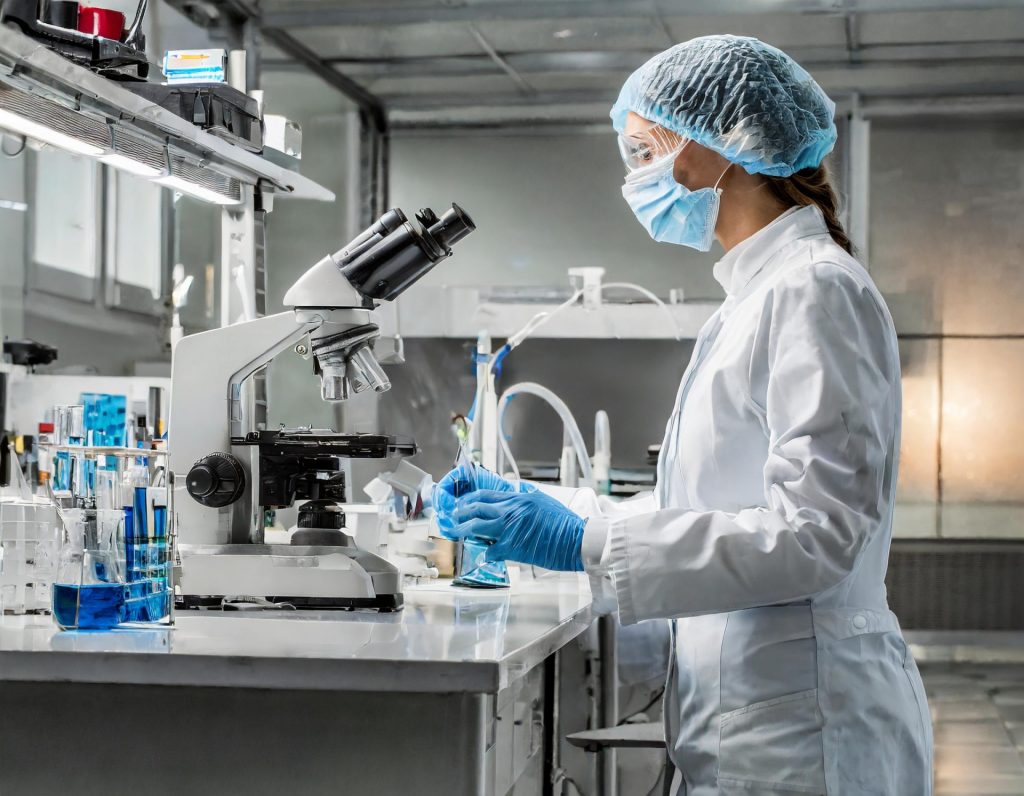
研究室 女性

DNA鑑定技術は日々進化しており、家系図作成においてもますます重要な役割を果たすようになっています。ここでは、最新の技術動向と今後の展望について詳しく解説します。

9.1 次世代シーケンシング(NGS)の進化

近年、DNA解析技術の中でも特に注目されているのが**次世代シーケンシング(NGS)**です。従来のDNA解析よりも高速かつ低コストで遺伝情報を解読できるため、個人のDNAデータをより詳細に分析することが可能になっています。

NGS技術の進化により、以下のような新たな家系図作成のアプローチが可能になっています。

  • 超高精度な親族マッチング:数世代前の親族関係まで詳細に分析できるようになり、より正確な家系図を作成できる。
  • DNAの時系列解析:過去の遺伝情報を分析し、祖先がどの時代にどの地域にいたのかを推測できる。
  • 個別遺伝子の解析:特定の遺伝子変異を追跡し、家族内でどのように受け継がれてきたのかを明らかにできる。

9.2 人工知能(AI)との融合

AI技術の進化により、大量の遺伝子データを高速に解析することが可能になっています。AIを活用することで、DNA鑑定結果をより正確に解釈し、家系図作成の精度を向上させることが期待されています。

特に、以下のような分野でAIが活用されています。

  • 自動家系図作成ツール:DNAデータを入力するだけで、自動的に家系図を作成できるシステムが開発されている。
  • 遺伝的健康リスクの予測:家族の遺伝情報を基に、将来発症する可能性のある病気を予測する技術が発展している。
  • 個別化医療の促進:遺伝子情報を活用して、個人に最適な治療法や薬剤を提案する技術が進化している。

9.3 ブロックチェーン技術とDNAデータの管理

DNAデータのプライバシーを守るために、ブロックチェーン技術を活用する動きも出てきています。ブロックチェーンを利用すれば、DNAデータの不正アクセスを防ぎながら、安全に管理することが可能になります。

また、個人が自らのDNAデータを完全に管理し、必要に応じて信頼できる機関と共有できるシステムが開発されています。これにより、遺伝情報の安全性を確保しつつ、家系図作成や医学研究への活用が進められると期待されています。

10. DNA鑑定と遺伝子情報の商業利用
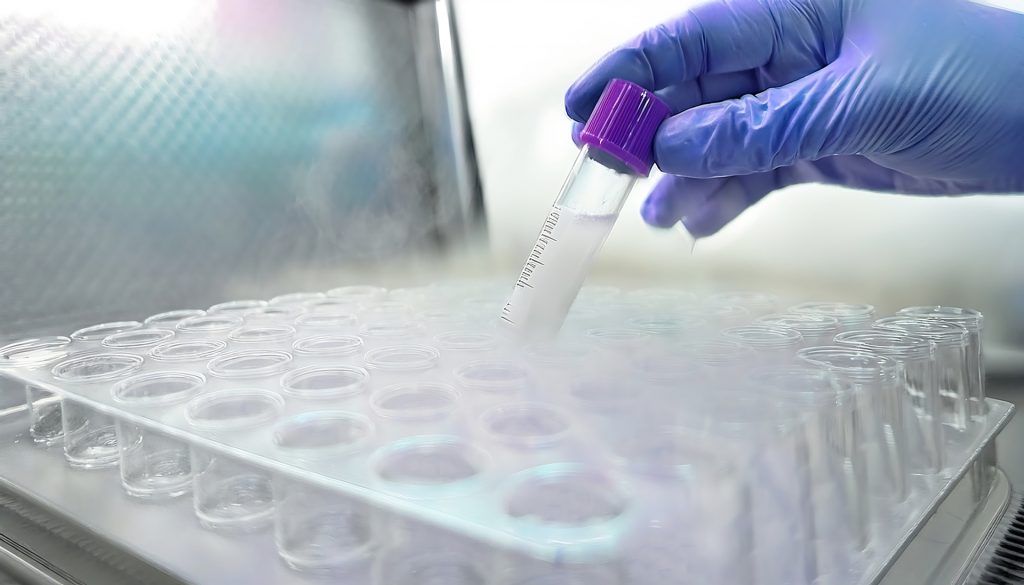
凍結保存の遺伝子入り試験管1

DNA鑑定技術の発展に伴い、遺伝子情報の商業利用が急速に拡大しています。企業は消費者向けに様々な遺伝子関連サービスを提供しており、個人のDNAデータを活用したマーケティング手法も登場しています。ここでは、DNAデータの商業利用の現状とその影響について詳しく見ていきます。

10.1 遺伝子検査サービスの市場拡大

現在、23andMeAncestryDNA などの企業が提供する遺伝子検査サービスは世界中で広まり、多くの人が自身のルーツや健康リスクを調べるために利用しています。日本国内でも、GeneLifeマイコード などの企業が個人向けのDNA検査サービスを展開しています。

遺伝子検査の価格も低下しており、かつては数十万円かかっていた解析が、現在では1万円前後で利用できるようになっています。この手軽さが、DNA鑑定の普及を後押ししている要因のひとつです。

10.2 遺伝子情報のターゲティング広告への利用

一部の企業では、遺伝子情報をマーケティングに活用する動きが見られます。例えば、遺伝子検査の結果をもとに、特定の健康食品やサプリメントを提案するサービスが登場しています。

また、遺伝的要因による体質の違いをもとに、スキンケア商品やフィットネスプログラムをパーソナライズする企業も増えてきました。たとえば、「あなたの遺伝子型は○○なので、この食事プランが最適です」といった提案が可能になっています。

しかし、こうした商業利用には倫理的な問題も伴います。遺伝子情報は非常に個人的なデータであり、その取り扱いには慎重さが求められます。消費者が自分のDNAデータを企業と共有することのリスクについて、十分な情報提供が必要となるでしょう。

10.3 生命保険や医療分野での活用

DNA鑑定の発展は、生命保険や医療分野にも影響を与えています。たとえば、ある保険会社は、加入者の遺伝的な病気リスクを分析し、保険料を調整する仕組みを導入しようとしています。しかし、これは遺伝的要因による差別につながる可能性があるため、慎重な議論が求められています。

また、個人の遺伝子情報を医療機関と共有することで、精密医療(プレシジョン・メディシン) の実現が期待されています。これにより、一人ひとりの遺伝的特性に最適化された治療法を提供できるようになります。

しかし、遺伝子データの取り扱いを誤ると、プライバシー侵害や差別の原因になる可能性があります。現在、多くの国でDNA情報の利用に関する法整備が進められていますが、今後も議論が続くでしょう。


11. DNAデータのセキュリティとハッキングのリスク


ネット詐欺!クリックしちゃ駄目のイメージ

DNA情報は極めて個人的なデータであり、適切に保護されるべきものです。しかし、DNAデータがデジタル化されるにつれ、サイバー攻撃や不正利用のリスクも高まっています。

11.1 DNAデータの不正アクセス

近年、大手DNA検査企業がハッキング被害に遭い、数百万件のDNAデータが流出した事例が報告されています。これにより、個人の遺伝情報が第三者に悪用される可能性が生じています。

DNAデータが流出すると、以下のようなリスクがあります。

  • 身元の特定:匿名化されているデータであっても、他の情報と組み合わせることで個人が特定される可能性がある。
  • 遺伝的差別:遺伝的要因に基づいた雇用差別や保険加入の制限などが発生するリスク。
  • バイオテクノロジー犯罪:DNAデータを悪用して、偽の遺伝情報を作成するなどの犯罪が考えられる。

11.2 DNAデータの安全な管理方法

DNAデータの安全性を確保するために、以下の対策が推奨されています。

  1. 信頼できる企業のサービスを利用する:DNA検査を受ける前に、プライバシーポリシーを確認し、データ保護の体制が整っている企業を選ぶ。
  2. 不要なデータは削除する:一度DNA解析を行った後、企業のデータベースから自身のDNAデータを削除できるか確認する。
  3. パスワード管理の徹底:DNA解析サービスのアカウントを作成する際は、強力なパスワードを使用し、二段階認証を設定する。
  4. 遺伝子データを共有する際の注意:SNSや家族間でDNAデータを共有する場合は、慎重に考える。

12. DNA鑑定と法律問題

DNA鑑定の普及に伴い、法律面での課題も浮上しています。特に、親子関係の証明、遺産相続、犯罪捜査などの分野でDNA鑑定が利用されるケースが増えてきました。

12.1 親子関係の証明

DNA鑑定は、親子関係を証明するための強力な手段となっています。特に、婚外子の認知や養子縁組において、DNA鑑定が決定的な証拠として採用されることがあります。

しかし、遺伝子検査の結果が家族関係に深刻な影響を与えることもあります。たとえば、父親とされていた人物が実際には生物学的な親でなかった場合、法律上の親権や養育義務に関する問題が発生することがあります。

12.2 犯罪捜査とDNAデータ


電話するフードを被った怪しい人物。防犯

警察や捜査機関は、DNA鑑定を犯罪捜査に活用しています。現場に残されたDNAを分析し、容疑者を特定する手法は、すでに多くの国で一般的になっています。

しかし、一部の国では、DNAデータベースの運用方法に関してプライバシーの問題が指摘されています。例えば、無実の人のDNAがデータベースに登録され、将来的に誤認逮捕の原因となる可能性があります。

まとめ

DNA鑑定技術の進化により、家系図作成の精度が飛躍的に向上し、血縁関係の確認や祖先のルーツ探索が可能になりました。さらに、遺伝子情報は医療、マーケティング、犯罪捜査など幅広い分野で活用されつつあります。一方で、プライバシーや遺伝的差別のリスクも指摘されており、安全なデータ管理や倫理的な運用が求められています。DNA鑑定の発展は私たちのアイデンティティや社会構造にも影響を与え、今後さらに議論が深まる分野となるでしょう。

Posted on 2024年 11月 13日

この記事の概要

DNA鑑定は、個人の健康や体質、血縁関係を科学的に評価し、正確な家系図作成をサポートします。この記事では、DNA検査の方法やメリットについて解説します。

DNA 检测技术的进步极大地改善了创建家谱的方法和准确性。遗传信息为传统上依赖文献和口头传统的家谱增添了一个新的维度。在本文中,我们将详细解释 DNA 测试如何影响家谱的创建,包括具体方法和示例。

1. DNA 检测基础知识

DNA(脱氧核糖核酸)是一种携带生物体遗传信息并从父母遗传给孩子的分子。人类DNA大约有99.9%是相同的,但剩下的0.1%却造成了个体差异。通过分析这些细微的差别,就可以确定血缘关系和祖先起源。

1.1 基因检测类型

用于建立家谱的基因测试主要有三种:

  • Y 染色体 DNA 测试:分析仅存在于男性中的 Y 染色体,以追踪父系血统。 Y染色体的变化很小,因此可以追溯到遥远的祖先。
  • 线粒体DNA测试:分析从母亲遗传的线粒体DNA来追踪她的血统。男性和女性都可以接受测试,这有助于阐明古代的迁徙模式。
  • 常染色体 DNA 测试:涵盖所有染色体并揭示亲属和种族背景。它对于识别亲密的家庭关系(例如父母与子女或兄弟姐妹)很有用。

2. 结合 DNA 检测和家谱创建

将遗传信息纳入你的家谱构建中可以带来以下好处:

2.1 确认血缘关系

在传统家谱中,由于缺乏文件和记录,确定血缘关系可能很困难。 DNA 检测可用于在下列情况下确认血缘关系,例如:

  • 收养:帮助您确定您的亲生父母并发现您的根源。
  • 非婚生子女:即使没有官方记录,基因信息也可以帮助确定父亲。
  • 失去的亲人:帮助人们重新找到因战争或灾难而离散的家人.

2.2 辨认祖先的地理起源

DNA 测试可以估计一个人的祖先来自哪里。这使您可以将地理信息添加到您的家谱中,并了解您的祖先的迁徙模式和民族背景。

2.3 了解遗传健康风险

通过将基因健康信息纳入您的家谱,您可以评估整个家庭的健康风险。例如,患某些遗传疾病风险较高的家庭可以采取早期预防措施。

3. 使用 DNA 测试创建家谱的步骤

手をつないで歩く祖父と孫

利用遗传信息创建家谱的一般步骤如下:

3.1 基因检测的选择和实施

首先,根据您的目的选择合适的基因测试。您订购一个测试套件并按照说明收集样本(通常是唾液或口腔细胞)并将其送到实验室进行测试。

3.2 结果分析

一旦测试结果返回,我们将分析所提供的数据。许多服务提供在线平台,让您查看结果,并提供构建家谱的工具。

3.3 与家谱数据整合

将您的基因信息与现有的家谱数据进行匹配并更新您的家谱。这可以揭示仅通过文件或记录无法确定的血缘关系和祖先起源。

3.4 持续更新

随着新的基因和家谱数据的出现,我们将不断更新我们的家谱。这可以更准确、更详细地记录您的家族历史。

4. DNA 检测与隐私问题

基因信息是高度个人信息,必须谨慎处理。请记住以下几点:

4.1 数据共享与保护

一些基因检测公司可能会与第三方共享您的数据。在参加测试之前,务必查看隐私政策并了解您的数据将如何处理。

4.2 处理意外结果

DNA 测试可以揭示您从未知道的关系和家庭秘密。应谨慎对待结果,因为这些信息可能会影响家庭关系。

5. DNA 检测和家谱创建的未来前景

随着科技的进步,预计未来利用基因信息创建家谱将会继续发展。

5.1 利用人工智能和大数据

通过将AI技术与大量基因数据相结合,有望创建更精准的家谱并发现未知的家庭关系。

5.2 教育和推广

预计未来DNA检测和家谱创建技术将在教育领域得到更多的应用。欧美的一些教育机构已开设遗传学与家谱相结合的课程,为学生提供了解自己家族历史和遗传背景的机会。

即使在日本,在学校教育中也有机会学习有关基因的基础知识,但学习实际的DNA数据尚不普遍。然而,由于深入了解家族历史有助于确立一个人的身份和对多样性的理解,因此预计这些知识将在未来用于教育环境中。

此外,遗传学和家谱方面的课程也将通过在线学习平台提供,让公众更容易学习更多知识.

5.3 基因数据标准化和国际家谱网络

目前,每家基因检测公司使用的数据格式都不同,这使得不同服务之间难以共享信息。但未来随着DNA数据更加标准化,或许可以整合不同国家和地区的家谱数据库,构建更广泛的家族网络。

例如,通过开发国际基因谱系数据库,我们可以更加详细地了解移民历史和民族根源,不仅可以直观地了解个人的家谱,还可以直观地了解全球范围内人类的联系。

此外,在考古学和历史学领域,人们正在通过比较历史DNA数据和现代人的DNA数据,研究古代文明的人如何迁徙以及他们与现代人有何联系.

5.4 遗传伦理和监管发展

随着DNA检测技术的发展,隐私和道德问题变得越来越重要。在欧洲和美国,有关 DNA 数据使用的立法已经在进行中,并对公司如何处理个人基因信息制定了严格的规定。

日本未来还可能制定有关处理DNA数据的规定。例如,预计将考虑以下规定:

  • 向第三方提供基因数据的限制
  • 确立个人请求删除数据的权利
  • 防止因滥用基因数据而导致的歧视

6. 使用 DNA 测试创建家谱的示例


抱き合う女性

以下是使用 DNA 测试创建家谱的一些示例。

6.1 失散家人团聚

在美国,通过DNA检测让离散家庭团聚的案例日益增多。在一个案例中,一对在二战期间被收养的兄妹通过 DNA 检测在 70 年后重聚。此类案例表明,基因信息可用于重新发现无法通过书面记录追溯的家庭关系.

6.2 追溯日本武士的血统

在日本,目前正在进行通过 DNA 测试追溯武士和贵族血统的研究。特别是,通过将江户时代的家谱与 DNA 数据进行比较,人们试图弄清武士血统是如何传承给现代人的。

例如,目前正在进行一个通过 DNA 分析来识别源氏和平氏后裔的项目,预计该项目将结合历史和遗传学。

6.3 探索日本人的根源

最近的DNA研究指出,日本人的祖先有可能从西伯利亚或东南亚迁移而来。通过对比绳文人和弥生人的基因,日本列岛古代人类的迁徙模式正变得越来越清晰。

在制作家谱时利用此类研究的结果,您可以更准确地找到祖先的根源.

7. 最新 DNA 检测研究的证据

以下研究文章和资源将帮助您了解有关最新的 DNA 检测技术及其在家族树构建中的应用

因此,DNA检测在建立家谱中起着至关重要的作用。利用基因信息,我们可以揭示更准确、更详细的家族历史.

8. DNA 检测的社会和文化影响


パソコンを持つ笑顔の日本人男性

DNA 检测技术的进步不仅使人们能够创建家谱,还对社会和文化产生了各种影响。在这里,我们将仔细研究 DNA 测试如何给个人和社会带来变化。

8.1 重构身份

进行 DNA 测试可以帮助您发现有关您的血统的新事实并改变您的身份。例如,一个人可能认为他们的家族根源是亚洲人,但基因检测可能会显示他们也有欧洲血统。这些发现可能会对个人的自我认知和身份形成产生深远的影响.

8.2 家庭观念的转变

DNA 测试可以揭示以前未知的家庭关系。例如,越来越多的人接受基因检测后发现自己有同父异母兄弟姐妹。这些发现可能会极大地改变我们对家庭的看法。

特别是在通过DNA鉴定发现了不知名亲属的人们当中,家庭的定义倾向于不仅基于“血缘关系”,而且还包含“联系”和“关系”等要素。这导致家庭概念正在从传统框架发生改变。

8.3 国际婚姻和 DNA 检测

近年来,随着跨国婚姻的增加,DNA检测也被用于签证和公民身份申请中。例如,越来越多地要求通过 DNA 测试来证明亲子关系,这有助于防止基于虚假文件的申请。

另一方面,DNA检测结果有时会引发意想不到的问题。例如,为证明亲子关系而进行的 DNA 测试可能会显示父亲不是亲生父母。在这些情况下,不仅家庭关系会受到破坏,而且还会出现法律问题。

8.4 传统文化与遗传研究

DNA检测技术的进步也对民族和传统文化的研究产生了影响。例如,目前正在进行研究以探索日本阿伊努人和琉球人的基因根源,以揭示历史迁徙模式和文化联系。

此外,世界各地的土著人民正在利用 DNA 研究来了解他们的根源和独特的遗传特征。这有助于保护传统文化和民族特色。

9. DNA 检测技术的发展和未来前景

研究室 女性

DNA 检测技术每天都在发展,在创建家谱中发挥着越来越重要的作用。在这里我们将详细介绍最新的技术趋势和未来前景。

9.1 新一代测序(NGS)的发展

近年来,一项备受关注的DNA分析技术是下一代测序(NGS)。该技术可以比传统的DNA分析更快、更低成本地破译遗传信息,从而可以更详细地分析个人的DNA数据。

NGS 技术的进步使得构建家谱的新方法成为可能,其中包括:

  • 超高精度な親族マッチング:数世代前の親族関係まで詳細に分析できるようになり、より正確な家系図を作成できる。
  • DNAの時系列解析:過去の遺伝情報を分析し、祖先がどの時代にどの地域にいたのかを推測できる。
  • 個別遺伝子の解析:特定の遺伝子変異を追跡し、家族内でどのように受け継がれてきたのかを明らかにできる。

9.2 与人工智能(AI)的融合

人工智能技术的进步使得高速分析大量基因数据成为可能。预计人工智能的使用将能够更准确地解释 DNA 检测结果并提高创建家谱的准确性。

具体来说,人工智能正在应用于以下领域:

  • 自动家谱创建工具:已经开发出一种系统,只需输入 DNA 数据即可自动创建家谱。
  • 预测遗传健康风险:可以根据家庭遗传信息预测未来疾病的技术正在发展。
  • 促进个性化医疗:技术正在不断发展,利用基因信息为每个人推荐最合适的治疗方法和药物。

9.3 区块链技术与 DNA 数据管理

还有一项运动旨在利用区块链技术来保护 DNA 数据的隐私。使用区块链,可以安全地管理 DNA 数据,同时防止未经授权的访问。

目前,人们还在开发能够让个人完全控制自己的 DNA 数据的系统,并允许他们在愿意的情况下与可信赖的机构共享这些数据。预计此举将确保基因信息的安全,同时促进其在创建家谱和医学研究中的应用.

10. DNA 检测和基因信息的商业化使用

凍結保存の遺伝子入り試験管1

随着DNA检测技术的发展,基因信息的商业用途正在迅速扩大。企业正在向消费者提供各种基因服务,利用个人 DNA 数据的营销方法也正在涌现。在这里,我们来仔细研究一下 DNA 数据商业用途的现状及其影响。

10.1 基因检测服务市场规模扩大

目前,23andMeAncestryDNA等公司提供的基因检测服务已遍布全球,许多人利用这些服务来研究自己的根源和健康风险。在日本,GeneLifeMyCode等公司为个人提供 DNA 检测服务。

基因检测的价格也下降了,以前要花费数十万日元的分析,现在只需1万日元左右即可完成。这种易用性是推动 DNA 检测广泛应用的因素之一。

10.2 使用基因信息进行定向广告

一些公司开始利用基因信息用于营销目的。例如,一些新服务正在兴起,可以根据基因检测的结果推荐特定的健康食品和补品。

此外,越来越多的公司根据遗传因素造成的身体差异,推出个性化护肤产品和健身计划。例如,可以提出这样的建议:“由于您的基因型是 XX,因此此膳食计划最适合您。”

然而,这种商业用途也带来了道德问题。基因信息是高度个人信息,必须谨慎处理。消费者需要充分了解与公司共享其 DNA 数据的风险。

10.3 在人寿保险和医疗领域的应用

DNA检测的发展也对人寿保险和医药领域产生了影响。例如,一家保险公司正在考虑引入一套系统,分析投保人的遗传疾病风险并相应调整保费。然而,这需要仔细考虑,因为它可能导致基于遗传因素的歧视。

此外,与医疗机构共享个人基因信息有望实现精准医疗。这将使我们能够提供针对每个人的遗传特征优化的治疗。

然而,如果基因数据处理不当,可能会导致隐私侵犯和歧视。目前许多国家正在制定有关使用 DNA 信息的法律,但未来讨论可能会继续进行。


11. DNA数据安全和黑客风险


ネット詐欺!クリックしちゃ駄目のイメージ

DNA信息是高度个人信息,应得到妥善保护。然而,随着 DNA 数据日益数字化,网络攻击和滥用的风险也随之增加。

11.1 未经授权访问 DNA 数据

近年来,曾有报道称大型DNA检测公司遭到黑客攻击,导致数百万条DNA记录泄露。这使得个人基因信息可能被第三方滥用的可能性。

DNA数据一旦泄露,将存在以下风险:

  • 识别:即使是匿名数据,当与其他信息结合时也可以用来识别个人。
  • 基因歧视:基于遗传因素的就业歧视或保险覆盖限制的风险。
  • 生物技术犯罪:可能发生滥用 DNA 数据来制造虚假遗传信息等犯罪。

11.2 如何安全地管理 DNA 数据

为了确保您的 DNA 数据的安全,建议采取以下措施:

  1. 使用可信赖公司的服务:在进行 DNA 测试之前,请检查隐私政策并选择具有良好数据保护系统的公司。
  2. 删除不需要的数据:分析完您的 DNA 后,看看是否可以从公司的数据库中删除您的 DNA 数据。
  3. 彻底的密码管理:创建 DNA 分析服务帐户时,请使用强密码并设置双因素身份验证。
  4. 分享基因数据时要谨慎:在社交媒体或家庭成员之间分享您的 DNA 数据之前请仔细考虑。

12. DNA 检测和法律问题

随着DNA检测变得越来越普遍,法律问题也随之出现。特别是DNA检测在证明亲子关系、继承、刑事调查等领域的应用越来越广泛。

12.1 亲子关系证明

DNA检测已经成为证明亲子关系的有力工具。特别是在承认或收养非婚生子女案件中,DNA检测可以作为确凿证据。

然而,基因测试结果可能对家庭关系产生严重影响。例如,如果所谓的父亲实际上不是亲生父母,则可能会出现法定监护权和抚养问题。

12.2 刑事调查和 DNA 数据


電話するフードを被った怪しい人物。防犯

警方和调查机构在刑事调查中使用 DNA 检测。分析现场留下的 DNA 来识别嫌疑人在许多国家已经是常见的做法。

然而,一些国家对 DNA 数据库的运行方式提出了隐私方面的担忧。例如,无辜者的 DNA 可能会被输入数据库,这可能会导致未来的错误逮捕.

概括

DNA检测技术的进步极大地提高了制作家谱的准确性,使得确认血缘关系和探索祖先根源成为可能。此外,基因信息被广泛应用于医学、营销和刑事调查等领域。另一方面,人们也提出了隐私和基因歧视的风险,呼吁安全的数据管理和道德的操作。 DNA检测的发展也将对我们的身份和社会结构产生影响,并且很可能成为未来进一步争论的领域。

Posted on 2024年 11月 13日

この記事の概要

DNA鑑定は、個人の健康や体質、血縁関係を科学的に評価し、正確な家系図作成をサポートします。この記事では、DNA検査の方法やメリットについて解説します。

Advances in DNA testing technology have dramatically improved the methods and accuracy of creating family trees. Genetic information has added a new dimension to genealogy, which traditionally relies on documents and oral traditions. In this article, we will explain in detail how DNA testing has influenced the creation of family trees, including specific methods and examples.

1. Basic knowledge of DNA testing

DNA (deoxyribonucleic acid) is a molecule that carries the genetic information of living organisms and is passed down from parents to children. Approximately 99.9% of human DNA is the same, but the remaining 0.1% creates individual differences. By analyzing these minute differences, it is possible to identify blood relations and ancestral origins.

1.1 Types of genetic testing

There are three main genetic tests used in building family trees:

  • Y Chromosome DNA Test : This tests your paternal lineage by analyzing the Y chromosome, which is present only in males. Because the Y chromosome is largely static, it is possible to trace your lineage back to distant ancestors.
  • Mitochondrial DNA testing : Analyzes maternally inherited mitochondrial DNA to trace maternal lineage, can be used by both men and women, and can help shed light on ancient migration patterns.
  • Autosomal DNA testing : This tests all chromosomes and clarifies close family relationships and ethnic backgrounds. It is useful for identifying close family relationships such as parents and children or siblings.

2. Combining DNA testing and family tree creation

Incorporating genetic information into your family tree construction offers the following benefits:

2.1 Confirmation of blood relationship

In traditional genealogy, it can be difficult to determine blood ties due to a lack of documentation or records. By utilizing DNA testing, blood ties can be confirmed in the following cases, for example:

  • Adoption : Helps you identify your biological parentage and discover your roots.
  • Illegitimate children : Even if there are no official records, genetic information can help determine the father.
  • Lost Relatives : Helping people rediscover family members separated by war or disaster.

2.2 Identifying the Geographic Origin of One’s Ancestors

DNA testing can estimate where an individual’s ancestors came from, adding geographic information to their family tree and helping to understand their ancestors’ migration patterns and ethnic backgrounds.

2.3 Understanding genetic health risks

By incorporating genetic health information into family trees, health risks can be assessed across family members, for example if some family members are at higher risk for certain genetic diseases, early prevention measures can be taken.

3. Steps for creating a family tree using DNA testing

手をつないで歩く祖父と孫

The general steps for using genetic information to create a family tree are as follows:

3.1 Selection and implementation of genetic tests

First, you choose the right genetic test for your needs, order a test kit, follow the instructions to collect a sample (usually saliva or cells from your mouth) and send it to a lab for testing.

3.2 Analysis of results

Once the results are returned, the data provided will be analyzed, and many services offer online platforms that allow you to view your results and also provide tools to build your family tree.

3.3 Integration with genealogy data

We match genetic information with existing genealogy data to update your family tree, revealing relationships and ancestral origins that may not have been possible with documents or records alone.

3.4 Continuous Updates

As new genetic and genealogical information becomes available, we will continually update your family tree, allowing you to document your family history more accurately and in detail.

4. DNA testing and privacy issues

Genetic information is highly personal data and must be handled with care. The following points should be kept in mind:

4.1 Data Sharing and Protection

Some genetic testing companies may share your data with third parties. It is important to check their privacy policies and understand how your data will be handled before taking the test.

4.2 Dealing with Unexpected Results

DNA testing can reveal unknown ties and family secrets. As this information may affect family relationships, you should be cautious when receiving your results.

5. Future Outlook for DNA Testing and Family Tree Creation

With advances in technology, it is expected that the creation of family trees using genetic information will continue to develop in the future.

5.1 Utilizing artificial intelligence and big data

By combining AI technology with large amounts of genetic data, it is expected that more accurate family trees can be created and unknown familial relationships can be discovered.

5.2 Education and outreach

It is expected that DNA testing and genealogy creation techniques will be increasingly used in the field of education in the future. Some educational institutions in Europe and the United States have already introduced a curriculum that combines genetics and genealogy, providing students with the opportunity to learn about their own family history and genetic background.

In Japan, although there are opportunities to learn basic genetic information in school education, learning using actual DNA data is not yet common. However, since knowing one’s family history in depth contributes to establishing one’s identity and understanding diversity, it is expected that this will be used in educational settings in the future.

Additionally, courses on genetics and genealogy will be offered through online learning platforms, making it easier for the general public to gain more knowledge.

5.3 Genetic data standardization and international genealogical networks

Currently, each company providing genetic testing has its own data format, making it difficult to share information between different services. However, in the future, as DNA data becomes more standardized, it may be possible to integrate genealogy databases from different countries and regions and build a broader family network.

For example, the development of an international genetic genealogy database will enable us to shed light on immigration history and ethnic roots in greater detail, making it possible to visualize not only individual family trees but also the connections of humanity on a global scale.

Furthermore, in the fields of archaeology and history, research is being conducted to elucidate how people from ancient civilizations moved and how they are connected to people today by comparing historical DNA data with that of modern people.

5.4 Genetic ethics and regulatory developments

As DNA testing technology develops, privacy and ethical issues are becoming more important. In Europe and the United States, legislation regarding the use of DNA data is already underway, with strict regulations in place regarding how companies should handle individuals’ genetic information.

Japan may also introduce new regulations regarding the handling of DNA data in the future. For example, the following types of regulations are expected to be considered:

  • Restrictions on providing genetic data to third parties
  • Establishing the right for individuals to request data deletion
  • Preventing discrimination based on misuse of genetic data

6. Examples of creating family trees using DNA testing


抱き合う女性

Here are some examples of creating family trees using DNA testing.

6.1 Reuniting lost family members

In the United States, DNA testing is helping to reunite separated families. In one case, a brother and sister who were adopted during World War II were reunited after 70 years through DNA testing. Cases like this show how genetic information can be used to rediscover family ties that may not have been traced through written records.

6.2 Tracing the lineage of samurai in Japan

In Japan, research is underway to trace the lineage of samurai and aristocrats using DNA testing. In particular, attempts are being made to clarify how samurai bloodlines have been passed down to people today by comparing family trees from the Edo period with DNA data.

For example, a project is underway to identify the descendants of the Minamoto and Taira clans through DNA analysis, which is expected to bring together history and genetics.

6.3 Uncovering the roots of the Japanese people

Recent DNA research has pointed out the possibility that the ancestors of the Japanese people may have migrated from Siberia or Southeast Asia. By comparing the genes of the Jomon and Yayoi people, the migration patterns of ancient people in the Japanese archipelago are becoming clearer.

By utilizing the results of such research when creating a family tree, you can find out more accurately where your ancestors have their roots。

7. Evidence from the latest DNA testing research

The following research articles and resources will help you learn more about the latest in DNA testing technology and its application to family tree building.

As such, DNA testing plays a vital role in building a family tree, as it allows you to shed more light on your family history with greater accuracy and detail using genetic information.

8. Social and cultural impacts of DNA testing


パソコンを持つ笑顔の日本人男性

With the development of DNA testing technology, it is not just about creating family trees, but also has a variety of effects on society and culture. Here, we take a closer look at how DNA testing is bringing about changes to individuals and society.

8.1 Reconstructing Identity

Taking a DNA test can lead to discovering new facts about one’s heritage, which can shake up one’s identity. For example, someone may have thought of their family roots as Asian, but genetic testing may reveal that they also have European ancestry. Such discoveries can have a profound impact on an individual’s self-perception and the formation of their identity.

8.2 Changing views of family

DNA testing can reveal previously unknown family relationships. For example, there are increasing numbers of cases where people have taken genetic tests and discovered they have half-siblings. Such discoveries can dramatically change how we view family.

In particular, among people who have discovered relatives they did not know about through DNA testing, there is a trend for the definition of family to be based not only on “blood ties” but also on elements such as “connections” and “relationships.” This is causing the concept of family to change from the traditional framework.

8.3 International marriage and DNA testing

In recent years, with the increase in international marriages, DNA testing is also being used in visa and citizenship procedures. For example, there are an increasing number of cases where DNA testing is required to prove parent-child relationships, which can help prevent applications using forged documents.

However, DNA testing results can also cause unexpected problems. For example, a DNA test taken to prove parentage may reveal that the father is not the biological parent. This can not only upset family relationships, but can also lead to legal issues.

8.4 Traditional culture and genetic research

Advances in DNA testing are also having an impact on research into ethnic groups and traditional cultures. For example, research is underway to explore the genetic roots of the Ainu and Ryukyuan peoples of Japan, shedding light on historical migration patterns and cultural connections.

Additionally, indigenous peoples around the world are using DNA research to elucidate their roots and unique genetic characteristics, which could potentially help preserve their traditional culture and ethnic identity.

9. Evolution of DNA testing technology and future prospects

研究室 女性

DNA testing technology is evolving every day and is playing an increasingly important role in creating family trees. Here we will take a closer look at the latest technological trends and future prospects.

9.1 The evolution of next-generation sequencing (NGS)

In recent years, one DNA analysis technology that has been attracting particular attention is next-generation sequencing (NGS). Because it can decipher genetic information faster and at lower cost than conventional DNA analysis, it is now possible to analyze an individual’s DNA data in more detail.

Advances in NGS technology are enabling new approaches to building family trees, including:

  • Ultra-precise family matching : Detailed analysis of family relationships going back several generations is now possible, allowing for the creation of more accurate family trees.
  • DNA time series analysis : By analyzing past genetic information, we can infer where and at what time our ancestors lived.
  • Analysis of individual genes : Specific gene mutations can be tracked and shown how they are passed down within families.

9.2 Integration with Artificial Intelligence (AI)

Advances in AI technology have made it possible to analyze large amounts of genetic data at high speed. It is expected that the use of AI will lead to more accurate interpretation of DNA testing results and improved accuracy in creating family trees.

In particular, AI is being used in the following areas:

  • Automatic family tree creation tool : A system has been developed that can automatically create a family tree simply by entering DNA data.
  • Predicting genetic health risks : Technology is developing that can predict future diseases based on family genetic information.
  • Promoting personalized medicine : Technology is evolving to utilize genetic information to suggest the most appropriate treatments and medications for each individual.

9.3 Blockchain technology and DNA data management

There is also a movement to use blockchain technology to protect the privacy of DNA data. Using blockchain makes it possible to safely manage DNA data while preventing unauthorized access.

Systems are also being developed that allow individuals to fully manage their own DNA data and share it with trusted institutions as needed, which is expected to ensure the safety of genetic information and promote its use in building family trees and medical research.

10. DNA testing and commercial use of genetic information

凍結保存の遺伝子入り試験管1

As DNA testing technology develops, the commercial use of genetic information is expanding rapidly. Companies are offering a variety of genetic services to consumers, and marketing methods using personal DNA data are also emerging. Here we take a closer look at the current state of commercial use of DNA data and its impact.

10.1 Expansion of the Genetic Testing Service Market

Currently, genetic testing services provided by companies such as 23andMe and AncestryDNA are widespread around the world, and many people use them to investigate their roots and health risks. In Japan, companies such as GeneLife and MyCode are also developing DNA testing services for individuals.

The price of genetic testing has also fallen, and analyses that once cost hundreds of thousands of yen can now be done for around 10,000 yen. This convenience is one of the factors driving the spread of DNA testing.

10.2 Use of genetic information for targeted advertising

Some companies are beginning to use genetic information for marketing purposes. For example, services are emerging that suggest specific health foods and supplements based on the results of genetic testing.

Additionally, an increasing number of companies are now personalizing skin care products and fitness programs based on differences in physical constitution caused by genetic factors. For example, it is now possible to suggest, “This diet plan is best suited for you because of your genotype.”

However, such commercial use also raises ethical questions. Genetic information is highly personal data and must be handled with care. Consumers will need to be fully informed about the risks of sharing their DNA data with companies.

10.3 Use in the life insurance and medical fields

The development of DNA testing is also affecting the fields of life insurance and medicine. For example, some insurance companies are trying to introduce a system to analyze the genetic disease risk of policyholders and adjust insurance premiums. However, this is being discussed carefully because it could lead to discrimination based on genetic factors.

In addition, sharing personal genetic information with medical institutions is expected to lead to the realization of precision medicine , which will enable the provision of treatments optimized for each individual’s genetic characteristics.

However, if genetic data is not handled properly, it could lead to privacy violations and discrimination. Many countries are currently working on establishing laws regarding the use of DNA information, but the debate is likely to continue in the future.


11. DNA Data Security and Hacking Risks


ネット詐欺!クリックしちゃ駄目のイメージ

DNA information is highly personal data and should be properly protected. However, as DNA data becomes more digitized, the risk of cyber-attacks and unauthorized use also increases.

11.1 Unauthorized access to DNA data

In recent years, there have been reports of major DNA testing companies being hacked, resulting in the leakage of millions of DNA records. This raises the possibility that personal genetic information may be misused by third parties.

If DNA data is leaked, there are the following risks:

  • Identification : Even anonymized data can be used to identify individuals when combined with other information.
  • Genetic discrimination : The risk of employment discrimination or restrictions on insurance coverage based on genetic factors.
  • Biotechnology crime : Crimes such as misusing DNA data to create false genetic information are possible.

11.2 How to safely manage DNA data

To ensure the security of your DNA data, the following measures are recommended:

  1. Use the services of a trusted company : Before taking a DNA test, check the privacy policy and choose a company with a good data protection system.
  2. Delete unwanted data : Once you have had your DNA analysed, see if you can delete your DNA data from the company’s database.
  3. Thorough password management : When creating an account for a DNA analysis service, use a strong password and set up two-factor authentication.
  4. Caution when sharing genetic data : Think carefully before sharing your DNA data on social media or among family members.

12. DNA testing and legal issues

As DNA testing becomes more widespread, legal issues are also emerging, especially as DNA testing is increasingly being used in areas such as proving parent-child relationships, inheritance, and criminal investigations.

12.1 Proof of Parentage

DNA testing has become a powerful tool for proving parent-child relationships. In particular, DNA testing can be used as conclusive evidence in cases of illegitimate child recognition or adoption.

However, genetic test results can also have serious implications on family relationships, for example raising legal custody and child support issues if the alleged father is not in fact the biological parent.

12.2 Criminal Investigations and DNA Data


電話するフードを被った怪しい人物。防犯

Police and investigative agencies use DNA testing in criminal investigations. Analyzing DNA left at the scene of a crime and identifying suspects is already common in many countries.

However, some countries have raised privacy concerns about how DNA databases are operated, for example, the DNA of innocent people could be included in the database, leading to false arrests in the future.

Summary

Advances in DNA testing technology have dramatically improved the accuracy of creating family trees, making it possible to confirm blood ties and trace ancestral roots. Furthermore, genetic information is being used in a wide range of fields, including medicine, marketing, and criminal investigations. However, there are also concerns about privacy and genetic discrimination, and safe data management and ethical operation are required. The development of DNA testing will also affect our identities and social structures, making it an area that will likely become even more debated in the future.