




The skin is an important barometer that reflects our health. While modern skincare products may seem convenient and effective, they can also carry risks of irritation from chemical ingredients and long-term effects. This is why “natural beauty methods” are gaining attention. By utilising naturally derived ingredients and drawing out the skin’s innate strength, they enable gentle and healthy skincare. This article thoroughly explains, across ten chapters, the philosophy of natural beauty methods, how to choose ingredients, and aspects such as diet, sleep, and stress management.
Chapter 1: The Fundamental Philosophy of Natural Beauty Methods
Natural beauty methods are a skincare approach based on being “gentle on the skin,” “in harmony with nature,” and “sustainable.” In modern society, many cosmetics and skincare products contain chemical ingredients such as synthetic surfactants, preservatives, fragrances, and colorants. While these contribute to immediate effects and improved user experience, they also carry long-term risks, including skin irritation and reduced barrier function. This is where natural beauty methods come into focus.
In natural beauty methods, the skin’s inherent regenerative and self-repair abilities are respected, and approaches are adopted to support them. The skin naturally has the power to protect against external stimuli and retain internal moisture. However, daily habits and environmental factors—such as air pollution, ultraviolet rays, stress, and lack of sleep—can weaken this power. Natural beauty methods aim not to supplement this weakened ability externally, but to restore the skin’s strength through naturally derived ingredients and a healthy lifestyle.
For example, skincare that uses naturally derived oils and herbs protects the skin’s moisture while avoiding excessive irritation. Another key feature of natural beauty methods is nurturing beauty from within by improving overall lifestyle. Balancing one’s diet, getting quality sleep, and reducing stress play a more important role than external skincare alone.
Furthermore, natural beauty methods are deeply connected to the concept of “holistic” care. This perspective seeks to harmonise mind, body, and environment, viewing beauty not merely as an improvement of appearance but as part of overall health. In other words, natural beauty methods extend beyond skincare, representing a comprehensive approach that also aligns one’s lifestyle.
Based on this philosophy, the fundamental principles of natural beauty methods can be summarised into the following three points.
- Avoid synthetic ingredients as much as possible to reduce the burden on the skin.
- Combine external care and internal care in a balanced manner.
- Prioritise long-term skin health over short-term effects.
At first glance, these methods may seem modest and time-consuming. However, by maintaining them, the skin can regain its natural clarity and elasticity, and in the long run, this approach allows for the most stable form of beauty.
Chapter 2: How to Choose Naturally Derived Ingredients and Precautions
An essential aspect of practising natural beauty methods is knowing how to choose “naturally derived ingredients.” Natural ingredients from plants, minerals, or animals possess properties that act gently on the skin. However, being naturally derived does not automatically mean they are safe or effective. It is important to have correct knowledge and select ingredients that suit your skin type and lifestyle.
First, let us list some representative ingredients commonly used in natural skincare.
- Aloe vera: Excellent for moisturizing and soothing, also effective for post-sun exposure care.
- Chamomile: Has anti-inflammatory properties and is suitable for sensitive or easily reddened skin.
- Rosehip oil: Rich in vitamin C, offering antioxidant properties and potential brightening effects.
- Shea butter: Highly moisturizing and effective for treating dry skin.
- Honey: A natural moisturizer that also possesses antibacterial properties.
これらの成分は肌に優しいだけでなく、自然の力でバランスを整えてくれます。しかし一方で、自然由来成分にも注意点があります。たとえば、エッセンシャルオイルは高濃度の成分を含むため、原液を直接肌につけると刺激が強すぎて炎症を起こすことがあります。また、植物成分は人によってアレルギー反応を引き起こす場合もあるため、必ずパッチテストを行うことが推奨されます。
Furthermore, the “quality” of natural ingredients is also important when selecting them. Even with aloe vera, there is a significant difference in active ingredient content and safety between organically grown plants and those cultivated with chemical fertilizers. Choosing products with organic certification or brands with transparent manufacturing processes allows for safer use.
Caution is also necessary with cosmetics labelled as “additive-free.” The meaning of “additive-free” varies by product. For example, a product may state “no preservatives” but still contain fragrances or colourants. It is important to carefully read labels and ingredient lists to ensure that the components you wish to avoid are truly excluded.
When adopting natural beauty methods, it is important not to assume that “natural = safe.” One must understand the characteristics of ingredients and assess their compatibility with one’s own skin. Selecting high-quality natural ingredients and using them correctly is the shortcut to beautiful and healthy skin.
Chapter 3: The Difference Between Additive-Free Cosmetics and Organic Products
When considering practising natural beauty methods, many people first face the question: “What is the difference between additive-free cosmetics and organic products?” Although the two are often grouped together in the same category, there are clear differences. Understanding these differences makes it easier to find skincare that suits your own skin.
First, “additive-free cosmetics” are products that do not contain certain added ingredients. For example, they are manufactured without preservatives, synthetic fragrances, synthetic colourants, mineral oils, UV absorbers, and other components that may irritate the skin. However, even if a product is labelled “additive-free,” the definition varies by manufacturer. One brand may mean “paraben-free,” while another may mean “fragrance- and colourant-free.” In other words, it is essential to understand exactly what has been excluded when a product is called additive-free.
On the other hand, “organic cosmetics” refer to products primarily made from plants cultivated without pesticides or chemical fertilisers. They must contain ingredients that have received organic certification, and in many cases, the manufacturing process and ingredient proportions are strictly regulated. Major organic certification bodies include ECOCERT in France, BDIH in Germany, and ICEA in Italy. Products that meet these standards are marketed as “organic cosmetics.”
Summarising the differences between additive-free cosmetics and organic cosmetics, they can be outlined as follows.
- Additive-free cosmetics: Characterised by the absence of specific ingredients. They do not necessarily rely primarily on naturally derived components.
- Organic cosmetics: Primarily composed of naturally derived ingredients that are strictly regulated from the cultivation stage.
What is important here is that both aim to be “skin-friendly products.” However, additive-free cosmetics do not completely eliminate synthetic chemical ingredients; their stance is simply to exclude “unnecessary” components. In contrast, organic products focus on the “cultivation and manufacturing process of naturally derived ingredients,” which is their key distinction.
Another point to note is that “organic ≠ additive-free.” Even if a product uses organic ingredients, small amounts of synthetic preservatives may be added to maintain stability. Conversely, an additive-free cosmetic may not necessarily contain organic plant-based ingredients.
Ultimately, what is required of consumers is the ability to “read labels correctly” and to “understand their own skin’s compatibility.” Those with sensitive skin may prioritise additive-free cosmetics, while those who value environmental consideration and sustainability may choose organic products. It is wise to select according to one’s purpose.
Additive-free and organic are not opposing concepts; rather, they are complementary. For example, products combining both features—containing organically certified plant ingredients while also being free of preservatives and fragrances—are becoming more common. As the beauty industry evolves, these boundaries are becoming increasingly blurred, and ultimately, your choice depends on what you value most.
Chapter 4: Natural Approaches to Cleansing and Face Washing
Keeping the skin clean is a fundamental part of skincare, but it is also one of the steps that can place the greatest burden on the skin. In particular, cleansing and face washing often use synthetic surfactants to thoroughly remove makeup and sebum, but this can also strip the skin of necessary moisture and oils, potentially causing dryness and reduced barrier function. In natural beauty methods, a major focus is on how to perform this “cleansing care” gently.
A representative natural cleansing method is “oil cleansing.” However, typical oil cleansers often contain synthetic oils or surfactants, so in natural beauty methods, the basic approach is to use pure, plant-derived oils. For example, jojoba oil, olive oil, and sweet almond oil gently lift makeup and sebum while leaving the skin’s necessary moisture intact. The ideal usage is to take an appropriate amount in dry hands, gently massage it over the entire face, then emulsify with lukewarm water to lift and remove impurities.
On the other hand, natural face washing often uses “bar soaps” or “powder cleansers.” In particular, additive-free soaps made using traditional kettle-cooking methods contain no unnecessary chemical ingredients and can remove dirt without burdening the skin. Additionally, powder cleansers made from rice bran or clay are popular, gently removing sebum and old keratin while helping to condition the skin with minerals.
Furthermore, an important principle in natural face washing is “not over-washing.” The skin has a protective sebum layer, and removing it excessively can lead to dryness and inflammation. It is recommended to rinse with lukewarm water only in the morning and perform thorough cleansing and face washing at night.
Another essential aspect of practising natural cleansing and face washing is “choosing the right tools.” Using natural materials such as gauze or silk puffs, rather than scrubbing with synthetic fibres, reduces friction and allows for gentler care.
The natural approach to “cleansing care” is not merely about maintaining cleanliness, but about “removing only what is unnecessary while protecting the skin’s barrier.” Therefore, for those who wear little makeup or whose daily exposure results in only light dirt, milk cleansing or rinsing with lukewarm water alone may be sufficient. The key idea is “not removing more than necessary,” which lies at the core of natural beauty methods.
Chapter 5: Natural Ingredients for Moisturising and Anti-Aging Care
Moisturising plays a central role in skincare. Skin hydration is a basic requirement for maintaining healthy turnover, and when dryness progresses, it can lead to fine lines, sagging, inflammation, and redness. In natural beauty methods, instead of relying on chemically synthesised moisturisers, plant-based oils, butters, and extracts are used to protect the skin’s moisture.
Let us list some representative natural moisturising ingredients.
- Shea butter: A butter extracted from the nuts of the African shea tree, rich in natural fatty acids and providing strong moisturising effects. It is ideal for dry and sensitive skin and is especially useful for combating winter dryness.
- Jojoba oil: Known for its composition, which closely resembles human sebum, making it easily absorbed by the skin. Its light texture makes it a versatile oil suitable even for oily skin.
- Almond oil: Rich in vitamin E, offering strong antioxidant properties. It helps keep the skin soft and strengthens the skin’s barrier function.
- Aloe vera: Its gel-like extract has high water retention and also possesses anti-inflammatory effects. It is commonly used for post-sun exposure care.
- Honey: A natural humectant that also has antibacterial properties, making it effective for dry and acne-prone skin.
A key feature of natural beauty methods is “maintaining the balance of water and oil that the skin needs.” Rather than simply applying oil, the basic approach is to replenish moisture with a toner or similar product, then seal it with oil or butter to prevent evaporation.
Next, let us address “anti-aging care.” As we age, factors such as ultraviolet rays, oxidative stress, glycation, and hormonal changes cause the skin to show signs like wrinkles, dark spots, and loss of firmness. In natural beauty methods, the focus is not on fighting these aging signs directly, but on supporting the skin’s inherent ability to recover.
Natural ingredients with antioxidant properties form the core of anti-aging care. For example:
- Rosehip oil: Rich in vitamin C and linoleic acid, it promotes collagen production and may help improve wrinkles and dark spots.
- Argan oil: An oil from Morocco, rich in vitamin E and oleic acid. It provides firmness and helps create more elastic skin.
- Green tea extract: Its catechins provide strong antioxidant effects, helping to reduce damage from ultraviolet rays.
- Grape seed extract: Rich in polyphenols, it helps suppress reactive oxygen species.
In natural beauty methods, it is recommended not only to use these ingredients individually but also to combine them in ways that fit into daily skincare routines. For example, at night, one might replenish moisture with a toner and then use rosehip oil to both moisturise and support anti-aging care.
Furthermore, anti-aging care cannot rely solely on external approaches. It is also important to enhance antioxidant capacity from within the body. Consuming foods rich in vitamins C and E, getting adequate sleep, and reducing stress are ways to improve overall lifestyle, which can help slow down skin aging.
In other words, in natural beauty methods, moisturising and anti-aging care are not about seeking chemically fast-acting solutions, but rather follow the principle of “respecting the skin’s natural abilities while protecting and nurturing it over the long term with natural ingredients.”
Chapter 6: The Relationship Between Diet and Natural Beauty
There is a saying that “the skin is a mirror of the internal organs.” No matter how expensive the skincare products used, beautiful skin cannot be maintained if the body’s internal condition is unbalanced. In natural beauty methods, diet is a very important factor and forms the foundation for supporting skin health.
First, attention should be given to “antioxidant foods.” Reactive oxygen species generated in the body by ultraviolet rays, stress, smoking, and other factors damage cells and accelerate aging. Consuming foods rich in antioxidants can help mitigate the harmful effects of these reactive oxygen species. Representative examples include citrus fruits and kiwis rich in vitamin C, nuts containing vitamin E, blueberries and red wine rich in polyphenols, and green tea containing catechins.
Next, “high-quality fats” are important. Fats are often treated as harmful, but they are essential as components of cell membranes and hormones. In particular, omega-3 fatty acids (EPA and DHA) have anti-inflammatory effects and help improve skin irritation and redness. They can be obtained from sources such as oily fish, flaxseed oil, and chia seeds.
Fermented foods are also indispensable in natural beauty. The health of the gut and the skin are closely connected, and maintaining a balanced gut microbiome enhances immune function, helping to improve skin issues and conditions like atopic dermatitis. It is important to consistently include easily incorporated foods such as natto, miso, yogurt, and kimchi in your daily diet.
It is also important to address dietary habits that negatively affect the skin. Excess sugar and refined carbohydrates cause a process called “glycation” in the body, which hardens collagen and elastin in the skin, leading to wrinkles and sagging. Additionally, excessive alcohol and additives in processed foods can trigger inflammation in the body, worsening skin problems.
In natural beauty methods, a “balanced diet” is fundamental. By consuming vegetables, fruits, grains, high-quality proteins, and moderate fats in a balanced way, you can provide the skin with all the nutrients it needs. In particular, antioxidant minerals such as vitamin C, vitamin E, zinc, and selenium are essential for maintaining healthy skin.
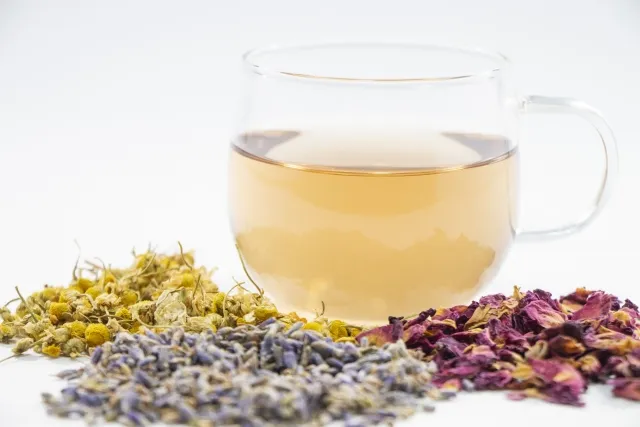
In addition, hydration is extremely important. When the body lacks sufficient water, dryness and dullness in the skin become more noticeable. While being mindful of excessive caffeine intake, developing a habit of regularly drinking room-temperature water or herbal tea is essential for practising natural beauty.
Improving your diet can have a more direct impact on skin health than the choice of skincare products. By combining external care with internal care, natural beauty methods maximise their effectiveness.
Chapter 7: The Importance of Sleep and Stress Management
In natural beauty methods, “sleep” and “stress management” are as important as skincare products and diet. No matter how carefully you care for your skin externally, it cannot remain healthy if the internal environment is disturbed. Skin turnover, the process of skin renewal, primarily occurs during sleep. Ensuring high-quality sleep is an essential element in practising natural beauty methods.
First, let us consider the relationship between sleep and the skin. Skin cells are said to be most active in repair and regeneration between 10 p.m. and 2 a.m. Getting adequate sleep during this period is effective for maintaining skin clarity and elasticity. Many people have experienced dull complexion or increased breakouts after a night of insufficient sleep. This indicates that turnover is not occurring properly, and the removal of waste products and generation of new cells is delayed.
To achieve high-quality sleep, it is essential to create an optimal bedroom environment. Dimming the lights and maintaining a quiet, calming space helps the parasympathetic nervous system dominate, making it easier to fall asleep. It is also advisable to avoid using smartphones or computers before bed, as blue light stimulates the brain and suppresses melatonin secretion. Instead, activities such as reading, light stretching, or aromatherapy can promote relaxation and make it easier to fall asleep.
Next, let us consider “stress management.” Stress promotes the generation of reactive oxygen species, accelerating skin oxidation. Excess secretion of cortisol, a stress hormone, increases sebum production, raising the risk of acne and inflammation. Chronic stress also impairs blood circulation, making symptoms such as dullness and dark circles more likely to appear.
In natural beauty methods, the goal is not to eliminate stress but to “manage it effectively.” For example, yoga and meditation help regulate breathing and activate the parasympathetic nervous system. Simply focusing on deep breathing can improve oxygen circulation and relieve tension. Relaxation using essential oils, such as lavender or bergamot, can also help calm the mind.
Furthermore, moderate exercise is effective for both stress relief and beauty. Aerobic exercise promotes blood circulation, helping deliver essential nutrients and oxygen to the skin. Incorporating activities such as walking, light jogging, or stretching into daily routines helps balance the mind and body, stabilising skin condition.
Sleep and stress management form the “invisible skincare” that supports natural beauty methods. True beauty is nurtured not by relying solely on surface treatments, but by harmonising the body’s rhythms and the mind’s balance.
Chapter 8: Seasonal Natural Skincare
In Japan, with its four distinct seasons, the environmental conditions affecting the skin change significantly throughout the year. In natural beauty methods, it is recommended to adjust skincare according to these seasonal changes. Rather than using the same routine year-round, selecting natural ingredients suited to spring, summer, autumn, and winter helps the skin adapt more easily to its environment.
Spring: Protection Against Pollen and Ultraviolet Rays
Spring is a season with high exposure to pollen, yellow dust, and increasingly strong ultraviolet rays. The skin tends to become sensitive, and some people may experience redness or itchiness. During this period, it is effective to use ingredients with anti-inflammatory properties. Extracts of chamomile or lavender help soothe the skin and support its barrier function. For UV protection, naturally derived options—such as non-chemical sunscreens containing titanium dioxide or zinc oxide—are suitable.
Summer: Managing Sebum and Sweat
In summer, rising temperatures and humidity increase sebum production and sweating. This can lead to clogged pores and acne, so using clay masks or herbal waters to absorb excess sebum and refresh the skin is effective. Since the skin is also more susceptible to UV damage, cooling it with aloe vera gel while incorporating antioxidant ingredients such as green tea extract or vitamin C derivatives is recommended.
Autumn: Dryness and Disrupted Skin Turnover
In autumn, the air begins to dry, and the damage from summer’s UV exposure becomes apparent on the skin. Spots, dullness, and rough texture are more noticeable. During this season, it is important to focus on moisturising and nourishing care. Using antioxidant-rich oils such as shea butter or rosehip oil helps protect the skin and supports healthy turnover.
Winter: Dryness and Poor Circulation
In winter, dry air and cold-induced poor circulation have a significant impact on the skin. The skin’s barrier function is easily compromised, leading to flakiness and redness. During this season, rich moisturising care is essential. Protecting the skin with plant oils rich in almond oil or ceramides and maintaining indoor humidity with a humidifier is effective. Additionally, warming the body from within with hot drinks and meals improves blood circulation, helping to stabilise skin condition.
Thus, in natural beauty methods, it is not about “continuing the same care throughout the year,” but about “flexibly incorporating the ingredients and methods needed for each season.” Seasonal skincare represents the essence of natural beauty methods, protecting and nurturing the skin in harmony with nature.
Chapter 9: Practical Ways to Incorporate Natural Beauty into Daily Life
An important aspect of maintaining natural beauty methods is to “integrate them into daily life without strain.” Using expensive products temporarily is less effective in the long term than developing habits that can be sustained. Here, we will look at practical ways to incorporate natural beauty practices into everyday life.
1. Incorporate natural ingredients into your daily routine
It is not necessary to switch all cleansing and moisturising products to natural ingredients at once. Starting with a single change—such as replacing your face wash with an additive-free soap or using rose water as a toner—makes it easier to maintain. Once you become accustomed, you can gradually expand to cleansing oils, serums, and other products, allowing the practice to settle naturally.
2. Using Homemade Skincare
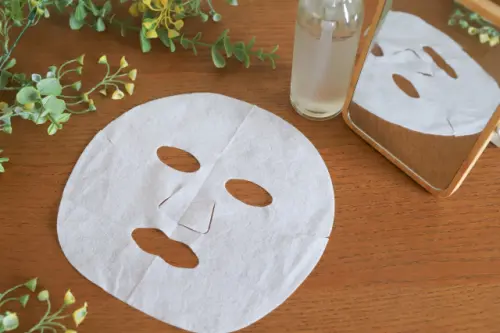
In natural beauty methods, simple homemade skincare is also popular. For example, a mask made by mixing honey and yogurt can provide moisturising and skin-conditioning effects, while a scrub made by dissolving rice bran powder in water gently removes old keratin. The advantages of homemade skincare are its simple, safe ingredients and cost-effectiveness.
3. Incorporating Natural Ingredients into Relaxation
Natural beauty methods extend beyond skincare to a lifestyle that soothes both mind and body. Using an aroma diffuser with scents like lavender or geranium, or adding natural bath ingredients such as baking soda or Epsom salts to the bath, refreshes not only the skin but also the mind.
4. Tips for Making It a Habit
To maintain consistency, it is important to prioritise “enjoyment” and “comfort.” Small touches—such as enjoying a favourite herbal tea during skincare or choosing products with natural scents—can become motivating factors that help sustain natural beauty practices over the long term.
How you incorporate natural beauty practices into daily life will vary from person to person. There is no need to aim for perfection; finding methods that fit your lifestyle and gradually turning them into habits is what leads to success in natural beauty methods.
Chapter 10: The Future of Natural Beauty Methods and Summary
Natural beauty methods go beyond mere skincare practices. They are also gaining attention from the perspective of environmental issues and the pursuit of a sustainable society. As organic farming spreads and products with lower environmental impact are developed, natural beauty is becoming both “a gentle choice for your skin” and “a kind choice for the planet.”
For example, conventional cosmetics have traditionally used many petroleum-derived ingredients, but recently there has been a shift toward plant-based ingredients and the use of recyclable packaging. Moreover, more brands are considering producers’ welfare by using Fair Trade-certified raw materials. In this way, natural beauty methods are becoming a movement that extends throughout society.
Furthermore, advances in science are increasingly supporting the effectiveness of naturally derived ingredients through research. For example, the vitamin C in rosehip oil aids collagen production, and the catechins in green tea extract help reduce UV damage. Knowledge once considered “folk remedies” is now being scientifically validated. In the future, misconceptions that “natural means weak” are likely to be dispelled, and a new standard—“natural as both safe and effective”—will become established.
In conclusion, natural beauty methods are “not only gentle on the skin but also a way to enrich overall life.” By relying on the power of nature rather than chemical stimulants, and by aligning lifestyle factors such as diet, sleep, and stress management, it is possible to nurture beauty both from the inside and the outside.
The future of beauty is likely to prioritise “sustainability” over immediate effects, “harmony” over flashiness, and consideration for “the environment” alongside individual beauty. At the centre of this shift is natural beauty methods. To keep the skin, mind, and environment healthy, let us continue practising beauty in harmony with nature.





 Toll-free