





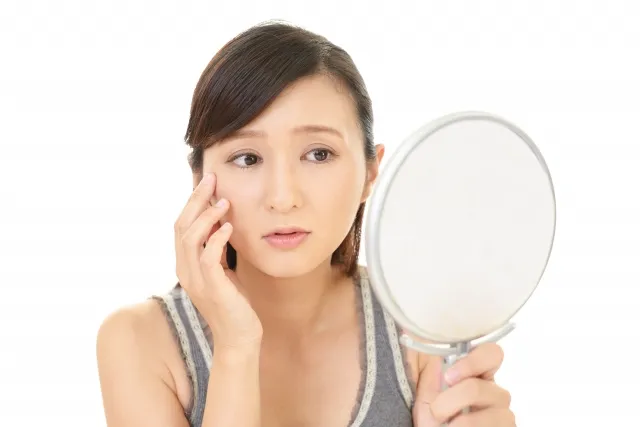
Many people struggle with changes in their skin as they age, but proper skincare is essential for keeping ageing skin beautiful. Early measures are effective against skin concerns that appear with age, such as dryness, sagging, spots, and wrinkles. This article explains the basic skincare best suited for ageing skin and provides practical methods. With daily care, you can achieve beautiful skin that retains firmness and radiance.
Chapter 1: Characteristics of Ageing Skin and Their Causes
As we age, the concerns and changes that appear in the skin are diverse, but the first step in practising effective skincare is to clearly understand their characteristics and causes. Ageing skin is not just about dryness; various factors are intricately intertwined.
1. Characteristics of Ageing Skin
As we age, the skin undergoes various changes. The most noticeable is dryness. With age, sebum production decreases, and the skin’s ability to retain moisture declines. As a result, the skin becomes increasingly dry, making signs of ageing such as wrinkles, fine lines, and sagging more likely to appear. In addition, components that maintain skin elasticity, such as collagen and elastin, decrease, causing the skin to lose firmness, which makes sagging and nasolabial folds more prominent. Furthermore, as cell turnover slows, old keratin tends to remain on the skin, leading to a loss of brightness and transparency.
With ageing, the skin’s metabolism declines, and the turnover cycle (skin renewal) slows, causing old keratin to remain on the skin. This leads to dullness and a loss of radiance. Additionally, the decrease of collagen and elastin, which give the skin firmness, reduces elasticity and causes visible wrinkles and sagging. These changes are the most characteristic concerns of ageing skin.
2. Causes of Ageing Skin
The primary cause of ageing skin is age itself, but it is not the only factor. Ultraviolet (UV) exposure, dryness, and hormonal changes all have a combined effect. UV rays accelerate skin ageing and cause spots and wrinkles. In addition, moisture loss from dry air or heating can worsen ageing skin. Furthermore, as metabolism slows with age, the skin’s turnover becomes irregular, reducing its ability to repair itself.
With ageing, collagen production in the skin decreases, reducing elasticity and making wrinkles and sagging more likely to appear. Photoageing caused by ultraviolet rays and irregular lifestyle habits also accelerate the ageing of the skin, making spots and dullness more noticeable. To address these issues, it is necessary to understand the characteristics and causes of ageing skin and to follow skincare suited to them.
Chapter 2: Essential Skincare Ingredients for Ageing Skin
To keep ageing skin beautiful, it is important to properly replenish the nutrients and ingredients the skin needs. Here, we will introduce the particularly important ingredients.
1. Hyaluronic Acid
Hyaluronic acid is an essential ingredient for skin hydration. It boasts an exceptional water-retaining capacity, able to hold six litres of water per gram. As we age, the amount of hyaluronic acid decreases, making the skin more prone to dryness, so it is important to replenish moisture with skincare products containing hyaluronic acid. It keeps the skin plump and moisturised, and is also effective in preventing wrinkles and sagging. Replenishing hyaluronic acid is particularly important during seasons when dryness is a concern.
Hyaluronic acid not only enhances the skin’s moisture-retaining ability and protects it from dryness, but also provides firmness and elasticity. By using lotions or serums containing hyaluronic acid, you can thoroughly replenish moisture from within the skin and protect it from external dryness and irritants.
2. Collagen
Collagen is an important component that supports the skin’s elasticity and firmness. As we age, collagen production decreases, making the skin more prone to sagging. By replenishing collagen, you can restore skin elasticity and help prevent sagging and wrinkles. Using serums or creams rich in collagen can help create firm, youthful-looking skin.
Collagen affects the skin’s strength and elasticity, so replenishing collagen is an important part of care to prevent sagging and wrinkles. Although collagen is naturally produced in the body, its production decreases with age, making external supplementation important.
3. Vitamin C
Vitamin C is a powerful antioxidant that helps prevent spots and pigmentation. It also promotes skin turnover, helping to prevent dullness and discoloration. Vitamin C is essential for maintaining the skin’s radiance and is indispensable for ageing skin. In addition to its brightening effects, it supports skin firmness, making it effective in preventing wrinkles and sagging.
Vitamin C plays a role in inhibiting melanin production, helping to prevent spots. Its antioxidant properties also protect the skin from external stresses such as ultraviolet rays, making it important for maintaining healthy and beautiful skin. Regular use of skincare products containing vitamin C can help prevent spots and dullness while preserving the skin’s radiance.
Chapter 3: Cleansing and Washing Methods for Ageing Skin
To keep ageing skin beautiful, proper cleansing and washing are essential. For ageing skin in particular, gentle, caring methods are especially important.
1. The Importance of Cleansing
For ageing skin, cleansing is a very important step in maintaining skin health. Harsh cleansers can damage the skin’s barrier, so it is important to choose a gentle cleanser that cares for the skin. Oil-based or cream-based cleansers effectively remove makeup and impurities while preventing dryness. Additionally, it is essential to follow cleansing with a toner to condition the skin, ensuring that subsequent skincare products penetrate effectively.
2. Washing Methods
When washing ageing skin, it is important to gently cleanse with foam that envelops impurities. Avoid scrubbing; use the foam to wrap the face, minimising friction on the skin. It is also key to rinse with lukewarm water. After washing, gently pat the skin dry with a towel and follow immediately with moisturisation.
Chapter 4: Effective Moisturising Care for Ageing Skin
Dryness is the greatest enemy of ageing skin. As we age, skin dryness becomes more severe, but proper moisturising care can help prevent wrinkles and sagging.
1.Basics of Moisturising
For ageing skin, moisturising is one of the most important aspects of care. It is essential to first provide moisture with a toner, then lock it in with a serum or cream. Products containing ceramides, hyaluronic acid, or collagen are particularly effective. These ingredients enhance the skin’s barrier function and protect it from external irritants.
2. The Importance of Nighttime Care
Nighttime is when the skin undergoes its most intensive repair. Using a highly moisturising cream or oil to nourish the skin can significantly improve its condition by the next morning. Night care refreshes the skin and enhances the application of makeup the following day, so it should not be skipped.
Chapter 5: Effective Anti-Ageing Ingredients for Ageing Skin
To improve ageing skin, it is important to incorporate ingredients specifically targeted for anti-ageing.
1. Retinol
Retinol promotes skin turnover and is effective in preventing wrinkles and sagging. However, retinol is a strong ingredient, so caution is needed for dry or sensitive skin. Perform a patch test before use and start gradually.
2. Peptides
Peptides are ingredients that support skin elasticity, help stimulate collagen production, and improve firmness. They are particularly effective for ageing skin concerned with sagging and fine lines. Using serums or creams containing peptides can help restore the skin’s firmness and youthful appearance.
Chapter 6: Establishing Skincare Habits and Long-Term Care
To maintain beautiful skin, it is extremely important to make daily skincare a habit.
1. Daily Skincare Routine
Daily skincare is essential for ageing skin. By thoroughly cleansing, moisturising, and protecting against UV rays morning and night, you maintain skin health and preserve its beauty. Establishing a daily routine helps keep the skin consistently in good condition.
2. The Importance of Consistent Care
Ageing skin cannot be improved with a single treatment. Consistent care is necessary. By diligently following a daily skincare routine, the skin’s condition gradually improves, resulting in healthy, radiant skin.
Chapter 7: Essential Nutrients and Dietary Improvements for Ageing Skin
Skincare alone is not enough for ageing skin; care from within is also important. Skin health is closely linked to diet and lifestyle habits. Here, we will introduce the nutrients necessary for improving ageing skin and explain how to incorporate them into your diet.
1. Vitamin C and E
Vitamin C promotes collagen production in the skin and helps prevent spots and dullness. Vitamin E has strong antioxidant properties and protects the skin from external stresses such as ultraviolet rays. These vitamins are essential nutrients for preventing ageing skin. Vitamin C is abundant in citrus fruits and bell peppers, while vitamin E is rich in nuts and avocados.
2. Omega-3 Fatty Acids
Omega-3 fatty acids are essential healthy fats for skin health. Consuming them helps prevent dryness and reduce inflammation. Omega-3s are found in salmon, tuna, and flaxseed oil, and incorporating them into your daily diet can help moisturise the skin from within.
3. Collagen and Amino Acids
Collagen is a nutrient necessary for maintaining ageing skin. Since it is difficult to consume collagen directly, eating foods rich in amino acids can support collagen synthesis within the body. Amino acids are abundant in chicken, legumes, and eggs, and incorporating these foods helps maintain skin elasticity.
Chapter 8: Effective Anti-Ageing Care for Ageing Skin
To keep ageing skin beautiful, anti-ageing care is essential. Here, we will introduce care methods specifically for ageing skin and items effective for anti-ageing.
1. Care Using Retinol
Retinol, a type of vitamin A, is a highly effective ingredient that promotes skin turnover and helps prevent wrinkles and sagging. It is recommended to use retinol at night, and when using it for the first time, start with a small amount and gradually build up to allow the skin to adjust.
2. Vitamin C Serums
Vitamin C serums are essential for maintaining skin radiance and preventing spots and dullness. Vitamin C inhibits melanin production and reduces damage caused by ultraviolet rays. For ageing skin, incorporating vitamin C not only supports brightening but also helps improve skin elasticity.
3. High-Concentration Hyaluronic Acid Serums
Hyaluronic acid is an ingredient that addresses dryness and loss of elasticity in ageing skin. Using a high-concentration hyaluronic acid serum enhances the skin’s moisture-retaining ability and helps prevent wrinkles and sagging. It is especially suitable for seasons when dryness is a concern.
Chapter 9: Ageing Skin Care Measures in Daily Life
Caring for ageing skin involves more than just skincare; there are measures you can incorporate into daily life. Here, we introduce lifestyle improvements and key points to keep in mind.
1. Thorough Protection Against Ultraviolet Rays
Ultraviolet rays are the biggest factor accelerating skin ageing. It is important to protect the skin by using sunscreen daily and wearing hats or sunglasses when outdoors. Thorough UV protection helps prevent spots and wrinkles, keeping ageing skin beautiful.
2. Improving Sleep Quality
Skin repair and regeneration occur during sleep. To improve ageing skin, it is important to ensure high-quality sleep. Getting 7–8 hours of sleep each night and maintaining a good sleep environment supports normal skin turnover and promotes skin renewal.
3. Reducing Stress
Stress triggers the release of hormones that can negatively affect the skin, potentially causing breakouts and accelerating ageing. Securing time to relax and managing stress appropriately is essential for caring for ageing skin. Practices such as yoga, meditation, or light exercise can be effective.
Chapter 10: Comprehensive Summary for Maintaining Beautiful Ageing Skin
To keep ageing skin beautiful, it is important not only to follow basic skincare routines but also to care from within and improve lifestyle habits. Supplementing the skin with necessary ingredients through daily skincare, maintaining a healthy diet, and ensuring quality sleep are key to reducing concerns associated with ageing skin and achieving beautiful skin.
When choosing skincare products, it is important to select ingredients suitable for ageing skin and ensure thorough moisturisation. Using products that contain hyaluronic acid, collagen, and vitamin C helps maintain skin elasticity and radiance. In addition, daily protection against ultraviolet rays and effective stress management can prevent skin ageing and contribute to a more youthful appearance.
Even as we age, maintaining proper skincare and revising lifestyle habits makes it possible to keep the skin healthy and beautiful. By making daily care a habit and continuing efforts to support ageing skin, you can preserve its health and beauty.








 Toll-free