




Prologue | Why Are Stress and Skin Connected?
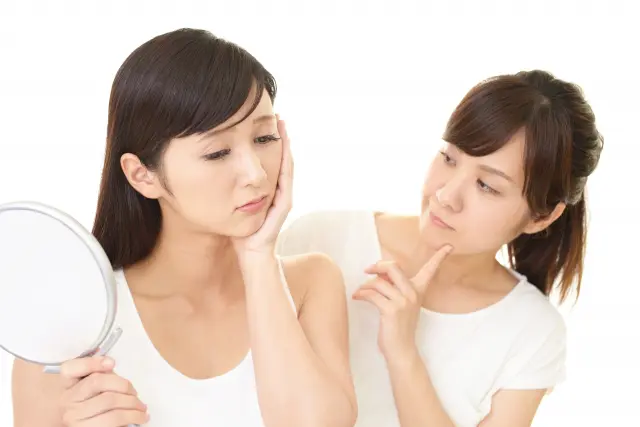
Have you ever looked in the mirror and thought, “My complexion looks dull,” “My spots have become darker recently,” or “I’ve developed more fine lines”? Many people simply attribute these changes to “aging” or “incompatibility with skincare products.” However, in clinical settings, stress often lurks behind such concerns.
Stress is not just a mental phenomenon—it is a physiological response that affects the entire body. It disrupts the balance between the sympathetic and parasympathetic nervous systems, alters hormone secretion, and weakens the immune response. The skin, which is directly exposed to the external environment, also sensitively reflects internal changes such as blood flow, hormones, and immune status. For this reason, it is called “the mirror that reflects the state of the mind.”
Modern society is often referred to as a “stress society.” Everyone carries various stresses—long working hours, interpersonal relationship issues, household or childcare burdens, information overload, financial worries, and more. These cumulative effects eventually manifest as skin troubles. In this article, we will systematically examine how stress affects the skin and provide a broad range of specific strategies—including nutrition, lifestyle habits, and skincare—for effective management.
Chapter 1 | Scientific Mechanisms by Which Stress Affects the Skin
1‑1 Autonomic Nervous System Imbalance and Blood Flow Disorders
When people experience stress, they exhibit a “fight-or-flight” response. The sympathetic nervous system becomes dominant, causing blood vessels to constrict and elevating heart rate and blood pressure. When this state persists, peripheral blood flow decreases, impeding the skin’s supply of oxygen and nutrients. As a result, the complexion deteriorates, and issues such as dullness, dryness, and disrupted skin turnover occur.
1‑2 Hormonal Imbalance
A representative hormone secreted under stress is cortisol. While it provides short-term protection, chronically elevated levels lead to excessive sebum production, clogged pores, and inflammation. In women, estrogen and progesterone balance can also be disrupted, making skin issues associated with the menstrual cycle more pronounced.
1‑3 Decreased Immunity
Stress suppresses the activity of immune cells, weakening the body’s resistance to external threats. This is why atopic dermatitis and hives often worsen under stress. Immune dysregulation also prolongs inflammation, turning redness and itching into chronic conditions.
1‑4 Oxidative Stress and Aging
Stress increases the production of reactive oxygen species (ROS). ROS damage cell membranes and DNA, accelerating aging. In the skin, collagen and elastin are destroyed, resulting in loss of elasticity and advancing fine lines and sagging.
Chapter 2 | Typical Skin Troubles Caused by Stress
Acne and Pimples
Adult acne differs from adolescent acne in that stress plays a significant role. Excess sebum caused by cortisol, delayed repair due to lack of sleep, and immune suppression that worsens inflammation lead to recurring breakouts around the mouth and chin.
Dry and Sensitive Skin
Stress inhibits the synthesis of ceramides, reducing the skin’s moisture retention in the stratum corneum. As a result, even minor stimuli can trigger redness and itching, resulting in sensitive skin. Many patients complain that “no skincare products suit me anymore”—they are often in this condition.
Spots and Dullness
Stress promotes melanin production. Poor blood circulation causes skin hypoxia, leading to bluish-black or yellow dullness.
Aging (Fine Lines and Sagging)
Oxidative stress damages dermal fibers, accelerating loss of elasticity and the formation of fine lines. Chronic stress is said to increase one’s perceived age by about five years.
Chapter 3 | Women’s Life Stages and Stress-Related Skin Issues
Because hormone fluctuations are significant in women, the relationship between stress and skin troubles is more pronounced than in men, especially during pregnancy, postpartum, and menopause—times when hormonal waves and psychological burdens often overlap.
3‑1 Skin Changes During Pregnancy
During pregnancy, estrogen and progesterone levels surge. This makes melasma and dark spots more likely to develop, and the skin tends to become more sensitive overall. Additionally, nausea can hinder sufficient nutrient intake, and sleep disturbances can exacerbate skin troubles. Many pregnant women complain that “skincare products I used before now cause redness.”
3‑2 Postpartum Stress and Skin
After childbirth, hormone levels drop sharply. Combine that with sleep deprivation due to nighttime breastfeeding and childcare stress, and breakouts around the mouth and redness on the cheeks tend to worsen. Nutrient deficiencies in the mother also significantly delay skin recovery. In some cases, postpartum depression and skin issues coexist, highlighting the importance of a support system.
3‑3 Dryness and Fine Lines During Menopause
During menopause, declining estrogen leads to decreased skin hydration and elasticity. Fine lines become more noticeable, and symptoms such as hot flashes and insomnia amplify stress. If stress management is neglected at this stage, aging can accelerate rapidly.
Chapter 4 | Protecting Skin Through Nutritional Therapy and Diet
Diet is essential for both stress management and maintaining beautiful skin. Nutritional deficiencies make the skin especially vulnerable to stress and impair its ability to regenerate.
4‑1 Antioxidant Nutrients
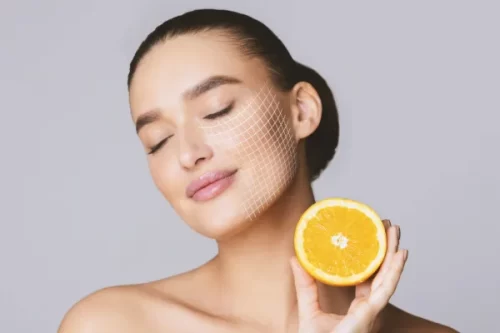
- Vitamin C: Eliminates reactive oxygen species and promotes collagen synthesis. Essential for preventing spots and wrinkles. Rich in citrus fruits, bell peppers, and broccoli.
- Vitamin E: Prevents lipid oxidation and improves circulation. Commonly found in nuts and avocados.
- Polyphenols: Present in red wine, berries, and green tea, they protect cells from oxidative damage.
B vitamins: Support energy metabolism and stabilize the nervous system. Abundant in pork, natto (fermented soybeans), and eggs.
- B vitamins: Support energy metabolism and stabilize the nervous system. Abundant in pork, natto (fermented soybeans), and eggs.
- Magnesium: Helps calm neural excitation and alleviate insomnia and anxiety. Found in seaweed, nuts, and bananas.
- Tryptophan: A precursor to serotonin that improves sleep quality. Rich in soy products and dairy.
4‑3 Essential Nutrients for Skin Repair
- Zinc: Vital for skin cell division and repair. High levels found in oysters and beef.
- Protein: The building block for skin and collagen. Aim for a balanced intake of fish, poultry, and legumes.
Incorporating these into your daily diet helps build resilient skin.

Chapter 5 | How Lifestyle Habits Can Transform Your Skin
Chapter 5 | How Lifestyle Habits Can Transform Your Skin
5‑1 The Importance of Sleep
Sleep is often called “the best beauty essence.” During deep sleep, growth hormone is secreted, facilitating skin repair and regeneration. Aim for around seven hours of sleep, and avoid smartphones or computers before bed to improve sleep quality.
5‑2 Moderate Exercise
Exercise reduces stress hormones and improves circulation. Activities like walking and yoga are especially effective, as they also stabilize the autonomic nervous system. Aim for 15–30 minutes daily.
5‑3 Relaxation Techniques
Meditation, deep breathing, aromatherapy, and warm baths activate the parasympathetic nervous system and ease stress. Simple practices like deep breathing during a bath or a short pre-sleep meditation are recommended.
5‑4 Time for Hobbies and Pleasure
Activities that bring joy are essential for stress relief. Designate time each week—even once—to indulge in what you love; this enhances both mental resilience and skin recovery.
Chapter 6 | Skin Care Strategies by Skin Type for Stress-Prone Skin
Stress-related skin issues manifest differently depending on skin type. A tailored approach accelerates recovery.
6‑1 Sensitive Skin
Characterized by redness and itching due to weakened barrier function from stress.
- Tips: Use low-irritant moisturizers and wash your face gently with lukewarm water. Avoid skincare products with alcohol or fragrance.
- Example: A moisturizer containing ceramides supports moisture retention.
6‑2 Oily Skin
Stress hormones lead to excess sebum, causing acne and clogged pores.
- Tips: Avoid excessive cleansing. Limit face washing to twice daily and choose non-comedogenic skincare products.
- Example: A toner with vitamin C derivatives helps control sebum.
6‑3 Dry Skin
Stress decreases sebum production and moisture retention.
- Tips: Layer lotion and cream to provide an “oil seal.” Using a humidifier is also effective.
- Example: Layering a hyaluronic acid or glycerin–rich toner enhances hydration.
Chapter 7 | Case Studies: Voices of People Who Overcame Stress
Real-life stories offer significant reassurance to those facing similar challenges. Here are several case studies:
- Woman in her 30s (Postpartum)
“I couldn’t sleep due to nightly baby crying, and redness and breakouts on my cheeks were troubling me. Following my doctor’s recommendation, I focused on iron and vitamin C in my diet and took 15-minute walks during the day. After one month, my skin redness reduced.” - Woman in her 40s (Menopausal)
“Persistent irritability and hot flashes caused insomnia, and dry fine lines increased suddenly. After practicing aromatherapy yoga and incorporating soy-based foods, my skin regained some firmness and my mind settled.” - Man in his 20s (Work Stress)
“Continuous overtime worsened my acne. My dermatologist prescribed a B‑vitamin complex supplement, and I began taking nightly baths. Gradually, my skin improved.”
Chapter 8 | Practical Work: Stress-Skin Care Starting Today
Here’s a checklist of habits you can start immediately—checking them daily yields the best results.
Daily Checklist (Example with 30 items)
- Did I get about seven hours of sleep?
- Did I put down my smartphone 30 minutes before bed?
- Did I eat at least five kinds of vegetables and fruits today?
- Did I drink more than 1.5 L of water?
- Did I do light exercise or stretching?
- Did I practice five minutes of deep breathing or meditation?
- Did I spend time enjoying a hobby or something fun?
- Did I treat my skincare gently?
- Did I limit caffeine and alcohol?
- Did I speak words of praise to myself?
Chapter 9 | Conclusion: Stress and Skin Are Inseparable
As demonstrated in this article, stress deeply affects the skin through the autonomic nervous system and hormonal pathways. Many skin issues—such as acne, dryness, spots, and wrinkles—are closely linked to lifestyle habits and psychological load.
- Nutrition: Maintain a balanced intake of antioxidant vitamins, minerals, and proteins.
- Lifestyle: Sleep, exercise, and relaxation habits support skin recovery.
- Skin Care: Continuously use low‑irritant care suited to your skin type.
- Mind Care: Boost self-esteem through affirmations and pleasurable activities.
No one lives a completely stress-free life. However, building skin and mind that resist stress is achievable for everyone. By taking small steps starting today, your future self—and future skin—will surely transform.






 Toll-free