




As we age, the skin gradually loses its firmness and elasticity, leading to changes such as wrinkles, sagging, and dullness. While this is a natural aging process, it is possible to slow its progression and maintain a youthful appearance through lifestyle choices and skincare. Anti-aging is not only about regaining a youthful look but also about taking a comprehensive approach to maintaining skin health in the long term. In this article, we will explain in detail, from the perspective of dermatology and beauty science, the mechanisms of aging skin, effective care methods, and daily habits that should be incorporated.
Chapter 1: Mechanisms and Main Causes of Aging Skin
The most significant feature of aging skin is the loss of firmness and elasticity due to structural changes. The skin consists of three layers: the epidermis, dermis, and subcutaneous tissue. The dermis contains collagen, elastin, and hyaluronic acid, which support elasticity and moisture retention. With age, fibroblast activity declines, reducing the production of these components. At the same time, photoaging caused by UV radiation accelerates collagen breakdown, leading to sagging and deep wrinkles. Other contributing factors include oxidative stress, glycation, hormonal changes, and poor circulation.
Chapter 2: Effective Skincare Ingredients for Anti-Aging
The key to anti-aging care lies in using scientifically proven ingredients at the right concentrations and methods. Retinol and retinal, derivatives of vitamin A, promote collagen production and normalize turnover. Vitamin C derivatives combine antioxidant and brightening effects, suppressing melanin production. Peptides activate fibroblasts, helping to restore firmness. Niacinamide improves the skin barrier and reduces pigmentation. Hyaluronic acid and ceramides enhance hydration, preventing fine lines caused by dryness.
Chapter 3: Correct Steps in Skincare
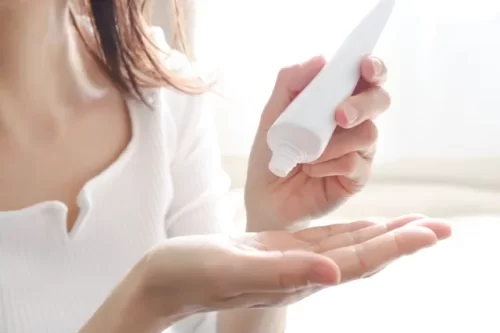
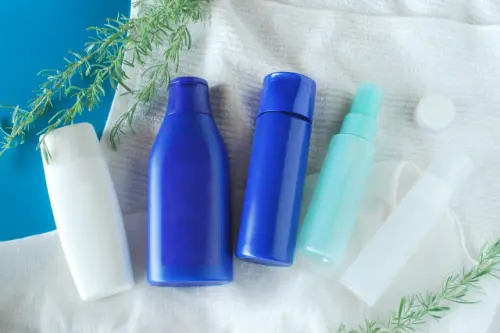
To maximize the effects of anti-aging care, the order and method of skincare are essential. Cleansing should gently remove sebum and impurities, followed by toner to replenish moisture. Next, serums deliver concentrated active ingredients, and emulsions or creams lock in hydration with oils. At night, products with antioxidants and retinol help repair damage caused by UV radiation and pollution. During the day, sunscreen must be applied consistently to prevent photoaging.
Chapter 4: Anti-Aging Through Diet and Nutrition
Internal care is indispensable for maintaining youthful skin. Antioxidant nutrients such as vitamins C and E and beta-carotene protect against oxidative damage from UV rays and stress. Omega-3 fatty acids reduce inflammation and maintain skin flexibility. Amino acids, the building blocks of collagen and elastin, as well as zinc and iron, which support metabolism, are crucial. Excessive sugar intake accelerates glycation, leading to yellowing and stiffening of the skin, and should be limited.
Chapter 5: Lifestyle and Environmental Management
Anti-aging depends heavily on daily lifestyle habits. Adequate sleep promotes growth hormone secretion and skin repair. Exercise improves blood circulation, delivering oxygen and nutrients to skin cells. Stress management is also vital, as chronic stress increases reactive oxygen species and disrupts hormonal balance. Environmental management, such as maintaining indoor humidity and avoiding UV exposure and pollution, is also necessary.

Chapter 6: Age-Specific Anti-Aging Strategies
20s–30s: Focus on prevention with thorough UV protection and hydration.
30s–40s: Collagen reduction begins; incorporate retinol and vitamin C derivatives.
40s–50s: Hormonal changes accelerate elasticity loss; strengthen care with peptides and niacinamide.
50s and beyond: Barrier decline and dryness become central issues; use high-moisture, low-irritation products.
Chapter 7: Combining Modern Aesthetic Medicine and Home Care
Aesthetic treatments expand anti-aging options. Laser treatments, radiofrequency, and HIFU (high-intensity focused ultrasound) target the dermis and fascia to improve sagging and wrinkles. Botox and hyaluronic acid injections provide immediate effects, though temporary, so combining them with daily skincare ensures better longevity. At-home devices such as beauty tools and LED masks also contribute to results.
Chapter 8: Bad Habits to Avoid in Anti-Aging
Smoking generates large amounts of reactive oxygen species and destroys vitamin C. Excessive alcohol consumption causes dehydration and inflammation. Harsh cleansing or massages with strong friction damage the barrier function. Overuse of peels or high-concentration actives can backfire.
Chapter 9: Psychological Well-Being and Anti-Aging
Positive emotions and self-esteem positively affect hormone balance and immune function, reflecting on skin condition. Enriching life through hobbies and social activities is also part of anti-aging.
Chapter 10: Mechanisms and Scientific Evidence of Anti-Aging Ingredients
Understanding how ingredients work on the skin is vital for effective anti-aging. Retinol, a vitamin A derivative, activates fibroblasts in the dermis, stimulating collagen and elastin production. It also normalizes epidermal turnover, reducing wrinkles and improving smoothness. Vitamin C derivatives have strong antioxidant properties, neutralizing UV-induced reactive oxygen species. They also inhibit tyrosinase activity, preventing melanin formation and improving spots and dullness. Peptides facilitate intercellular communication and support dermal repair. Signal peptides stimulate collagen synthesis, while carrier peptides aid mineral delivery. Niacinamide strengthens the barrier and inhibits melanin transfer to epidermal cells, improving pigmentation. These ingredients are effective individually but offer synergistic benefits when combined.
Chapter 11: The Three Major Causes of Skin Aging—Oxidation, Glycation, and Chronic Inflammation
Skin aging is not only natural aging due to time but also the accumulation of external and internal damage. The three main factors are oxidation, glycation, and chronic inflammation. Oxidation occurs when reactive oxygen species from UV, pollution, and stress damage membranes, DNA, and proteins. Glycation happens when excess sugar binds to proteins, forming AGEs (advanced glycation end-products) that reduce elasticity. Chronic inflammation, often caused by UV, dryness, and environmental stress, maintains low-level inflammation long-term. These factors interact, accelerating aging. Anti-aging requires combining antioxidants, anti-glycation, and anti-inflammatory components to break this cycle.
Chapter 12: Anti-Aging Strategies by Age and Skin Type
20s: Prevention-focused, emphasizing UV protection, hydration, and lifestyle regulation.
30s: Early collagen loss begins; introduce retinol and vitamin C at low concentrations.
40s: Hormonal changes accelerate elasticity decline; actively incorporate peptides and niacinamide.
50s and beyond: Barrier decline and chronic dryness become challenges; focus on intensive hydration, gentleness, and medical aesthetic options as needed.
By skin type: Dry skin benefits from ceramides and squalane. Oily skin requires hydration while controlling excess sebum with ingredients like niacinamide or azelaic acid. Sensitive skin should use minimalist, low-irritant formulations, gradually increasing concentration.
Chapter 13: Synergy of Diet, Supplements, and Lifestyle
External care alone is not enough. Diet should include antioxidant-rich fruits and vegetables containing vitamins C and E, carotenoids, and polyphenols. Omega-3 fatty acids reduce inflammation and maintain flexibility. Protein intake is vital for collagen and elastin synthesis (1.0–1.2 g per kg body weight per day). Effective supplements include vitamin D (supports immunity and skin metabolism), coenzyme Q10 (antioxidant), and astaxanthin (protects against photoaging). Lifestyle strategies include 7+ hours of quality sleep, regular aerobic exercise and stretching, and stress-reducing practices such as meditation or breathing exercises.
Chapter 14: The Use of Aesthetic Medicine and Risk Management
Aesthetic medicine provides quick anti-aging results but requires informed choices. Laser treatments (fractional, pico lasers) stimulate collagen regeneration and improve pigmentation and pores. Radiofrequency (RF) and HIFU deliver heat to the dermis and fascia for lifting effects. Injectable treatments such as hyaluronic acid replenish volume, while Botox reduces expression lines. However, these are temporary, and without ongoing skincare and lifestyle management, aging resumes. Risks such as swelling, redness, and pigmentation exist, so thorough consultation with experienced physicians is essential.
Conclusion
Anti-aging for mature skin is not merely a beauty method to look younger, but a comprehensive approach based on understanding skin structure, function, and aging mechanisms. With age, collagen and elastin production decreases, while UV damage, oxidative stress, glycation, and chronic inflammation accelerate changes. These factors interact to cause reduced firmness, wrinkles, sagging, and dullness.
Effective countermeasures include using scientifically backed ingredients like retinol, vitamin C derivatives, peptides, and niacinamide at proper concentrations, while maintaining consistent UV protection and hydration. Nutrition, supplements, sufficient sleep, exercise, and stress management are also vital. Combining external approaches such as aesthetic treatments or devices enhances results but requires awareness of risks and proper aftercare.
The key is not to chase short-term results but to adopt a long-term strategy suited to your skin condition, age, and lifestyle, building habits step by step. A balanced approach, both inside and out, short-term and long-term, allows you to maintain healthy, radiant skin as you age—preserving not only appearance but also skin’s natural functions in a youthful state.



 Toll-free