






Serums are considered the “core of intensive care” in skincare and are essential items for addressing everyday skin concerns. However, simply applying them is not enough to achieve optimal results. By understanding how to choose a serum based on its characteristics and your skin type, as well as the most effective order and application techniques, its effectiveness can be greatly enhanced. This article systematically explains advanced techniques for making the most of your serums, elevating your daily skincare routine to the next level.
Chapter 1: The Basic Roles and Characteristics of Serums
Serums are one of the key skincare items alongside toners and moisturisers, but their role lies in “targeting specific skin concerns intensively.” While toners provide the skin with hydration and moisturisers or creams act as a seal to retain that moisture, serums are designed to deliver concentrated active ingredients to the stratum corneum. Therefore, they can be considered the skincare item most directly linked to visible results.
To understand the characteristics of serums, it is important to know the types of ingredients they contain and their functions. The following are some representative examples.
- Vitamin C derivatives: Improve dark spots, freckles, and enlarged pores, and help regulate sebum production.
- Retinol: Promotes collagen production and targets wrinkles and sagging.
- Hyaluronic acid: Provides moisture to the skin, with the depth of hydration varying according to its molecular weight.
- Ceramides: Strengthen the skin’s barrier function, protecting it from dryness and external irritants.
These ingredients can be used individually or combined to achieve synergistic effects. However, depending on the compatibility of the ingredients and the condition of your skin, you may experience irritation or side effects, so it is essential to make informed choices.
Serums also vary in texture. Light, gel-like formulations are suitable for oily skin or summer use, while rich, cream-like versions are effective for dry skin or winter care. Oil-based serums enhance skin suppleness, and booster-type serums help improve the absorption of subsequent skincare products.
Another characteristic of serums is the “balance between immediate effects and long-term benefits.” Some, like vitamin C, can provide noticeable brightness in a short period, while others, like retinol, produce gradual changes over several weeks to months. It is important to consider whether you prioritise immediate results or aim for long-term improvement based on the outcomes you desire.
In other words, serums are “intensive care items that influence the future of your skin,” and understanding their basic roles is the first step in applying advanced usage techniques.
Chapter 2: Choosing Serums Optimised for Your Skin Type
Skin types can be broadly classified into four categories: dry, oily, sensitive, and combination. To use serums effectively, it is first essential to accurately identify your skin type and then choose ingredients that suit it.
People with dry skin lack both moisture and oil, making their skin barrier more prone to weakening. In this case, serums rich in hydrating ingredients such as ceramides, hyaluronic acid, and glycerin are ideal. Additionally, since sebum production decreases at night, layering a rich, hydrating serum before bed can improve the skin’s condition by the following morning.
People with oily skin tend to produce excess sebum, making them prone to clogged pores and acne. Vitamin C derivatives and niacinamide can help regulate sebum production and tighten pores. Choosing a light, gel-type texture allows you to experience the benefits without feeling greasy.
People with sensitive skin have a weakened barrier function and are more prone to irritation, so it is important to choose low-irritant serums. Niacinamide is commonly included in formulations for sensitive skin, as it helps reduce inflammation while strengthening the skin barrier. It is also advisable to check for labels such as fragrance-free, colourant-free, and alcohol-free for added safety.
Combination skin is characterised by an oily T-zone and a dry U-zone. In this case, it is ideal to use different serums for different areas. For example, apply a light serum containing vitamin C derivatives on the T-zone, and a hydrating serum with ceramides or hyaluronic acid on the U-zone. Combining targeted care in this way helps balance the overall skin condition.
In this way, optimising serums according to your skin type is essential for maximising their effectiveness. Since skin condition can change with the seasons or your health, it is also important to review your choices regularly.
Chapter 3: Application Techniques to Enhance Serum Absorption
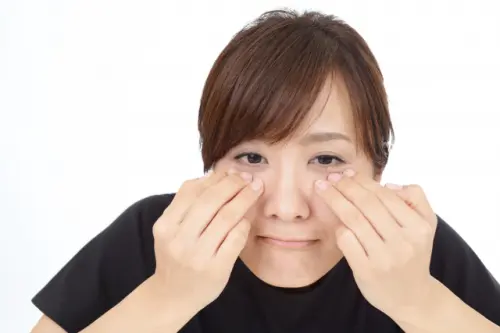
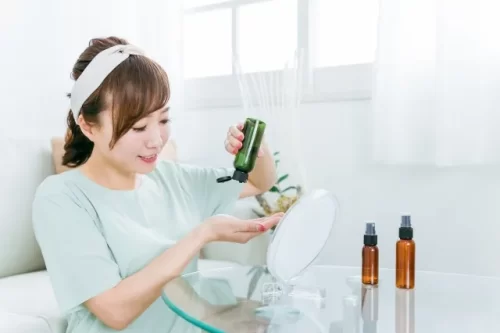
The effectiveness of a serum can change depending on how it is applied. The first important point is to “avoid friction.” Rubbing too hard can cause tiny injuries on the skin surface and weaken the barrier function. A useful method is the “hand press.” Warm the serum in your palms and gently press it onto your face, enveloping the skin, which helps enhance penetration into the stratum corneum.
Using the fingertips to layer serum on specific areas, known as “spot care,” is also effective. For areas of concern such as dark spots or wrinkles, applying a small amount in layers and allowing it to absorb carefully can enhance the results.
Additionally, using a pre-serum (booster) or beauty devices can help increase absorption. Boosters soften the stratum corneum, facilitating the penetration of serums applied afterwards. Using facial devices with iontophoresis functions can also deliver active ingredients electrically into the stratum corneum.
The timing of application is also important. Applying serum after cleansing, while the skin is still soft and retains moisture, allows the active ingredients to penetrate the gaps in the stratum corneum more effectively. Conversely, if the skin becomes dry, absorption is reduced, so it is ideal to apply the serum immediately after preparing the skin with a toner.
Incorporating these techniques into your daily skincare routine can significantly enhance the effectiveness of your serums.
Chapter 4: The Importance and Application of Serum Layering Order
To maximise the effectiveness of serums, the order of application within your skincare routine is important. Generally, the basic rule is to use them “after toner and before moisturiser or cream,” though there are exceptions depending on the ingredients and product characteristics.
For example, water-soluble vitamin C derivatives deliver maximum effectiveness when applied immediately after toner. On the other hand, oil-soluble retinol serums are more stably delivered to the skin when applied just before moisturisers or creams.
When using multiple serums, the rule of “light textures first, heavier ones later” is effective. Layering in the order of gel → lotion → oil helps the ingredients penetrate the stratum corneum smoothly. It is also useful to differentiate between morning and evening use: in the morning, apply serums focused on antioxidants and UV protection, while at night, choose serums emphasising repair and hydration for optimal results.
In this way, strategically organising the order of application can dramatically enhance the versatility and effectiveness of serums.
Chapter 5: Seasonal Advanced Techniques for Serums
Skin condition changes significantly with the seasons. In summer, UV exposure, sweat, and sebum can increase pore-related issues, while in winter, dryness and cold weaken the skin’s barrier function. In spring, pollen and dust can make the skin more sensitive, and in autumn, damage from summer UV exposure tends to become more apparent.
In spring, the focus is on sensitive skin care. Serums containing ceramides to strengthen the barrier or niacinamide to reduce inflammation are recommended.
In summer, to minimise UV damage, serums with vitamin C derivatives or antioxidant ingredients are effective. Choosing a light texture helps them stay comfortable and stable despite sweat and sebum.
Autumn is centred on brightening and repair. To counteract UV damage from summer, serums containing arbutin or tranexamic acid are useful.
In winter, addressing dryness is the top priority. Layering serums rich in hyaluronic acid and ceramides, and adding oil-based serums, helps lock in moisture and prevent dehydration.
In this way, adjusting your serum use according to the season directly contributes to maintaining healthy, radiant skin throughout the year.
Chapter 6: Age-Specific Serum Strategies
The skin changes with age, requiring age-appropriate serum strategies. In your twenties, the skin’s recovery ability is high and the barrier function is stable, but damage from UV exposure and lifestyle factors begins to accumulate. Preventive care should be the priority for this age group, focusing on antioxidants (such as vitamins C and E) and light hydrating serums. In particular, brightening serums that suppress melanin production from UV exposure are effective in preventing future dark spots and freckles.
In your thirties, skin firmness and elasticity gradually decline, and dryness and fine lines become more noticeable. This stage marks the “early phase of anti-ageing care,” so using serums containing retinol or niacinamide to support collagen production is important. Additionally, stress from work or childcare and lack of sleep can affect the skin, so combining serums with anti-inflammatory and highly hydrating properties can enhance their effectiveness.
In your forties, the decline in oestrogen levels leads to a combination of skin concerns such as wrinkles, sagging, and dark spots. At this stage, “comprehensive anti-ageing care” becomes necessary. Serums containing retinol, peptides, or placenta extract are effective for enhancing the skin’s regenerative ability. It is also essential to layer serums with high concentrations of hyaluronic acid or ceramides to prevent dryness.
From the fifties onward, sebum production decreases significantly, making dryness and sagging more pronounced. Poor circulation can also lead to dullness, so a serum strategy focusing on “regeneration and protection” is necessary. Advanced serums containing growth factors (EGF or FGF) or stem cell culture extracts become viable options, and adding oil-based serums to replenish lipids is also effective. At this stage, it is important to use serums not only for immediate effects but also to maintain long-term skin health.
By tailoring serum use to the characteristics of the skin at each age, you can move beyond simple symptomatic care and adopt a strategic skincare approach that considers your entire life stage.
Chapter 7: Layering Serums and Achieving Synergistic Effects
Serums can be used individually, but layering multiple serums can sometimes produce synergistic effects. However, it is important to be cautious about ingredient combinations.
For example, vitamin C derivatives and hyaluronic acid pair well, allowing you to achieve brightening and hydration simultaneously. Similarly, combining niacinamide with retinol can help reduce retinol’s irritation while supporting wrinkle improvement. Understanding these “compatible combinations” allows you to maximise the benefits of layering serums.
On the other hand, using retinol and high-concentration vitamin C together can be too irritating for the skin. Similarly, combining peeling agents (AHA or BHA) with retinol increases the risk of overloading the skin. Therefore, it is safer to separate strong combinations by time of day—for example, vitamin C in the morning and retinol at night.
Furthermore, the order in which serums are layered is also important. The basic rule is to go from “light textures to heavier textures.” The ideal sequence is: booster serum → brightening serum → hydrating serum → oil-based serum. Additionally, applying serums selectively to target specific skin concerns, known as “spot treatment,” is also effective.
In this way, layering serums can multiply their effectiveness when you assess your skin’s condition and understand both ingredient compatibility and the proper application order.
Chapter 8: Synergistic Effects of Diet, Lifestyle, and Serums
The effectiveness of serums is not achieved through external application alone. Their benefits are maximised when supported by care from within the body.
First, diet deserves attention. Foods rich in antioxidants such as vitamins C and E, and polyphenols, can work synergistically with the antioxidant ingredients in serums. For example, using a vitamin C serum while including citrus fruits or red peppers in your meals can enhance the improvement of dark spots and dullness. Additionally, consuming omega-3 fatty acids from fish or nuts strengthens the skin’s barrier function, helping the hydrating effects of serums last longer.
Sleep is another crucial factor. Skin turnover primarily occurs during sleep, so lack of sleep can halve the effectiveness of serums. Serums containing retinol or peptides, in particular, rely on nighttime skin regeneration to deliver their full benefits, making sufficient sleep essential.
Furthermore, stress management is essential. Chronic stress increases cortisol levels, which can trigger skin inflammation and weaken the barrier function. Incorporating relaxation techniques or light exercise helps create a foundation that enhances the effectiveness of serums.
In other words, advanced serum techniques are fully realised only when you consider their synergistic effects with your lifestyle habits.
Chapter 9: Integrating Serums with the Latest Beauty Technologies
In recent years, serums have surpassed the boundaries of traditional cosmetics, evolving through integration with aesthetic medicine and cutting-edge technologies.
Nanocapsule ingredients and liposome technologies, utilising nanotechnology, have made it possible to deliver active ingredients deep into the stratum corneum. This allows for deep hydration and targeting of the dermis, which was previously difficult. Additionally, services that integrate AI-based skin analysis to provide serums customised to individual skin conditions are increasingly becoming available.
Furthermore, combining serums with aesthetic treatments is also gaining attention. For example, using calming serums after laser treatments can accelerate recovery, and incorporating home-care serums alongside hyaluronic acid injections or Botox can help prolong the effects of these procedures.
Combining serums with at-home beauty devices is also effective. Using iontophoresis or ultrasonic devices to enhance serum penetration can provide results beyond standard application. These technologies blur the line between professional and home care, enabling more specialised and efficient skincare.
In this way, the integration of serums with cutting-edge technologies is expected to significantly reshape the future direction of skincare.
Chapter 10: The Future of Long-Term Serum Use
The future of serums extends beyond the realm of traditional “cosmetics.” Advances in personalised medicine are making “customised serums” possible, formulated based on genetic testing or blood analysis. This represents a new approach, analysing the skin at a molecular level and tailoring active ingredients to individual needs.
Serums are also evolving from a sustainability perspective. Ingredients extracted from renewable resources and products manufactured through environmentally friendly processes are expected to see growing demand. Consumers increasingly seek a balance between beauty and environmental responsibility, and product development is advancing to meet this need.
Furthermore, “smart skincare” using AI and IoT technologies is gaining attention. At-home devices can measure skin condition in real time, while dedicated apps recommend the optimal serum for that day. This ushers in an era where skincare can flexibly adapt to the daily changes in your skin.
The most important factors in long-term serum use are “consistency” and “adaptability.” Rather than seeking short-term results, it is essential to take a long-term perspective, nurturing your skin over time while integrating lifestyle habits and technological innovations.
Conclusion

Serums are not merely “an extra item” in your skincare routine—they are strategic tools that can shape the future of your skin. By understanding their basic roles and ingredients, and tailoring their use according to skin type, season, and age, you can maximise their effectiveness. Furthermore, by incorporating proper application techniques, synergising with lifestyle habits, and integrating the latest technologies, serums transcend ordinary skincare to become partners in creating long-term radiant skin.





 Toll-free