
1. What Is Down Syndrome?
Down syndrome (Trisomy 21) is a genetic disorder caused by an abnormality on chromosome 21. Normally, humans have two copies of chromosome 21, but individuals with Down syndrome have three copies. This abnormality usually arises from an error during chromosome segregation at fertilization. Down syndrome affects intellectual development and physical growth, and often presents characteristic physical features (e.g. flat nasal bridge, upward slanting eyes, short stature).
Symptoms of Down Syndrome may include:
- Intellectual disability (mild to moderate)
- Distinct facial features (upward slanting eyes, flat nasal bridge)
- Congenital heart disease or gastrointestinal problems
- Potential issues with vision or hearing
2. What Is Trisomy 21?
Trisomy 21 is the most common form of Down syndrome. It refers to a condition where there are three, rather than two, copies of chromosome 21. This genetic abnormality arises from errors in chromosome segregation in the egg or sperm. Trisomy 21 accounts for about 95% of all Down syndrome cases. The other cases are often due to translocation-type Down syndrome, in which a portion of chromosome 21 is translocated to another chromosome—also a structural genetic abnormality.
Causes and Risk Factors of Trisomy 21 include:
- The risk increases with maternal age, especially in women aged 35 or older
- While genetic predisposition may play a role, most cases are not inherited from parents
- In the majority of cases, the extra chromosome emerges sporadically, not as a hereditary trait
3. What Is NIPT (Non‑Invasive Prenatal Testing)?
NIPT analyzes fetal DNA from maternal blood to assess the risk of chromosomal abnormalities like Down syndrome. Because it only requires a maternal blood draw (no invasive procedures), it is termed “non‑invasive” and does not carry miscarriage risk. It is particularly noted for its very high accuracy in detecting Trisomy 21.
Characteristics of NIPT include:
- High accuracy: Detection rate for Down syndrome is over 99%
- Safety: As it is non‑invasive, there is no miscarriage risk as with amniocentesis or CVS
- Early timing: Can often be performed as early as ~10 weeks of gestation
- Low false positive rate: The chance of false positives is extremely low
Chromosomal Abnormalities Detectable by NIPT
- Trisomy 21 (Down syndrome)
- Trisomy 18 (Edwards syndrome)
- Trisomy 13 (Patau syndrome)
- Sex chromosome abnormalities (e.g. Turner syndrome)
4. Detection Accuracy of NIPT for Down Syndrome
NIPT exhibits very high performance in detecting Down syndrome. Studies report detection (sensitivity) of over 99%, with a very low false positive rate. As a high‑precision screening method, NIPT considerably improves upon traditional serum marker tests or NT (nuchal translucency) assessments in terms of accuracy and reliability.
Detection Accuracy Metrics:
- Sensitivity (True Positive Rate): Over 99%
- False Positive Rate: About 0.1% or less
- False Negative Rate: Extremely low, practically negligible
5. Limitations of NIPT and the Need for Confirmatory Diagnosis
Although NIPT is highly precise, it remains a screening test, not a diagnostic one. When NIPT indicates “high risk,” confirmatory diagnosis via amniocentesis or CVS is still required. The final decision should be based on confirmatory testing.
Limitations of NIPT include:
- Not definitive: NIPT evaluates risk but cannot provide a conclusive diagnosis
- Cannot fully detect some variants: In cases such as translocation Down syndrome or other structural chromosomal abnormalities, NIPT may not yield accurate results
- Technical constraints: Rare errors in DNA analysis or low fetal DNA fraction in maternal blood, or interference from maternal factors, may affect accuracy
6. Ethical Issues of NIPT
The increasing availability of NIPT has raised ethical questions in the field of prenatal diagnostics. Particularly when test results influence decisions about abortion, social, legal, and moral debates may arise. Many clinicians and experts advocate using NIPT strictly as a risk assessment tool, leaving final choices to the pregnant woman and her family.
Key Ethical Considerations:
- Selective abortion: Choosing pregnancy termination based on NIPT results may provoke ethical concerns
- Widespread screening: Whether all pregnant women should receive NIPT is still debated
7. Early Detection and Support for Down Syndrome
Early identification of Down syndrome risk allows for timely support and intervention. Through proactive medical monitoring and educational intervention, the quality of life for children with Down syndrome can significantly improve. Support strategies should be tailored case by case, and strong collaboration between families and medical teams is vital.
Benefits of Early Detection Include:
- Educational support: Special education or individualized instruction to enhance social adaptation
- Medical support: Early diagnosis and treatment of heart or gastrointestinal conditions
- Developmental interventions: Physical therapy, occupational therapy, speech therapy, etc.

8. Summary to Date
NIPT is a valuable tool for early detection of chromosomal abnormalities (including Down syndrome) while minimizing risk to mother and fetus. However, because it is a screening tool, positive risk findings must be confirmed with diagnostic tests (amniocentesis or CVS). As NIPT technology advances, its role in chromosomal abnormality management is becoming increasingly important, offering more choices and support to expectant mothers and families.
9. Treatment and Support for Down Syndrome
Once Down syndrome is diagnosed, though it is a genetic condition that cannot be “cured,” early intervention and sustained support can greatly enhance quality of life. Families and medical teams should provide comprehensive care.
Key Early Interventions Include:
- Rehabilitation therapies: Physical therapy, occupational therapy, speech therapy to improve motor, language, and cognitive abilities
- Educational support: Tailored special education programs or individualized instruction
- Medical monitoring: Regular screening and treatment for heart, digestive, vision, hearing issues
- Psychosocial & social support: Family support groups, counseling, and community inclusion to reduce isolation and boost confidence
10. Future Outlook for Individuals with Down Syndrome
As children with Down syndrome grow into adulthood, continued support for independent living and social participation is important. Recently, efforts for adult vocational training and life-support programs have increased.
Support Measures May Include:
- Vocational training: Helping adults with Down syndrome acquire skills and participate in employment
- Life assistance services: Daily living support, care services to facilitate more independent lives
- Increased social awareness: As society’s understanding grows, schools and workplaces offer more tailored support for people with Down syndrome, opening more opportunities
11. The Future and Evolution of NIPT
NIPT has revolutionized prenatal testing. Compared with traditional blood tests or ultrasound, it offers markedly higher precision and safety for both mother and fetus. In the future, NIPT is expected to evolve further, enabling detection of more genetic disorders or health risks.
Possible Future Directions for NIPT:
- Early detection of diverse conditions: Beyond trisomy 21, 18, and 13, detecting a wider array of genetic disorders and variants
- Use of artificial intelligence (AI): AI may enhance DNA analysis, accelerate results, and improve accuracy
- Broader applicability: Expanding usage to low‑risk pregnancies so that more women can benefit
12. Conclusion
Down syndrome is a genetic condition caused by chromosomal abnormality, yet advances in modern medicine make early detection and support possible. Prenatal risk assessment via NIPT is a high-accuracy, low-risk option. However, confirmatory testing (amniocentesis, CVS) remains necessary when needed. Once diagnosis is made, early intervention, education, and medical support significantly improve life outcomes.
As NIPT technology improves and its application expands, we expect it to become central in prenatal chromosomal abnormality management, offering greater choice and support for pregnant women and their families.
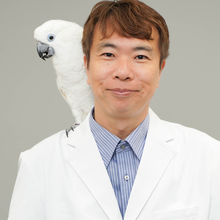
日本皮膚科学会 皮膚科専門医/日本医師会 産業医/東京衛生検査所 指導監督医
この記事は、 ヒロクリニックNIPTの編集・監修体制 にもとづき、資格を持つ医師が内容を確認しています。