

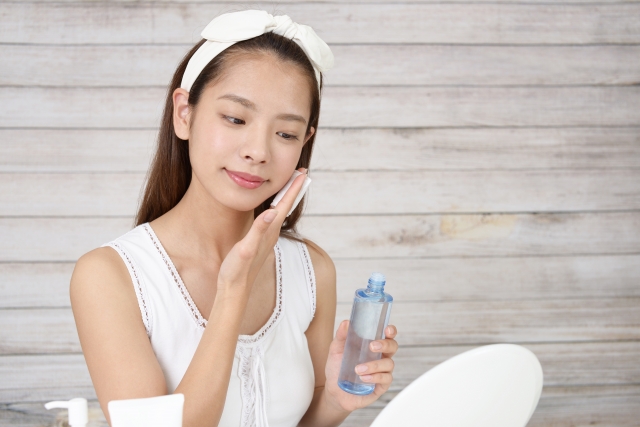
During pregnancy, changes in hormonal balance and overall condition can easily trigger a variety of skin problems such as irritation, dryness, and acne. From early to late pregnancy the skin often becomes more sensitive, and products that used to work can suddenly feel too harsh. Precisely because you are pregnant, you need skincare that is safe and low in irritation. This article explains in detail how to care for pregnancy related skin trouble and how to build a gentle routine suitable for expectant mothers.
1. Causes and Characteristics of Skin Problems During Pregnancy
Pregnancy related shifts in hormones and physiology make skin issues more likely than usual. Below are the main pregnancy specific causes of irritation and how they show up on the skin.
1.1 Changes in Hormonal Balance
In pregnancy, especially in the first trimester, secretion of hormones such as estrogen and progesterone rises sharply. These hormones stimulate the sebaceous glands and increase oil production, which can lead to the following:
Acne and breakouts
Excess sebum clogs pores and promotes acne, often around the forehead, chin, and cheeks.
Dryness and rough texture
Hormonal changes also affect the skin’s ability to hold water. Fluctuations in estrogen can reduce skin moisture, which leads to dryness and flaking.
1.2 Poor Circulation and Edema
In late pregnancy, total blood volume increases and the enlarged uterus can compress blood vessels. Circulation tends to slow, which can reduce delivery of oxygen and nutrients to the skin.
Dull tone
Reduced circulation can make the complexion look less vibrant and uneven.
Swelling
Pregnant bodies retain water more easily. Swelling in the face and extremities is common and can make the skin look puffy, which many interpret as a worsening of skin condition.
1.3 Stress and Lack of Sleep
Both physical and psychological stress often increase during pregnancy. Concerns about work, home life, and the pregnancy itself can show up on your skin.
Irritation and acne
Stress disrupts hormones and can drive excess sebum, which increases the likelihood of acne and breakouts.
Inflammation and redness
Chronic stress lowers skin immunity and can trigger inflammatory reactions. Not only do blemishes arise more easily, the entire face can feel red and sensitive.
Insomnia and dryness
Insufficient sleep disrupts skin turnover. Over time this leads to dryness and makes skin more prone to damage.
1.4 Diet and Nutrient Imbalance
If your diet is unbalanced, the skin may not receive enough key nutrients. Deficiency in vitamin A, vitamin C, zinc, or omega-3 fatty acids lowers repair capacity.
Roughness due to vitamin deficiency
Vitamin A supports turnover and vitamin C provides antioxidant support. Inadequate intake undermines skin health. Zinc helps tissue repair and low intake can worsen acne.
Imbalanced lipids
A lack of omega-3 fatty acids from foods such as fish and avocado weakens the barrier function and increases dryness and inflammation.
1.5 Pregnancy Specific Symptoms and Body Changes
Other pregnancy related changes can also affect the skin.
Pruritus of pregnancy
Hormonal and circulatory changes can cause generalized itchiness, especially on the abdomen, chest, and legs. Scratching may damage the skin and worsen roughness.
Stretch marks
As the abdomen expands in late pregnancy, the skin stretches and striae can appear. This can make the surface feel uneven.
In short, pregnancy skin troubles stem from several intertwined factors, including hormones, circulation, stress, and nutrition. Addressing each driver requires the right care and small lifestyle adjustments. Since pregnant skin is sensitive, gentle and consistent care helps keep problems to a minimum.
2. Low-Irritation Skincare Methods for Expectant Mothers
Because pregnancy can make skin more sensitive, products that once felt fine may suddenly sting or dry you out. Choose products that are mild, simple, and supportive. The methods below focus on minimizing irritation.
2.1 Rethink Cleansing
Pregnant skin is more reactive and dries out more easily. Past cleansing habits can be too stripping. Use these tips for a gentler cleanse.
Choose milk or cream cleansers
Compared with oils or gels that can leave you drier, milk and cream textures remove makeup and impurities while cushioning the skin with moisture.
Prefer mild surfactants and simple formulas
Avoid alcohol and synthetic fragrance when possible since they can irritate and dry. Sensitive skin or minimal ingredient formulas reduce the risk of reactions.
Use your palms with light pressure
Do not rub. Massage gently with your palms to lift makeup and debris while keeping mechanical stress low.
2.2 Make Hydration a Priority
Pregnant skin tends to lose moisture, especially on the face and the expanding abdomen. Hydration is a cornerstone of comfort and barrier support.
Look for hyaluronic acid and ceramides
Hyaluronic acid attracts and holds water. Ceramides reinforce the barrier. Moisturizers and lotions containing these support softness and reduce transepidermal water loss.
Add oils when very dry
When dryness is pronounced, layer a simple organic plant oil such as jojoba or argan to seal in moisture and soften the skin. Choose unscented and additive free options for extra safety.
Reapply as needed
Beyond morning and night, top up with a mist or light lotion when you feel tightness during the day.
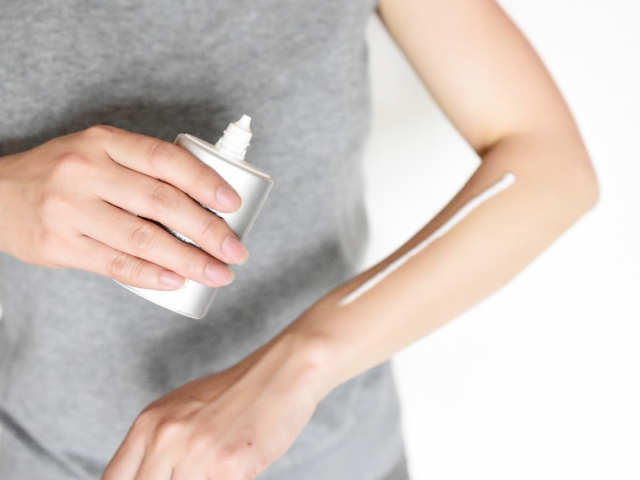
2.3 Use Sunscreen
Melanin production increases in pregnancy and dark spots and freckles form more easily. Sunscreen is essential, but choose options that are kinder to sensitive skin.
Favor physical filters
Mineral sunscreens with zinc oxide or titanium dioxide tend to be gentler than many chemical absorbers and are a good fit for sensitive skin.
Go for non chemical leaning and fragrance free
Alcohol and fragrance can sting in pregnancy. Simple, unscented formulas are more comfortable.
Match SPF and PA to daily needs
For most daily use, SPF 30 to 50 with PA+++ or higher is sufficient. Extremely high numbers can add unnecessary load. Choose according to your skin and exposure.
2.4 Care Beyond the Face
Pregnancy care is head to toe. The abdomen especially needs attention as it stretches.
Hydrate the abdomen and chest
As the belly grows, the skin stretches and dries more easily. Use pregnancy safe low-irritation oils or creams to keep the area supple. Natural options such as coconut oil and shea butter are commonly well tolerated.
Hands and feet
Since swelling is common, gentle leg massage can support circulation. Dry hands and elbows benefit from frequent hand cream.
2.5 Essential Skincare Cautions
Keep these fundamentals in mind to reduce the risk of irritation.
Choose products labeled for sensitive skin
These are formulated to limit common triggers and are more reassuring in pregnancy.
Skip fragrance, dyes, and alcohol when possible
These can irritate reactive skin. Simpler is better.
Patch test new items
Before introducing a new product, test on a small area first. Be especially cautious if you already consider your skin sensitive.
The heart of pregnancy skincare is minimizing stress on the skin. Choose gentle, low-irritation products, hydrate thoroughly, and do not skip sunscreen. Adjust the routine based on how your skin feels day to day.
3. Recommended Product Types You Can Use in Pregnancy
Choose with extra care. The categories below tend to be suitable for many expectant mothers.
Fragrance free and organic options
Products without synthetic fragrance, colorants, or alcohol are generally more comfortable for sensitive skin and are popular choices in pregnancy.
Low-irritation face creams
Look for sensitive skin moisturizers. Soothing botanicals such as aloe vera and chamomile can hydrate while calming visible redness.
Baby care products
Many baby lotions and oils are extremely gentle and can work well for pregnant skin too.
4. Everyday Habits That Help Your Skin
Skincare products work best when daily habits support them. The following basics reduce the likelihood of flare ups.
Keep a regular routine and sleep enough
Good sleep and consistent rest are directly tied to skin recovery. Stress and sleep debt worsen irritation. Create a relaxing evening routine and protect your sleep window.
Eat a balanced diet
Prioritize nutrients that aid repair, such as vitamin C, vitamin E, and zinc. Fruits, vegetables, and nuts are helpful staples.
Stay hydrated through the day
To ward off dryness, sip fluids regularly. Aim for roughly two liters per day as a general guide and adjust to your condition.
Summary
Pregnancy skin is sensitive and easily influenced by hormones, yet the right routine and daily habits can meaningfully reduce irritation. Choose safe, low-irritation products, commit to hydration and sunscreen, and build a skin friendly lifestyle. Gentle, consistent care helps prevent issues and supports a more comfortable pregnancy.
日本皮膚科学会 皮膚科専門医/日本医師会 産業医/東京衛生検査所 指導監督医
この記事は、 ヒロクリニックNIPTの編集・監修体制 にもとづき、資格を持つ医師が内容を確認しています。
日本産科婦人科学会 産婦人科専門医/産婦人科(NIPT・出生前診断)
この記事は、 ヒロクリニックNIPTの編集・監修体制 にもとづき、資格を持つ医師が内容を確認しています。
日本産科婦人科学会 産婦人科専門医/産婦人科(NIPT・出生前診断)
この記事は、 ヒロクリニックNIPTの編集・監修体制 にもとづき、資格を持つ医師が内容を確認しています。
参考文献
- Bozzo P, Chua-Gocheco A, Einarson A. Safety of skin care products during pregnancy. Can Fam Physician. 2011 Jun;57(6):665-7. PMID: 21673209; PMCID: PMC3114665.
- Murase JE, Heller MM, Butler DC. Safety of dermatologic medications in pregnancy and lactation: Part I. Pregnancy. J Am Acad Dermatol. 2014 Mar;70(3):401.e1-14. doi: 10.1016/j.jaad.2013.11.010. PMID: 24528911.
- Rothman KJ, Moore LL, Singer MR, Nguyen US, Mannino S, Milunsky A. Teratogenicity of high vitamin A intake. N Engl J Med. 1995 Nov 23;333(21):1369-73. doi: 10.1056/NEJM199511233332101. PMID: 7477143.
- Wester RC, Melendres J, Gruenke LD, Maibach HI. In vivo percutaneous absorption of hydroquinone in gynecologic patients. J Toxicol Environ Health A. 1998 Jun 12;54(4):301-10. doi: 10.1080/009841098158866. PMID: 9652533.
- Trivedi MK, Kroumpouzos G, Murase JE. A review of hormone-associated keratoses and hyperpigmentation in pregnancy. Int J Womens Dermatol. 2017 Mar;3(1 Suppl):S8-S14. doi: 10.1016/j.ijwd.2017.01.008. PMID: 28492582; PMCID: PMC5418953.