

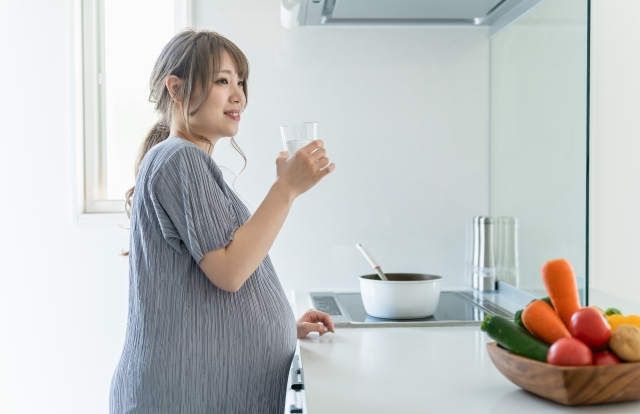
During pregnancy, maintaining fluid balance is very important for the health of both mother and baby. Adequate hydration helps prevent dehydration and swelling and can ease various discomforts that accompany pregnancy. Not every beverage is suitable for pregnant women, though. This article explains in detail the best ways to hydrate during pregnancy and how to choose the right drinks.
1. Why Hydration Matters During Pregnancy
During pregnancy, the body needs more fluids than usual. Blood volume and amniotic fluid increase to support the growing baby, which raises daily fluid needs. Proper hydration protects maternal health and strongly influences fetal growth. The following points highlight why hydration is especially important.
Increased blood volume
Blood volume rises during pregnancy. In late pregnancy in particular, the mother must supply more oxygen and nutrients to the baby. To maintain circulation and deliver oxygen and nutrients to the fetus, adequate fluid intake is essential.
Preventing swelling and constipation
Insufficient fluid intake can lead to swelling and constipation. Hormonal shifts and changes in fluid regulation during pregnancy make both more likely. Adequate hydration helps prevent these problems.
Body temperature regulation
Temperature regulation can be more difficult during pregnancy. The body needs to keep temperature within a healthy range. Consistent fluid intake supports temperature control and helps prevent heat illness and dehydration.
2. Recommended Drinks During Pregnancy
Choosing the drinks below will help you stay well hydrated in a healthy way. They support maternal health and are gentle options for the fetus.
Water
Water is the most basic and important beverage during pregnancy. It has no calories, does not burden the body, and efficiently replenishes fluids. A general goal is at least about 2 liters per day, but adjust based on how you feel and how active you are. Be especially intentional about hydration in hot weather and after exercise.
Caffeine free teas
Decaffeinated green tea and herbal teas such as chamomile and mint can be enjoyed safely. They promote relaxation and help reduce stress. Many can also aid digestion and help prevent constipation. Some herbs are not suitable during pregnancy, so always confirm safety before drinking a new herbal tea.
100 percent fruit juice in moderation
Pure fruit juice is a good way to get vitamin C and other nutrients. Orange and grapefruit juices support immunity and make needed nutrients easier to consume. Because juice can be high in sugar, watch your portions. Aim for about one glass a day and ideally have it with meals.
Sports drinks for electrolytes
Pregnancy can increase the tendency to swell. Along with fluids, electrolytes are important. In summer heat or after activity, sports drinks can be convenient to replace sodium and potassium to help maintain fluid balance. Pay attention to sugar content and favor low sugar or no sugar options.
3. Drinks to Avoid During Pregnancy
To protect the health of mother and baby, limit or avoid the following. They can increase pregnancy related risks or negatively affect the fetus.
Caffeinated beverages such as coffee and black tea
Excess caffeine may have negative effects on the fetus. It crosses the placenta and can influence development. High intake has been associated with increased risks such as miscarriage, preterm birth, and low birth weight. A common recommendation is to keep daily caffeine under about 200 milligrams. A 240 milliliter cup of coffee has about 95 milligrams, so avoid overdoing coffee and tea and choose caffeine free drinks when possible.
Alcohol
Alcohol can cause serious harm to the fetus and should be avoided completely during pregnancy. Potential consequences include fetal alcohol spectrum disorders, developmental issues, and physical anomalies. Alcohol crosses the placenta and interferes with development, so avoid it from preconception through breastfeeding.
Soda and sweetened soft drinks
Sodas and sweetened beverages are high in sugar and can complicate weight management and blood sugar control. Excess sugar intake is linked to gestational diabetes and excessive weight gain and may negatively affect the fetus. Some sodas also contain caffeine. Avoid these and choose unsweetened drinks instead.
4. Timing and Amount of Hydration
During pregnancy it is best to sip fluids frequently. Adequate hydration supports overall well being and helps prevent pregnancy related discomforts. Use the points below to time your intake and set daily amounts.
Drink water right after waking
The body loses fluids during sleep. Drinking water first thing in the morning helps restore balance and sets up a smooth start to the day. It can also stimulate metabolism and help prevent constipation.
Drink during meals
Taking in a modest amount of fluid with meals helps digestion. It supports gastrointestinal activity and can reduce overeating by adding volume. Avoid large volumes that could hinder digestion. Aim for a comfortable amount.
Rehydrate after exercise
Light activity is beneficial in pregnancy, but you lose both water and electrolytes when you move. Replenish promptly afterward with fluids and electrolytes. Low sugar sports drinks or drinks containing sodium and potassium can quickly restore balance and help prevent cramps and swelling.
Daily amount reference
A common reference is about 2 liters of total fluids per day, adjusted for weather, activity, and individual needs. Increase in hot conditions or with higher activity. Watch overall salt intake and keep up a pattern of small, frequent sips.
5. Summary: Support Pregnancy With Healthy Hydration
Hydration is essential for the well being of mother and baby. Choose suitable beverages and sip regularly to prevent dehydration, swelling, constipation, and other issues. Avoid caffeine and alcohol and limit sodas and sugary drinks. Choose natural and gentle options whenever possible. Build a sustainable hydration habit to make pregnancy more comfortable.
When going out, water bottles that are popular with pregnant women are usually lightweight, have strong thermal insulation and cooling performance, and are designed for easy carrying and sipping. Because it is important to drink warm or cool beverages as your body needs, the bottles below are helpful options.
Popular Water Bottles
1. Thermos Vacuum Insulated Mug Bottle
Known for long lasting insulation performance. It is lightweight and easy to carry and maintains temperature for hours. Some models have cute colors, a non slip feel, and are designed to resist condensation, which keeps bags dry.
2. Zojirushi Stainless Steel Bottle
User friendly design with excellent hot and cold retention. The wide mouth is easy to drink from and easy to clean. Large capacities such as 1.0 liter and 1.5 liters support ample hydration on the go and many models are fully washable.
3. Skater Stainless Steel Bottle
Compact and light, with many stylish colors and patterns. It balances looks and function, offers reliable insulation, and has a wide mouth that makes both drinking and cleaning easy.
4. Asvel Stainless Travel Mug
Slim and lightweight so it fits easily in a bag. The wide mouth makes it comfortable to drink from. The stainless interior is hygienic and resists odors, which is practical for daily carry.
5. Mysitic Stainless Steel Bottle
Simple, refined design with strong thermal performance. Large capacity options suit longer outings. The lid seals tightly to prevent leaks.
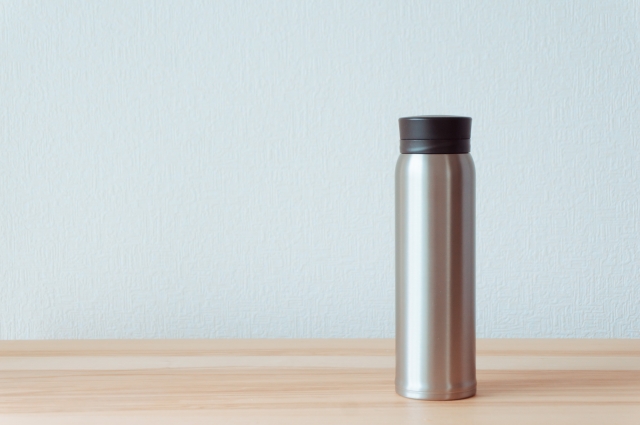
How to Choose a Bottle for Pregnancy
Lightweight and easy to hold
Reliable insulation and cooling performance
A wide mouth for easier drinking and cleaning
With a suitable bottle, hydration is easier away from home and everyday comfort improves.
6. Pregnancy Friendly Drink Recipes
Pregnancy friendly herbal tea with chamomile and mint
This tea relaxes and aids digestion and is a safe choice during pregnancy.
Serves 1
Chamomile tea bag 1
Mint leaves fresh or dried 1 teaspoon
Hot water 200 milliliters
Honey 1 teaspoon as desired
Instructions
Place the tea bag and mint leaves in a cup and pour in hot water.
Steep for 5 to 10 minutes until fragrant, then remove the tea bag.
Add honey to taste and enjoy warm.
Smoothie with banana and berries
This smoothie delivers vitamins, fiber, and potassium that are useful during pregnancy.
Serves 1
Banana 1
Frozen berries such as blueberries or strawberries 1 half cup
Milk 150 milliliters or almond milk
Honey 1 teaspoon as desired
Instructions
Place banana and frozen berries in a blender.
Add milk and blend until smooth.
Sweeten with honey if you like and pour into a glass.
Ginger lemon water
Ginger supports digestion and can ease nausea or stomach discomfort. Lemon adds a refreshing flavor.
Serves 1
Fresh ginger 1 small piece thinly sliced
Lemon 1 half juiced
Water 300 milliliters
Honey 1 teaspoon as desired
Instructions
Bring the water to a boil and add ginger. Simmer about 5 minutes.
Add lemon juice and honey if desired and stir.
Enjoy warm or chilled.
Coconut water and pineapple fresh drink
Coconut water provides electrolytes for hydration. Pineapple adds natural sweetness and vitamin C.
Serves 1
Coconut water 200 milliliters
Pineapple fresh or canned 1 half cup
Lime 1 half juiced
Instructions
Blend pineapple until smooth.
Add coconut water and lime juice and blend again.
Pour into a glass and serve chilled.
Summary
Hydration during pregnancy protects maternal health and supports fetal growth. Center your intake on water and add caffeine free tea, modest amounts of 100 percent juice, and low sugar sports drinks when needed. Avoid caffeine, alcohol, soda, and sweetened soft drinks. Drink at key times such as after waking, with meals, and after activity and use a lightweight insulated bottle when out. Enjoy homemade options like herbal tea, smoothies, ginger lemon water, and coconut pineapple drinks for variety and nutrition. A steady habit of small, frequent sips can make pregnancy more comfortable. Small daily actions add up to big protection for both mother and baby.
日本皮膚科学会 皮膚科専門医/日本医師会 産業医/東京衛生検査所 指導監督医
この記事は、 ヒロクリニックNIPTの編集・監修体制 にもとづき、資格を持つ医師が内容を確認しています。