

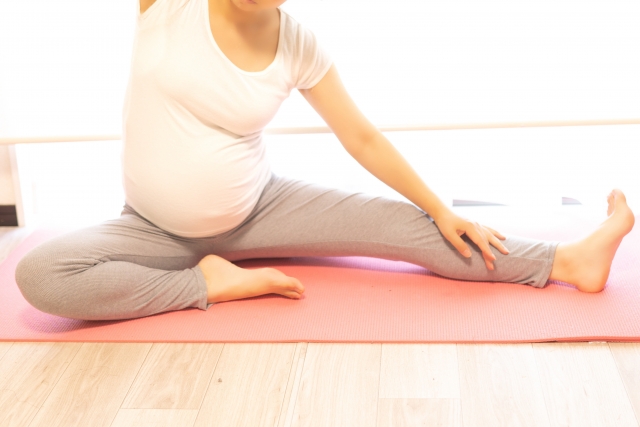
During pregnancy, changes in physical condition and body shape can make everyday movements more burdensome than before.
On the other hand, moderate exercise and stretching are considered effective in improving blood circulation, managing weight, and preventing back pain and swelling.
That said, many pregnant women may worry, asking themselves, “How much exercise is safe?” or “Will it affect the baby in my belly?”
Therefore, this article clearly explains, from a professional perspective, safe exercises and stretches that are easy to incorporate during pregnancy, practical tips, and precautions.
In addition, it also touches on the connection with NIPT (non-invasive prenatal testing), supporting a pregnancy lifestyle that provides peace of mind both physically and mentally.
1. Reasons Why Exercise Is Recommended During Pregnancy
Exercise during pregnancy is not only about maintaining body shape — it also has significant medical benefits.
- Improved blood circulation and prevention of swelling
During pregnancy, blood circulation tends to stagnate, which can cause swelling in the legs and varicose veins. Light aerobic exercise promotes blood flow in the lower limbs and helps alleviate these symptoms. - Reduced risk of gestational diabetes and hypertension
Walking and yoga help control blood sugar and stabilize blood pressure, reducing the risk of gestational diabetes and pregnancy-induced hypertension. - Maintaining physical strength for childbirth
Childbirth requires a great amount of physical strength. Maintaining muscle strength and flexibility can help reduce fatigue during labor and promote faster postpartum recovery. - Mental support
Exercise stimulates the release of neurotransmitters such as serotonin, which helps stabilize mood and reduce anxiety.
2. Safe Exercises Recommended for Pregnant Women
If there are no medical instructions to rest, most pregnant women can safely perform the following exercises.
2-1. Walking
This is the easiest aerobic exercise to start. Simply walking for 20–30 minutes at a comfortable pace with good posture can be effective.
2-2. Prenatal Yoga
Yoga modified specifically for pregnant women combines breathing techniques and stretches to help relax the body and mind. It is also useful for relieving lower back pain and practicing breathing for labor.
2-3. Water Exercise
Thanks to buoyancy, the burden on joints and the lower back is reduced. This allows for full-body movement while easing physical strain from weight gain.
2-4. Light Strength Training
Exercises such as chair squats or arm workouts using water bottles can be done at home to help maintain muscle strength.
3. Stretching Methods to Incorporate During Pregnancy
During pregnancy, due to changes in posture and weight gain, discomforts such as lower back pain, stiff shoulders, and swelling are more likely to occur. By incorporating gentle stretching into daily life, it can lead to improved blood flow and relief of muscle tension, supporting a comfortable pregnancy.
First, what is recommended is lower limb stretching. Rotating the ankles in large circles while in a seated position, or lightly massaging the calves, is effective for preventing swelling and blood clots.
Next, for relieving lower back pain, the “cat and cow” movement — where you get on all fours and round or arch your back — helps to ease tension in the pelvis and around the lower back.
For shoulder stiffness, neck stretches where you slowly tilt your head forward, backward, and side to side, as well as large shoulder-rolling movements, are effective. Furthermore, especially helpful in late pregnancy is the pelvic floor muscle exercise (Kegel exercise), which is expected to support childbirth and help prevent postpartum urinary incontinence.
As points of caution, do not use momentum, do not hold your breath, and stop before you feel pain. Even continuing for just 5 to 10 minutes a day can make a significant difference in managing your condition during pregnancy.
3-1. Lower Limb Stretching to Prevent Swelling
- Rotate your ankles in large circles while seated.
- Lightly massage your calves.
3-2. Stretching to Relieve Lower Back Pain
- Round your back in the “cat pose” while on all fours.
- Place your hands on the wall and slowly rotate your hips.
3-3. Stretching to Relieve Shoulder Stiffness
- Slowly tilt your head forward, backward, and side to side.
- Rotate your shoulders in large circles.
3-4. Pelvic Floor Muscle Exercise (Kegel Exercise)
By strengthening the pelvic floor muscles, it can help prevent urinary incontinence and promote postpartum recovery.
4. Precautions to Take When Exercising or Stretching During Pregnancy
Exercise and stretching during pregnancy have positive effects on both the mother and the fetus, but it is important to follow certain precautions when practicing them.
First and foremost, you must always obtain permission from your primary doctor before beginning any exercise. Pregnant women with risks such as threatened preterm labor, placenta previa, or gestational hypertension may be advised to prioritize rest.
In addition, the intensity of exercise should be “at a level where you can still hold a conversation.” Avoid intense aerobic activity, jumping, and strong twisting motions of the abdomen.
Rising body temperature and dehydration can also affect the fetus, so be sure to stay hydrated regularly and wear breathable clothing.
Especially in summer or humid environments, switching to indoor exercises is safer from the perspective of heatstroke prevention.
Furthermore, if you experience abdominal tightening, bleeding, severe abdominal pain, or dizziness, stop immediately and consult your doctor without delay.
When stretching, avoid forcefully extending your muscles or joints, and do not hold your breath. Especially in the later stages of pregnancy, joints become more relaxed, increasing the risk of ligament injuries from excessive stretching, so be extra cautious.
In this way, focusing on safety and avoiding overexertion allows pregnant women to safely incorporate exercise while protecting the health of both mother and baby.
- Begin only after obtaining permission from your doctor
- Avoid intense exercise and jumping movements
- 脈拍が上がりすぎないよう、会話できる程度の負荷を意識
- Stay hydrated frequently to prevent dehydration
- If you feel abdominal tightening, bleeding, or strong pain, stop immediately and consult your doctor
5. Relationship Between NIPT (Non-Invasive Prenatal Testing) and Exercise
NIPT (Non-Invasive Prenatal Testing) is a test that examines the possibility of fetal chromosomal abnormalities from the mother’s blood, and it can be performed after the 10th week of pregnancy. Since the test involves only blood collection and places extremely little burden on the mother or fetus, it generally has no direct restrictions or effects on exercise. However, it is reassuring to keep in mind a few precautions regarding how to spend time before and after the test.
First, it is desirable to keep blood flow stable before the test. Incorporating light exercise regularly can help make the blood draw go more smoothly. On the other hand, immediately after the test, it is safer to avoid strenuous exercise or going out for extended periods, in order to monitor your condition and whether there is any bleeding. From the next day onward, if there are no physical issues, it is generally fine to resume activities such as walking or light stretching.
Also, NIPT results often take about 1 to 2 weeks to arrive, and during this waiting period, psychological anxiety tends to increase. In such cases, incorporating light exercise, prenatal yoga, or breathing techniques is said to help reduce stress and improve sleep quality. Maintaining both physical and mental well-being can serve as important support when undergoing testing.
In other words, the relationship between NIPT and exercise is that “there is almost no effect on the test itself,” but “exercise is helpful for physical condition management and emotional stability before and after the test.”
- Managing physical condition before the blood draw
If blood flow is stable through moderate exercise, the blood draw tends to go more smoothly. - How to spend time after the test
Since NIPT only involves a blood draw and the risk is low, it is safe to avoid strenuous exercise and take it easy immediately after the test. - Coping with mental stress
While waiting for test results, psychological anxiety can increase. Light exercise and stretching are effective in reducing stress.
6. Practical Advice for Pregnant Women
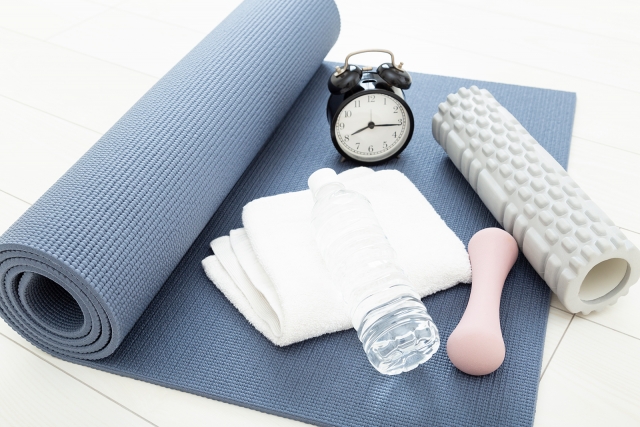
When incorporating exercise or stretching during pregnancy, it is important to build habits that can be continued without strain, while also considering medical knowledge. Start with about 10 minutes of light exercise per day, and gradually increase the time and frequency according to your physical condition. In early pregnancy, it is common to experience strong morning sickness or fatigue, so having the courage to rest according to how you feel on a given day is also important.
To stay motivated, doing walking or stretching together with a partner or family member can increase safety and encourage consistency. Using prenatal yoga videos or apps allows you to practice at home in an environment close to professional instruction, helping you learn correct form. Also, by recording activity levels and physical condition in an exercise journal or app, you can gather useful data to consult with your doctor.
Additionally, choosing the right time and environment for exercising is important. Avoid hot hours during the day, and choose cool times such as mornings and evenings, or well-ventilated indoor spaces. As long as you stay within a comfortable range while being mindful of hydration and salt intake, exercise can become a major source of support throughout your pregnancy.
- Start with 10 minutes per day and gradually extend the time
- It is easier to continue if you do it with your partner or family
- Use prenatal yoga or maternity exercise videos as a reference
- Use an exercise tracking app to manage your physical condition and activity level
Conclusion | The Key to Exercise and Stretching During Pregnancy is “Continuing Without Overdoing It”
Incorporating safe exercise and stretching during pregnancy brings great benefits to both the mother and the baby. Many medically recommended effects have been reported, such as improving blood circulation to prevent swelling and lower back pain, reducing the risk of gestational diabetes and high blood pressure, and maintaining physical strength necessary for childbirth. Furthermore, light exercise promotes the secretion of serotonin, which helps ease anxiety and stress and contributes to mental stability.
However, because physical condition can change significantly during pregnancy, the most important thing is “not to overdo it and to continue in accordance with your condition.” As a guideline, aim for an intensity that allows you to carry on a conversation, and if you feel any abnormalities, stop immediately and consult your doctor. Also, mild exercises such as walking and prenatal yoga are easy to incorporate as part of daily life and are recommended because they are easy to continue.
Pregnancy is not something to be carried alone, and by working together with your family and doctor, you can go through it more safely. By properly incorporating exercise alongside medical checkups and health management such as NIPT, you can achieve a healthy and positive maternity life.
日本皮膚科学会 皮膚科専門医/日本医師会 産業医/東京衛生検査所 指導監督医
この記事は、 ヒロクリニックNIPTの編集・監修体制 にもとづき、資格を持つ医師が内容を確認しています。