

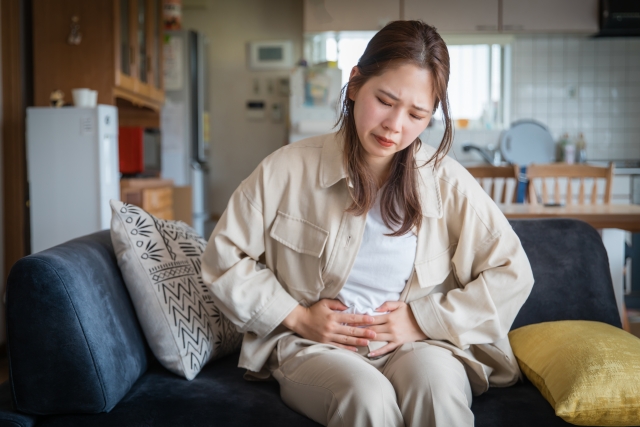
Constipation during pregnancy is one of the problems that many pregnant women face. A variety of factors, including hormonal balance changes, uterine pressure on the intestines, as well as insufficient fluid intake and stress, can cause constipation. If left untreated, not only does the quality of daily life decline, but it may also lead to hemorrhoids or abdominal pain.
This article provides a detailed explanation of constipation measures that pregnant women can adopt with ease, from multiple perspectives such as diet, exercise, lifestyle habits, and stress management. It also touches on when to consult a doctor and the use of medications, supporting a safe and secure pregnancy experience.
1. Causes and Symptoms of Constipation During Pregnancy
The causes of constipation during pregnancy are mainly related to hormonal changes and physical pressure. The body undergoes significant hormonal balance changes during pregnancy, which is one of the factors that trigger constipation. In particular, the hormone progesterone, which begins to be secreted from early pregnancy, has an action that relaxes the muscles of the intestines. This hormonal effect slows intestinal peristalsis, making stool more likely to remain in the intestines. As a result, constipation is more likely to occur, and symptoms may not improve even if diet and fluid intake are increased.
Furthermore, from mid to late pregnancy, the uterus enlarges and begins to press on the intestines. This further restricts intestinal movement and may worsen bowel movements. Especially in late pregnancy, the uterus markedly compresses the bladder and intestines, exacerbating symptoms such as constipation and frequent urination.
Also, pregnancy is a time when more fluids are required, but insufficient fluid intake can cause constipation. Since blood volume increases during pregnancy, kidney function and circulation play vital roles, and body fluids are more easily excreted. Without intentional hydration, stool hardens and intestinal movement further slows.
In addition, stress and anxiety can also affect constipation. During pregnancy, stress can easily arise from bodily changes and concerns about the future, which may directly impact the intestines. Stress is known to disrupt the autonomic nerves in the gut and reduce intestinal function.
2. Dietary Measures That Help Alleviate Constipation
Intake of Dietary Fiber
To relieve constipation, it is essential to actively consume foods rich in dietary fiber. Dietary fiber absorbs water in the intestines, increases stool volume, stimulates the intestines, and promotes bowel movements. Adequate fiber intake during pregnancy is an indispensable element to prevent constipation. It is recommended to consume 25–30 g of dietary fiber per day, but achieving this amount through diet requires mindful intake of fiber-rich foods.
Especially effective ingredients include kiwi, apples, avocado, and vegetables. Kiwi is rich in dietary fiber, does not easily produce gas in the intestines, and helps smooth bowel movements. Additionally, apples and avocado help regulate the intestinal flora and support gut health. Moreover, prunes and raisins are particularly effective in relieving constipation and help increase beneficial gut bacteria.
Also, whole wheat bread, pasta, and oatmeal are rich in dietary fiber and effective for improving bowel movements. These foods digest slowly and absorb water in the intestines to soften stool, making them essential in relieving constipation.
Importance of Hydration
During pregnancy, bodily water volume increases, making fluid intake extremely important. To prevent constipation, consciously consuming more than 2 liters of fluids per day is critical. A lack of fluids causes stool in the intestines to harden, making elimination difficult. Adequate hydration for pregnant women positively influences not only bowel movements but overall physical condition.
When staying hydrated, it is good to include water, tea, soups, and fruit juices. In particular, warm beverages promote bowel movement by warming the intestines. Warm water or caffeine-free herbal teas are especially effective in alleviating constipation by warming the gut.
Foods to Promote and Foods to Avoid
It is also important to include fermented foods and probiotics to prevent constipation. Fermented foods regulate intestinal flora and improve gut environment. Examples include yogurt, natto, and kimchi. These increase beneficial gut bacteria and improve bowel movements by balancing intestinal flora.
Foods to avoid include caffeinated beverages, alcohol, and high-fat foods. Caffeine has a diuretic effect that expels water and can make stool harder. High-fat meals digest slowly and make stool more likely to linger in the intestines. It is advisable to moderately restrict intake of these foods.

3. Exercise Methods for Constipation Relief During Pregnancy
For pregnant women, excessive exercise should be avoided, but light exercise and stretching are highly effective in relieving constipation. Exercise stimulates intestinal peristalsis and improves bowel movement. Also, exercise promotes blood circulation and benefits overall bodily health, so it should be incorporated actively.
Gentle Stretching
Light stretching or yoga that can be done during pregnancy is very effective in relieving constipation. Particularly, stretches that lightly compress the abdomen are effective. Examples include knee-to-chest stretches and side-lying with gently bent knees, which stimulate the gut and promote bowel movement. These stretches provide flexibility and relaxation benefits, making them ideal exercises for pregnant women.
Effects of Walking
Walking is the safest and most effective exercise for pregnant women. It places minimal burden on the body and activates intestinal function through moderate activity. Walking for approximately 30 minutes daily can relieve constipation. Walking also alleviates stress and positively affects the mental health of pregnant women.
Pelvic Floor–Focused Exercises
Performing pelvic floor–focused exercises during pregnancy also helps relieve constipation. Strengthening the pelvic floor activates intestinal movement and improves bowel function. Kegel exercises and pelvic-relaxation exercises are simple and easy to adopt, making them an accessible option.
4. Improving Constipation Through Lifestyle Adjustments
Reviewing lifestyle habits also plays a significant role in relieving constipation. Living with a regular routine helps align intestinal function and makes constipation easier to improve.
Regular Daily Rhythms
Solving constipation hinges on regular lifestyle rhythms. Taking meals and using the toilet at the same times every day helps smooth intestinal function. Particularly, walking lightly after meals or attempting to use the toilet after eating stimulates the gut and promotes bowel movement.
Stress Management and Relaxation
Stress is a major factor worsening constipation during pregnancy. Because pregnant women often feel stress due to bodily changes or anxiety about the future, incorporating relaxation and deep breathing to soothe mind and body is crucial. Intentionally creating relaxing moments and reducing stress through meditation or aromatherapy is recommended.
Methods to Improve Sleep Quality
Getting enough sleep is essential for preventing constipation. Insufficient sleep may negatively impact intestinal movement; therefore, maintaining a relaxing environment and keeping the bedroom comfortable is key. Additionally, practicing stretching before bed or drinking warm drinks can improve sleep quality and aid bowel movements.
When to Consult a Doctor and How to Receive Support
If constipation persists for a long time or is accompanied by pain, it is important to consult a specialist. Doctors may prescribe constipation medications safe for use during pregnancy. Also, if constipation does not improve or symptoms worsen, support for intestinal flora may be needed. It is recommended to consult a physician to receive appropriate treatment or advice.
Summary
Constipation during pregnancy is a natural phenomenon associated with physical changes, but with appropriate measures, significant improvement is expected. Dietary fiber intake, hydration, light exercise, a regular lifestyle, and stress control are all manageable habits that can be incorporated into daily life.
What is important is not to overdo anything and to engage with your body sensitively. If symptoms persist, consulting a physician without hesitation is also an option. Improving constipation is the first step to protect both mind and body health. To enjoy a comfortable pregnancy, try incorporating small changes starting today.
日本皮膚科学会 皮膚科専門医/日本医師会 産業医/東京衛生検査所 指導監督医
この記事は、 ヒロクリニックNIPTの編集・監修体制 にもとづき、資格を持つ医師が内容を確認しています。