


Weight management during pregnancy is extremely important for protecting the health of both the mother and the baby. Excessive weight gain may increase the risk of pregnancy-induced hypertension syndrome or gestational diabetes, while insufficient weight gain may affect the baby’s growth. Paying attention to a balanced diet and managing weight properly is the key to a healthy pregnancy. In this article, we will introduce recommended meal plan examples that support weight management during pregnancy and help establish healthy eating habits.
1. Importance of Weight Management During Pregnancy
Weight gain during pregnancy, when properly managed, has positive effects on the health of both the mother and the baby. Excessive weight gain may increase the risk of pregnancy-induced hypertension syndrome, diabetes, and complications during delivery. On the other hand, a lack of essential nutrients can affect the baby’s development. Ideal weight management is indispensable for protecting the health of the mother while also supporting the healthy growth of the baby.
2. Essential Nutrients and Dietary Balance During Pregnancy
During pregnancy, in addition to a normal diet, it is necessary to intentionally consume certain special nutrients. The following are especially important:
- Folic Acid: Prevents neural tube defects in the baby. Found in dark green vegetables, liver, and fermented soybeans (natto).
- Calcium: Essential for the development of bones and teeth. Abundant in dairy products and small fish.
- Iron: Needed because blood volume increases during pregnancy. Found in red meat, spinach, and beans.
- Protein: Necessary for the growth of the fetus. Found in chicken, beans, and fish.
- Vitamin C: Supports immunity. Should be actively obtained from vegetables and fruits.
To consume these nutrients in a balanced manner, it is important to review daily meals and plan menus with overall balance in mind.
3. Meal Plan Examples to Support Weight Management During Pregnancy
Breakfast
1. Oatmeal and Fruit Muesli
Oatmeal is rich in dietary fiber, helping to prevent constipation. Adding fruits such as bananas or blueberries provides vitamins and antioxidants. A small amount of nuts adds healthy fats.
Ingredients:
- Oatmeal 50 g
- Milk or almond milk 200 ml
- 1 banana
- Blueberries, appropriate amount
- Almonds or walnuts, small amount
Nutrients: dietary fiber, vitamin C, potassium, healthy fats
2. Yogurt and Fruit Salad
Yogurt is rich in calcium, supporting bone health. Seasonal fruits add vitamins and minerals.
Ingredients:
- Plain yogurt 100 g
- Seasonal fruits (strawberries, blueberries), appropriate amount
- Hemp seeds or chia seeds, small amount
- Honey (optional)
Nutrients: calcium, vitamin C, omega-3 fatty acids
Lunch
1. Steamed Chicken Breast with Komatsuna Greens
Chicken breast is low in fat and high in protein. Komatsuna greens are rich in iron and calcium, making them highly recommended for pregnant women.
Ingredients:
- Chicken breast 100 g
- Komatsuna greens 1 bunch
- Soy sauce, mirin, dashi, appropriate amount
- Sesame seeds, small amount
Nutrients: protein, iron, calcium, vitamin A
2. Brown Rice with Natto
Brown rice is rich in fiber and helps prevent sudden spikes in blood sugar. Natto (fermented soybeans) is an excellent plant-based protein source and helps regulate gut health.
Ingredients:
- Brown rice 1 bowl
- Natto 1 pack
- Green shiso or chopped scallion, optional
- Miso soup (with tofu and seaweed)
Nutrients: dietary fiber, protein, B vitamins
Dinner
1. Grilled Salmon with Vegetable Salad
Salmon contains abundant omega-3 fatty acids, supporting fetal brain development. Paired with a salad of leafy vegetables, it provides a good balance of vitamins and minerals.
Ingredients:
- Salmon fillet 1 piece
- Olive oil, small amount
- ½ lemon
- Salad greens (spinach, lettuce, arugula, etc.)
- Tomato, cucumber, avocado, optional
Nutrients: omega-3 fatty acids, vitamin C, potassium, vitamin D
2. Hearty Vegetable Minestrone
This low-calorie, nutrient-rich soup warms the body while providing essential vitamins and minerals.
Ingredients:
- Onion 1
- Carrot 1
- Celery 1
- 1 can tomatoes
- White beans 1 cup
- Chicken or vegetable broth 500 ml
Nutrients: vitamin A, dietary fiber, protein
Snacks
1. Nuts and Dried Fruits
Nuts provide healthy fats and vitamin E, while dried fruits are rich in iron and potassium. Eating an appropriate amount helps provide nutrients conveniently.
Ingredients: almonds, walnuts (small amount); dried cranberries, raisins, dried apricots
Nutrients: vitamin E, iron, potassium
2. Yogurt with Fruits
Yogurt contains probiotics that help regulate the gut. Adding fruit provides vitamin C and antioxidants.
Ingredients:
- Plain yogurt 100 g
- Strawberries or blueberries
Nutrients: calcium, vitamin C
4. Key Points in Choosing Ingredients and Cooking Methods
Choosing Ingredients
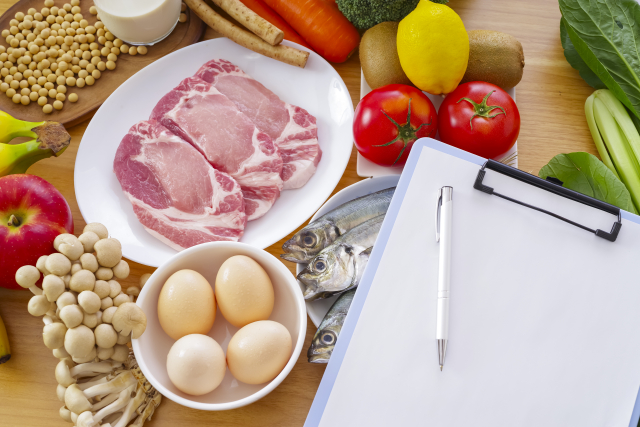
- Select fresh, high-quality ingredients; organic or pesticide-free options are preferable.
- Focus on low-fat and low-salt choices, avoiding processed foods.
- Ensure a balanced intake of folic acid, calcium, iron, vitamin D, etc.
- Choose seasonal ingredients, which are rich in nutrients and reasonably priced.
- Pay attention to allergies and dietary restrictions. Avoid raw meat, raw fish, alcohol, and caffeine.
Cooking Methods
- Steaming and Stewing: Retain the maximum nutrients.
- Grilling and Baking: Reduce extra fat.
- Stir-frying: Use little oil and low heat to preserve nutrients.
- Limit Deep-Frying: Replace with baking, steaming, or air-frying.
- Low-Carbohydrate Cooking: Replace white rice with brown or mixed grains, choose low-carb vegetables, and use whole-grain bread or pasta.
5. Dietary Tips for Weight Management During Pregnancy
- Divide meals into smaller, more frequent portions to prevent rapid blood sugar fluctuations.
- Drink 1.5–2 liters of water daily.
- Adjust eating order: eat vegetables and protein first, followed by carbohydrates, to help stabilize blood sugar levels.
Conclusion
Weight management during pregnancy requires both dietary strategies and flexible adjustments to suit one’s condition. By choosing balanced meal plans and appropriate cooking methods, mothers can protect their own health while supporting their baby’s development. Small daily dietary adjustments can lay the foundation for a comfortable and healthy pregnancy.
日本皮膚科学会 皮膚科専門医/日本医師会 産業医/東京衛生検査所 指導監督医
この記事は、 ヒロクリニックNIPTの編集・監修体制 にもとづき、資格を持つ医師が内容を確認しています。