
1. Causes of the disease
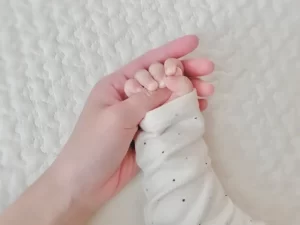
Rubinstein-Taybi syndrome (RTS) is a rare genetic disorder usually caused by mutations in the CREBBP or EP300 genes that result in characteristics that affect bones, facial features, intellectual development, and behavior.
2. Symptoms
- Facial characteristics : Characteristic facial features include broad thumbs and toes, a low nasal bridge, and arched eyebrows.
- Developmental delays : Delays in language and motor skills are common, and intellectual disability may be present.
- Behavioral problems : Autism spectrum related behaviors and hyperactivity may be present.
- Heart abnormalities : You may have congenital heart disease.
- Internal Organ Abnormalities : Some patients may have abnormalities in their internal organs.
3. Treatment
- Developmental Support : Supporting patient development through physical, occupational and speech therapy.
- Organ management : If there are abnormalities in the heart or organs, specialist treatment is required.
- Behavioral Therapy : Psychological therapy and support for behavioral issues is provided.
4. Prognosis
With appropriate support and medical management, quality of life can be expected to improve, but support needs to be tailored to each individual’s symptoms.
5. The burden on parents
Long-term medical management and rehabilitation are necessary, which can place a large financial and mental burden on the individual. It is important to establish a support system by coordinating with support groups and medical institutions.
医師監修
監修日:2024年11月15日
岡 博史
(医師・医学博士/ヒロクリニック統括院長)
日本皮膚科学会 皮膚科専門医/日本医師会 産業医/東京衛生検査所 指導監督医
この記事は、 ヒロクリニックNIPTの編集・監修体制 にもとづき、資格を持つ医師が内容を確認しています。