


Summary of This Article
Advancements in modern genetic science now allow us to explore our roots and ancestry in depth through DNA. This process, known as “ancestry testing” or “phylogenetic analysis,” uses personal genetic information to reveal ancestral geographic and ethnic origins, as well as family lineage. This article explains in detail how DNA ancestry testing works, the testing methods, available services, and the scientific evidence behind them.
What Is DNA Ancestry Testing?
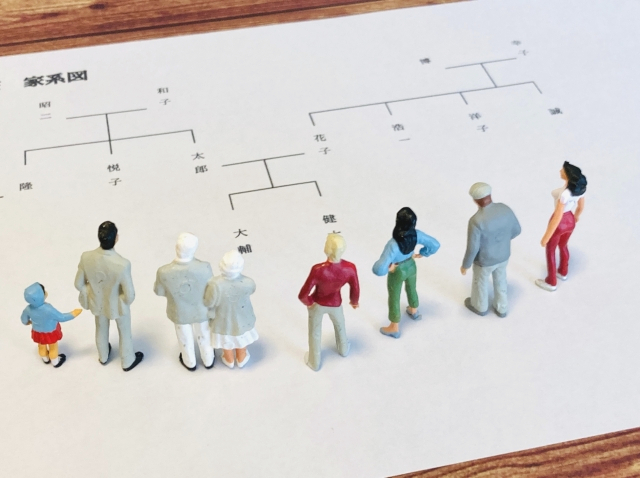
DNA ancestry testing analyzes your genetic information to determine your ancestral origins and ethnic background. It enables you to trace your family lineage across several generations—even back to ancient times.
Testing is typically based on three main DNA components:
- Autosomal DNA Testing
Available to both men and women, this examines the 22 pairs of autosomes inherited from both parents. It provides broad insight into recent ancestry. - Y-Chromosome DNA Testing
Only for males, as the Y chromosome is passed from father to son. It helps trace direct paternal lineage.
Mitochondrial DNA (mtDNA) Testing
Available to all, this tracks maternal lineage because mtDNA is passed from mothers to all their children, offering stability over generations.
Popular DNA Testing Services
Here are some leading services available internationally:
- 23andMe
Offers ethnicity breakdown, regional ancestry, health insights, and DNA relative matching. - AncestryDNA
Links to the largest family tree database in the U.S. for detailed ancestry exploration. - MyHeritage DNA
Strong in European populations, analyzes both maternal and paternal lines, ideal for family history research.
FamilyTreeDNA
Specializes in Y-DNA and mtDNA tests for in-depth genealogical exploration.
How It Works
- Purchase a kit online
- Collect a saliva or cheek swab sample
- Ship the sample to the testing lab
- Receive results online within 2–6 weeks
Why It Matters
- Deepen your self-understanding and identity
- Connect with relatives and understand family history
- Detect potential health risks and inherited conditions
Especially helpful for those with disrupted family records (e.g., migration or war)
Scientific Reliability
Modern ancestry testing uses next-generation sequencing (NGS) to analyze millions of SNPs. These genetic markers help identify population-specific traits and regional origins with high accuracy, supported by numerous scientific studies.
Summary
DNA ancestry testing is more than just a curiosity—it’s a meaningful tool for understanding who you are and where you come from. Explore your roots and reconnect with history through simple, at-home genetic testing.
日本皮膚科学会 皮膚科専門医/日本医師会 産業医/東京衛生検査所 指導監督医
この記事は、 ヒロクリニックNIPTの編集・監修体制 にもとづき、資格を持つ医師が内容を確認しています。